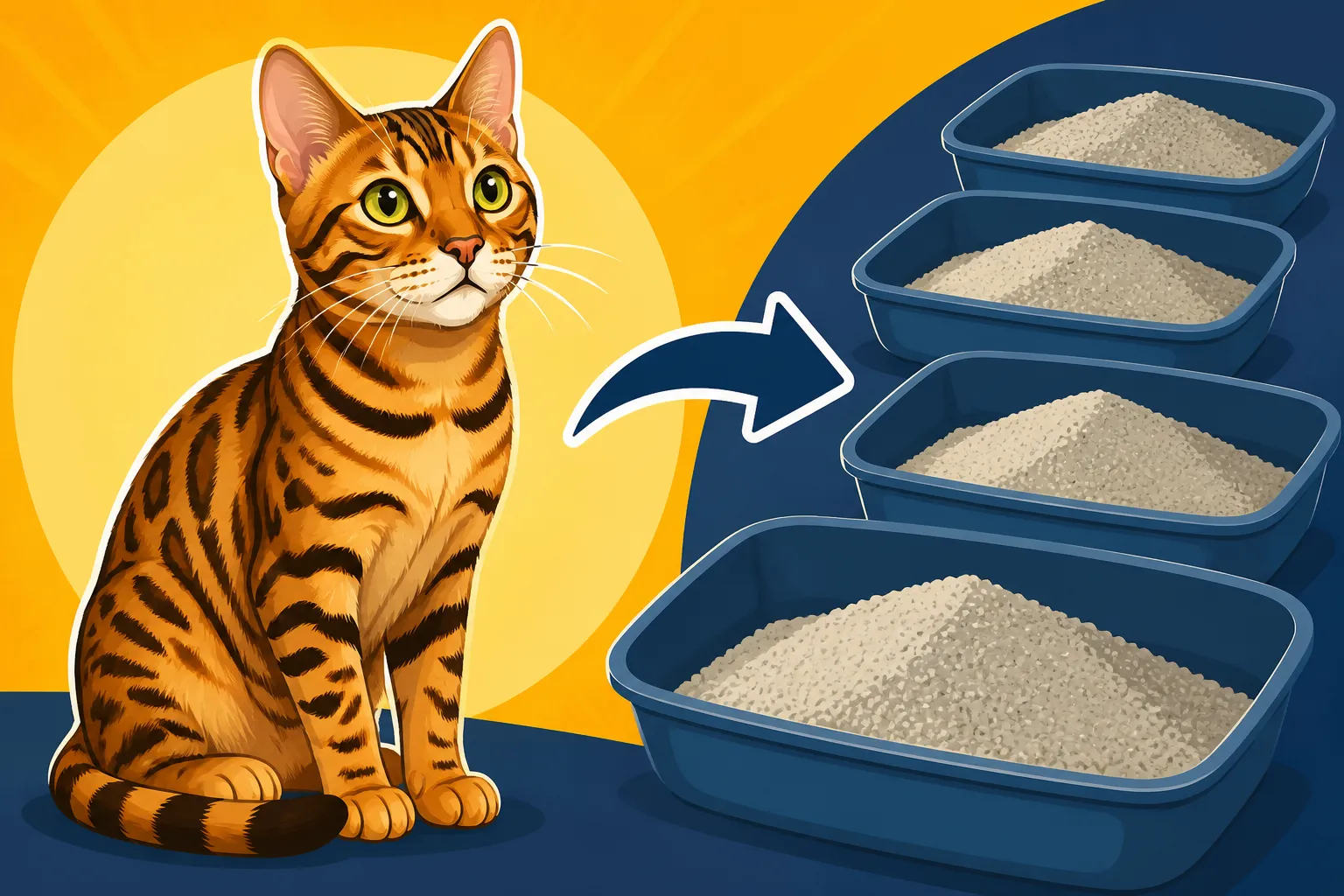
How Much Litter a Bengal Cat Gets Through
One of the first things many new Bengal cat parents discover, often with a slight gasp as they sweep up another pile of errant granules, is just how much litter these magnificent felines go through. It's not just the sheer volume of their bathroom visits; it's the vigor with which they approach the act of digging, burying, and, let's be honest, often flinging litter outside the box. This guide will help you understand your Bengal's unique litter habits and how to manage the inevitable consumption of cat litter.
Understanding the Bengal Cat's Unique Litter Box Habits
It’s easy to assume all cats are pretty much the same when it comes to the litter box. Scoop, cover, done. But a Bengal cat brings a whole new level of enthusiasm to this daily ritual, and it directly impacts how quickly you find yourself needing another bag of litter. Their wild ancestry isn't just visible in their stunning rosetted coats; it's also deeply ingrained in their behavior, even in the most mundane activities like using the toilet.
The Energetic Digger
If you’ve ever watched your Bengal in the litter box, you’ve probably noticed they don't just "go" and delicately cover things up. Oh no, a Bengal treats the litter box like a small-scale archaeological dig. They often excavate deep trenches, sometimes down to the plastic bottom, before doing their business. Then, with an impressive display of athleticism and dedication, they will attempt to bury their waste with such gusto that litter inevitably gets propelled out of the box like tiny projectiles. This vigorous digging is a strong instinct, a holdover from their wild ancestors, the Asian Leopard Cat, who would meticulously bury their waste to hide their presence from predators and prey alike.
This isn't just a quirky habit; it's a significant factor in how much litter you use. Each dig displaces litter, and each energetic cover-up means a good portion ends up on the floor. You're not just replacing the litter that's been soiled; you're also constantly topping up what's been kicked out. It can feel like a losing battle, but understanding why they do it can help you anticipate the need for more frequent litter purchases. This deep digging also means that if you're not using enough litter in the first place, they'll hit the bottom more often, leading to odors and a less hygienic experience for your fastidious feline. They really do try to Why a Bengal Cat Digs to the Bottom of the Box.
Size Matters: Larger Than Your Average Housecat
Bengal cats are, on average, larger and more muscular than your typical domestic shorthair. While they might not be Maine Coon giants, their robust build and high energy levels translate to a higher metabolic rate. A bigger cat simply produces more waste – both urine and feces. It’s a simple equation: more food in, more waste out. This means each trip to the litter box involves a larger volume of urine to absorb and more substantial deposits to cover.
Consider the difference between a small teacup poodle and a Labrador retriever; they both need to "go," but the volume is vastly different. The same principle applies here. A larger volume of urine means more clumping litter is saturated, and larger stools require more litter to encapsulate and neutralize odors effectively. If you're used to a dainty domestic cat, the sheer amount of waste a Bengal can produce might be a surprise. This isn't a problem, just a reality that necessitates a generous supply of fresh litter and a vigilant scooping schedule to keep their bathroom environment clean and appealing to them.
Factors Influencing Bengal Cat Litter Consumption
It's not just your Bengal's natural instincts and impressive physique that dictate how much litter disappears from the bag. Several environmental and care-related factors play a huge role in the ongoing litter-go-round. From the type of litter you choose to what you feed them, every decision can subtly, or not so subtly, impact your monthly litter bill.
Litter Type and Absorbency
The kind of litter you choose has a monumental effect on how much you use and how effectively it manages your Bengal's waste.
- Clumping Clay Litters: These are often the go-to for many cat owners, and for good reason. They excel at odor control and forming tight, easy-to-scoop clumps, which theoretically should mean less waste. For a Bengal, however, their vigorous digging can sometimes break up softer clumps, leading to smaller, harder-to-find pieces that get left behind, potentially contaminating the remaining clean litter faster. Look for high-quality, hard-clumping varieties. While some can be dusty, contributing to respiratory issues for both you and your cat, modern formulations are often low-dust.
- Silica Gel Litters: These crystal litters are fantastic at absorbing moisture and locking away odors, sometimes requiring less frequent full litter changes. However, they don't always clump in the same way, and the larger crystal size might not appeal to every Bengal's sensitive paws. They can also be pricier upfront, but their longevity might balance the cost. For a heavily digging Bengal, they might get kicked out of the box less due to their weight, but they also won't provide the same satisfying "burying" experience as fine-grain clay.
- Natural Litters (Pine, Corn, Wheat, Walnut): These eco-friendly options are gaining popularity. Their absorbency varies, as does their odor control. Pine pellets, for example, turn to sawdust when wet, which some Bengals might find strange. Corn or wheat litters can clump well, but they might track more easily or, in rare cases, attract pests. The consistency and feel underfoot are crucial for a Bengal. If they don't like it, they might refuse to use the box, leading to accidents elsewhere. Your Bengal's gut can be sensitive, and some owners swear by certain natural litters that are gentler.
Ultimately, you might find yourself experimenting with a few types from places like Chewy to see what your Bengal prefers and what offers the best balance of absorbency, odor control, and minimal tracking.
Diet and Hydration
Believe it or not, what goes into your Bengal cat can significantly affect what comes out and, by extension, how much litter you use. A Bengal cat's diet, especially one tailored to their high-energy needs and sometimes Why a Bengal Cat's Gut Is So Sensitive, plays a role.
- High-Protein Diet: Bengals thrive on a high-protein diet, which supports their lean muscle mass and energy levels. However, a diet rich in protein, especially if it's high quality and highly digestible, can sometimes lead to more frequent and potentially larger stools. If the protein is not easily digestible, you might see larger, looser stools, which soak up even more litter and create more mess. Ensuring your Bengal is on a diet that works for their sensitive system is key.
- Wet Food vs. Dry Food: Cats inherently don't have a strong thirst drive, often relying on their food for moisture. If your Bengal primarily eats dry kibble, they'll need to drink more water to stay hydrated. This increased water intake means more urine output. Conversely, a diet rich in wet food provides much-needed hydration, often resulting in less concentrated urine and potentially fewer trips to the water bowl, though not necessarily fewer litter box visits. More urine, regardless of concentration, means more litter soaked and scooped.
- Water Intake: Speaking of hydration, the more your Bengal drinks, the more they will urinate. This is healthy and vital! Many Bengals love water, and you might find them fascinated by running water. Providing a Why a Bengal Cat Needs a Water Fountain can encourage them to drink more, which is excellent for their kidney health but will also contribute to higher litter usage. It's a trade-off worth making for their well-being, but one to factor into your litter budget. Whether high protein food costs more (Whether a High Protein Food Costs a Bengal Cat Owner More) is another thing to consider when looking at the overall cost picture.
Number of Litter Boxes and Scooping Frequency
These two factors are perhaps the most within your control and can significantly impact litter consumption and household cleanliness.
- The "N+1 Rule": For optimal cat happiness and hygiene, the general rule of thumb is to have one litter box per cat, plus one extra. For a highly active and discerning Bengal, this rule is practically gospel. Multiple boxes spread the load, so to speak. If you have only one box for an enthusiastic Bengal, it will become soiled much faster, forcing you to scoop more frequently or risk your cat finding an alternative (and less desirable) spot to relieve themselves. With more boxes, each individual box might last a little longer between deep cleans, but the total litter consumed across all boxes will still be proportional to their output.
- Scooping Frequency: This is where the rubber meets the road. If you scoop your Bengal's litter box once a day, you'll likely use more litter in the long run than if you scoop two or even three times a day. Why? Because a fresh, clean box encourages your Bengal to use it, and you're removing waste before odors set in and before they feel the need to over-bury to hide smells, scattering even more litter. Infrequent scooping also means urine-soaked clumps sit longer, potentially sticking to the bottom or sides of the box and breaking apart when you do scoop, leading to more wasted litter when you have to chip away at it. It's a dirty job, but someone's gotta do it for our Bengals! Remember, Why One Box Is Never Enough for a Bengal Cat.
Practical Strategies to Manage Bengal Cat Litter Usage
So, we know Bengals go through a lot of litter. It's a fact of life with these amazing cats. But that doesn't mean you're doomed to endless sweeping and costly trips to the pet store. There are practical steps you can take to make the process more manageable, reduce waste, and keep your home cleaner and your Bengal happier.
Choosing the Right Litter Box
This is arguably the most critical piece of the puzzle for managing Bengal cat litter usage and messes. A standard-sized litter box just won't cut it for most Bengals.
- Deep, Large Boxes with High Sides: Your Bengal needs space! They need room to dig, turn around, and bury their treasures without feeling cramped. Opt for the largest litter box you can comfortably fit in your home. Even more important are high sides. A deep litter pan with walls at least 10-12 inches high is often necessary to contain the "litter-flinging" that comes with their enthusiastic digging. Think of it as a splash guard for their personal excavation site. Without high sides, you'll be sweeping up a significant amount of stray litter daily. You can find some excellent extra-large options from retailers like Chewy. A good question to ask yourself is Which Litter Box Survives a Bengal Cat and also Whether a High Sided Box Suits a Bengal Cat.
- Covered vs. Uncovered: While covered litter boxes can help contain some of the scattered litter and odors, many Bengals dislike them. The enclosed space can trap odors and make them feel vulnerable, going against their natural instincts. If you do opt for a covered box, ensure it's generously sized and has excellent ventilation. Otherwise, the confined space might deter them from using it, or lead to them pushing against the sides, causing even more litter to escape.
- Automatic Boxes: Some owners consider automatic, self-cleaning litter boxes. These can certainly reduce scooping frequency for you and potentially keep the box cleaner for your Bengal. However, they are an investment and some Bengals might be wary of the moving parts or noise. Also, an active Bengal might trigger the sensors prematurely, or even attempt to play with the raking mechanism, creating more mess than they prevent. Always observe your cat's reaction carefully if you go this route.
Litter Matting and Floor Protection
Even with the highest-sided litter box, some litter will invariably escape. This is where clever matting and floor protection come into play to minimize tracking and waste.
- Types of Mats: Invest in good quality litter mats designed to trap granules.
- Mesh Mats: These have a textured surface that catches litter from paws. They're generally easy to shake out or vacuum.
- Honeycomb/Double-Layer Mats: These are fantastic. They have two layers, with the top layer featuring holes that allow litter to fall through to the bottom layer. You can then easily lift the top layer and pour the trapped litter back into the box. These are highly effective for Bengals who track a lot.
- Rubber/Silicone Mats: These provide a non-slip surface and can catch some litter, but they might not be as effective at trapping as the textured or honeycomb options.
- You might want to research Whether a Bengal Cat Needs a Litter Mat for your specific setup.
- Placement and Cleaning: Place mats directly in front of and around the litter box, covering a generous area. A Bengal cat's exit from the box is often as energetic as their entry, and they might launch themselves out, kicking up more litter as they go. Regularly shaking out or vacuuming the mats is essential to keep them effective. For honeycomb mats, remember to periodically empty the bottom layer back into the box to save litter.
- The Inevitable "Litter Explosion": Despite your best efforts, there will likely still be days when your Bengal manages to create a litter explosion, especially if they're particularly playful or just feeling extra wild. This is just part of living with a Bengal, and having appropriate cleaning tools (a small dustpan and brush, or a handheld vacuum) readily available will save your sanity and help you quickly salvage any usable litter from the floor.
Budgeting for Litter Costs
When you first bring home a Bengal, you budget for food, toys, maybe even a cat wheel. But litter costs can sometimes be an unexpected recurring expense that adds up over their lifespan. It's important to factor this into the overall Fifteen Years of a Bengal Cat, Priced Out and What a Bengal Cat Costs Over Its Lifetime.
- Cost Considerations (Not Specific Prices): Litter prices vary significantly based on type, brand, and bag size. Premium clumping litters or specialized natural litters will generally be more expensive per pound than basic clay options. Given how much your Bengal will use, buying larger bags or in bulk is almost always more cost-effective in the long run.
- Buying in Bulk and Subscriptions: Many online retailers, like Chewy, offer bulk discounts and subscription services. Setting up a recurring delivery for your preferred litter can not only save you money but also ensure you never run out unexpectedly. This is especially helpful when you have an active Bengal who needs a constant supply of fresh litter.
- Considering Overall Pet Care Costs: While litter is a direct cost, think about how it integrates with other pet care expenses. A well-maintained litter box contributes to your Bengal's hygiene and can help prevent stress-related urination outside the box, which could lead to cleaning costs or even vet visits if a medical issue is suspected. Additionally, consider comprehensive pet insurance from providers like Healthy Paws for unforeseen health issues, which can offer peace of mind when budgeting for all aspects of your Bengal's care. Investing in good quality litter and the right setup is a small part of ensuring your Bengal stays healthy and happy for years to come.
Disclaimer
This article is for general informational purposes only and does not constitute professional advice. Laws, prices and regulations vary by location and change over time. Consult a qualified professional for guidance on your specific situation.