The Age a Bengal Cat Settles
One of the biggest questions new Bengal cat owners grapple with, often after experiencing what feels like a small, spotted tornado ripping through their home, is "When will they settle down?" It's a common, completely valid frustration, as these cats are unlike any other. This guide will explore the various developmental stages of a Bengal cat, helping you understand when and how their boundless energy typically begins to temper, and what "settling" really means for this incredibly active breed.
Understanding the Bengal Cat's Innate Energy
Before we dive into timelines, it's crucial to understand the fundamental nature of the Bengal cat. These aren't your average domesticated housecats. Their wild heritage means they come pre-loaded with an extraordinary amount of drive, intelligence, and physical prowess.
The Wild Ancestry and Its Impact
Every Bengal cat, no matter how many generations removed, carries the essence of its wild ancestor: the Asian Leopard Cat (ALC). This isn't just about their stunning spots; it's deeply ingrained in their behavior. ALCs are small, solitary predators known for their agility, curiosity, and boundless energy in their natural habitat. They climb, hunt, explore, and are constantly on the move.
This genetic blueprint translates directly to your Bengal kitten. They possess a high prey drive, an insatiable curiosity, and a physical capability that far surpasses many other domestic breeds. From the moment they wake up, they are ready for action – whether it's scaling your tallest cat tree, investigating the inside of every cabinet, or engaging in vigorous play that seems to last forever. They are wired to explore and to hunt, and that doesn't just switch off because they're living indoors. Expecting them to be calm from day one is simply unrealistic; it's like expecting a border collie to be happy as a lap dog without any outlets.
Why "Settling" Isn't the Same for a Bengal
For many traditional domestic cat breeds, "settling" might mean becoming a lazy lap cat who enjoys long naps and only a few short bursts of play. For a Bengal cat, that definition simply doesn't apply. When we talk about a Bengal "settling," we're generally referring to a maturation process where their energy becomes more focused, less chaotic, and their destructive tendencies (often born from boredom or excess energy) diminish.
They won't become sedentary. Ever. A Bengal cat will remain an active, playful, and often vocal companion well into their senior years. The shift isn't about reducing their inherent drive to move, play, and explore, but rather about them learning to channel that energy more constructively and predictably. Think of it less as turning down a dial to zero and more like fine-tuning a powerful engine. They learn impulse control, become more responsive to your cues, and their play might be less indiscriminate. Understanding this fundamental difference is key to setting realistic expectations and enjoying your Bengal for who they truly are.
The Developmental Stages of a Bengal Cat
Like all felines, Bengal cats go through distinct developmental phases. Each stage brings changes in behavior, energy levels, and their capacity for learning and self-regulation.
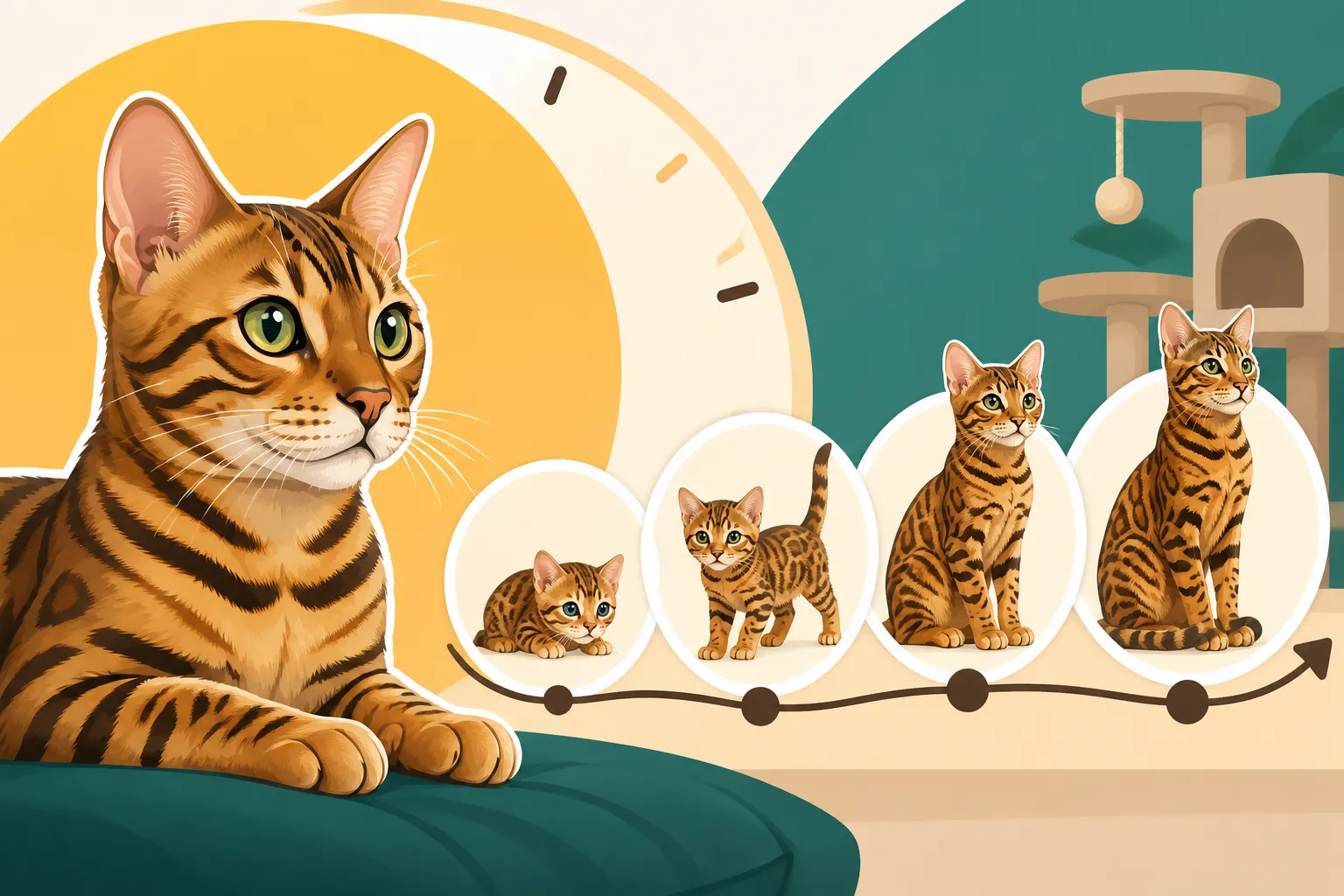
Kittenhood (0-12 Months) – The Apex of Mayhem
This is often the period that prompts the most frantic searches for "when do Bengal cats calm down?" Bengal kittens are, in a word, intense. From about eight weeks when they typically come home, until their first birthday, they are a whirlwind of activity. Their little bodies are rapidly growing, and their brains are soaking up every new experience.
During these months, you'll see peak "zoomies" – those sudden, frantic bursts of energy where they race through the house, climb curtains, and launch themselves off furniture. Their play can be relentless, often involving biting, scratching, and pouncing on anything that moves (including your ankles!). They're developing their coordination and testing the limits of their physical abilities. This is also when they might go through what some breeders affectionately call the "fuzzies" stage, where their clear, crisp patterns become obscured by a softer, duller coat, often coinciding with their incredible growth spurts. It's a period of explosive development in every sense. They demand constant interaction, often meowing loudly for attention or to initiate play. They're still learning boundaries, both from their environment and from you.
Adolescence (1-3 Years) – The "Teenage" Years
Just like human teenagers, Bengal cats enter an adolescent phase where they are physically mature but still developing mentally and emotionally. Many owners expect a significant "settling" around their first birthday, only to find their Bengal is still incredibly energetic and perhaps even more prone to testing boundaries. This can be a frustrating time, as the initial novelty of kittenhood wears off, and you're left with a powerful, intelligent, and still very demanding young adult cat.
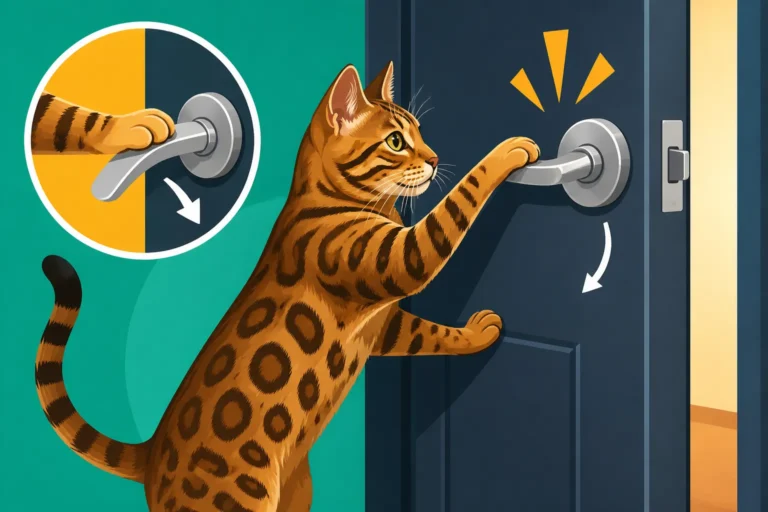
During adolescence, a Bengal might become even more insistent in their demands for play and attention. They might perfect their skills at opening cabinets, climbing new heights, and finding creative ways to get into mischief. Hormones play a significant role here, and if your Bengal isn't spayed or neutered, you might see behaviors like spraying, increased vocalization, or intense territoriality. Whether Neutering Quiets a Bengal Cat can certainly help with some of these hormonally driven behaviors, but it won't magically transform a high-energy cat into a placid one. This phase is crucial for reinforcing training, continuing with consistent play, and providing ample mental and physical stimulation to prevent destructive habits from becoming ingrained. Don't be surprised if they're still pushing boundaries and exploring every nook and cranny with fervor.
Young Adulthood (3-6 Years) – The Peak of Graceful Activity
This is typically the age range where most Bengal owners report the most noticeable shift in their cat's energy and behavior. By three years old, and often more pronounced by five or six, a Bengal cat enters its prime young adult years. While still incredibly active and playful, the frantic, often chaotic energy of kittenhood and adolescence usually begins to temper.
What you'll observe isn't a reduction in energy so much as a refinement. Their movements become more graceful, less clumsy. They're still capable of incredible leaps and daring climbs, but they might think twice before knocking over every single item on the shelf. Their play sessions might become slightly less frequent, or you might find them more content with structured play sessions rather than demanding constant attention. They might initiate play less often, but when they do, or when you engage them, they are just as enthusiastic as ever. This is the age where their personalities really solidify, and they become truly magnificent, confident, and perhaps a touch more discerning companions. They've learned the rules (mostly!), and while they'll still challenge them, it's often with a mischievous glint in their eye rather than pure, unadulterated kitten chaos.
Factors Influencing a Bengal's Activity Levels
While genetics set the baseline for a Bengal's energy, several environmental and social factors can significantly influence how quickly and effectively they "settle" into a more predictable routine.
The Role of Enrichment and Environment
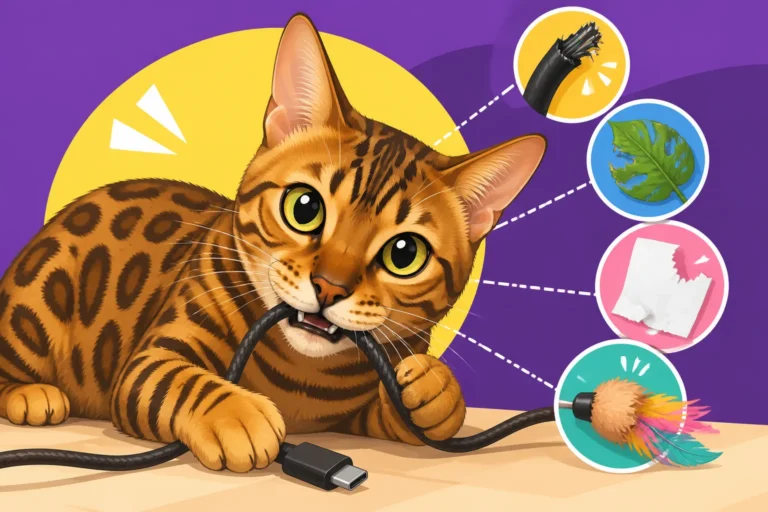
A Bengal cat thrives on stimulation. Without adequate outlets for their intelligence and physical energy, they won't settle; they'll become bored, frustrated, and potentially destructive. Think of your home as their jungle gym and hunting ground. Providing a rich environment is paramount.
This means:
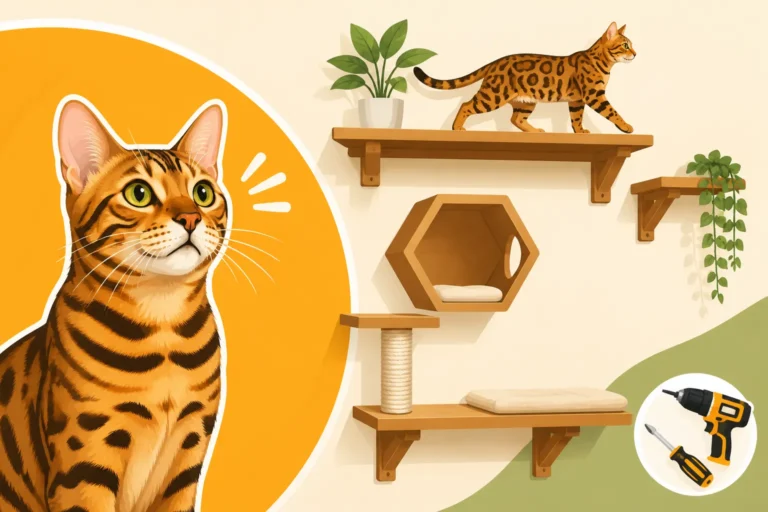
- Vertical Space: Tall cat trees are not optional; they are a necessity. Shelves mounted on walls, cat hammocks, and window perches allow them to climb, observe, and feel secure from a height. How Much Vertical Space a Bengal Cat Needs is often far more than owners realize.
- Interactive Toys: Puzzle feeders are excellent for mental stimulation, making them "work" for their food. Wand toys are fantastic for simulating prey and engaging their hunting instincts. On Amazon, you can find a huge variety of these designed to challenge clever cats. Be prepared for your Bengal to destroy Which Wand Toy a Bengal Cat Destroys Fastest quickly, so investing in durable options is wise.
- Catios: An outdoor enclosure, or "catio," is perhaps one of the best investments for a Bengal. It provides safe access to the outdoors, fresh air, and new sights and smells, which are incredibly stimulating. Why a Catio Is the Answer to a Bengal Cat is because it fulfills so many of their innate desires without the dangers of free-roaming.
- Regular Play Sessions: You need to commit to active, engaging play for at least 30-60 minutes a day, broken into several sessions. This isn't just waving a feather on a stick; it's about making them stalk, pounce, chase, and "kill" their prey.
A Bengal who is consistently under-stimulated will likely remain "unsettled" for much longer, exhibiting behaviors like excessive vocalization, destructive scratching, or even aggression, simply because they have nowhere else to direct their immense drive.
Socialization and Companionship
Bengal cats are highly social animals, often preferring to be near their human companions. However, the type and amount of social interaction they receive can also impact their settling process.
- Human Interaction: Consistent, positive interaction from their human family helps a Bengal feel secure and integrated. They thrive on routine and knowing what to expect from you. Structured play sessions are vital, but so is simply spending time with them, even if it's just quiet co-existence.
- Another Cat: For some Bengals, especially those left alone for long periods, a companion cat can be incredibly beneficial. Another active, playful cat can help burn off excess energy and provide mental stimulation. Often, Whether Two Bengal Cats Tire Each Other Out is a resounding yes, though it’s important to choose a compatible playmate. However, two Bengals can also mean double the fun and double the mischief if not adequately enriched!
- Introduction to Other Pets: Bengals can generally coexist well with cat-friendly dogs or other well-socialized cats, but their high prey drive means small pets like hamsters or birds are usually not safe companions.
Health and Diet
A Bengal's physical health and diet also play a role in their energy levels, though not in the "settling" sense. A healthy, well-nourished Bengal will naturally have higher energy.
- Nutrition: Given their activity levels, Bengals need a high-quality, protein-rich diet to fuel their lean muscle mass and sustained energy. A poor diet can lead to lethargy or, paradoxically, hyperactive behavior due to nutritional imbalances. What a Healthy Bengal Cat Weighs is typically lean and muscular, not plump, and their diet should reflect this.
- Veterinary Care: Regular vet check-ups are essential to rule out any underlying health issues that might affect their behavior. An uncomfortable or unwell cat might seem less active, but this is not true "settling" and requires veterinary attention. Conversely, certain conditions could make a cat appear more agitated.
What "Settled" Truly Means for a Bengal Owner
So, if a Bengal cat never truly becomes a couch potato, what exactly does "settled" look like for this breed? It’s about a nuanced understanding and a shift in perspective.
Redefining Expectations
For a Bengal owner, "settled" doesn't mean quiet. It doesn't mean lazy. It means a cat who has matured into its adult personality, harnessing its formidable energy and intelligence in more predictable and less destructive ways. You'll still have an incredibly active, curious, and often vocal cat, but one who is better at self-regulating and understanding boundaries.
Imagine a highly intelligent, athletic person. They don't stop being intelligent or athletic as they age; they simply become more focused, perhaps more strategic in their pursuits. This is your Bengal. They might still climb to the highest point in your home, but they're less likely to do it by knocking over a vase on the way. They'll engage in intense play, but it might be on a schedule rather than an incessant demand at 3 AM. Their vocalizations might be less frantic yowls and more distinct chirps and trills that communicate specific desires.
Embracing the Lifelong Activity
A truly "settled" Bengal is a confident, graceful, and intelligent companion who remains intensely playful and curious throughout their life. Many Bengals will retain a kitten-like playfulness well into their senior years. The Age a Bengal Cat Is Considered Senior is typically around 10 years old, but even then, many continue to be surprisingly active. My own older Bengals still love a good wand toy session and will chase a laser pointer with youthful enthusiasm, albeit perhaps with slightly less explosive speed.
They might spend more time observing, perched high on a cat tree, rather than constantly tearing through the house. They will still demand your attention and interaction, but it will be a more refined interaction, often initiating play with a nudge of their head or a specific chirrup rather than a full-on attack on your feet.
Practical Adjustments for a "Settled" Bengal
Even a "settled" Bengal requires ongoing commitment to their unique needs. This isn't a breed you can bring home and expect to entertain itself or simply adapt to a quiet, uneventful life.
- Continued Mental Stimulation: Puzzle feeders remain valuable. Rotating toys keeps them interested. Consider new challenges or teaching new tricks (they are very trainable!). You can find a huge range of brain-stimulating toys for cats on Amazon.
- Regular Play Sessions: While the frequency might decrease slightly from kittenhood, the intensity and engagement of play sessions should not. These dedicated times with you are crucial for their physical and emotional well-being.
- Home Safety: Even mature Bengals can be mischievous. Keep valuable or dangerous items secured. Child locks on cabinets, especially those with food or cleaning supplies, are often a necessity for life with a Bengal. Don't assume that because they're older, they've forgotten how to open doors or raid the pantry.
- Social Connection: Continue to include your Bengal in family life. They thrive on being part of the action, observing, and occasionally participating.
Ultimately, a Bengal cat "settles" into being the best, most refined version of its high-energy, wild-looking self. It’s a journey of mutual learning and adjustment, and one that promises years of incredible companionship, fascination, and never a dull moment.
| Developmental Stage | Typical Age Range | Energy Level & Behavior | Key Considerations for Owners |
|---|---|---|---|
| Kittenhood | 0-12 Months | Extreme; frantic play, exploration, testing boundaries, high vocalization. | Constant supervision, intense play, structured environment, early training. |
| Adolescence | 1-3 Years | Very High; persistent energy, boundary pushing, developing problem-solving skills, hormonal behaviors (if not altered). | Consistent training, continued enrichment, spay/neuter, patience. |
| Young Adulthood | 3-6 Years | High, but refined; more graceful movements, focused play, better self-regulation, confident demeanor. | Maintain enrichment, regular play, social interaction, enjoy their peak. |
| Mature Adult | 6-10+ Years | Moderately High; still playful and curious, enjoys observing, less frantic. | Continue mental and physical stimulation, watch for age-related changes, adapt play. |
Disclaimer
This article is for general informational purposes only and does not constitute professional advice. Laws, prices and regulations vary by location and change over time. Consult a qualified professional for guidance on your specific situation.