Whether a Bengal Cat Kitten Is Worse Than an Adult
It's a question many prospective Bengal cat owners ponder: will a Bengal kitten be an absolute terror, or does their infamous energy only fully manifest in adulthood? The truth is, while Bengal kittens are undeniably a whirlwind of spirited fun, understanding their developmental stages and inherent breed traits is key to managing expectations and setting them up for success. This guide will help you understand the differences and similarities in behavior between Bengal kittens and adult Bengal cats, so you're truly prepared for the magnificent creature you're bringing into your home.
The Energetic Whirlwind: Kitten vs. Adult Bengal Play
Let's be real, no one expects a Bengal cat to be a couch potato, but the sheer velocity of a Bengal kitten can sometimes catch new owners off guard. It's a different kind of energy, one that matures and refines over time.
Kitten's Boundless Energy: Learning the Ropes (and Climbing Them)
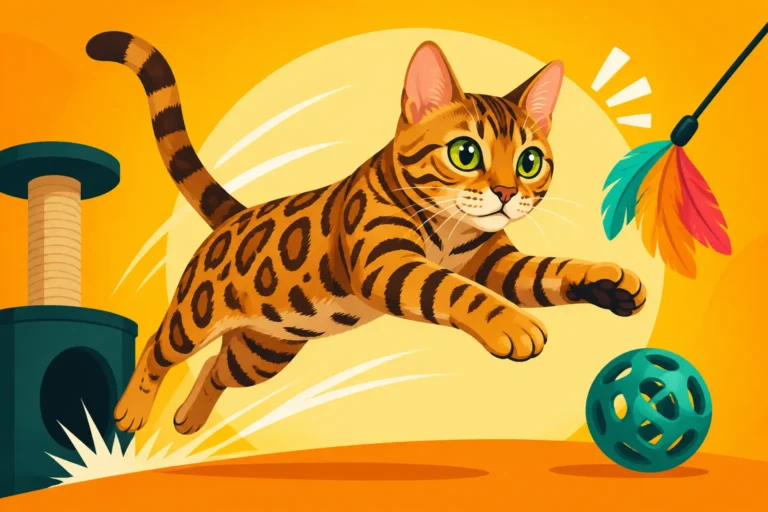
Bengal kittens are like tiny, furry rockets fueled by curiosity and an insatiable need to explore. They have an incredible amount of energy, and they use it all. They're constantly pouncing, chasing, climbing, and investigating every nook and cranny. This isn't just playful exuberance; it's how they learn about their world, develop their coordination, and burn off steam. You'll see them perform gravity-defying leaps off furniture, scale curtains with alarming speed, and turn any small object into a thrilling hunt. Their play can seem almost chaotic, a flurry of motion that doesn't always have a clear focus beyond "move, move, move!"
During this stage, their intensity can feel overwhelming because it's so unfocused. They're learning what their body can do, and often, what your household items can endure. This is the time when cheap toys meet their swift demise, and anything left within reach is fair game for a batting, pouncing, or chewing session. It's not malicious, it's just pure, unadulterated kitten energy meeting a world full of exciting, yet fragile, possibilities. You might find yourself exhausted just watching them, wondering if this pace will ever slow down. Understanding How Much Exercise a Bengal Cat Needs a Day is crucial even in kittenhood to channel this energy constructively.
Adult Bengal: Focused Play with Purpose
As a Bengal cat matures, usually around one to two years old, their energy doesn't disappear, but it does become more refined and purposeful. Instead of constant, scattered bursts of activity, an adult Bengal often engages in more focused, intense play sessions. They still need ample exercise and mental stimulation – don't get me wrong, they're still incredibly active! – but they might choose to spend 20-30 minutes relentlessly chasing a wand toy, or engaging with a puzzle feeder, rather than simply running laps around the living room for hours on end.
Their hunts become more strategic, their climbs more deliberate. An adult Bengal knows exactly what they're aiming for when they jump to the top of the bookshelf. They've mastered their agility and are often more capable of self-directed play if provided with the right environment and enrichment. This shift can feel less "worse" than kittenhood because the chaos is often replaced by a more predictable, albeit still high-octane, routine. You'll find that while they still demand interaction and play, it's often easier to satisfy their needs with structured sessions and appropriate toys found on sites like Amazon, rather than constantly trying to keep up with a little furry blur. You'll likely notice How Much a Bengal Cat Calms Down With Age, but "calm" is still a relative term for this breed!
Molding the Wild Side: Training and Behavior Development
Both Bengal kittens and adults are highly intelligent and trainable, but the approach and immediate results can differ significantly due to their developmental stage.
Kittenhood: The Prime Time for Learning Boundaries
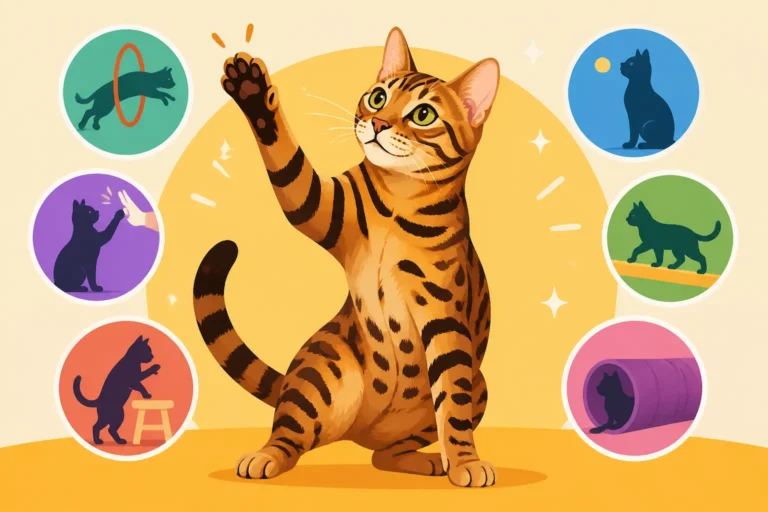
Kittenhood is a critical window for shaping a Bengal's behavior. Their minds are like sponges, soaking up every interaction, every boundary (or lack thereof), and every lesson you impart. This is the best time to start introducing them to harnesses, beginning How Young to Start Leash Training a Bengal Cat, and teaching them basic commands like "sit" or "come." They are often more receptive and less set in their ways. However, their short attention spans and overwhelming curiosity mean you'll need incredible patience and consistency. They might learn quickly, but they'll also test boundaries relentlessly.
This is where many owners might feel a Bengal kitten is "worse" – they're constantly pushing limits. They bite more in play (often a learning phase to understand bite inhibition), they're more likely to explore forbidden zones, and their vocalizations can be surprisingly demanding as they learn to communicate their needs. It's a phase that requires firm but gentle guidance, positive reinforcement, and a deep understanding that they're still developing their understanding of the world and their place in it. Investing time in training during these formative months pays dividends for years to come.
Adult Bengal: Maintaining Habits and Addressing Lingering Issues
An adult Bengal, if properly socialized and trained as a kitten, will likely be a well-mannered (for a Bengal!) and responsive companion. They understand household rules and routines. Training at this stage often focuses on maintaining good habits, refining tricks, or introducing new enrichment activities. Their longer attention spans can make them a joy to train, capable of learning complex sequences or engaging in interactive games. However, if an adult Bengal wasn't given consistent training as a kitten, you might find yourself addressing ingrained behaviors that are much harder to shift. For instance, an adult who was allowed to counter-surf as a kitten will be much more challenging to retrain than a kitten who learned early that counters are off-limits.
Adult Bengals are incredibly clever, and How Intelligent a Bengal Cat Is means they'll quickly understand what you want, but if a habit has been established, breaking it requires even more dedication and creative solutions. They might be less inclined to spontaneous, destructive exploration, but they are masters of strategic mischief if bored or under-stimulated. Their vocalizations may also become more varied and demanding if they've learned that a persistent meow gets results.
Here's a quick comparison of kitten vs. adult challenges:
| Feature | Bengal Kitten (Approx. 0-1 Year) | Adult Bengal (Approx. 1+ Year) |
|---|---|---|
| Energy Level | Explosive, unfocused bursts; constant exploration. | High, but more focused and purposeful play sessions. |
| Mischief | Driven by curiosity; chewing, climbing, unrefined exploration. | Driven by boredom or established habit; strategic, sophisticated mischief. |
| Trainability | Highly impressionable; short attention span; requires immense consistency. | Responds well to ongoing training; can learn complex tasks; may need to unlearn old habits. |
| Vocalization | Learning to communicate; can be demanding or exploratory. | Often developed specific vocal patterns; can be highly communicative or persistent. |
| Destruction | Accidental due to exuberance and lack of boundaries. | Intentional if needs aren't met; targeted "problem solving." |
| Social Needs | Intense need for interaction and socialization. | Still highly social, but more independent periods are possible. |
Potential for Mischief: Damage Control and Enrichment Needs
Both Bengal kittens and adults have the potential for mischief, but the nature of that mischief and how you manage it shifts with age.
Kitten Chaos: Exploring the World with Paws and Teeth
A Bengal kitten sees your home as an endless playground and a sensory wonderland. Everything needs to be sniffed, batted, pounced on, and often, chewed. This phase can feel "worse" because the damage is often unpredictable and widespread. They might shred toilet paper, pull plants off shelves, or unravel your favorite knitted blanket. Their curiosity knows no bounds, and their small size allows them to squeeze into places you never thought possible. This is the stage where you discover your cabinet doors don't quite latch, or that tiny gap behind the dishwasher is a new adventure waiting to happen.
To mitigate this, kitten-proofing your home is paramount. Think child locks for cabinets (many excellent options available on Amazon), securing breakables, and providing a plethora of appropriate outlets for their energy. If you don't provide proper scratching posts, your furniture will suffer, as discussed in How to Protect Furniture From a Bengal Cat. This early mischief is primarily about exploration and learning what's safe and what's not, what yields an interesting texture, and what moves when batted. It's a busy, sometimes frustrating, time, but it's essential for their development.
Adult Sophistication: Smart Destruction or Satisfied Companion?
An adult Bengal, especially one lacking adequate enrichment, can exhibit more "intelligent" forms of mischief. Instead of indiscriminately shredding things, they might target specific items to get your attention or alleviate boredom. This could mean knocking down a particular picture frame every day until you play with them, or systematically dismantling a complex puzzle toy. They're also masters of figuring out how to open doors, cabinets, and even the refrigerator. You might suddenly find your entire pantry ransacked, not by a curious kitten, but by a calculating adult who figured out the latch system. If you want to avoid dealing with What a Bored Bengal Cat Destroys, you need to be proactive.
The destructive potential of an adult Bengal isn't necessarily "worse," but it's certainly more sophisticated. They're less likely to simply chew on something because it's there; they'll chew on it because it serves a purpose, like getting to a treat or simply making noise. This means your approach to enrichment needs to evolve. Providing challenging puzzle feeders, regular interactive play with wand toys, and vertical climbing spaces are vital. Think about investing in a sturdy cat wheel or building a catio to provide an outlet for their boundless energy and intelligence, truly embracing How Much Enrichment a Bengal Cat Actually Needs. Without these outlets, their cleverness can be channeled into making your life (and your home) a little more chaotic.
Long-Term Commitment: Understanding the Bengal Journey
Ultimately, comparing a Bengal kitten to an adult isn't about which is "worse," but rather understanding the different phases of a very unique and demanding breed. Both stages require dedication, patience, and a deep understanding of their needs.
The Patience Payoff: Watching Your Kitten Mature
Living with a Bengal kitten can feel like a full-time job. The constant supervision, the boundless energy, the persistent boundary-testing – it's a lot. You might look at your shredded curtains or a knocked-over plant and wonder if you've made a terrible mistake. But this intense period is also when you forge an incredibly strong bond. You're teaching them, guiding them, and helping them grow into magnificent, well-adjusted companions. The "payoff" comes as they mature. The raw, untamed energy begins to coalesce into graceful movements, their insistent chirps become more nuanced communications, and their mischievous explorations transform into intelligent interactions.
Seeing your kitten develop from a chaotic bundle of energy into a sleek, powerful, and affectionate adult is incredibly rewarding. The challenges of kittenhood are part of the journey, shaping both your Bengal and your relationship with them. This is the time to embrace the training and socialization, knowing that the efforts you put in now will lead to a happier, more harmonious life together. You'll also learn the importance of things like How to Keep a Bengal Cat Off the Counter from a very young age!
Embracing the Full Bengal Experience
An adult Bengal cat, while still incredibly active and intelligent, offers a different kind of companionship. They often settle into routines, their personalities are fully developed, and they can be incredibly loyal and interactive. Their need for stimulation doesn't wane, but you'll have a better understanding of how to meet it. You'll know their favorite toys (likely from Amazon, purchased after the last ones were destroyed), their preferred play schedule, and the specific sounds they make to demand attention. They might still get into mischief, but by then, you'll be a seasoned Bengal owner, ready to outsmart them or simply laugh at their antics.
The idea of "worse" or "better" is highly subjective. For some, the sheer exuberance and formative development of a kitten is a joy to experience, despite the challenges. For others, the more refined, albeit still energetic, companionship of an adult Bengal is preferable. What's clear is that both stages require an owner who is prepared for a cat that is far from ordinary. This breed demands engagement, mental and physical enrichment, and a household that can withstand its unique personality. If you're ready for that, whether it's a kitten or an adult, a Bengal will enrich your life in ways you never imagined.
Disclaimer
This article is for general informational purposes only and does not constitute professional advice. Laws, prices and regulations vary by location and change over time. Consult a qualified professional for guidance on your specific situation.