Whether Two Bengal Cats Tire Each Other Out
The sheer, boundless energy of a Bengal cat can sometimes feel like trying to contain a tiny, spotted hurricane in your living room. Many of us, myself included, have pondered whether bringing another equally energetic feline into the mix might just be the secret to finally having a moment of peace, hoping they'll just tire each other out. This guide dives deep into that very question, exploring the realities, benefits, and challenges of a multi-Bengal household and what it truly means for their activity levels.
The Relentless Energy of a Single Bengal Cat
Let's be honest, living with a Bengal cat means living with a cat that doesn't just walk, it prowls. It doesn't just sit, it perches. And it certainly doesn't just play for a few minutes and then nap the day away like some other breeds might. These cats are built for action, and their internal engines seem to run on pure, unadulterated zeal.
The Unending Play Drive
If you've ever watched a Bengal kitten, you know the drill: zoomies from dawn till dusk, interrupted only by quick power naps and meal breaks. This intense play drive doesn't really wane much as they grow up, either. They're constantly seeking engagement, stimulation, and an outlet for their incredible athleticism. Think of it as having a furry, four-legged athlete in your home, one that expects daily training sessions. They love chasing, pouncing, climbing, and exploring. A simple feather wand can become the most exciting prey in the world, and they'll stalk it with the focus of a true hunter. This isn't just a quirk; it's a fundamental part of The Bengal Cat Is the Most Active Cat You Can Own. They need those regular bursts of activity to stay happy and healthy.
Signs of a Bored Bengal Cat
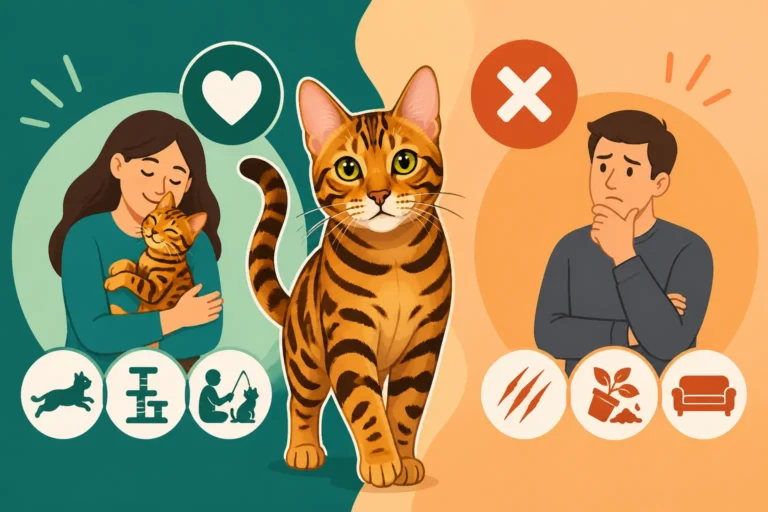
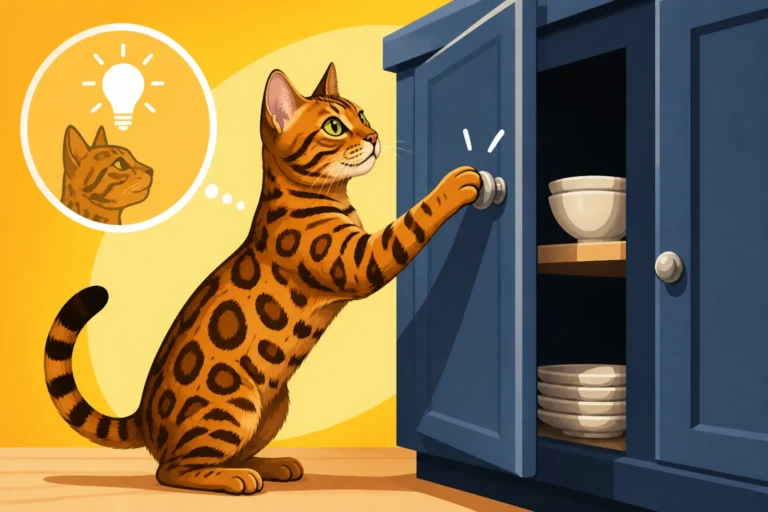
When that intense play drive isn't met, you quickly start to see the cracks. A bored Bengal isn't just a sad Bengal; it's often a mischievous, destructive, and sometimes loud Bengal. They might start "redecorating" your home by pulling things off shelves, shredding toilet paper rolls, or attempting to dismantle furniture. I've heard countless stories of Bengals opening cabinets, drawers, and even doors, driven by an insatiable curiosity and a need for mental and physical stimulation. They'll scale curtains, investigate every nook and cranny, and if they can't find an appropriate outlet for their energy, they'll invent one – usually to your detriment. A cat that's pacing, yowling excessively, or constantly seeking attention (often by being a nuisance) is likely telling you, in no uncertain terms, "I am bored! Entertain me!" These are clear Signs a Bengal Cat Is Bored.
The Owner's Exhaustion: A Real Problem
For many Bengal owners, the desire for a second cat isn't just about fun; it's about sheer survival. You work all day, come home, and your Bengal is ready to go, full throttle. You might spend an hour or two with wand toys, laser pointers, and puzzle feeders, only to find them staring at you expectately, ready for round two, sometimes even round three. This relentless demand for interaction can be genuinely exhausting. It's not just physical play either; their intelligent minds require constant problem-solving and engagement. You might wonder, "How many hours a day a Bengal Cat Plays?" and the answer often feels like "all of them." It's a testament to their incredible vitality, but it also means owners often feel stretched thin trying to keep up. The thought of another equally energetic cat taking some of that burden off your shoulders becomes incredibly appealing.
Introducing a Second Bengal: The Hope and the Reality
So, you're contemplating bringing a second Bengal into your life, hoping for a tag-team effort in the energy department. It's a common aspiration among Bengal owners, and for good reason. The vision of two sleek, spotted beauties wrestling and chasing each other, leaving you free to enjoy your coffee in peace, is certainly tempting.
Initial Dynamics: Companionship vs. Competition
When you introduce a second Bengal, the initial dynamic can be a mixed bag. Some cats immediately hit it off, engaging in enthusiastic play from day one. Others might view the newcomer as a competitor for resources, space, or your attention. The key here is a slow, careful introduction, allowing them to acclimate to each other's scents and presence before direct interaction. A good introduction strategy, where they meet through a screen door or separate rooms first, can make all the difference. While the hope is for companionship, there can definitely be an element of competition for that coveted playtime with you or access to prime climbing spots. However, once established, many Bengal pairs do develop a strong bond, often engaging in fierce, exhilarating play sessions that truly tap into their wild instincts. This often helps address the question of Whether a Bengal Cat Accepts a Second Cat.
The "Tiring Out" Effect: What to Expect
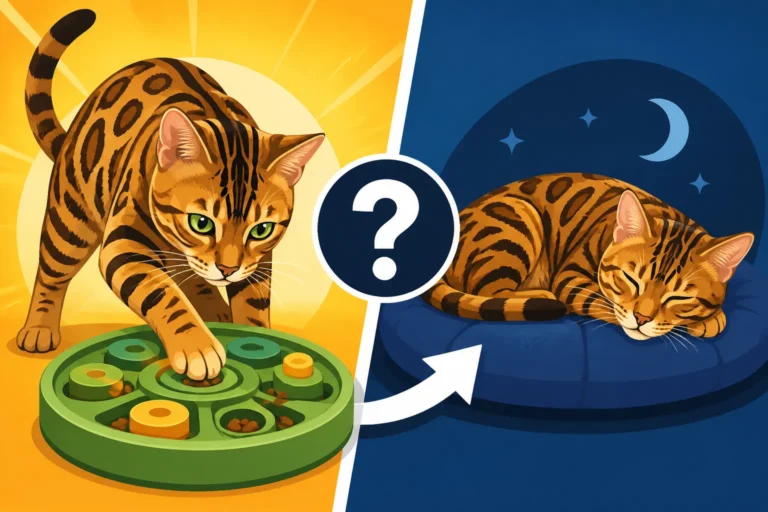
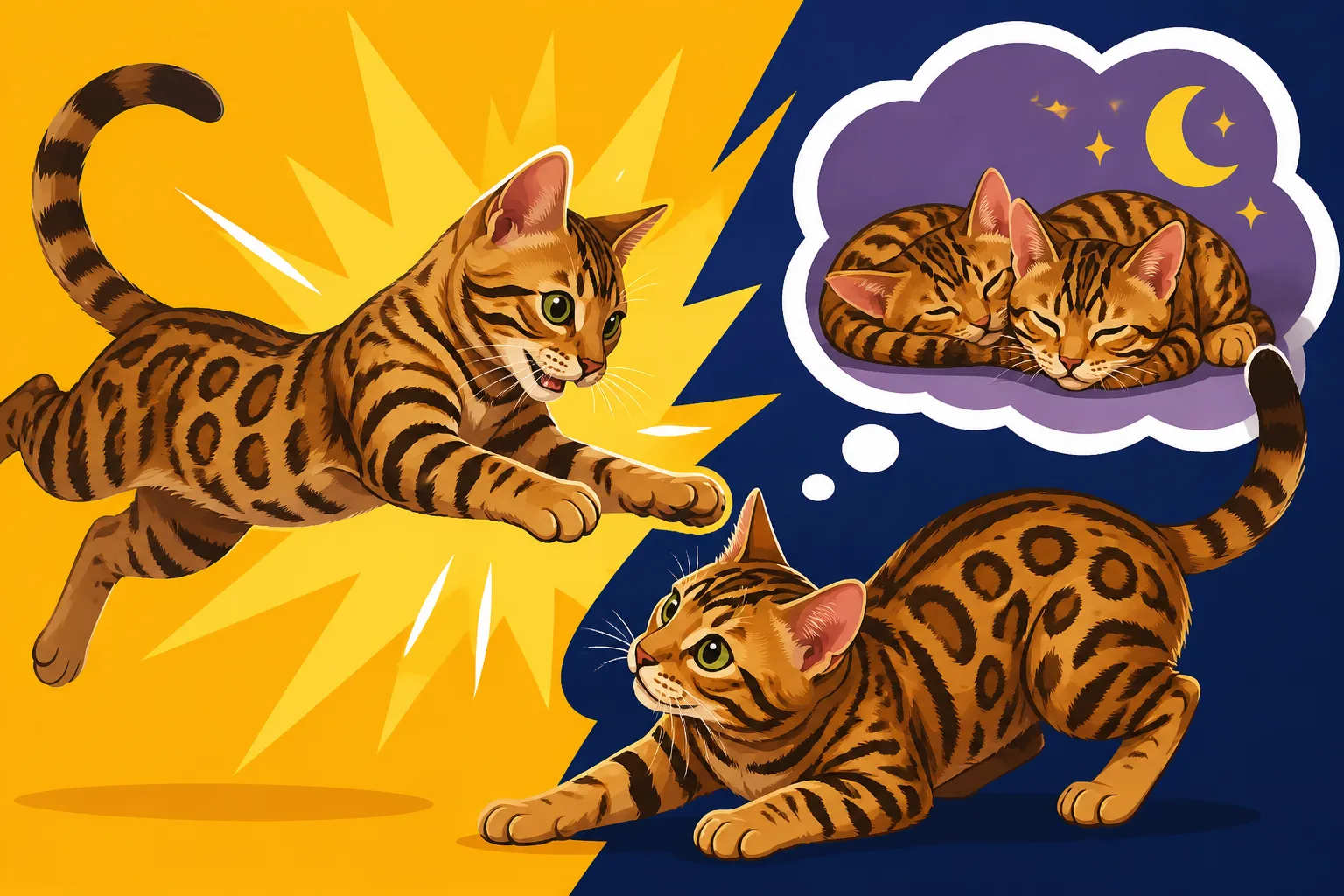
Does a second Bengal truly "tire out" the first one? The answer is often a resounding yes, but with an important caveat: it's not a complete hands-off solution. When you have two Bengals who genuinely enjoy each other's company and are well-matched in terms of play style, they will absolutely engage in incredible, high-energy sessions. They'll chase each other up and down cat trees, wrestle on the floor, and dart through tunnels for impressive lengths of time. These interactions provide immense physical and mental stimulation that a solo cat simply can't get to the same extent. You'll likely see less boredom-induced mischief and more contented napping after a vigorous play session with their sibling. This mutual engagement significantly reduces the burden on you to be the sole source of entertainment for hours on end. They'll often continue playing long after a human would have thrown in the towel.
When Two Bengals Don't Quite 'Solve' Everything
However, it's crucial to understand that even two Bengals won't completely eliminate your role in their enrichment. They still crave human interaction and structured play. While they might wear each other out, they still look to you for puzzle toys, training sessions, and those beloved wand toy games. Think of it like a pair of human siblings: they can play together for hours, but they still want Mom or Dad to join in sometimes, read them a story, or take them to the park. The same applies to Bengals. A pair will often play with each other but then together demand attention from you. For example, my two Bengals, despite their epic wrestling matches, will still collaborate to try and open the pantry door, or both bring me a toy, one dropping it at my feet while the other scales my leg to demand I throw it. So, while they'll certainly expend a lot of energy on each other, you're still an integral part of their daily routine. Moreover, if personalities clash, or one cat is much more dominant or submissive, the "tiring out" effect might not be as pronounced, leading to one cat being stressed and the other still demanding your full attention.
Maximizing the Mutual Play Potential
If you decide to embark on the exciting journey of a multi-Bengal household, there are definitely strategies you can employ to ensure both cats thrive and truly benefit from each other's presence. It's all about creating an environment that fosters positive interaction and allows their natural play instincts to flourish safely.
Providing Ample Space and Resources
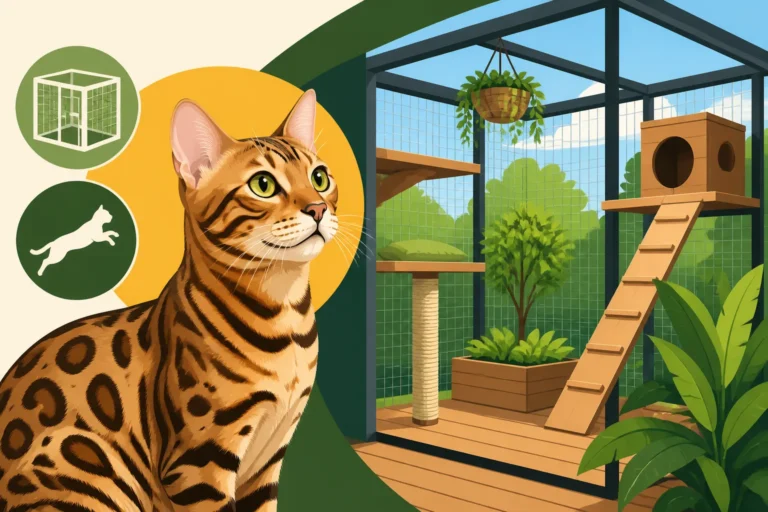
One of the biggest mistakes people make when getting a second cat is not scaling up their resources. Two Bengals mean double the needs, especially when it comes to space for their high-flying antics. You'll need more than just one modest cat tree. Think vertical: wall-mounted shelves, tall cat trees, and even a What Size Catio a Bengal Cat Needs can provide essential territory and climbing opportunities. I've found great options for sturdy, multi-level cat trees on Amazon, which can really make a difference. Each cat should ideally have their own 'safe' spaces or perches where they can retreat if they need alone time. This reduces potential friction and stress. Similarly, you'll need multiple litter boxes (the general rule is one per cat plus one extra), multiple feeding stations, and a generous supply of toys. A bored cat who feels like they have to fight for resources is more likely to develop behavioral issues.
Encouraging Positive Interactions
While Bengals often take to play naturally, you can still encourage positive interactions. Keep a variety of toys available that cater to different play styles – some for solo batting, others for chasing and wrestling. Interactive toys, like those from Amazon that dispense treats, can engage both of them simultaneously. Schedule regular, joint play sessions with wand toys, ensuring each cat gets a turn at being the "hunter." This helps reinforce that playtime with you is a shared, positive experience. Don't underestimate the power of positive reinforcement; praise and treats when they're playing nicely together can go a long way. Creating a stimulating environment with things like Which Cat Wheel Size a Bengal Cat Needs can also encourage them to burn off energy side-by-side, even if they're not directly wrestling.
| Factor | Single Bengal | Two Bengals (well-matched) |
|---|---|---|
| Primary Playmate | Owner/Human | Each other, plus owner/human |
| Energy Output | Requires constant owner engagement | Significant self-directed play, reduced owner burden |
| Boredom Risk | High if owner cannot keep up | Lower, as they often entertain each other |
| Space Needs | Ample vertical and horizontal space | Double the space, multiple resources |
| Stimulation | Solely reliant on owner for most stimulation | Mutual stimulation, diverse play dynamics |
| Owner Involvement | High, often exhausting | Still present, but more manageable |
Still Need to Be Involved: Beyond Self-Sufficiency
It's vital to remember that even with two Bengals, you're not off the hook. They may tire each other out physically, but they still need your unique brand of love and enrichment. This includes individual cuddle time, training sessions (Bengals are remarkably clever and love to learn tricks), and one-on-one play. While How Many Play Sessions a Bengal Cat Needs might decrease in frequency for you personally, the total amount of play in the household will likely increase. This isn't just about burning calories; it's about strengthening your bond, providing mental stimulation that only a human can offer, and ensuring they feel secure and loved. Think of your role as a facilitator and participant, rather than just a sole entertainer. They might wear each other out, but they won't replace you.
Considerations Before Getting a Second Bengal
While the idea of two Bengals keeping each other busy is wonderfully appealing, it's not a decision to be taken lightly. Doubling your feline family means doubling certain responsibilities and considerations, far beyond just the initial excitement.
Financial and Time Commitments Double
This is perhaps the most practical, yet often underestimated, aspect. Two Bengals mean twice the food, twice the litter, twice the veterinary check-ups, and potentially twice the cost of specialized items like cat wheels or outdoor enclosures. If one cat develops a health issue, you could be looking at significant bills. For example, What a Bengal Cat's Echo Costs for one cat is already an investment; imagine that needing to be done for two. And while they might entertain each other, they still require your time for feeding, cleaning, grooming, and individual attention. If you struggled to find enough time for one high-energy Bengal, ensure you truly have the capacity for two before committing. It's a long-term commitment, potentially Fifteen Years of a Bengal Cat, Priced Out, for each cat.
Personality Matches and Introductions
The success of a multi-Bengal household largely hinges on personality compatibility. Not all cats, even from the same breed, will get along. Some Bengals are more dominant, others more timid. Some are relentless players, while others prefer more relaxed interactions. Trying to force two incompatible personalities together can lead to stress, fighting, and ongoing behavioral problems for both cats. A slow, careful introduction process, as mentioned before, is paramount. You need to read their body language and be prepared to take things slowly, sometimes over several weeks or even months. Resources like How to Introduce a Bengal Cat to a Resident Cat can be invaluable. If a breeder is involved, they might be able to offer insights into the temperaments of specific kittens, helping you choose a good match.
The Long-Term Vision for Multi-Bengal Households
Envisioning your life with two Bengals means thinking years down the line. How will their dynamic change as they age? Will their play styles remain compatible? Will you be able to manage two high-energy seniors someday? While they may tire each other out now, circumstances can change. One might develop a health condition that limits their play, leaving the other still bursting with energy. The goal should always be to provide a rich, fulfilling life for both animals. While two Bengals can indeed provide immense companionship and reduce your direct play burden, they also represent a double investment in love, time, and resources. They can absolutely tire each other out and lead to a more harmonious, enriched household, but it's not a magic bullet that removes all owner responsibility.
Disclaimer
This article is for general informational purposes only and does not constitute professional advice. Laws, prices and regulations vary by location and change over time. Consult a qualified professional for guidance on your specific situation.