Whether a Puzzle Feeder Tires a Bengal Cat
Oh, the eternal quest of every Bengal cat owner: "How do I tire this magnificent, relentless ball of energy out?" It's a question I've whispered to myself more times than I can count, usually at 3 AM while my resident leopard-print dynamo is reenacting a jungle hunt across the living room furniture. When you're dealing with a breed so incredibly intelligent and active, the idea of a simple toy making a dent in their boundless vigor can feel like a pipe dream. This guide is going to dive deep into whether puzzle feeders can truly provide the mental workout and physical engagement needed to exhaust a Bengal cat, or if they're just another fleeting distraction.
The Bengal's Boundless Energy and Its Roots in Boredom
Let's be real, owning a Bengal is not for the faint of heart. These aren't your average couch potato kitties. They come hardwired with the instincts of their wild ancestors, the Asian Leopard Cat, which means they possess a sharp mind, incredible athleticism, and an insatiable curiosity that can turn your home into their personal adventure playground. This isn't just about physical activity; it's about constant mental engagement. A bored Bengal is often a destructive Bengal, and trust me, you don't want to find out what creative ways they can find to entertain themselves when left to their own devices.
Why a Bengal Cat Never Seems to Tire
It's not just a feeling; there's a biological basis for it. Bengals have a higher metabolism and a higher baseline energy level compared to many domestic breeds. Their sleek, muscular bodies are built for sprinting, climbing, and hunting, and those instincts don't just disappear because they're living indoors. Without outlets for this innate drive, that energy simply doesn't get used up. Imagine a highly intelligent human being forced to sit in a room with nothing to do all day – they'd find a way to make their own fun, likely not in a way you'd appreciate! For a Bengal, "fun" often involves scaling bookshelves, turning on faucets, or systematically dismantling your possessions. It’s not malicious; it's simply a profound need to do something. Trying to figure out How Much Exercise a Bengal Cat Needs a Day is a common challenge for new owners.
The Destructive Side of an Under-Stimulated Bengal
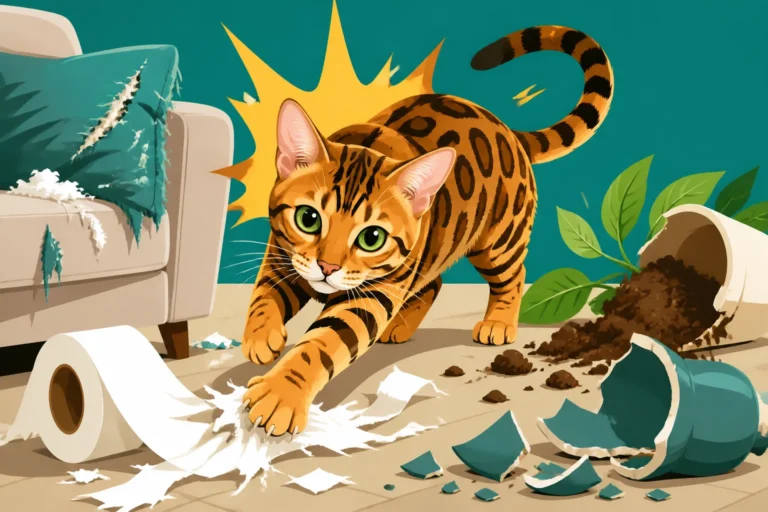
We've all been there, haven't we? You come home to a scene that suggests a small, furry tornado passed through. Maybe your beloved houseplants are decimated, toilet paper rolls are unraveled throughout the house, or you find a collection of your pens and hair ties meticulously drowned in the water bowl. This isn't your Bengal being "naughty"; it's a desperate plea for engagement. When their keen minds aren't challenged, they resort to problem-solving on their own terms, and often, those terms don't align with our household rules. They might resort to What a Bored Bengal Cat Chews, leading to shredded upholstery or gnawed cables. This is why tools like puzzle feeders become so appealing – we're looking for anything that can channel that intensity productively.
Understanding Puzzle Feeders and Their Appeal for Bengals
Puzzle feeders, at their core, are devices designed to make your cat work for their food. Instead of simply eating from a bowl, they have to manipulate the feeder in some way – batting, nudging, rolling, or digging – to release kibble or treats. For a Bengal, this taps into their natural hunting and foraging instincts. It transforms mealtime from a quick gobble into an engaging activity that requires both physical coordination and mental strategy.
Types of Puzzle Feeders and How They Work
There's a fantastic range of puzzle feeders out there, from simple treat balls to complex multi-stage mazes. Each type offers a different level of challenge and engages various feline skills:
- Treat Dispensing Balls/Rollers: These are often the entry point. Cats bat them around, and as they roll, small amounts of kibble or treats fall out. They're great for encouraging movement and provide immediate gratification, which is good for beginners. You can find many popular options like these on Amazon.
- Stationary Mazes/Towers: These feeders require the cat to use their paws to scoop or bat food through a series of obstacles or levels. Some, like a popular Catit feeder, involve layers where the cat has to reach in. These are fantastic for mental engagement and fine motor skill development.
- Digging/Foraging Mats: These use various fabrics, felt, or plastic 'grass' to hide treats, requiring the cat to sniff them out and dig with their paws. They're excellent for simulating foraging behavior and engaging their sense of smell.
- Interactive Boards: These often combine different challenges on one surface – sliders to push, pegs to lift, tunnels to navigate. They require more thought and varied techniques, making them highly stimulating. Think of a pet activity mat with different compartments.
These devices aren't just about food; they're about giving your Bengal a "job" to do. It’s a way to harness their intelligence and energy in a constructive manner, turning a basic need into a game. You can often find a wide variety of these, from beginner to advanced, on Amazon, making it easy to experiment with what your Bengal prefers.
Setting Up a Successful Puzzle Feeder Experience
Introducing a puzzle feeder needs to be done thoughtfully, especially for a Bengal who might get frustrated if it's too hard too quickly. Start simple. Use a feeder with an easy reward mechanism and your cat's favorite, high-value treats or their regular kibble if they're particularly food-motivated. Gradually increase the difficulty as they get the hang of it. Sometimes, just leaving a few pieces of food outside the feeder initially, then guiding them to the mechanism, can help them understand the concept. Remember, the goal is to engage, not frustrate. Finding Which Puzzle Feeder Beats a Bengal Cat can be a fun challenge for both of you!
| Puzzle Feeder Type | Engagement Level (1-5) | Physical Activity | Mental Challenge | Best For |
|---|---|---|---|---|
| Treat Dispensing Ball | 3 | Moderate | Low-Moderate | Beginners, encourages movement |
| Stationary Maze/Tower | 4 | Low-Moderate | Moderate-High | Paw dexterity, problem-solving |
| Foraging Mat | 3 | Low | Moderate | Scent work, natural foraging |
| Interactive Board | 5 | Low-Moderate | High | Advanced, varied skills |
| Slow Feeder Bowl | 2 | Low | Low | Slowing down fast eaters |
Do Puzzle Feeders Actually Exhaust a Bengal Cat?
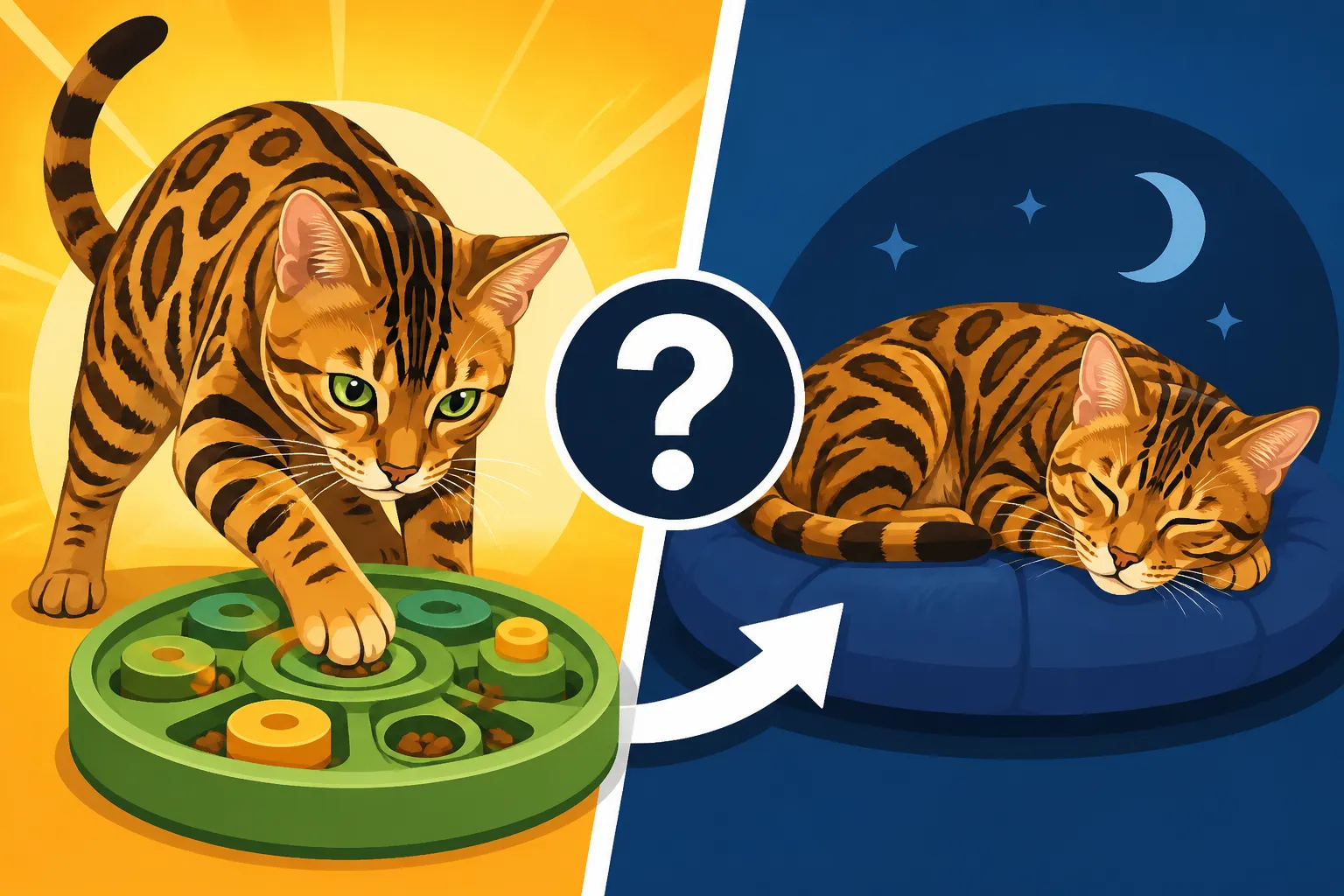
This is the million-dollar question, isn't it? The short answer is: they can contribute significantly to mental exhaustion and some physical activity, but they are rarely a standalone solution for fully tiring out a high-energy Bengal. Think of it like a human doing a crossword puzzle. It's mentally engaging, but it's not going to replace a run or a workout at the gym.
The Mental Workout: How Puzzles Engage the Bengal Brain
Bengals thrive on mental stimulation. Their sharp minds are constantly seeking challenges and new information. A puzzle feeder provides this in spades. The act of figuring out how to get the food out – whether it's batting a ball, digging through fabric, or sliding a cover – is a complex cognitive task for a cat. It requires planning, memory, and spatial reasoning. For a Bengal, this kind of focused, problem-solving activity can be genuinely tiring. When their brains are actively working, they release neurotransmitters that can lead to a sense of accomplishment and, yes, a certain degree of mental fatigue. This is especially important for intelligent breeds like Bengals, who can easily get bored if their minds aren't stimulated. It's a key part of answering How Intelligent a Bengal Cat Is.
The Physical Component: More Than Just Eating
While not a full cardio workout, puzzle feeders do involve physical activity. A treat ball needs to be chased and batted around. A maze feeder requires reaching, scooping, and often standing on hind legs. A foraging mat encourages digging and shuffling. This isn't the same as a vigorous play session with a wand toy that mimics hunting prey, but it's definitely more active than simply crunching kibble from a static bowl. Over the course of a day, if your Bengal is using multiple feeders for multiple meals, this adds up to a meaningful amount of low-impact physical engagement, which burns some of that excess energy. It helps to break up their day, providing mini-bursts of activity rather than just long stretches of boredom punctuated by frantic zoomies.
The Reality: A Piece of the Puzzle, Not the Whole Solution
Here's the honest truth: a puzzle feeder alone won't transform your high-octane Bengal into a sleepy lap cat. It will, however, make a significant positive impact on their overall well-being and energy levels. It can reduce boredom-induced destructive behaviors, slow down fast eaters, and provide vital mental enrichment that contributes to a more content and less frenetic cat. For true exhaustion, particularly physical, you'll still need dedicated play sessions. These are critical for satisfying their prey drive and allowing them to sprint, jump, and stalk. But think of puzzle feeders as an essential daily supplement to that primary workout. They're an excellent way to extend the period of engagement and distribute mental effort throughout the day, rather than in one intense burst.
Maximizing Puzzle Feeder Effectiveness for Your Bengal
So, you're on board with puzzle feeders, but how do you make sure they're not just another ignored gadget in the corner of your living room? Bengals are notoriously clever and can quickly "solve" a puzzle, rendering it less stimulating. The key is variety, challenge, and integration into their daily routine.
Rotation and Increasing Difficulty
One puzzle feeder isn't going to cut it long-term for a Bengal. They'll master it, and then it becomes repetitive. The trick is to have a selection of 3-5 different types of feeders and rotate them regularly. This keeps things fresh and ensures they're always encountering a novel challenge. Furthermore, as your Bengal becomes adept, look for feeders with adjustable difficulty settings or buy increasingly complex ones. You can even create your own DIY puzzles by hiding food in cardboard boxes, toilet paper rolls, or under cups – just make sure they're safe and non-toxic. Constantly pushing their cognitive boundaries is what really makes them work their brains.
Using High-Value Treats and Regular Meals
Don't just reserve puzzle feeders for random treats. Incorporate them into your Bengal's regular meal routine. If they're fed two or three times a day, make at least one or two of those meals come from a puzzle feeder. This ensures consistent engagement. If your Bengal isn't immediately interested, try using some extra-tasty, high-value treats to pique their curiosity. Once they associate the feeder with delicious rewards, they'll be much more motivated to figure it out. Remember, for an active breed, understanding How Many Calories a Bengal Cat Burns is important, so ensure the food in the puzzle feeder contributes to their daily caloric needs.
Placement and Environmental Enrichment
Where you place the puzzle feeder can also influence its effectiveness. Sometimes, scattering multiple feeders in different locations around the house can turn mealtime into a scavenger hunt, adding another layer of mental and physical engagement. Don't forget vertical space too! If you have cat shelves or a cat tree, placing a puzzle feeder on a higher platform can encourage climbing and exploration before they even get to the puzzle itself. Think about creating a stimulating environment overall. A puzzle feeder is just one component of truly enriching your Bengal's life. Consider How Much Enrichment a Bengal Cat Actually Needs as a holistic approach.
Integrating Puzzle Feeders into a Comprehensive Enrichment Plan
As much as we love them, puzzle feeders are only one tool in our arsenal when it comes to keeping a Bengal happy, healthy, and tired in a good way. They shine brightest when they're part of a broader strategy that addresses all facets of a Bengal's unique needs.
Beyond the Bowl: Active Play Sessions are Non-Negotiable
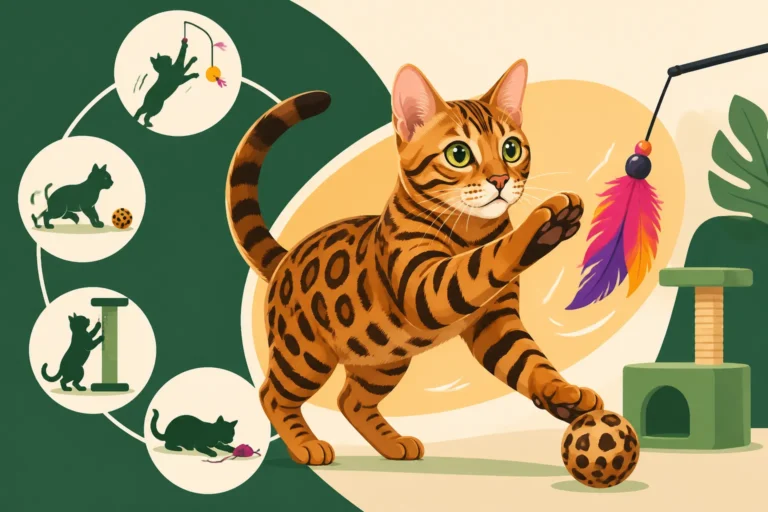
No matter how brilliant a puzzle feeder is, it won't replace active, interactive play with you. Bengals need those dedicated sessions where they can stalk, pounce, and chase a "prey" (like a wand toy or feather teaser). These activities tap into their core hunting instincts in a way that food puzzles simply can't. Aim for at least two to three intense play sessions daily, totaling maybe 30-60 minutes, depending on your cat's age and stamina. This is where they burn off their highest energy levels and truly get that physical exhaustion. You can find some incredibly durable wand toys on Amazon that stand up to the vigorous play of a Bengal.
The Importance of Vertical Space and Climbing Opportunities
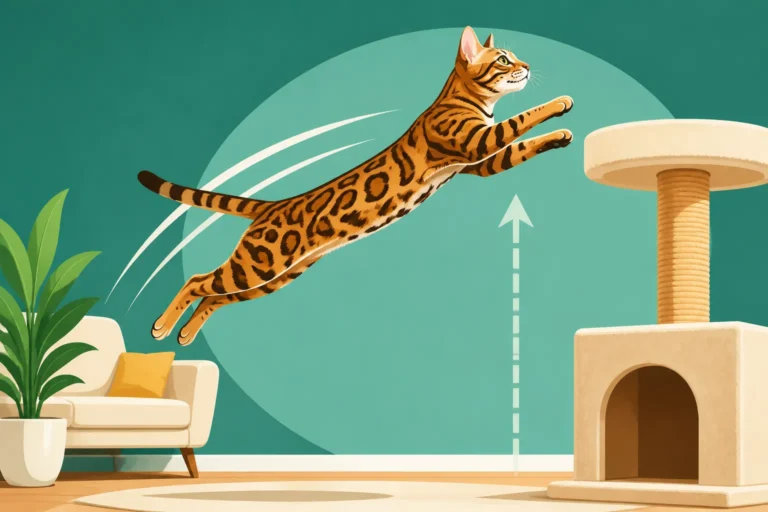
Bengals are arboreal by nature, meaning they love to climb and be high up. Providing ample vertical space is crucial for their mental and physical well-being. Tall cat trees, wall-mounted shelves, and cat "superhighways" give them places to explore, observe, and feel secure. Climbing is a fantastic workout that engages their powerful hind legs and core muscles. A multi-level cat tree can offer different perches for puzzle feeders, too, integrating food acquisition with climbing. This helps to fulfill their inherent need to survey their territory from a vantage point.
Outdoor Access: Catios and Leash Training
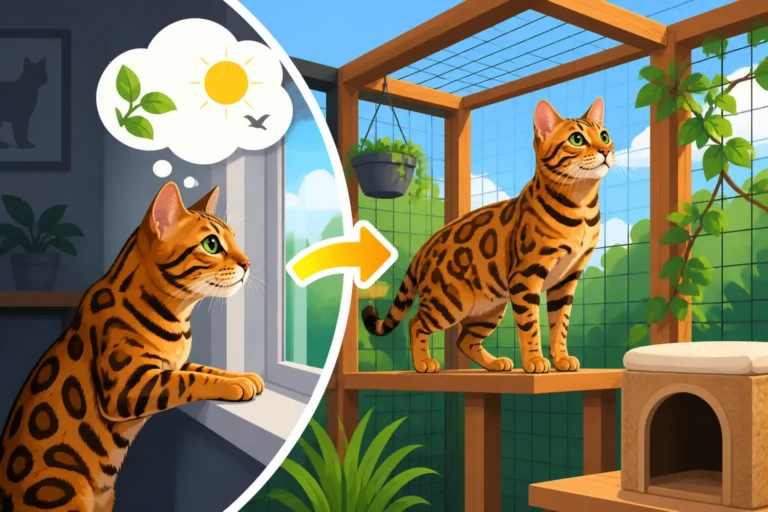
For many Bengal owners, the idea of safe outdoor access is paramount. This breed often thrives with the added stimulation of the outdoors. A secure catio (a cat patio enclosure) is an excellent way to provide fresh air, sunshine, and sensory enrichment without the dangers of free-roaming. Within a catio, you can hang puzzle feeders, hide treats, and add climbing structures. Many Bengals also take well to leash training. Imagine combining a brisk leash walk around the garden or a quiet park with a puzzle feeder as a reward for a job well done. It's a fantastic way to bond and provide novel experiences. Learning How to Leash Train a Bengal Cat can open up a whole new world of enrichment possibilities.
Social Interaction and Mental Games
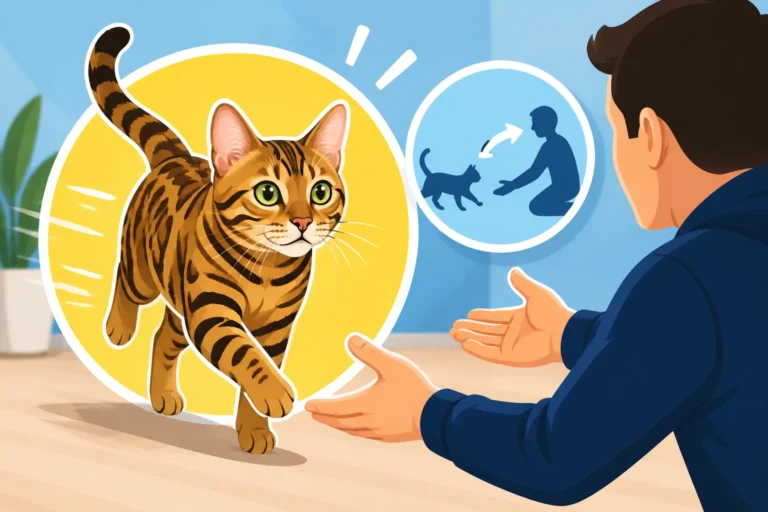
Don't underestimate the power of your presence and interaction. Bengals are often very bonded to their humans and thrive on attention. This isn't just about petting; it's about engaging their minds directly. Training sessions with clicker training can teach them tricks like "sit," "stay," or even "high-five." These activities are incredibly mentally stimulating and build a strong bond. Even simple games like hide-and-seek with you can be mentally invigorating. After all, you are their favorite puzzle to solve! Understanding How Long a Bengal Cat Copes Alone can help you balance their need for independence with their need for interaction.
In conclusion, while a puzzle feeder may not single-handedly "tire" your Bengal cat in the way a marathon play session would, it is an invaluable tool in providing consistent, necessary mental stimulation and a good dose of light physical activity. It prevents boredom, engages their wild instincts, and helps to create a more balanced and content feline companion. Incorporate a variety of feeders, integrate them into their daily meals, and remember they are one fantastic piece of a much larger, comprehensive enrichment strategy designed to embrace and channel that incredible Bengal energy.
Disclaimer
This article is for general informational purposes only and does not constitute professional advice. Laws, prices and regulations vary by location and change over time. Consult a qualified professional for guidance on your specific situation.