How Much a Bengal Cat Enjoys a Bath
It's a common misconception, isn't it? You hear all these stories about Bengal cats absolutely loving water, jumping in the shower with their humans, and even swimming laps in the pool. And while some Bengals absolutely live up to that wild reputation, the reality for many owners is a little different when it comes to "bath time." This guide is here to clarify what "water-loving" really means for a Bengal and how much they truly enjoy being bathed, distinguishing between playful interaction and a forced scrub.
The Water-Loving Bengal: Separating Fact from Fiction
When people say Bengal cats love water, they're often picturing a playful romp, not necessarily a full-blown bath. It's an important distinction that can save you a lot of frustration (and scratches!). While many Bengals are indeed fascinated by water, this fascination usually expresses itself in ways that are on their terms, not yours.
The Wild Ancestry and Natural Curiosity
Let's start with where this reputation comes from: their wild ancestor, the Asian Leopard Cat (ALC). These small, elusive wildcats are often found near water sources in their native habitats across Asia, and they're known to wade or even swim to hunt small prey like fish. This inherent connection to water, combined with their naturally curious and intelligent nature, passed down through the generations to our domestic Bengals.
So, when you see your Bengal batting at a dripping faucet or dipping a paw into their water bowl, that's their inner ALC showing! They're exploring, playing, and engaging with a natural element that their ancestors interacted with regularly. It's a beautiful echo of their wild heritage, and it's one of the things that makes them such unique and captivating companions. But that doesn't automatically translate to happily tolerating a shampoo and rinse. The expectation that they'll dive into a bathtub full of suds just because they're a Bengal often leads to disappointment for owners.
Playful Splashing vs. Submissive Soaking
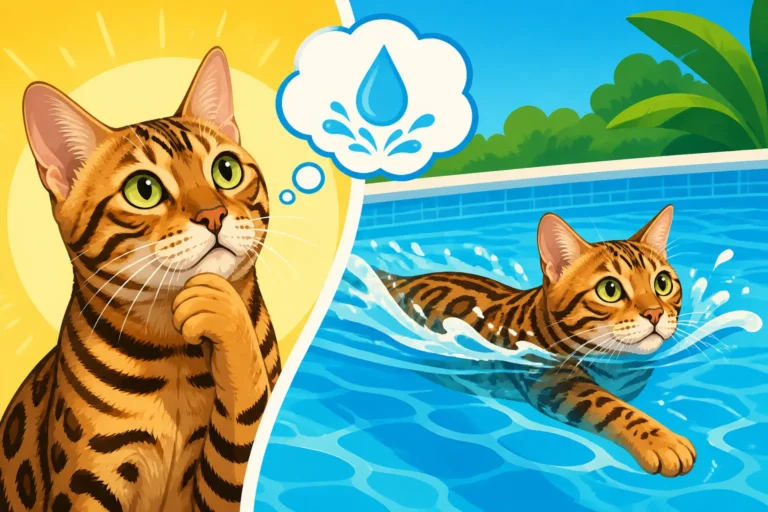
This is really the crux of the matter. Most Bengal cats love to play with water. They might stick their entire head under a running tap, chase the stream from a hose, or enthusiastically dig all the water out of their bowl, creating a delightful (if messy) puddle for themselves. Many owners report that A Bengal Cat Gets in the Shower With You – but usually, this means they're sitting on the edge, batting at the falling water, or perhaps standing briefly under a gentle spray, not settling in for a full lather. They're engaging with the water as a toy, as a sensory experience, or as a source of intrigue.
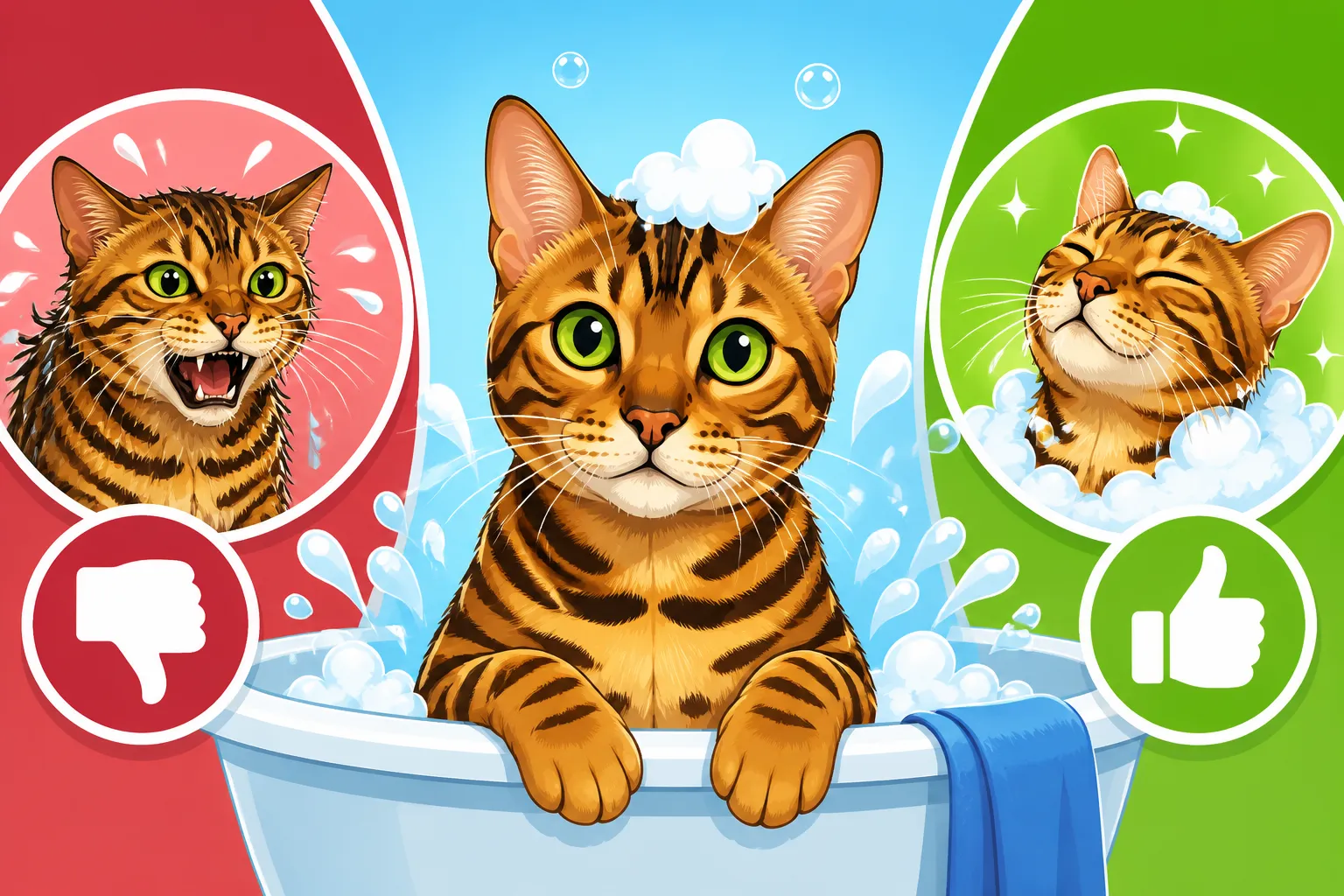
However, a forced bath is an entirely different scenario. When you're holding them, applying shampoo, scrubbing against their will, and rinsing thoroughly, you're taking away their control. Most cats, Bengal or otherwise, inherently dislike this loss of control and the feeling of being saturated and constrained. While some highly tolerant or exceptionally well-socialized Bengals might endure a bath with minimal fuss, it's rarely something they enjoy in the same way they enjoy batting at a faucet. For many, it's a stressful event, even if they usually love splashing. It's the difference between choosing to dance in the rain and being pushed into a swimming pool. One is fun, the other is alarming.
Factors Influencing a Bengal's Bath Enjoyment
It's not a one-size-fits-all answer. While the general consensus points towards "tolerates more than enjoys," there are definitely individual variations. Several factors come into play that can influence whether your Bengal views a bath as a minor inconvenience or a major catastrophe.
Early Exposure and Positive Reinforcement
Just like with leash training or car rides, early positive exposure can make a world of difference when it comes to a Bengal and water. If a kitten is introduced to water play gently and positively from a young age – think shallow dishes, floating toys, or a damp cloth for a quick wipe – they're more likely to develop a neutral, or even curious, association with water.
A breeder who introduces their kittens to small pools or water games might send you home with a Bengal more amenable to getting wet. For example, if a kitten has happy memories of chasing toys in a shallow basin, a future bath might not feel as alien or frightening. Always pair any water exposure with treats, praise, and a calm demeanor. If the first few experiences are terrifying, you're fighting an uphill battle. It's about building trust and showing them that water, even when you're involved, isn't a threat. This early conditioning can sometimes mean the difference between a cat who tolerates a necessary bath and one who fights it tooth and claw.
Individual Personality and Temperament
Even with early exposure, personality rules the day. Bengals are known for their strong, often quirky, personalities. Just because one Bengal joyfully splashes in the tub doesn't mean another will. You might have one Bengal who will happily walk through a running shower, while another bolts at the sound of the tap being turned on. Their individual temperament, confidence levels, and past experiences (good or bad) with water or handling will all play a significant role.
Some Bengals are simply more laid-back and adaptable, willing to go along with whatever their human has planned, especially if it involves attention. Others are fiercely independent and resent any perceived intrusion or restraint. It’s crucial to know your own cat. If your Bengal is generally anxious or easily stressed, a bath is likely to be a nightmare for both of you, even if they enjoy batting at their water fountain. Observe their natural reactions to water, and respect their boundaries. Pushing them too hard can erode trust and make future grooming (or even just casual interaction) more difficult. For example, some might enjoy chasing a Which Water Toy Suits a Bengal Cat in a shallow bin, but draw the line at full immersion.
The Allure of Running Water
One aspect of water that almost universally fascinates Bengals is running water. This ties back to their instinct to seek out fresh, moving water in the wild, which is typically safer to drink than stagnant pools. This is why so many Bengals are obsessed with faucets and water fountains. They love to watch it, bat at it, and even try to drink directly from the stream. This phenomenon is a strong indicator of Why a Bengal Cat Loves Water in a general sense.
This love for running water can sometimes extend to the shower or a gently running tap in the sink. Many owners describe their Bengals jumping into the sink to "help" with dishwashing or perching on the edge of the tub during a shower. It's often more about the novelty and sensory stimulation of the moving water than any desire to get truly clean. You might find your Bengal playing with the drips from your hand in the shower, but the moment you try to apply shampoo, their enthusiasm might quickly wane. Understanding this nuance is key to interpreting their "water love." They often see the running water as a game, not a grooming tool.
When a Bath is Unavoidable: Making it Tolerable
Despite their generally pristine coats and excellent self-grooming habits, there will be those rare, unavoidable moments when a bath for your Bengal cat truly becomes necessary. These situations are usually driven by external factors rather than a desire for routine cleanliness.
The Rare Occasions a Bath Is Actually Needed
For the most part, Bengal cats are meticulous groomers. Their short, sleek coats, often described as a "pelt" rather than fur, are remarkably low-maintenance. A Bengal Cat Needs Almost No Grooming on a regular basis from their human. Their wild heritage means their coats are designed to be self-cleaning and quick-drying, making full baths largely superfluous for general hygiene. In fact, excessive bathing can strip their natural oils, leading to dry skin or coat issues.
However, there are specific circumstances where a bath is the only sensible option:
- Serious Messes: If your Bengal has rolled in something truly foul – mud, something sticky, or even something toxic – a bath is essential to remove the contaminant and prevent them from ingesting it during self-grooming.
- Pest Infestations: Fleas, ticks, or other external parasites might necessitate a therapeutic bath with a vet-approved shampoo, especially if topical treatments aren't sufficient or suitable.
- Medical Conditions: Certain skin conditions, allergies, or fungal infections might require regular medicated baths as part of their treatment plan. Your vet will advise if this is the case.
- Before a Show: Show Bengals might receive a bath prior to a competition to ensure their coat is sparkling clean and their patterns are highlighted. However, this is done with utmost care and experience.
Outside of these specific scenarios, it's generally best to let your Bengal handle their own grooming. Their bodies are remarkably efficient at it.
Strategies for a Stress-Free Bath (as much as possible)
If a bath is absolutely necessary, the goal isn't to make them enjoy it, but to make it as quick, calm, and low-stress as possible. Here's how to approach it:
- Preparation is Key: Before you even think about putting your Bengal in the water, gather everything you need: a cat-specific shampoo (unscented is often best), several warm towels, a non-slip mat for the tub or sink, a cup or small pitcher for rinsing, and a big pile of their favorite high-value treats. You can find excellent cat bathing supplies, including gentle shampoos and non-slip mats, on Amazon. Having everything within arm's reach means you won't have to leave them unattended or scramble mid-bath.
- Choose the Right Environment: A utility sink or a small bathtub can work well. Ensure the water is lukewarm, never hot or cold. A consistent, gentle flow is better than a sudden deluge. Place the non-slip mat down so they have secure footing, which helps reduce anxiety.
- Enlist Help: If possible, have another calm person assist you. One person can gently hold and reassure the cat while the other washes. This makes the process faster and safer for everyone.
- Gentle Approach: Speak in a calm, soothing voice. Avoid any sudden movements. Wet them slowly, starting from their shoulders and working your way back, avoiding their face and ears. Use the cup to wet and rinse, rather than a harsh spray from a showerhead. Lather quickly and rinse thoroughly. Their fur, or rather, their Why a Bengal Cat's Coat Feels Like Nothing Else, repels water quite efficiently, so you'll need to work the shampoo in.
- Treats and Praise: Throughout the process, offer treats and praise whenever they show cooperation, no matter how small. This positive reinforcement can help build a slightly less negative association with the experience. Some owners even smear a treat paste on the side of the tub to distract them.
- Quick Drying: As soon as the rinsing is done, wrap them immediately in a warm towel. Gently blot and rub to remove as much water as possible. Some Bengals might tolerate a low-heat, low-noise pet dryer, but most will prefer to air dry in a warm, draft-free room. Be mindful of Whether a Bengal Cat Gets Cold After Water Play, especially if they are sensitive or the room is chilly. Their single coat means they can get cold faster than a double-coated cat.
- Consider Alternatives to Full Immersion: For minor dirt or odors, a damp cloth or pet-safe grooming wipes can often do the trick without the full bath trauma. Spot cleaning might be all you need for a small dirty paw, for instance.
Creative Water Engagement Beyond the Bathtub
Since full baths are usually a last resort, it's wonderful to explore ways your Bengal can safely indulge their water curiosity without the stress of grooming. There are plenty of fun, interactive options that cater to their natural instincts.
Interactive Water Play for Enthusiasts
This is where your Bengal's love for water can truly shine! Instead of trying to force a bath, create opportunities for them to engage with water on their own terms.
- Shallow Basins and Tubs: Fill a shallow plastic basin or a child's wading pool with just an inch or two of lukewarm water. Toss in some floating toys, ping-pong balls, or even a few ice cubes for them to bat at. This provides a safe, controlled environment for splashing. You might be surprised how much How Well a Bengal Cat Swims when given the chance in a safe setting, though most are content to just wade.
- Running Faucets: If your Bengal loves to jump into the sink, let them! Supervise them as they play with a gently running faucet. Many Bengals are utterly fascinated by the stream of water. Just be sure to close the drain if you're leaving them, to avoid any impromptu deep water adventures or accidental flooding. Understanding Why a Bengal Cat Plays in the Sink can help you set up safe play.
- Cat Water Fountains: These are a fantastic way to satisfy their craving for running water while also encouraging hydration. There are many robust options available on Amazon that can withstand a playful Bengal's attention. A good Which Water Fountain Survives a Bengal Cat can provide endless entertainment and hydration.
- Outdoor Catios with Water Features: For Bengals with access to a safe outdoor enclosure, a small, pet-safe water feature or a supervised shallow pool can be a huge hit. Just ensure the water is clean and secure.
Remember, the key is supervised play. Let them explore and interact with the water in a way that feels natural and fun to them, not as a chore imposed by you.
Maintaining Coat Health Without Immersion
Given their excellent self-grooming, most of your efforts to maintain your Bengal's coat will focus on brushing and spot cleaning rather than bathing.
- Regular Brushing: While they have a "pelt" that doesn't mat easily, regular brushing helps to remove loose hairs and dander, distribute natural oils, and reduce shedding. A soft rubber brush or a grooming glove is usually all you need, and many Bengals actually enjoy the sensation. Even if your Bengal barely sheds, a quick brush a few times a week can be a bonding experience. You don't need to ask How Often a Bengal Cat Should Be Brushed very often for practical reasons, but many cats enjoy it.
- Grooming Wipes: For minor dirt or dusty paws, pet-safe grooming wipes are an absolute lifesaver. They can quickly clean up a small mess without the need for a full bath, making life easier for both you and your cat.
- Damp Cloth: A warm, damp cloth can be used to wipe down their coat if they've gotten a bit dusty or to clean around their mouth after a messy meal. This is a non-threatening way to keep them looking pristine.
- Addressing Water Play Messes: If your Bengal has gone a little wild with their water play, causing puddles or getting themselves soaked, have a towel ready. Instead of a full bath, simply wrap them up and gently blot them dry. This reinforces the idea that water play is fun, and the towel is just part of the cleanup, not a punishment. Learning How to Stop a Bengal Cat Turning on Taps can help prevent accidental floods, but a towel is always a good backup for inevitable splashes.
By understanding your Bengal's unique relationship with water and focusing on enrichment and minimal intervention for grooming, you can ensure a happy, healthy, and less stressed feline companion.
Bengal Cat Water Activities: Enjoyment Level Comparison
This table provides a general overview of how different water-related activities are typically perceived by Bengal cats. Remember, every cat is an individual!
| Activity | Typical Bengal Reaction | Enjoyment Level (General) | Notes |
|---|---|---|---|
| Playing with dripping faucets | Fascination, swatting | High | Highly engaging, stimulating. On their terms. |
| Drinking from a running water fountain | Regular, enthusiastic | High | Satisfies instinct for fresh, moving water. |
| Batting at water in a shallow dish | Playful, curious | High | Safe, controlled splashing. Good for mental and physical stimulation. |
| Stepping into the shower with owner | Curiosity, limited interaction | Medium-High | Often involves sitting on the edge, batting at spray. Full immersion is rare and usually brief. |
| Wading in a shallow outdoor pool | Exploration, playful | Medium | Requires supervision. Some enjoy it more than others, especially if there are toys. |
| Getting a full, intentional bath | Tolerant, resistant, stressed | Low-Medium | Generally not enjoyed. Often accompanied by attempts to escape. Best reserved for necessary situations. |
| Swimming in deep water | Rarely, if ever | Varies (often Low) | Most Bengals prefer shallow wading; true swimming is uncommon and usually only if introduced very carefully and positively from a young age, or in an emergency. Whether a Pool Is Dangerous for a Bengal Cat is also a key consideration for unsupervised swimming. |
Disclaimer
This article is for general informational purposes only and does not constitute professional advice. Laws, prices and regulations vary by location and change over time. Consult a qualified professional for guidance on your specific situation.