Whether a Bengal Cat Counter Surfs
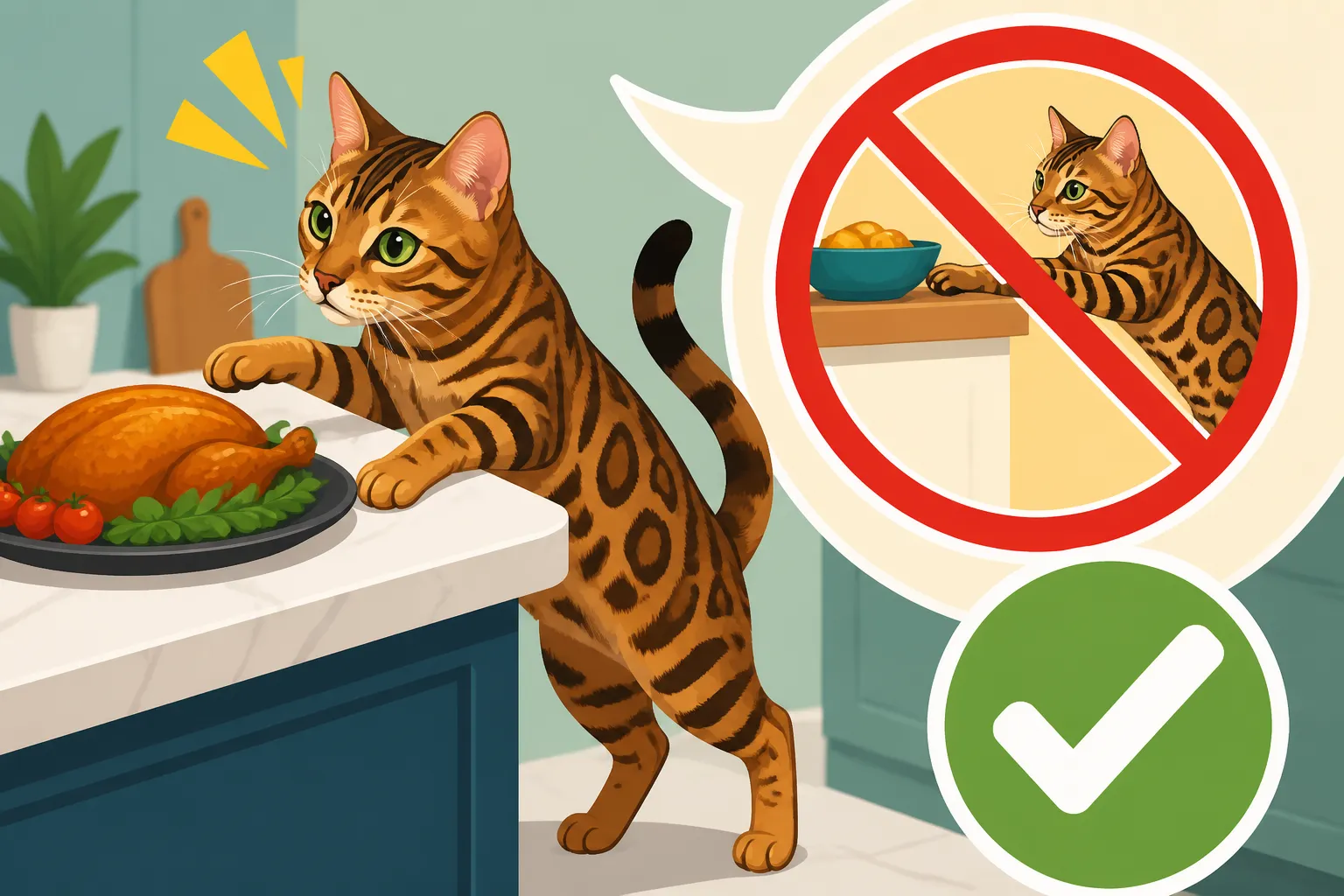
One of the biggest headaches I hear about from fellow Bengal cat parents, myself included, is the relentless pursuit of high places, especially kitchen counters. It's a common struggle: you turn your back for a moment, and suddenly your sleek, spotted companion is surveying your cooking space like it's their personal mountain peak. This guide will dive deep into why your energetic Bengal considers your countertops prime real estate and, more importantly, what you can realistically do to manage this persistent behavior.
The Inevitable Ascent: Why Bengal Cats Love Counter Surfing
If you've ever lived with a Bengal cat, you know they aren't your average couch potato feline. Their lineage whispers tales of wild ancestors, and that wild spirit manifests in an insatiable curiosity and an athletic prowess that would make most domestic cats blush. Counter surfing isn't just a mischievous act; it's often a deeply ingrained behavior driven by their unique nature.
The Instinct to Climb and Explore
Think about their wild cousins, the Asian Leopard Cats. These creatures are masters of their environment, constantly observing, hunting, and exploring from elevated positions. Your Bengal carries a good chunk of that DNA, making the urge to climb almost irresistible. A kitchen counter isn't just a flat surface to them; it's a new vista, a higher vantage point from which to survey their domain – which, in their mind, is your entire home. They want to see what's happening, feel the texture of new surfaces, and explore every nook and cranny. It's not defiance; it's discovery.
This inherent drive means that no matter how many times you shoo them off, the appeal of a new perspective often wins. They're intelligent creatures, constantly learning and adapting. If they see you using the counter for food preparation or simply leaving interesting items there, it becomes a beacon of activity and potential reward. Providing ample vertical space elsewhere in your home is critical to diverting this instinct, but even then, the allure of your space can be strong.
Activity Levels and Energy Output
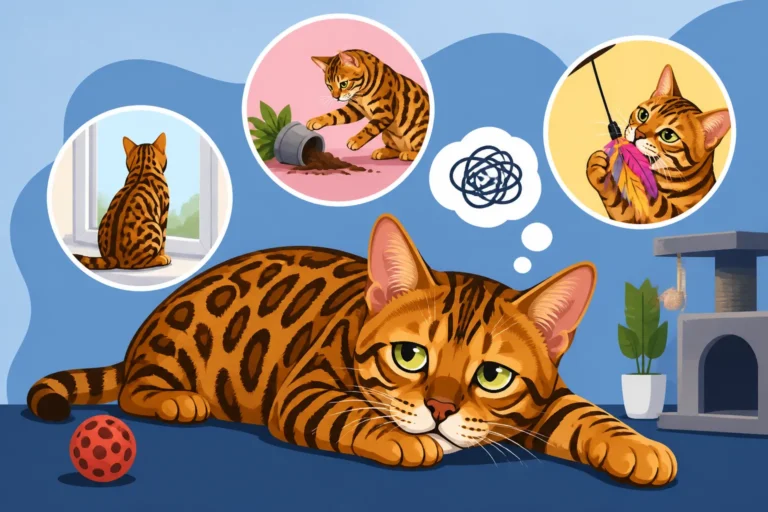
Let's be honest, The Bengal Cat Is the Most Active Cat You Can Own. Their energy levels are legendary, and if that energy isn't channeled into appropriate outlets, it will absolutely find its own path – often straight up your cabinetry and onto your counters. A bored Bengal is a destructive Bengal, and a counter becomes a playground when other enrichment is lacking. They don't just sit and watch; they interact, they bat, they push. This isn't out of malice, but pure, unadulterated energy.
Imagine a toddler who hasn't had their playtime for the day. They'll bounce off the walls, right? A Bengal cat is similar. If they're not engaging in several vigorous play sessions throughout the day, chasing wand toys, running on a cat wheel, or solving puzzle feeders, those unused calories and mental energies will express themselves. Counter surfing might start as a brief exploration, but it quickly becomes a habit if it offers even a glimmer of mental or physical stimulation. How Many Play Sessions a Bengal Cat Needs is often more than you might initially think, and providing enough active playtime can significantly reduce their need to create their own excitement on forbidden surfaces.
The Allure of Food and Novelty
And then there's the irresistible draw of food. Our kitchens are sensory wonderland for cats. The aroma of a freshly cooked meal, the crumbs left behind, or even just the interesting texture of a cutting board can be a huge magnet. Bengals are incredibly intelligent, and they quickly learn that counters are where the good stuff often appears. They're not just looking for a snack; they're investigating, using their keen sense of smell to deduce what treasures might be within reach.
Beyond food, counters often hold novel items: keys, mail, glasses, or even a shiny new gadget. To a Bengal, these are not just mundane household items; they're potential toys, things to bat around, explore, and possibly even "steal." I've had Bengals hide everything from hair ties to bottle caps under the sofa after a successful counter raid. Their curious nature means anything new or interesting placed on a counter is an open invitation for investigation. This combination of instinct, energy, and curiosity makes the kitchen counter a prime target for their inquisitive nature.
Identifying the Risks: More Than Just an Annoyance
While a Bengal cat on the counter might seem like a minor annoyance, it carries several significant risks, not just for your home, but for your beloved feline's safety and well-being. It's crucial to understand these dangers to fully appreciate why deterring this behavior is so important.
Dangers on the Countertop
Your kitchen counters are often a minefield of potential hazards for a curious cat. Hot stove burners, even when turned off, can retain residual heat. Sharp knives left drying or even tucked away in a block are an obvious danger, easily knocked down by a playful paw. Cleaning supplies, often stored under sinks but sometimes left out, can be highly toxic if ingested or even walked through. Think about how many times you've sprayed disinfectant or wiped down surfaces – residual chemicals could be a problem.
Beyond the immediate dangers, there's the silent threat of human foods that are toxic to cats. Chocolate, onions, garlic, grapes, raisins, avocado, and even certain artificial sweeteners found in gum can be extremely harmful, even deadly. A Bengal's persistent nature means they're more likely to investigate and sample something they shouldn't. Fragile items like glass dishes, ceramic mugs, or even decorative pieces can be easily knocked off and shattered, leading to potential cuts on delicate paws. It's a constant worry for many owners, myself included, knowing how quickly an accident can happen.
Hygiene and Contamination Concerns
This is often the most frustrating aspect for homeowners. Cats use litter boxes, and while Bengals are generally fastidious, tiny particles of litter or fecal matter can inevitably cling to their paws. When those paws then traverse your kitchen counters – the very surfaces where you prepare food for yourself and your family – it creates a significant hygiene issue. No amount of wiping seems enough when you're constantly wondering what microscopic nasties might have been tracked across your clean surfaces.
This isn't just about "ick" factor; it's about potential bacterial contamination. Imagine preparing dinner on a surface where your cat has just walked after a visit to the litter box. It’s a legitimate health concern, especially if you have young children or individuals with compromised immune systems in the home. The effort to constantly sanitize surfaces becomes an added chore, and the underlying anxiety about contamination can take away from the joy of cooking or simply relaxing in your kitchen.
Damage to Property and Relationships
Beyond the immediate dangers and hygiene issues, counter surfing can lead to tangible damage to your property. That expensive vase or delicate ceramic bowl? A quick swipe from a Bengal looking for a thrill can send it crashing to the floor. Paws can scratch delicate countertop materials, and if your Bengal has a penchant for playing with water, as many do, puddles on laminate or wood can lead to warping or damage over time. My own Bengal once decided a newly potted herb plant on the counter looked like a fun digging project, scattering soil everywhere!
The constant battle over counter access can also strain the relationship you have with your cat. It's easy to get frustrated, to yell, or to feel like you're constantly at odds with your pet. This can create a negative dynamic, eroding the bond you cherish. You want your home to be a harmonious space, not a constant battleground. Understanding the toll this behavior takes on both your environment and your peace of mind highlights the importance of implementing effective management strategies.
Strategies to Deter Counter Surfing in Bengal Cats
Successfully deterring a Bengal cat from counter surfing requires a multi-faceted approach. There's no single magic bullet, but a combination of making the counters unappealing, providing compelling alternatives, and consistent training can make a significant difference.
Environmental Management: Making Counters Unappealing
The first line of defense is to make the counters a less desirable place to be. This means removing temptations: always clear food, crumbs, and appealing shiny objects immediately. If they jump up and find nothing interesting, the reward for the effort diminishes. Beyond removal, you can employ deterrents that make the experience unpleasant without causing harm. Double-sided sticky tape, applied in strips to the counter's edge, is often effective. Bengals have sensitive paws, and the stickiness is usually off-putting. You can find rolls of pet-safe double-sided tape easily on Amazon.
Another common tactic is to use sheets of aluminum foil. The crinkly sound and unfamiliar texture are often enough to startle them and make them think twice. Some owners have success with motion-activated air canisters or alarms, which release a harmless hiss of air or a loud noise when triggered. These can be effective at creating an aversion to the counter space. The key here is consistency; the deterrent needs to be in place whenever you can't actively supervise your cat, so they learn that the counter is always unpleasant, not just when you're watching.
Providing Alternative Vertical Space and Enrichment
Since Bengals have such a strong instinct to climb, redirecting that energy to approved vertical spaces is paramount. Invest in tall, sturdy cat trees that allow them to reach impressive heights. Look for ones with multiple levels, scratching surfaces, and cozy perches. Wall-mounted shelves and cat walkways can also be fantastic additions, transforming unused vertical space into an exciting adventure zone. How Much Vertical Space a Bengal Cat Needs is often underestimated; they thrive on having high vantage points where they can feel safe and observe their surroundings.
A dedicated catio, an outdoor enclosure, can also provide a safe and stimulating environment for exploration and climbing, reducing their desire to explore indoors. Look for robust, multi-level structures on Amazon that can withstand a Bengal's energetic play. Additionally, ensure your Bengal has plenty of mental and physical enrichment. This includes interactive toys, regular play sessions with wand toys, and Which Puzzle Feeder a Bengal Cat Cannot Solve – these can engage their intelligent minds and burn off energy, making them less inclined to seek out "forbidden" entertainment.
Consistent Training and Redirection
Training a Bengal requires patience, consistency, and positive reinforcement. Avoid punishment, as it can damage your bond and make your cat fearful, potentially exacerbating problem behaviors. Instead, focus on redirection. When you see your Bengal heading for the counter or already on it, gently pick them up and place them on an approved cat tree or scratching post. Reward them immediately with praise, a treat, or a favorite toy for being in the "right" spot.
You can also use clicker training to teach commands like "off" or "down." Start by luring them off the counter with a treat, clicking the moment they hit the floor, and then giving the treat. Over time, they'll associate the word with the action. Bengals are incredibly smart and How a Bengal Cat Learns From Watching You means they'll pick up on patterns quickly, but only if you are consistent. Everyone in the household needs to be on the same page, reinforcing the desired behavior every single time. It's a marathon, not a sprint, but the payoff for a calmer home environment is worth it.
Living with a Counter-Curious Bengal: Practical Tips
Even with the best strategies, living with an active, curious Bengal means you'll still need practical solutions for day-to-day management. These aren't necessarily about eliminating the behavior entirely, but about minimizing risk and stress.
Managing Meal Times and Kitchen Access
One of the most challenging times for counter surfing is during meal preparation or when food is on the table. The smells are intoxicating, and the activity is stimulating. During these high-risk periods, consider containing your Bengal in a different room or a spacious, enrichment-filled crate. Give them a special meal or a long-lasting puzzle toy to keep them occupied and happy while you're busy in the kitchen.
It’s about prevention rather than reaction. If they never have the opportunity to associate your active kitchen time with counter access or food rewards, it helps break the cycle. Once you're done cooking and the kitchen is cleaned up, they can rejoin the family. This also teaches them that kitchen time for humans means dedicated, separate enrichment for them, rather than a free-for-all on the countertops.
Child Locks and Secure Storage
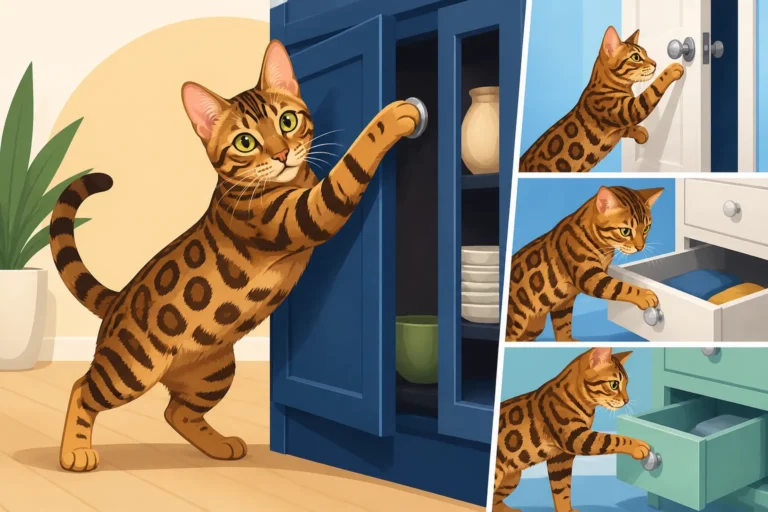
Bengals are notoriously clever, and that intelligence extends to opening cabinets and drawers. I know the frustration of finding your pantry raided or your clean dishes scattered. To combat this, investing in child-proof locks for your lower cabinets and pantry doors can be a game-changer. There are many types available on Amazon, from magnetic locks that are invisible from the outside to simple latches that require a human hand to operate. This not only keeps your food safe from curious paws but also protects your Bengal from accessing potentially dangerous items like cleaning supplies or medications.
Think beyond just food. If you keep anything tempting or fragile in lower cabinets, secure them. How to Cat Proof Cabinets From a Bengal Cat often involves thinking like a toddler – if a toddler can get into it, a Bengal likely can too, and with far more agility! These locks provide peace of mind and prevent your cat from getting into mischief or danger when you're not directly supervising.
Understanding That Some Habits Are Hard to Break
Let's be realistic: completely eliminating a Bengal's desire to explore vertical spaces might be an impossible dream. Their wild instincts are strong, and their intelligence means they'll constantly look for loopholes or new challenges. The goal isn't necessarily to have a cat who never sets a paw on a counter, but to manage the behavior so it's infrequent, less risky, and doesn't cause you undue stress.
Accept that occasional lapses might occur, especially if you forget to put a deterrent down or leave something exceptionally enticing out. Focus on consistency, harm reduction, and celebrating the victories, no matter how small. Your Bengal is a magnificent, active creature, and learning to live harmoniously with their unique traits is part of the joy of having one. By providing ample appropriate outlets for their energy and curiosity, and making the forbidden zones less appealing, you can create a happy and safe home for everyone.
| Deterrent Method | How It Works | Pros | Cons |
|---|---|---|---|
| Double-Sided Sticky Tape | Unpleasant texture on paws | Inexpensive, easily applied, non-harmful | Can be messy, needs frequent replacement |
| Aluminum Foil | Crinkly sound and unfamiliar texture | Inexpensive, easy to deploy | Unsightly, can be easily removed by cat |
| Motion-Activated Air Canister | Emits a sudden hiss of air | Effective startling, cat learns aversion | Can be expensive, needs refills, accidental triggers |
| Motion-Activated Alarm | Emits a loud noise | Effective startling, no physical interaction | Can be annoying for humans, might not deter all cats |
| Clear Counters Immediately | Removes temptation (food, shiny objects) | Free, promotes good habits, prevents rewards | Requires constant vigilance |
| Providing Vertical Alternatives | Redirects natural climbing instinct | Positive reinforcement, enrichment for cat | Requires investment in cat furniture, space |
Disclaimer
This article is for general informational purposes only and does not constitute professional advice. Laws, prices and regulations vary by location and change over time. Consult a qualified professional for guidance on your specific situation.