How a Bengal Cat Behaves With a Toddler
Bringing a new baby or welcoming a curious toddler into a home already ruled by a magnificent Bengal cat can feel like a high-stakes balancing act. Many parents worry about how their energetic, intelligent Bengal will react to the unpredictable sounds, sudden movements, and grabby hands of a little one. This comprehensive guide is here to walk you through what to realistically expect from your Bengal cat's interactions with a toddler and, more importantly, how to foster a safe, happy environment for everyone involved.
Understanding the Bengal Cat's Core Nature and Energy Levels
Before we even consider introductions, it's vital to remember that Bengal cats aren't your average lap cats. They come with a unique blend of wild ancestry and domestic charm, which dictates much of their behavior, especially around small, fast-moving humans.
The Inherent Wildness and High Prey Drive
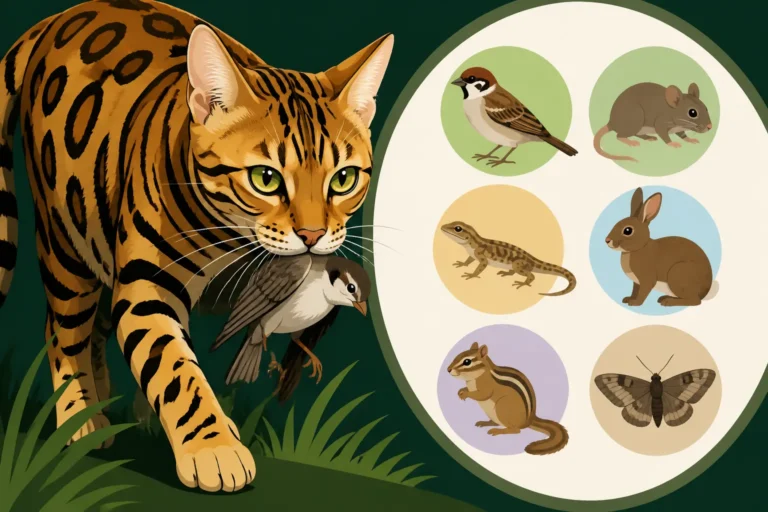
At the heart of every Bengal is a distant echo of their Asian Leopard Cat ancestors. This isn't just a fun fact for conversation; it profoundly impacts their personality and instincts. That wild heritage means they possess an exceptionally high prey drive. They're hardwired to stalk, pounce, chase, and "kill" their prey, even if that prey is just a crinkly toy mouse or a laser dot. This primal instinct is what makes them such captivating hunters and players, but it's also where potential misunderstandings with a toddler can arise.
Imagine a small, quick-moving object darting across the floor, making high-pitched noises. To a Bengal, this isn't necessarily a beloved family member; it can trigger that deep-seated hunting instinct. They might view a toddler's wobbly run or flailing arms as an invitation to engage in a rough-and-tumble play session. This isn't aggression in the malicious sense, but rather an exuberant, instinct-driven play that can be overwhelming, or even painful, for a delicate toddler. It's crucial for owners to understand this isn't a flaw in the cat's character but a fundamental part of The Bengal Cat Is the Most Active Cat You Can Own. We're talking about a cat whose very genetics are geared toward dynamic interaction.
Boundless Energy and Need for Stimulation
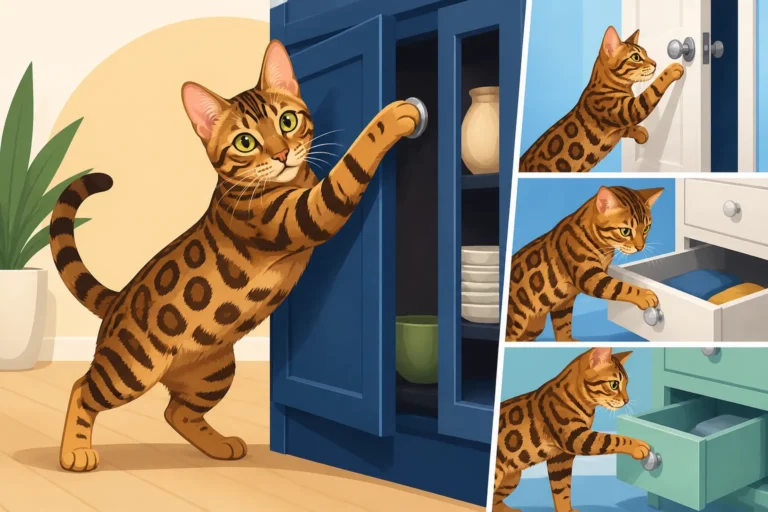
If you've lived with a Bengal for any length of time, you know "active" is an understatement. These cats are perpetual motion machines, often displaying bursts of energy that seem to defy the laws of feline physics. They climb, jump, explore, and demand engagement. A bored Bengal is a destructive Bengal, plain and simple. They'll find ways to entertain themselves, often by opening cabinets, scaling curtains, or investigating anything that can be knocked over or shredded. Their need for stimulation is insatiable, and it's something you must continuously address.
When a toddler enters the scene, this energy can become a double-edged sword. On one hand, a lively toddler might inadvertently offer constant "entertainment" through their activities. On the other hand, the Bengal's need for appropriate outlets for its energy often gets overlooked in the chaos of child-rearing. If your Bengal isn't getting enough dedicated play and mental enrichment, they might turn their considerable energy and sharp claws toward the nearest available, moving target – which, you guessed it, is often the toddler. Understanding that How Much Exercise a Bengal Cat Needs a Day is paramount for maintaining harmony in a multi-species household.
Common Interactions Between Bengal Cats and Toddlers
It's not all doom and gloom, of course! Many Bengal cats and toddlers coexist beautifully. However, being aware of common interaction patterns can help you manage situations before they escalate.
Playful Pounces and Unintended Scratches
A Bengal's play is vigorous. They use their paws, claws (sheathed and unsheathed), and teeth with impressive agility. When they "play bite" a human adult, it might feel like a firm warning or a rough love nip. For a toddler with thin skin and developing coordination, that same level of play can result in unintended scratches or even puncture wounds. A Bengal might pounce on a blanket fort, chase a rolling toy, or bat at a dangling string from a toddler's outfit, all in the spirit of play. What seems like harmless fun to the cat can quickly become a frightening, painful experience for a child.
It’s important to distinguish between genuine aggression and overzealous play. True aggression involves hissing, growling, ears pinned back, a puffed tail, and an attack meant to harm. Playful pouncing, while still potentially injurious to a toddler, usually lacks these clear aggressive signals. The cat might be wide-eyed, tail twitching excitedly, and ready for a chase. However, the result for the toddler can be the same, making this distinction difficult for a worried parent. These incidents aren't about your Bengal "hating" your child, but rather about a mismatch in play styles and physical robustness. Understanding What a Bengal Cat's Chirp Means can sometimes give you a clue to their mood, but it's no substitute for careful observation.
Vocalizations and Boundary Setting
Bengal cats are notoriously vocal. Their repertoire ranges from chattering and chirping at birds outside the window to demanding meows and full-blown yowls when they want attention, food, or simply feel like making their presence known. How Loud a Bengal Cat Is can be quite a shock to newcomers! These aren't delicate little trills; they can be loud, insistent, and sometimes sound almost "wild."
A toddler, still learning to regulate their own emotions and volume, often adds to the household's soundscape with shrieks of delight, frustrated cries, or boisterous play noises. How does a Bengal react to this? Some may simply ignore it, adapting to the background noise. Others might find it alarming or irritating, especially if the sounds are sudden or high-pitched. A cat might yowl back in frustration, retreat to a quiet spot, or even lash out if they feel cornered or overwhelmed by the noise and commotion. It's their way of trying to set boundaries, even if those boundaries are communicated in a way that’s hard for a toddler (or even an adult) to immediately understand.
The Curious Explorer and the Toddler's Toys
Bengals are incredibly intelligent and intensely curious. They don't just observe; they interact with their environment. If a toddler has an array of colorful, noisy, or textured toys scattered around, a Bengal is highly likely to investigate. This could mean "helping" to unpack a toy box, batting at a dangling mobile, or even attempting to "hunt" a remote-controlled car. They love to figure things out, whether it's how a puzzle feeder works or how to open a cabinet door.
This curiosity can sometimes lead to competition over resources. A Bengal might decide a toddler's favorite plush toy is an excellent new prey item, or they might try to "steal" a piece of food the toddler has dropped. While seemingly innocent, this can lead to frustration for the child and potentially trigger a defensive reaction from the cat if the toddler tries to snatch their possession back. It's a classic case of two curious, somewhat self-centered beings vying for attention and interesting objects, both still learning about personal space and sharing.
Strategies for Fostering a Harmonious Home with a Bengal and a Toddler
Creating a peaceful coexistence isn't about changing your Bengal's fundamental nature or asking your toddler to be unnaturally quiet. It's about proactive management, thoughtful environmental design, and consistent training for both parties.
Creating Safe Zones and Supervision
This is non-negotiable. Both your Bengal and your toddler need designated safe spaces where they can retreat and feel secure. For your Bengal, this means high perches, cat trees, and shelves that are out of reach of little hands. Consider installing a Why a Bengal Cat Needs a Catio where your cat can enjoy the outdoors safely, away from the indoor hubbub. Vertical space is your friend. Think about baby gates that allow your cat to jump over or squeeze through, but keep your toddler out of certain rooms, like the cat's feeding area or litter box zone. How Much Vertical Space a Bengal Cat Needs is often underestimated, but it’s critical for their sense of security and a way to observe the family from a safe distance.
Crucially, never, ever leave your Bengal cat and toddler unsupervised. Even for "just a minute." Accidents can happen in a flash, and even the most seemingly docile Bengal can react unpredictably if startled or inadvertently hurt by a child. Active supervision means being present, engaged, and ready to intervene at a moment's notice. This allows you to redirect play, separate them if tension arises, and reinforce positive interactions.
Enrichment and Training for Your Bengal Cat
A well-exercised and mentally stimulated Bengal is a happier, calmer Bengal. This means dedicating time each day to vigorous play sessions that burn off their immense energy. Use wand toys, laser pointers (with a tangible "catch" at the end to satisfy their hunting instinct), and fetch games. Look for durable toys on platforms like Amazon. Remember, these cats are smart, so puzzle feeders and rotating toys will keep their minds engaged. Ensure your Bengal gets plenty of How Many Play Sessions a Bengal Cat Needs away from the toddler.
Clicker training can also be incredibly effective for Bengals. You can teach them commands like "off," "stay," or even to go to a designated "safe spot" when things get too busy. This not only gives them mental stimulation but also provides you with tools to manage their behavior around your toddler. Training helps channel their intelligence and energy into constructive activities rather than potentially disruptive ones.
Educating the Toddler and Setting Expectations
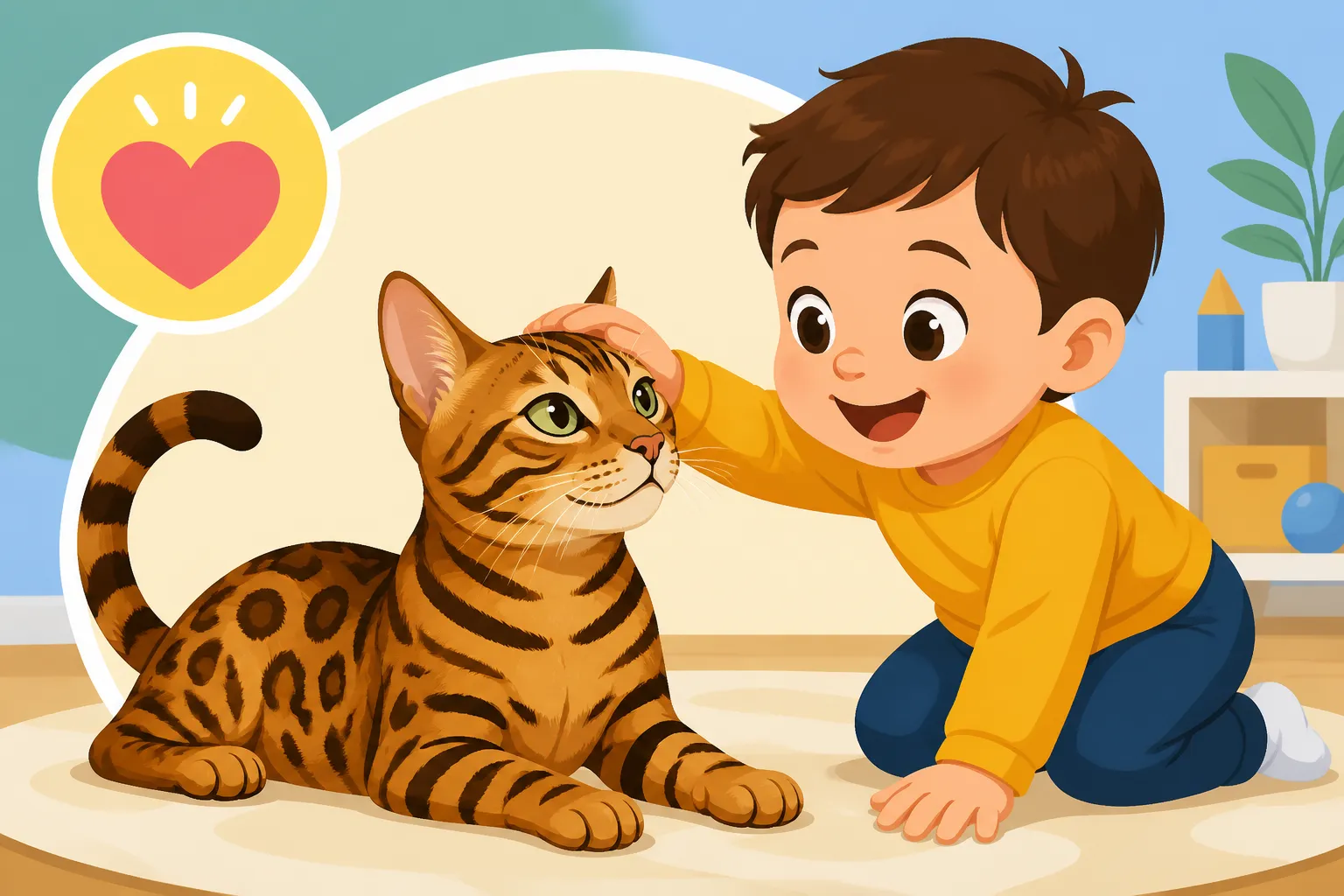
Just as you train your cat, you need to educate your toddler. While a very young toddler might not fully grasp complex instructions, consistent modeling and gentle guidance are key. Teach your child "gentle hands" – demonstrating how to softly stroke the cat (if the cat is willing) rather than grab or pull. Never allow your toddler to chase the cat, pull its tail, ears, or whiskers, or disturb it while it's eating, sleeping, or using the litter box. These are non-negotiable rules.
Explain that the cat is not a toy, and it needs its space. Use simple, direct language. Reinforce positive interactions with praise for both the cat and the child. It's important to set realistic expectations: your Bengal might never be a "cuddle bug" with your toddler, and that's perfectly okay. The goal is respectful coexistence, where both feel safe and understood. Understanding How Much a Bengal Cat Calms Down With Age can give you hope for the future, but early boundaries are essential.
When to Seek Professional Help and Red Flags
Sometimes, despite all best efforts, interactions can become strained or even dangerous. Knowing when to recognize these red flags and seek professional help is crucial for the safety and well-being of both your child and your Bengal.
Recognizing Stress Signals in Your Bengal
Your Bengal cat will tell you if they are unhappy or feeling threatened, but you need to understand their language. Signs of stress, fear, or escalating aggression include:
- Flattened ears: Pinned back against the head, indicating fear or aggression.
- Hissing or growling: Clear warnings to back off.
- Piloerection: Fluffed up fur, especially along the spine and tail, making them look bigger.
- Dilated pupils: Can indicate fear or excitement.
- Crouching or hiding: Seeking to escape or avoid interaction.
- Swatting with unsheathed claws: A direct defensive action.
- Tail thrashing: Not a gentle wag, but a forceful thumping or lashing, often indicating agitation.
- Changes in litter box habits: Urinating or defecating outside the box can be a sign of extreme stress or a medical issue.
If you observe these behaviors frequently, especially directed at your toddler, it's a serious red flag. Don't dismiss them as "just being naughty"; your cat is communicating genuine distress or a feeling of threat. Ignoring these signals can lead to more serious incidents. Signs a Bengal Cat Is Bored can sometimes overlap with stress signals, but aggression is distinct.
| Behavior Trait | Typical Bengal Cat Tendency | Typical Toddler Tendency | Potential Clash | Mitigation Strategy |
|---|---|---|---|---|
| Energy Level | High, requires intense play | Bursts of energy, unpredictable | Cat may view toddler as a playmate/prey | Dedicated cat play sessions, safe zones for both |
| Curiosity | Explores everything, opens cabinets | Explores everything, puts in mouth | Toddler's toys/food become cat's target | Secure cabinets, cat-proof toddler areas, pick up toys |
| Vocalizations | Loud, demanding meows, chirps, yowls | Loud cries, shrieks, babbling | Cat may be irritated/stressed by noise | Quiet spaces for cat, teach toddler gentle voices |
| Physicality | Uses paws/claws for play, climbing | Uncoordinated, grabbing, pulling | Unintentional scratches/bites from cat | Trim cat's nails, supervise, teach "gentle hands" |
| Need for Space | Enjoys attention but needs alone time | Little understanding of personal space | Toddler invades cat's boundaries | High perches, gated rooms, never disturb resting cat |
Consulting a Vet or Behaviorist
If you're seeing consistent negative interactions, the first step is always a visit to your veterinarian. They can rule out any underlying medical conditions that might be causing pain, discomfort, or changes in behavior, making your Bengal more irritable or prone to lashing out. Pain, for instance, can make even the sweetest cat defensive.
If health issues are ruled out, your next step should be to consult a certified feline behaviorist. These professionals specialize in understanding cat behavior and can help you assess the situation, identify specific triggers, and develop a tailored plan to manage and modify your Bengal's behavior. They can offer strategies for environmental enrichment, specific training techniques, and advice on how to best integrate your cat and child safely. Sometimes, despite every effort and professional guidance, a Bengal cat and a toddler simply aren't a safe combination for a household, and difficult decisions might need to be made for the safety of all involved. This is a tough reality, but prioritizing safety is always paramount.
Remember, patience and consistency are key. Integrating a Bengal cat and a toddler successfully takes time, effort, and a deep understanding of both of your family members' needs.
Disclaimer
This article is for general informational purposes only and does not constitute professional advice. Laws, prices and regulations vary by location and change over time. Consult a qualified professional for guidance on your specific situation.