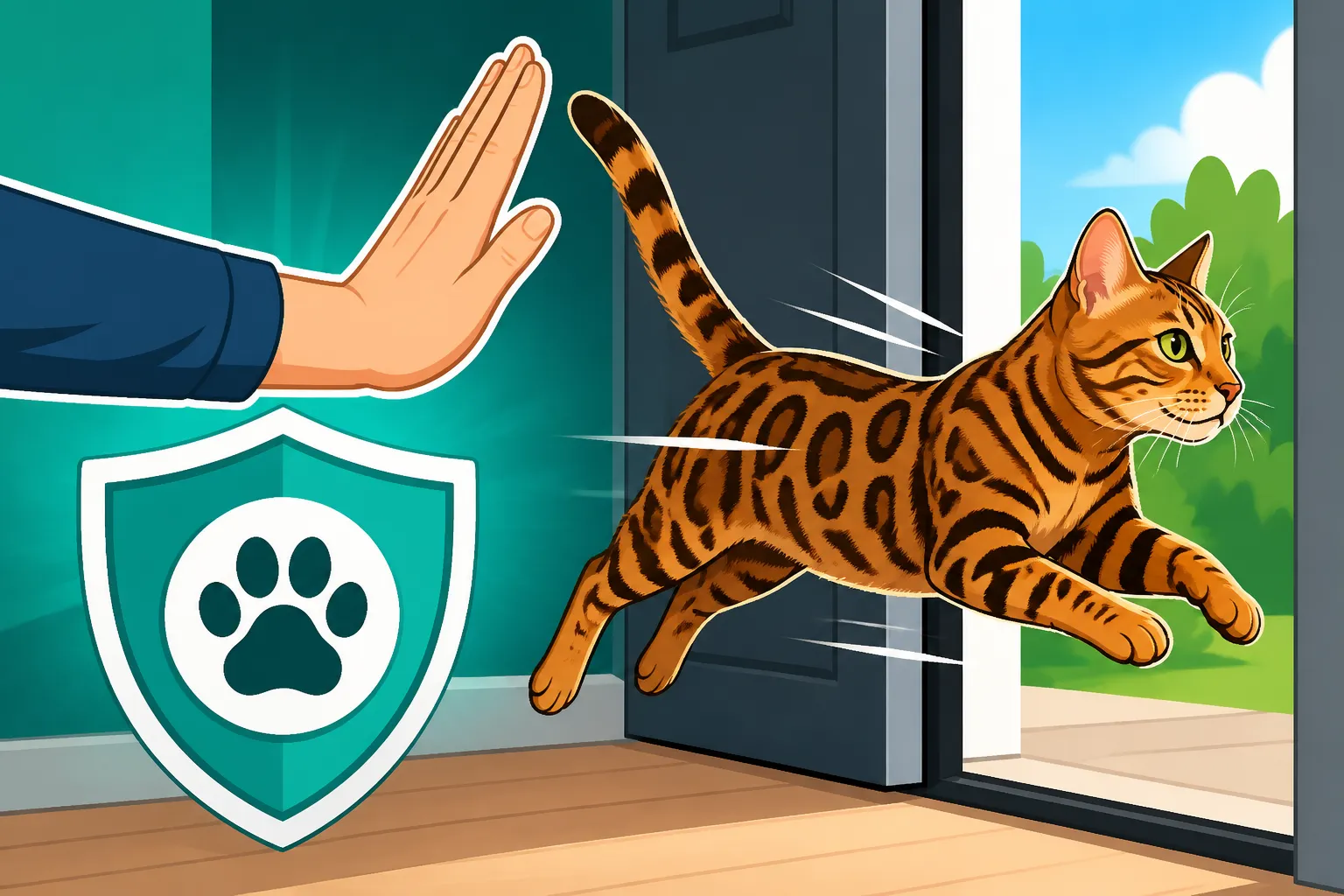
How to Stop a Bengal Cat Door Dashing
It's a familiar scene for so many Bengal cat owners: you're just trying to leave the house, or perhaps you've got your hands full with groceries, and suddenly, a flash of spotted fur darts between your legs and out the door. The sheer speed and cunning of these magnificent felines can turn a simple exit into a heart-stopping game of chase. This guide is here to commiserate with that frustration and equip you with practical, actionable strategies to prevent your Bengal cat from door dashing and ensure they stay safely inside, where they belong.
Understanding Why Your Bengal Cat Door Dashes
Before we can effectively stop the behavior, it's crucial to understand why your Bengal cat is so determined to slip past you the moment a door cracks open. It’s not just defiance; it’s rooted deeply in their genetics and unique personality. Knowing their motivation helps you develop more empathetic and effective solutions.
The Instinctual Drive for Exploration
Let's face it, Bengals aren't your average couch potato housecat. Their lineage ties them directly back to the Asian Leopard Cat, and with that comes a powerful, innate drive to explore, hunt, and experience the world around them. For a Bengal, an open door isn't just an exit; it's a gateway to a whole new sensory adventure. They smell new scents, hear distant birds, and see movement that our human eyes might miss. This intense curiosity makes them incredibly difficult to deter. You might feel like they're just waiting for that single opportunity, and in a way, they absolutely are! They’re constantly assessing their environment, looking for new stimulation and opportunities for adventure. This isn't a flaw in their character; it's a fundamental part of The Bengal Cat Is the Hybrid Most Registries Fully Accept and The Bengal Cat Is the Most Active Cat You Can Own.
This hardwired instinct means that simply telling them "no" or scolding them isn't going to be effective in the long run. Their brains are wired for activity and novelty. Confining all that energy and intellect to an indoor space, no matter how well-appointed, can still leave them feeling antsy if they aren't properly stimulated. They see the outside world as a vast, rich playground full of possibilities for hunting, climbing, and discovery, which is incredibly tempting when compared to the familiar confines of home.
Think of it from their perspective: they're essentially a mini-explorer trapped within four walls. Every time you open that door, they see a glimpse of that enticing unknown. The urge to investigate is almost irresistible. It’s why consistency in your approach is so critical, because even one successful dash reinforces the idea that the outside world is accessible and worth the effort. They learn quickly, and they remember what worked for them before.
The Thrill of the Chase and Novelty
Beyond pure exploration, there's a strong element of "the thrill of the chase" involved when a Bengal cat door dashes. The act itself—the sudden burst of speed, the feeling of successfully eluding you—can be a form of play for them. The novelty of whatever lies on the other side of that threshold is a huge draw. It's not just about getting outside; it's about the excitement of the unexpected, the rapid change of scenery, and the sudden rush of freedom. Many Bengal owners will tell you, "They don't just want out, they need out!" and there's a kernel of truth in that feeling. Their energy levels are often higher than other breeds, making them crave constant engagement.
The outdoor environment provides an unparalleled level of sensory input. A new scent on the breeze, the rustle of leaves, the flash of a squirrel—these are all potent motivators for a Bengal cat with a keen prey drive and an insatiable desire for stimulation. Inside, even with the best toys, the environment eventually becomes predictable. The outside world is anything but. This constant influx of new information is incredibly enriching for them, which is why they work so hard to get a taste of it.
This inherent need for novelty also means that if their indoor environment isn't rich enough, the draw of the outdoors becomes even stronger. A bored Bengal is a creative Bengal, and that creativity often translates into finding ways to get what they want, including the thrill of an outdoor excursion. Recognizing this aspect of their personality is vital for designing effective long-term solutions that provide acceptable alternatives to door dashing. It's about channeling that energy and curiosity, not stifling it.
Immediate Strategies for Door Safety
When you're dealing with a Bengal who sees every open door as an invitation to adventure, you need immediate, foolproof strategies to prevent escapes. These methods focus on physical barriers and consistent human behavior to minimize opportunities for dashing.
Creating a "Safe Zone" at the Door
One of the most effective immediate strategies is to create a physical "safe zone" or buffer area around your exterior doors. This doesn't have to be complicated, but it does need to be consistent. The idea is to have a space that your Bengal is discouraged from entering when the door is in use. This could involve a sturdy pet gate placed a few feet in front of the door, creating a small antechamber. For smaller spaces, even a tall, heavy box or a temporary screen can serve as a visual and physical deterrent, making it harder for them to get a clear run. Think of it as a defensive perimeter.
You can find various pet gates on Amazon that are tall enough to deter an agile Bengal. Some owners even use baby gates, ensuring they are securely mounted. The goal isn't to trap your cat permanently, but to prevent that lightning-fast dash. When you approach the door, your Bengal should learn to stay behind this barrier. This is especially helpful when you're carrying groceries, children, or anything else that limits your ability to react quickly. It creates a routine: door opens, cat stays behind the gate. Over time, your cat will associate the gate with the door opening and learn to respect that boundary. This concept is similar to managing their access to other restricted areas, like How to Keep a Bengal Cat Off the Counter.
It's important that this safe zone is perceived as non-negotiable. If your Bengal manages to jump or climb over the gate, it's not tall enough, or it's not secure. You might need to experiment with different types of gates or even combine methods, such as a gate with a stool or small table placed just inside it to block jumping access. The key is to make their usual dash route physically impossible or at least significantly more challenging, buying you precious seconds to manage the door. The visual cue of the barrier itself can eventually become a signal for them to hold back.
The "Doorway Dance" and Body Blocking
Sometimes, physical barriers aren't always practical or possible, or you need an additional layer of defense. This is where the "doorway dance" and body blocking come in. This technique requires you to be hyper-aware and intentional every time you open an exterior door. The moment you grasp the doorknob, scan for your Bengal. If they're anywhere near, pause. Take a step back, use your body to create a physical barrier, or even carry a laundry basket or a large tote bag to place in front of the opening as you exit or enter.
The "doorway dance" involves opening the door just a crack, peeking out, checking for your cat, and then if clear, slipping through while keeping your body positioned to block any potential escape. If your cat is too close, you might need to gently nudge them back with your foot (never hurt them, just enough to break their forward momentum) or use a verbal cue like "Stay!" or "Back!" while maintaining eye contact. The objective is to make it abundantly clear that the doorway is your space for passage, not theirs.
Consistency is absolutely paramount here. Every single time you open the door, you must perform this dance. If you let them slip out even once, you've just reinforced their belief that persistence pays off. It might feel tedious and a bit silly at first, but with enough repetition, your Bengal will start to understand the routine and might even begin to anticipate your blocking maneuvers, learning to wait a safer distance away. This method relies heavily on your attentiveness and commitment to making the doorway a "no-go" zone during entry and exit.
Long-Term Training and Environmental Solutions
While immediate strategies are crucial for safety, long-term success in stopping door dashing comes from addressing your Bengal's underlying needs through training and enriching their indoor environment. This helps to reduce their overall desire to escape.
Harness Training and Leashed Adventures
For many Bengals, the powerful drive to explore the outdoors isn't something that can simply be suppressed; it needs an outlet. Harness training and supervised leashed adventures can be a fantastic way to satisfy this urge safely. Instead of making the outdoors a forbidden fruit, you turn it into a controlled, shared experience. Start by introducing the harness in short, positive sessions indoors. Let your Bengal wear it for a few minutes, distracting them with treats or play, gradually increasing the time. Once they're comfortable with the harness, attach the leash and let them drag it around the house under supervision.
When they are fully accustomed to the harness and leash, begin short excursions into a safe outdoor space, like a quiet backyard. Allow them to explore at their own pace, letting them sniff and investigate. This isn't about forced walks; it's about giving them controlled access to the sensory richness of the outdoors. You might find some excellent, escape-proof harnesses on Amazon that are specifically designed for cats, ensuring they can't slip out. How to Leash Train a Bengal Cat can provide a more in-depth guide on getting started, and you'll want to ensure you pick Which Harness Fits a Bengal Cat properly to avoid any escapes.
Offering regular, supervised outdoor time on a leash can significantly reduce their impulse to dash through an open door. They learn that going outside is a privilege earned through cooperation, not a desperate escape. It helps to fulfill their natural curiosity and energy levels in a safe way, making the desperate dash less appealing because they know they'll get their "outside fix" in a structured manner. This can turn a frustrating habit into a bonding experience.
Enriching the Indoor Environment
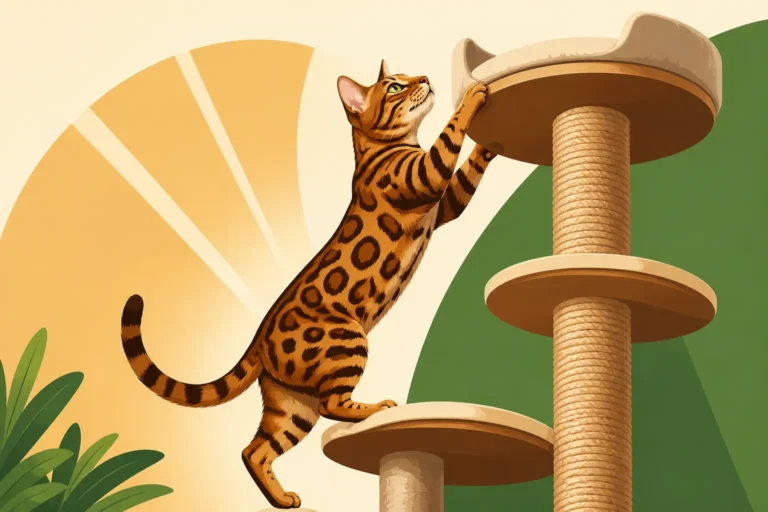
A bored Bengal cat is a mischievous Bengal cat, and often, an indoor environment that lacks sufficient stimulation is a primary driver for door dashing. If your cat isn't getting enough mental and physical exercise indoors, the allure of the outside world becomes overwhelming. To combat this, you need to create an incredibly enriching indoor space that caters to their high energy and intelligence. This means providing ample vertical space for climbing, like tall cat trees and wall-mounted shelves. Bengals are natural climbers, and giving them places to ascend satisfies a primal instinct.
Interactive toys are also crucial. Think puzzle feeders that make them "work" for their food, wand toys for active play sessions, and even rotating toys to keep things fresh. Schedule dedicated playtime with your Bengal every day—multiple times a day, if possible. These sessions should be intense and engaging, mimicking hunting behavior. For example, use a wand toy to simulate a bird flying or a mouse scurrying, allowing your cat to "catch" the prey at the end of the session. Look for a variety of challenging toys on Amazon, from treat-dispensing balls to elaborate multi-level puzzle toys. How Much Enrichment a Bengal Cat Actually Needs is probably more than you think!
Remember, Bengals can jump quite high, so utilize that vertical space. Install cat shelves near windows so they can observe the outside world from a safe vantage point without feeling the need to be in it. How High a Bengal Cat Can Jump can be surprising, so ensure shelves are securely mounted and well-placed. A richly stimulating indoor environment makes home a captivating place to be, reducing the desperate urge to escape when a door opens because they have so many engaging options right where they are.
Clicker Training for Doorway Manners
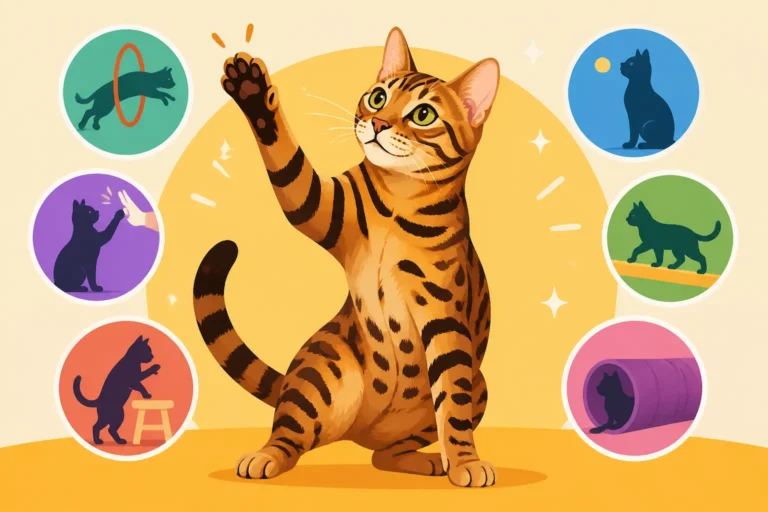
Clicker training is a powerful positive reinforcement tool that can teach your Bengal cat specific behaviors around doorways, effectively replacing the undesirable dashing behavior with a desired one. The goal is to teach them that good things happen when they don't rush the door. Start with a simple command like "sit" or "stay" a few feet away from the door, far enough that they aren't tempted to dash. When they perform the desired action (sitting or staying), click and reward them with a high-value treat immediately.
Gradually increase the duration of the "stay" and slowly move closer to the door, always clicking and treating for success. The ultimate goal is for them to sit and wait patiently whenever the door opens, associating that calm behavior with positive rewards. Some owners teach their Bengals to go to a designated "mat" a safe distance from the door when they hear the jingle of keys or the sound of the doorknob turning. How to Clicker Train a Bengal Cat can give you a great foundation in this method.
The key to success with clicker training is consistency and patience. Everyone in the household needs to use the same commands and reward system. Bengals are incredibly intelligent and respond well to this type of training because it engages their minds and offers a clear path to getting what they want (treats!) by performing a specific action. Over time, your Bengal will learn that staying calm and waiting by the door brings rewards, while dashing achieves nothing and potentially delays their treat. This positive association can be more effective than punishment, which can create fear or anxiety. Bengals are quick learners, and you might be surprised by Which Commands a Bengal Cat Learns Fastest when high-value treats are involved.
Additional Considerations and Advanced Tactics
Beyond direct training, there are other important steps you can take to make your home more secure and prepare for the possibility of an accidental escape.
Securing Your Home Against Escapes
Door dashing isn't the only way a determined Bengal can escape. Their intelligence and agility mean they can find weaknesses in your home's defenses you never even considered. Regularly inspect all windows, screens, and any pet doors for damage or insufficient security. A flimsy screen is an open invitation for a Bengal to bat at until it gives way, or even to claw their way through. Ensure all window screens are heavy-duty and securely latched. Consider adding extra locks or security bars to windows that are frequently opened.
If you have sliding doors, make sure they have a sturdy security bar in the track. Bengals can be remarkably adept at manipulating latches and handles. Some owners even report their Bengals learning to open lever-style doorknobs! You might need to install child-proof locks or high latches on doors that lead outside or to potentially dangerous areas. Think like a Bengal: where would you try to get out if you were an agile, curious cat? Check for any small gaps in your fencing if you have a yard, as they can squeeze through surprisingly tight spaces. Regularly checking these points can prevent a stressful incident and reduce How Often a Bengal Cat Escapes the House.
For the most persistent door dashers, some owners opt for a double-door entry system, similar to a vestibule or mudroom, if their home layout allows. This creates a second barrier, ensuring that if your Bengal slips past the first door, they are still contained before reaching the great outdoors. This might sound extreme, but for a highly motivated Bengal, it can be a lifesaver.
Microchipping and ID Tags
Even with the most stringent prevention methods, accidents can happen. A visitor might leave a door open, or a strong gust of wind could blow a gate ajar. In these unfortunate scenarios, having proper identification for your Bengal is absolutely critical for their safe return. The most important step is to ensure your Bengal cat is microchipped. A microchip is a tiny, rice-grain-sized transponder implanted under their skin, usually between the shoulder blades. It contains a unique identification number that can be scanned by any vet, shelter, or animal control facility.
After microchipping, it is vital to register the chip with a national pet recovery database and keep your contact information up-to-date. If you move or change your phone number, update your microchip registration immediately. A microchip is permanent and cannot be lost like a collar. However, a collar with an ID tag is also highly recommended as a first line of defense. A visible tag with your phone number can allow a finder to contact you directly without needing to take your cat to a scanner.
For a highly active cat like a Bengal, consider a breakaway collar to prevent accidental snagging and injury. While the collar might come off, the microchip remains. Knowing Why a Bengal Cat Should Be Microchipped provides immense peace of mind. It’s a small investment that offers a huge return if your adventurous Bengal ever does manage to get past all your careful defenses and wander a little too far from home.
Comparison of Door Dashing Prevention Methods
| Method | Description | Pros | Cons | Effectiveness |
|---|---|---|---|---|
| Pet Gates/Barriers | Physical barrier placed in front of exterior doors. | Immediate physical deterrent, creates safe zone. | Can be bypassed by agile cats, requires installation. | High |
| "Doorway Dance" | Using body blocking and vigilance when entering/exiting. | No equipment needed, reinforces human authority. | Requires constant vigilance, can be tiring. | Medium-High |
| Harness Training | Supervised outdoor exploration on a leash. | Satisfies outdoor curiosity safely, builds bond. | Time-consuming to train, not a direct door-dashing deterrent. | Indirect High |
| Environmental Enrichment | Providing ample indoor stimulation (trees, toys, puzzles). | Reduces overall desire to escape, enhances cat's well-being. | Requires ongoing effort and variety, not an immediate fix. | Indirect High |
| Clicker Training | Teaching specific "stay" or "mat" commands at doorways. | Positive reinforcement, addresses root behavior. | Requires consistent training, may take time to master. | High |
| Home Security Upgrades | Reinforcing screens, adding window/door locks. | Prevents escape from other points, adds peace of mind. | Can be costly, doesn't address door-dashing behavior directly. | High |
| Microchipping & ID Tags | Permanent ID for recovery if escape occurs. | Essential for safe return, passive safety net. | Doesn't prevent escape, only aids recovery. | Recovery |
Disclaimer
This article is for general informational purposes only and does not constitute professional advice. Laws, prices and regulations vary by location and change over time. Consult a qualified professional for guidance on your specific situation.