Litter and Boxes for a Bengal Cat That Digs
One of the most common frustrations Bengal cat owners face, and often one they don't anticipate, is the sheer force and enthusiasm with which these magnificent cats excavate their litter boxes. You come home to find litter granules scattered halfway across the room, kicked out with a fervor usually reserved for burying prey. This guide is here to help you navigate the unique challenges of litter and litter boxes for your prodigious digging Bengal, offering practical solutions to keep your home cleaner and your cat happier.
Understanding the Bengal Cat's Digging Instinct
When you watch a Bengal cat in their litter box, it's not just a casual scratch to cover their business; it's an archaeological dig. They go at it with gusto, sometimes for what feels like an eternity, kicking up a storm of litter that ends up everywhere but inside the box. It’s enough to make you throw your hands up in exasperation, wondering if your cat secretly thinks they’re unearthing ancient treasures.
Why Bengal Cats Dig So Enthusiastically
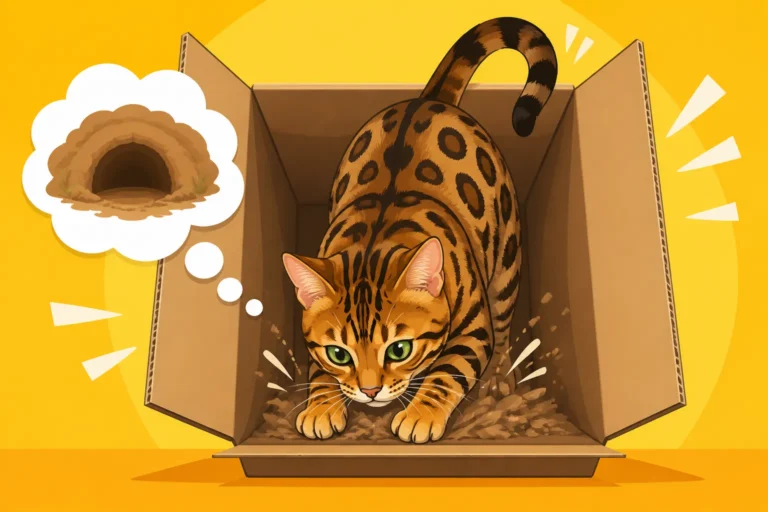
Bengals are incredibly active and intelligent cats, and frankly, they do everything with a bit more intensity than your average housecat. This high-energy approach extends even to their bathroom habits. Their digging isn't a sign of malice; it's an ingrained instinct, amplified by their wild ancestry. They're not just covering waste; they're performing a ritual, a deep-seated behavior that makes them feel secure. Imagine a small wild cat in the jungle, carefully burying its scent to avoid predators or announce its presence. That primal urge is still very much alive in your Bengal.
This intense digging can also be a form of stimulation for them. For a cat that thrives on interaction and activity, even something as mundane as the litter box can become an outlet for their abundant energy. If your Bengal isn't getting enough playtime or mental stimulation, you might notice their digging becomes even more frantic. It's almost like they're trying to tell you, "Hey, I've got a lot of energy to burn, even if it's just in here!"
The Wild Roots of Their Litter Box Habits
The Asian Leopard Cat, the wild ancestor of the Bengal, is a creature of instinct, and instinct dictates that waste must be thoroughly buried to avoid detection. This isn't just about cleanliness; it's a survival mechanism. Your Bengal, even generations removed from the wild, carries a significant portion of that genetic programming. They don't just "go"; they participate in a profound act of concealment. This is why you often see them digging all the way to the bottom of the box before, and sometimes even after, they've done their business.
This deeply ingrained behavior is fascinating to observe, but it does mean that what might be an adequate litter setup for a calmer domestic cat simply won't cut it for a Bengal. They need space to perform their ancient ritual without feeling cramped or exposed. Understanding this deep-seated need for vigorous digging is the first step in finding a solution that works for both you and your leopard-spotted companion. Trying to force them to stop digging is like asking them to stop purring – it's just not going to happen.
The Frustration of Litter Scattered Everywhere
Let's be real, the constant battle against scattered litter can be incredibly frustrating. You clean, you sweep, you vacuum, and within hours, it looks like a miniature sandstorm hit your bathroom or laundry room. It gets tracked into beds, stuck to your socks, and sometimes, you even find it in the most unexpected places. This isn't just annoying; it can feel like a never-ending chore that detracts from the joy of having such a wonderful cat.
Many owners try everything: smaller litter boxes, different types of litter, even trying to "train" their Bengal not to dig so much, usually to no avail. The frustration often stems from not understanding the root cause: it's not a behavioral problem in the sense of naughtiness; it's a natural, unstoppable instinct. Acknowledging this can shift your approach from trying to stop the behavior to trying to contain its inevitable mess. It's about finding smart strategies, not fighting against their very nature.
Choosing the Right Litter Box Size and Type
When it comes to litter boxes for a Bengal cat, bigger truly is better. Don't underestimate the physical presence and vigorous activity of these cats. What looks like a generously sized box for a typical housecat might feel like a cramped closet to your wild-at-heart Bengal.
Why a Bigger Box is Always Better for a Bengal
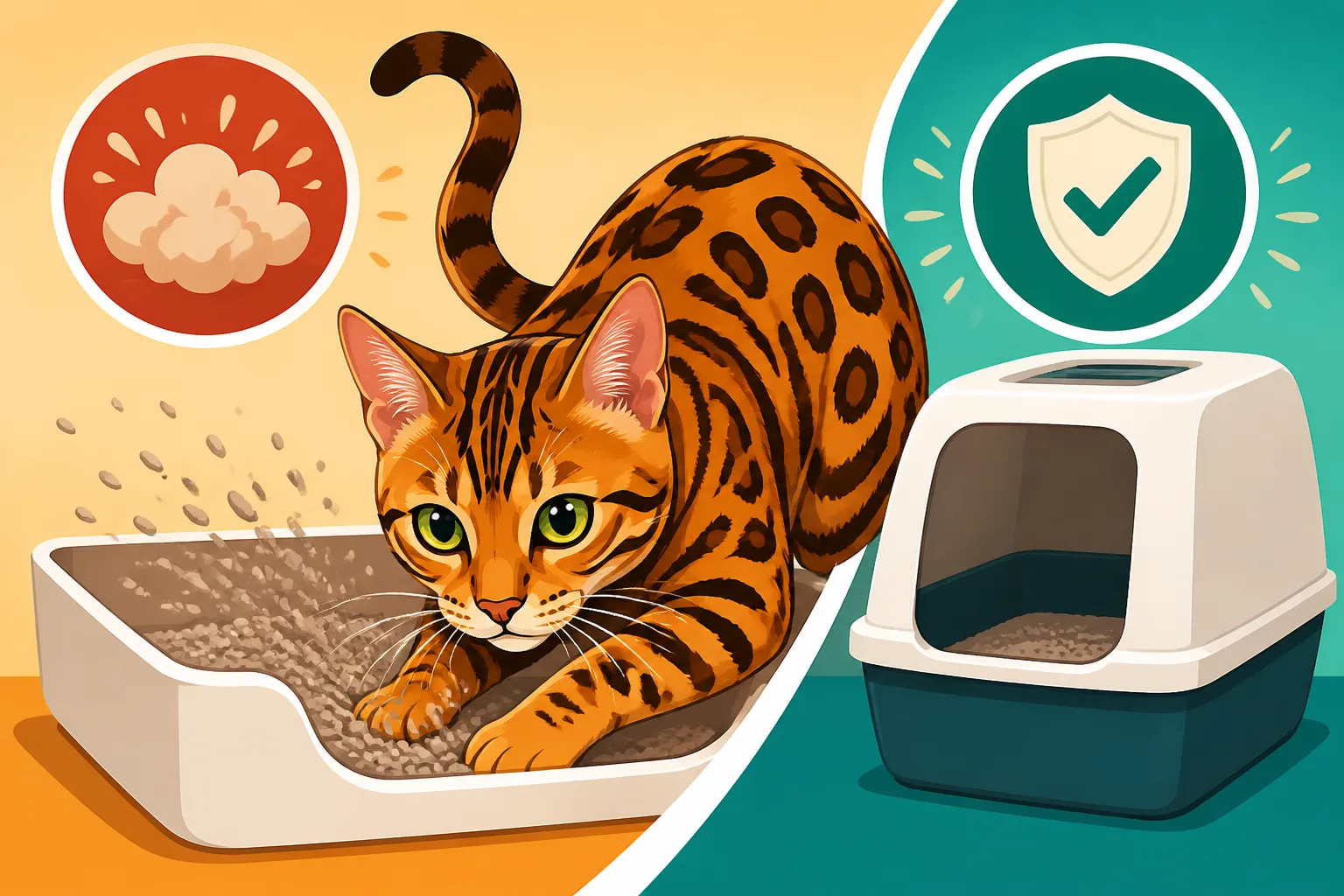
Imagine trying to dig a trench in a small sandbox. You'd quickly hit the sides, scatter sand everywhere, and feel quite restricted. This is exactly what happens with your Bengal in a standard-sized litter box. Their powerful legs and energetic digging mean they need ample space to maneuver and perform their vigorous burying rituals. A large, open box allows them to dig to their heart's content without constantly hitting the edges or flinging litter over the sides.
When considering a new litter box, think about the dimensions, not just the "large" label. Look for something that truly dwarfs your Bengal, giving them plenty of room to stretch out, turn around, and dig without constraint. This extra space not only contains more litter but also provides a more comfortable and appealing environment for your cat, which can prevent them from looking for alternative, less desirable spots to relieve themselves. For a truly digging Bengal, even an extra-large dog litter pan might be more appropriate than many standard cat boxes. This might also help if you're dealing with issues like spraying (How Often a Bengal Cat Sprays).
The Case Against Covered Litter Boxes for Diggers
Many well-meaning owners opt for covered litter boxes, hoping they'll contain the mess. And for some cats, they do. But for a Bengal, especially one who digs with enthusiasm, a covered box can actually exacerbate the problem. The enclosed space acts like a fun little tunnel, directing all that vigorously kicked litter straight out the entrance. Instead of a wide scattering, you get a concentrated pile right in front of the box. Plus, the confined space can make a Bengal feel trapped and uncomfortable.
Beyond the litter trajectory, covered boxes can hold odors inside, making the environment unpleasant for your cat. Bengals have keen senses, and a smelly, cramped space can lead to litter box aversion. If your cat associates their bathroom with an unpleasant experience, they might start seeking out other, less ideal places to go. While the idea of a covered box is tempting for controlling visual mess and smell, for a heavy-digging Bengal, it often creates more problems than it solves. Instead, focus on Why a Bengal Cat Needs the Biggest Box You Can Find and a high-sided, open approach.
Considering Self-Cleaning Boxes for Bengal Cats
Self-cleaning litter boxes offer the allure of convenience, and for busy owners, they can seem like a godsend. However, for a Bengal cat that digs, they come with a few caveats. Some models might struggle with the sheer volume of litter moved by a vigorous digger, potentially jamming mechanisms or failing to clean effectively. The raking mechanism might also be perceived as threatening or startling by a sensitive Bengal, leading to avoidance.
If you're considering a self-cleaning option, research models specifically designed for larger, more active cats, or those with very robust mechanisms. You'll also need to consider the type of litter compatible with the machine, as not all litters work well with automated systems. While they promise less scooping, they don't necessarily promise less tracking if your Bengal is a super digger. They can be a significant investment, so weigh the potential benefits against the specific habits of your Bengal before committing. You might find better luck with traditional, extra-large, high-sided boxes.
Selecting the Best Litter to Minimize Mess
The type of litter you use plays a massive role in how much mess ends up outside the box. For a Bengal cat that approaches their digging with the enthusiasm of a gold prospector, choosing the right litter can be a game-changer. It's not just about odor control; it's about density, clumping ability, and how easily it adheres to paws.
The Pros and Cons of Clay Litters for Digging Bengals
Traditional clumping clay litters are a popular choice for a reason: they're generally affordable, widely available (even on platforms like Amazon and Chewy), and excellent at odor absorption and clumping. For a Bengal, the clumping action is crucial because it makes scooping easier, which is vital when they're digging to the bottom of the box. If the litter clumps well, it means you're removing more waste, keeping the box cleaner and more appealing for your fastidious feline.
However, clay litters, particularly the finer-grained varieties, are notorious for tracking. Those tiny particles stick to paws and fur, and with a vigorous digger, they get propelled out of the box with considerable force. This is often the primary culprit behind the "litter all over the house" phenomenon. You might find that larger-granule clay litters track slightly less, but even then, a determined Bengal can still make a significant mess. There's also the dust factor, which can be an issue for cats and humans with respiratory sensitivities.
Silica Gel and Crystal Litters: A Cleaner Option?
Silica gel or crystal litters offer a different approach. They work by absorbing moisture and odors, and generally, they produce less dust than clay. Many owners find that these litters track less because the crystals are larger and don't cling to paws in the same way fine clay granules do. This can be a huge benefit for a household with a digging Bengal. The downside is that they typically don't clump solid waste, requiring you to scoop solids and stir the crystals to maximize absorption.
For a Bengal that digs deep, you'll need to ensure there's a generous layer of crystal litter to adequately absorb all liquids and prevent odors. These litters can also be more expensive upfront, though they often last longer, potentially balancing out the cost over time. The texture can be different, and some Bengals might initially be hesitant to use them, so a gradual transition might be necessary. But for reducing tracking, they are definitely worth considering as a cleaner option for managing the aftermath of enthusiastic digging.
Natural and Alternative Litters: Dust and Tracking
The world of natural litters has expanded considerably, offering options like pine, corn, walnut, and recycled paper. These can be appealing for their eco-friendliness, biodegradability, and often, their lower dust content. For a Bengal owner, the key questions are: how do they clump, and how much do they track?
Pine litters, often in pellet form, are great for odor control and low dust, but they don't clump in the traditional sense; rather, they disintegrate into sawdust when wet. This can be tricky for a digging Bengal, as the fine sawdust can still track, and removing all the wet material thoroughly can be more challenging. Corn and walnut litters often offer good clumping and odor control, with varying degrees of tracking depending on the brand and granule size. Some owners swear by them for their natural appeal and reduced dust. Recycled paper litters tend to be very low dust and tracking, but their absorbency and odor control can be hit or miss, and they don't usually clump. When exploring these options, it's often a process of trial and error to find Which Litter a Bengal Cat Throws Least while still meeting your cat's preferences and your cleanliness standards.
| Litter Type | Pros for Bengals | Cons for Bengals | Tracking Potential | Dust Level |
|---|---|---|---|---|
| Clay (Fine) | Excellent clumping, good odor control, affordable | High tracking, can be dusty, heavier | High | Moderate |
| Clay (Coarse) | Good clumping, good odor control, affordable | Still tracks, can be dusty, heavier | Moderate | Moderate |
| Silica Gel | Low tracking, low dust, good odor absorption | No clumping for solids, more expensive | Low | Low |
| Pine Pellets | Low dust, natural scent, eco-friendly | Doesn't clump, turns to sawdust (can track), texture change | Moderate | Low |
| Corn/Walnut | Good clumping, natural, some odor control | Varies by brand, can still track | Moderate | Low |
| Recycled Paper | Very low dust, very low tracking, eco-friendly | Poor odor control, no clumping, messy when wet | Low | Very Low |
Strategic Placement and Quantity of Litter Boxes
You might think one litter box is enough, especially if it's a big one. But for a Bengal, who often views their environment as their personal playground, the number and placement of their boxes are critical, particularly when dealing with a super digger. This isn't just about convenience; it's about giving them choices and preventing accidents.
The Multi-Box Rule for Bengal Households
One of the golden rules in cat ownership is to have one more litter box than you have cats. For a single Bengal, this means at least two boxes. If you have two Bengals, aim for three. This isn't overkill; it's essential for preventing issues. Bengals are intelligent and can be particular. They might prefer one box for urinating and another for defecating, or they might simply appreciate having a fresh, undisturbed option, especially after they've thoroughly excavated their primary box.
Having multiple boxes, strategically placed, reduces the likelihood of them going outside the box if their preferred spot is "unacceptable" to them (i.e., too dirty, or already dug out). This also spreads out the "litter real estate," meaning less concentrated digging in one spot and potentially less litter kicked out of a single area. It's a simple change that can make a big difference in the overall cleanliness and harmony of your home. Remember, a Bengal will happily demand better facilities through their actions if their current setup isn't up to their standards. For further reading, see Why One Box Is Never Enough for a Bengal Cat.
Ideal Locations to Reduce Litter Tracking
Where you put the litter boxes is almost as important as the boxes themselves. For a digging Bengal, you need to think about minimizing tracking and ensuring privacy. Avoid high-traffic areas where they might feel exposed or interrupted. A quiet corner of a laundry room, a spacious bathroom, or a dedicated utility space can work well. The goal is to provide a sense of security while also making cleanup manageable.
Consider locations with hard, easy-to-clean flooring like tile or linoleum, rather than carpet. This makes sweeping up stray granules much simpler. If you have multiple floors, ensure there's at least one box on each level your Bengal frequents. This eliminates the need for them to traverse long distances or navigate stairs when nature calls, which can be especially important for The Age a Bengal Cat Is Considered Senior cats. Placing boxes away from their food and water bowls is also crucial, as no cat wants to eat next to their toilet.
Creating a Dedicated Litter Zone
To truly tackle the "litter everywhere" problem, consider creating a dedicated "litter zone." This isn't just a box tucked in a corner; it's an area designed to contain the mess. This could be a large, washable mat under and around the boxes, or even a small, easy-to-clean enclosure. Some people use child-safe playpens or large plastic tubs with an entry cut out to contain the box and any kicked-out litter within its walls.
This dedicated zone allows your Bengal to dig and kick with abandon, knowing that the majority of the mess will be contained within a specific, easy-to-clean perimeter. You can accessorize this zone with a good litter mat, a small dustpan and brush for quick cleanups, and perhaps even a small motion-activated light if the area is dim. Investing a little time and thought into creating a functional litter zone can save you hours of sweeping and endless frustration down the line.
Combatting Litter Tracking and Mess
Even with the biggest boxes and the "best" litter, a determined Bengal cat will likely still kick out some litter. The trick is to minimize the spread and make cleanup as efficient as possible. This is where a multi-pronged approach really shines, addressing both containment and habit.
Litter Mats: Your First Line of Defense
A good litter mat is absolutely essential for a Bengal household. These aren't just decorative items; they're functional tools designed to capture litter from your cat's paws as they exit the box. There's a huge variety available, from simple rubber mats with grooves to more advanced honeycomb or mesh designs that trap litter within their layers. Look for large mats that extend well beyond the exit points of the litter box, giving your Bengal ample space to walk across before stepping onto your clean floor.
Some of the most effective mats are those with deep grooves or dual layers that actively pull litter off paws and hold it. You can find excellent options on Amazon or Chewy, with various materials and textures. Experimentation might be necessary to find Whether a Bengal Cat Needs a Litter Mat and which one works best for your specific cat and litter type. Regular cleaning of the mat itself is crucial, as a full mat won't do its job effectively. Shake it out daily or vacuum it to keep it ready to capture more stray granules.
Creative Solutions for Containment and Cleanup
Beyond mats, there are several creative ways to contain the mess from a digging Bengal. High-sided litter boxes are a fantastic choice, some designed with extra-tall walls that dramatically reduce litter scatter. You can even repurpose a large storage tote by cutting a doorway into one side, creating an instant high-walled enclosure. The taller the sides, the more trajectory their energetic kicks need to overcome.
For cleanup, invest in a powerful, handheld vacuum cleaner, specifically designed for pet hair and debris. Having it readily accessible near the litter zone makes quick cleanups a breeze, preventing accumulation. Some owners even place a small, sturdy broom and dustpan next to each box for immediate sweeping. The goal is to make cleaning up stray litter so easy that it becomes a habit rather than a dreaded chore. Remember, a quick sweep after each use can prevent a mountain of mess later on.
Training Your Bengal for Better Litter Box Manners
While you can't stop a Bengal from digging, you can encourage better habits around the litter box itself. Positive reinforcement is key here. Reward your Bengal with praise or a small treat when they use the litter box appropriately and don't make an excessive mess (or at least, a mess you can contain). This isn't about scolding them for digging, but about reinforcing the desired outcome.
You can also try placing a small, flat stepping stone or a textured mat right outside the litter box opening, encouraging them to wipe their paws a little before stepping onto the main floor. Some owners even find success with clicker training for basic commands around the litter box, like "exit" or "clean paws," which can be a fun way to engage your intelligent Bengal while subtly encouraging better habits. The highly intelligent Bengal cat can pick up on cues quickly, so consistent, positive training can make a difference.
Maintaining Litter Box Hygiene for a Bengal Cat
Keeping the litter box clean isn't just about reducing odors; it's vital for your Bengal's health and happiness. Bengals are notoriously fastidious, and an unclean box can lead to refusal to use it, which in turn leads to accidents around your home.
Scooping Frequency for a Digging, Active Cat
For a Bengal, daily scooping is not just recommended; it's mandatory, and often, even more frequent than that. Given their intense digging, they can quickly turn a clean box into a dug-out wasteland. A fresh, clean bed of litter after each use is what they instinctively prefer. Aim to scoop at least twice a day, or even after every use if your schedule allows. If you work from home, a quick scoop after each visit can make a huge difference in keeping the box pristine and preventing lingering odors.
Leaving clumps and waste in the box for too long not only makes it smell terrible but also presents an unpleasant surface for your Bengal to dig in. They might try to dig around the soiled areas, leading to more litter being kicked out, or they might simply decide the box isn't up to their standards anymore. Regular, diligent scooping is the simplest and most effective way to ensure your Bengal continues to use their litter box reliably and happily.
Deep Cleaning Schedules and Odor Control
Beyond daily scooping, the entire litter box needs regular deep cleaning. This means emptying all the litter, washing the box thoroughly with mild soap and water (avoid harsh chemicals, which can deter cats), and letting it dry completely before refilling with fresh litter. For a Bengal, who can be quite sensitive to lingering smells, a full deep clean should happen at least once a week, or every two weeks at the absolute maximum, depending on the number of boxes and cats.
For odor control, ensure you're using a high-quality litter with good odor-absorbing properties. Baking soda can be sprinkled at the bottom of the clean box before adding litter to help with absorption. Some activated charcoal products designed for litter boxes can also be effective. Avoid heavily scented litters or deodorizers, as these can be overwhelming for a cat's sensitive nose and might actually deter them from using the box. Natural ventilation in the litter area is also important to dissipate any lingering smells.
Dealing with Litter Box Aversion Caused by Digging
If your Bengal suddenly stops using their litter box, despite your best efforts, it could be a sign of litter box aversion. While medical issues should always be ruled out first by a vet, an unclean or unsuitable litter box is often the culprit, especially for a digging cat. They might associate the box with discomfort, a bad smell, or simply a lack of appropriate digging space.
To address aversion, go back to basics: ensure you have enough large, open litter boxes, scooping frequently. Try different types of litter to see if a particular texture or scent is bothering them. Observe your cat's behavior around the box – do they seem hesitant to enter, or do they jump out quickly? Sometimes, simply moving the box to a quieter, more private location can make a world of difference. Consistency in cleanliness and providing choices are key to rebuilding their positive association with the litter box. If your Bengal has Chronic Diarrhea Is the Bengal Cat Complaint Nobody Warns About, this can also lead to aversion if the box isn't cleaned promptly.
Special Considerations for Bengal Kittens and Seniors
The journey with a Bengal cat, from energetic kittenhood to dignified senior years, brings different litter box challenges. What works for a bustling adult might not be suitable for a tiny kitten or a stiff older cat. Adapting your setup ensures comfort and prevents accidents throughout their lifespan.
Starting Bengal Kittens on Good Litter Habits
Bengal kittens are bundles of energy, and their digging instinct often starts early. When bringing a kitten home, it's crucial to start them off with good litter habits. Initially, a slightly smaller, more easily accessible box might be appropriate – not too deep, so they can easily climb in and out. However, as they grow quickly, you'll need to transition to larger boxes sooner rather than later to accommodate their growing size and digging prowess.
Use the same type of litter the breeder used, at least initially, to minimize stress and confusion. Place the litter box in a quiet, easily accessible area. Gently place your kitten in the box after they wake up, eat, or play, to help them associate the box with elimination. Praise them when they use it. Their innate drive to bury will kick in, but making the experience positive and consistent from the start sets them up for a lifetime of good litter habits. Remember, Whether a Bengal Cat Kitten Arrives With Diarrhea can sometimes complicate early litter training, so keep an eye out for any tummy troubles.
Adjusting Litter Boxes for an Aging Bengal
As your Bengal cat ages, their physical capabilities may change. They might develop arthritis, making high-sided boxes difficult to enter, or their vision might decline, affecting their ability to locate the box. For Caring for a Bengal Cat Past Ten, adjustments to their litter box setup become vital for their comfort and dignity.
Consider introducing boxes with lower entry points, or creating ramps if needed. The core principle of a large, open box still applies, but accessibility becomes paramount. Ensure the litter itself isn't too deep, making it hard for stiff joints to maneuver. Multiple boxes on each floor become even more important, reducing the distance an aging cat needs to travel. Their digging instinct might lessen with age, but a comfortable, clean, and easily accessible box remains crucial.
When Digging Becomes a Sign of Something More
While enthusiastic digging is normal for a Bengal, sudden, extreme, or obsessive digging, especially if accompanied by other changes in behavior, can sometimes signal an underlying issue. This could be a medical problem, such as a urinary tract infection or gastrointestinal discomfort, making them associate the litter box with pain and leading to frantic digging as they try to "fix" the problem.
Behavioral issues, such as stress or anxiety, can also manifest in unusual litter box habits. If you notice a drastic change in your Bengal's digging patterns, a sudden refusal to use the box, or other concerning symptoms like changes in appetite, lethargy, or vocalization, it's always best to consult your veterinarian. They can rule out any health problems and help you address potential behavioral concerns, ensuring your beloved Bengal is healthy and happy.
Disclaimer
This article is for general informational purposes only and does not constitute professional advice. Laws, prices and regulations vary by location and change over time. Consult a qualified professional for guidance on your specific situation.