How Giardia Spreads Through a Bengal Cat Cattery
Giardia parasite transmission in a Bengal cat cattery happens through feces, contaminated shoes, and asymptomatic new cats.
Know what to watch for.
Breed-specific conditions, screening and DNA tests, what surgery actually costs, and the daily habits that stretch a healthy lifespan.
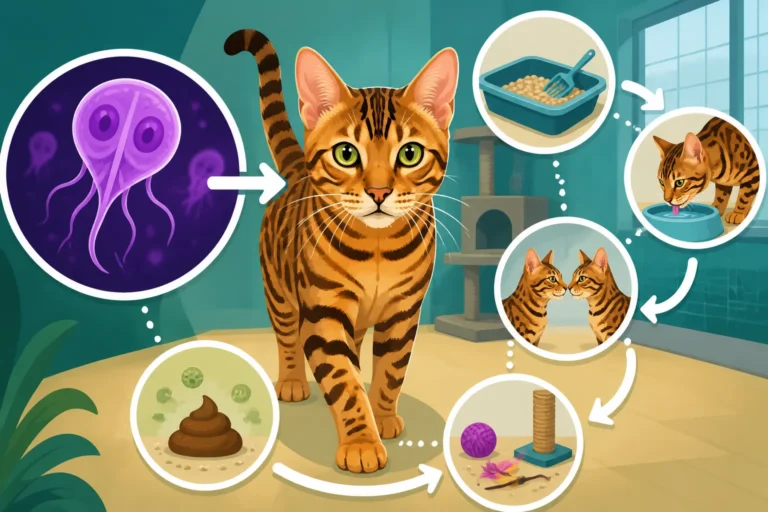
Giardia parasite transmission in a Bengal cat cattery happens through feces, contaminated shoes, and asymptomatic new cats.
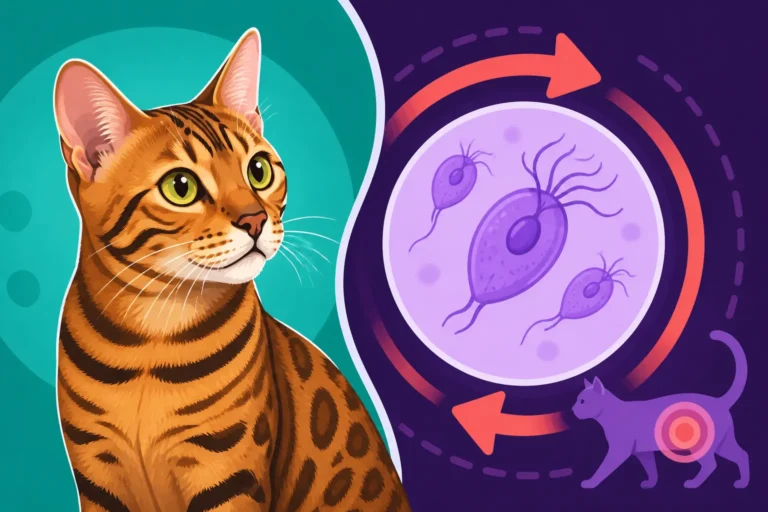
Tritrichomonas foetus causes chronic large bowel diarrhea in Bengal cats and often persists through reinfection in multi-cat households.

Tritrichomonas foetus infection in Bengal cats causes chronic diarrhea, and ronidazole is the specific drug that provides relief.
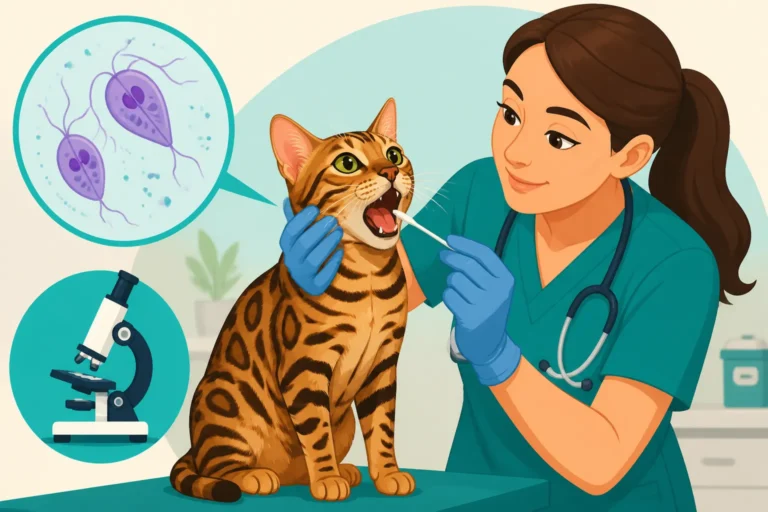
Veterinary testing methods for Tritrichomonas foetus explain chronic diarrhea in Bengal cats using fecal flotation and ELISA exams.
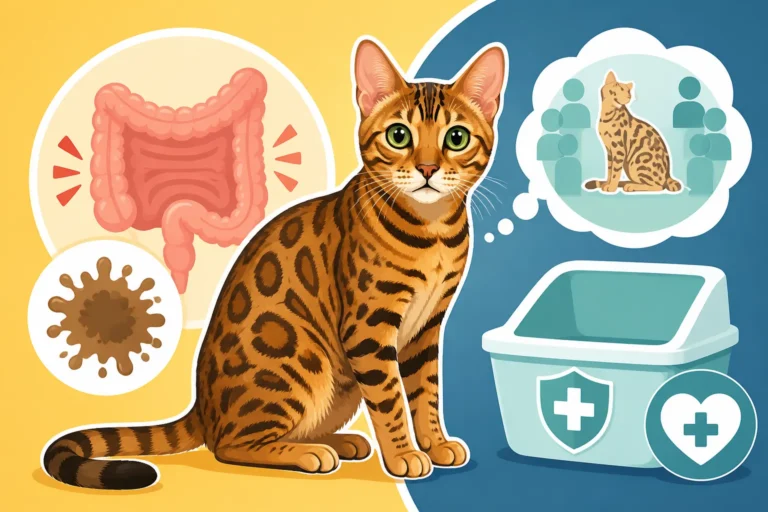
Chronic diarrhea in Bengal cats is a common health issue caused by digestive sensitivities and wild Asian Leopard Cat ancestry.
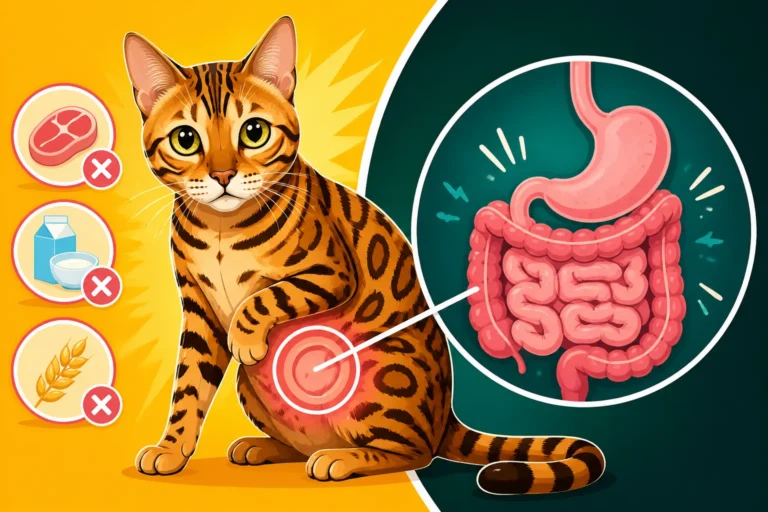
Wild ancestral genes from the Asian Leopard Cat cause digestive issues because Bengal cats struggle to process modern carbohydrates.
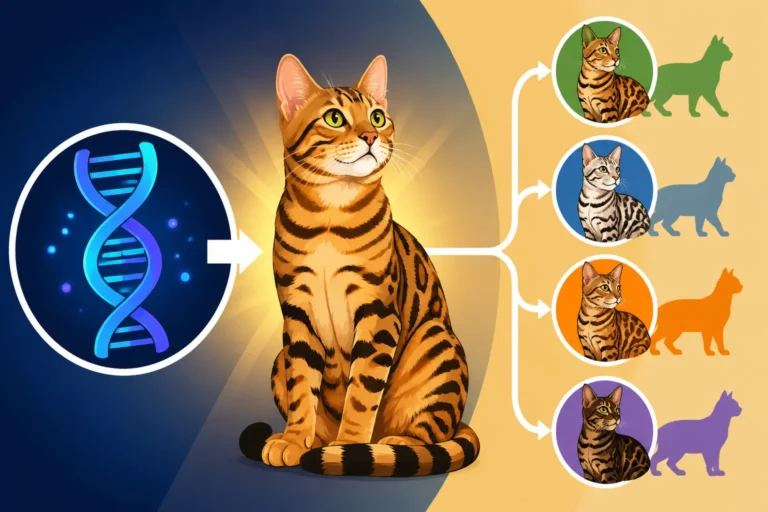
Hypertrophic cardiomyopathy genetics in Bengal cat lines explain the risks and the unpredictable nature of this serious heart condition.
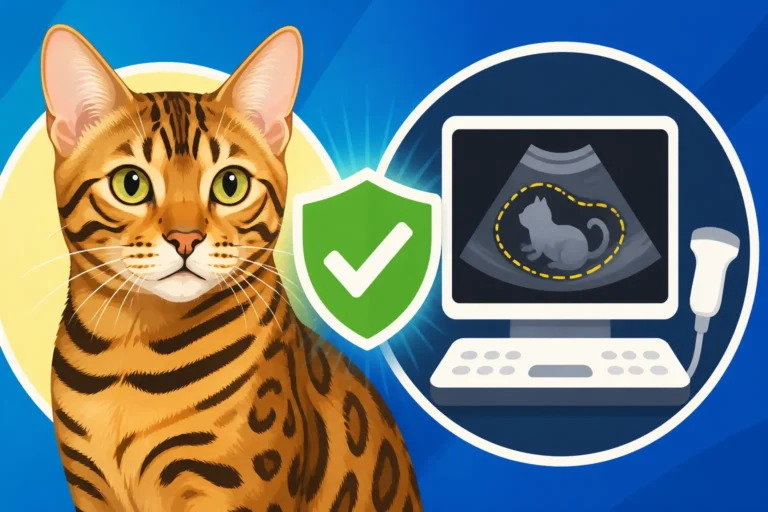
Bengal cat breeders must show echocardiogram results because hypertrophic cardiomyopathy causes thickening heart walls without DNA tests.
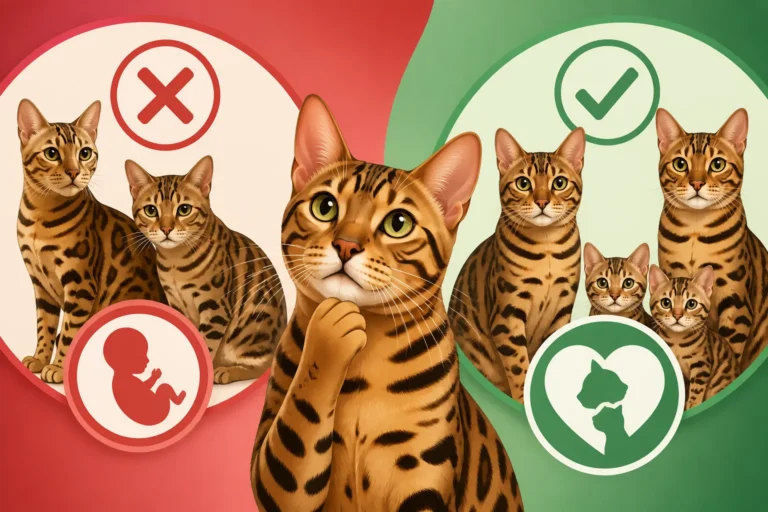
Breeding decisions for Bengal cats with genetic diseases involve ethical considerations and inherited health condition risks.
Bengal cat lifespan after hypertrophic cardiomyopathy diagnosis, plus disease progression factors and diagnostic echocardiograms.