Why the Maine Coon HCM Test Does Not Work on a Bengal Cat
The Maine Coon HCM gene test fails in Bengal cats because genetic mutations causing hypertrophic cardiomyopathy differ between feline breeds.
Know what to watch for.
Breed-specific conditions, screening and DNA tests, what surgery actually costs, and the daily habits that stretch a healthy lifespan.
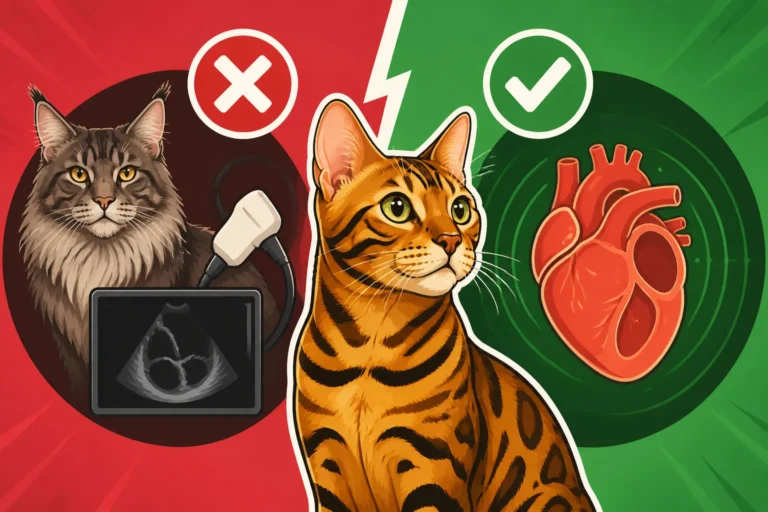
The Maine Coon HCM gene test fails in Bengal cats because genetic mutations causing hypertrophic cardiomyopathy differ between feline breeds.
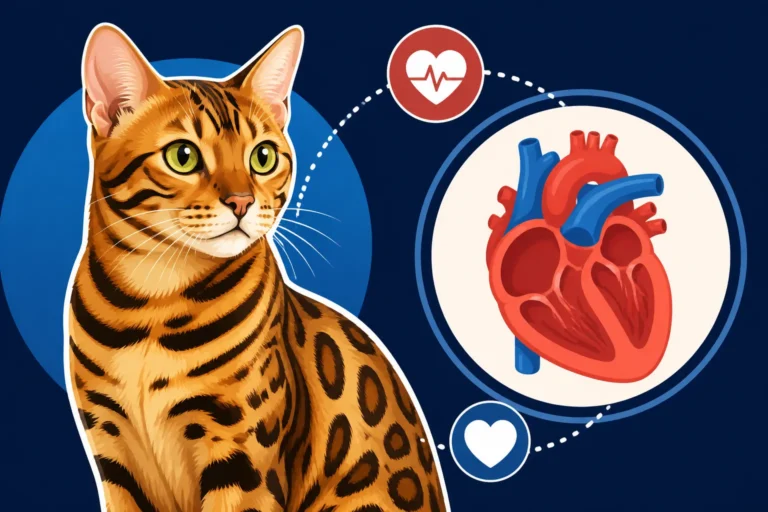
Hypertrophic cardiomyopathy prevalence in Bengal cats reaches fifteen to sixteen percent in specific populations studied by cardiologists.
Pyruvate kinase testing for adult Bengal cats determines genetic risk for inherited hemolytic anemia and carrier status.
Pyruvate Kinase Deficiency testing for Bengal kittens usually involves screening breeding parents rather than the individual offspring.
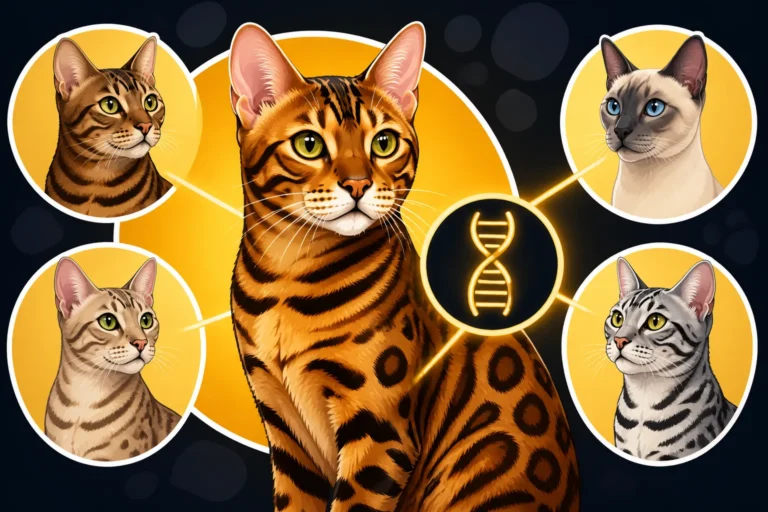
Pyruvate kinase deficiency in cats identifies which breeds share the Bengal mutation and explains autosomal recessive inheritance.
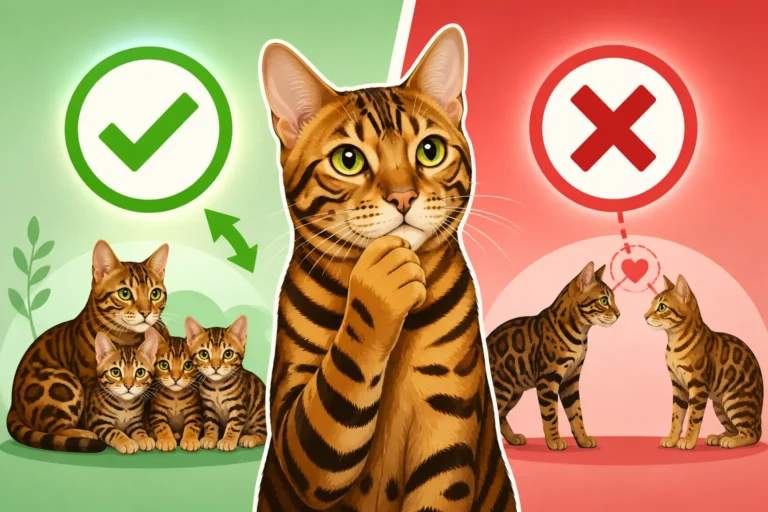
PK carrier Bengal cats can be bred responsibly when paired with clear cats, preventing kittens from developing hemolytic anemia.
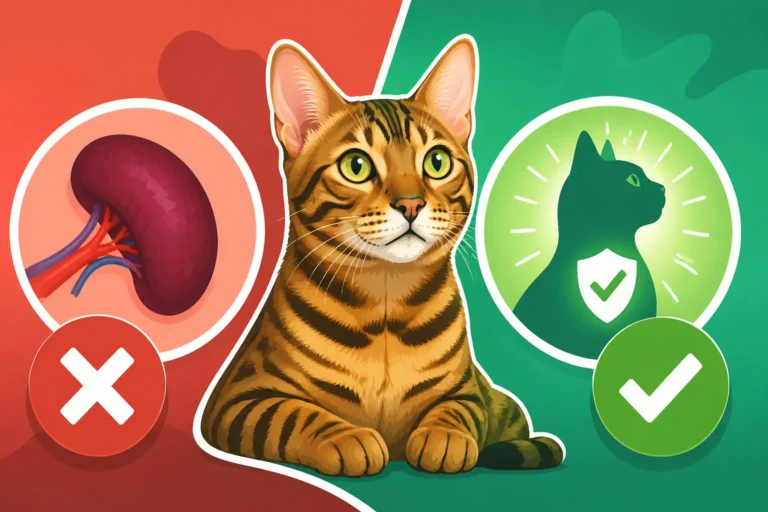
Spleen removal procedures and genetic DNA testing for Bengal cats diagnosed with Pyruvate Kinase Deficiency and chronic anemia.
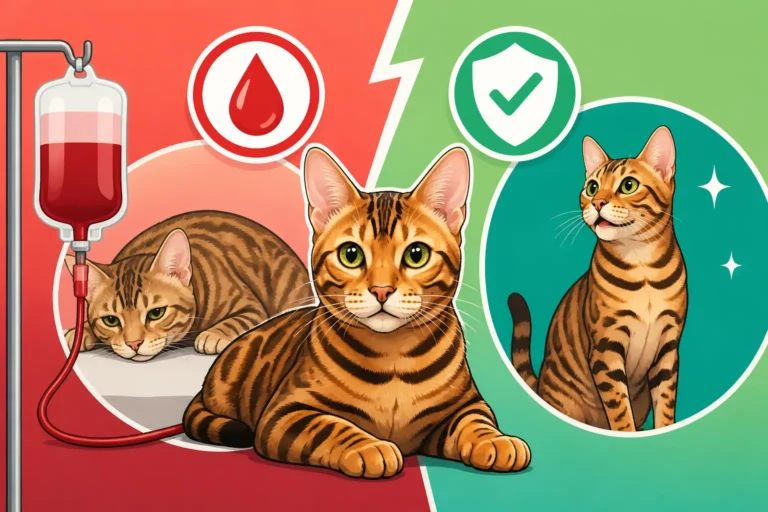
Blood transfusions for Pyruvate Kinase Deficient Bengal cats, explaining when they are necessary, the process, and long-term care.
Pyruvate Kinase Deficiency in Bengal cats causes hemolytic anemia, explaining how the hereditary metabolic disorder impacts their lifespan.
Routine blood tests reveal general symptoms in Bengal cats, but definitive diagnosis of genetic conditions requires specialized DNA testing.