What Saddle Thrombus Does to a Bengal Cat
Saddle thrombus blocks blood flow at the aortic bifurcation, causing sudden hind leg paralysis and excruciating pain in Bengal cats.
Know what to watch for.
Breed-specific conditions, screening and DNA tests, what surgery actually costs, and the daily habits that stretch a healthy lifespan.
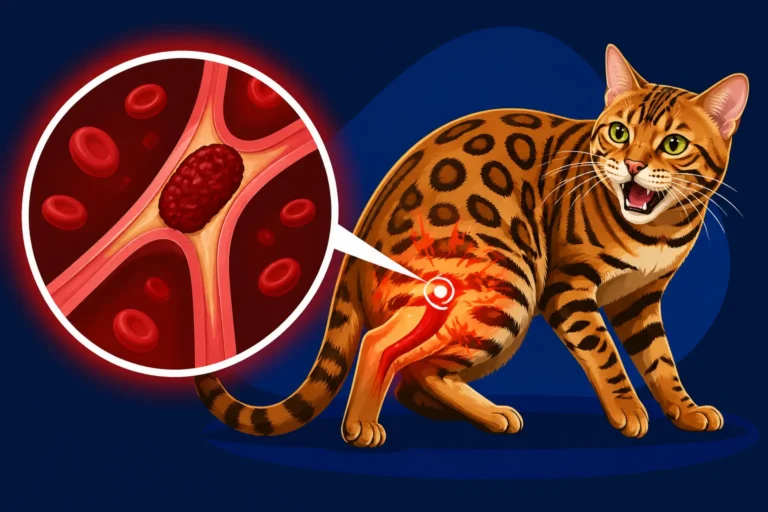
Saddle thrombus blocks blood flow at the aortic bifurcation, causing sudden hind leg paralysis and excruciating pain in Bengal cats.
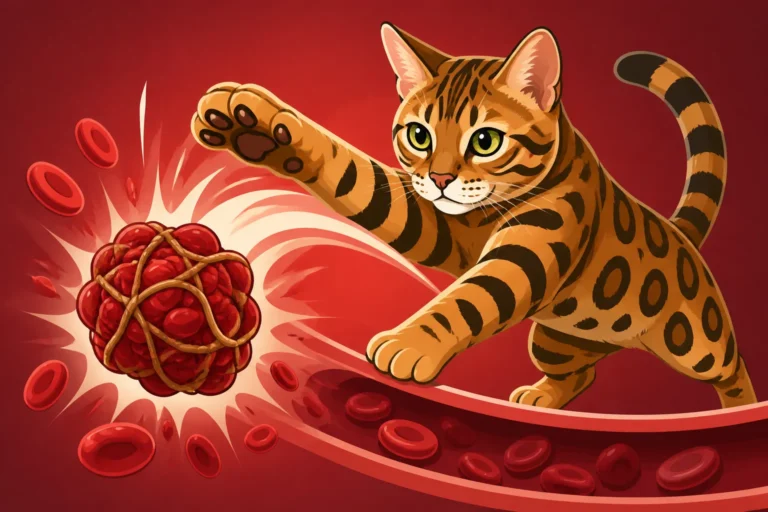
Bengal cat blood clots explain hypertrophic cardiomyopathy links, saddle thrombus formation, and emergency paralysis signs.
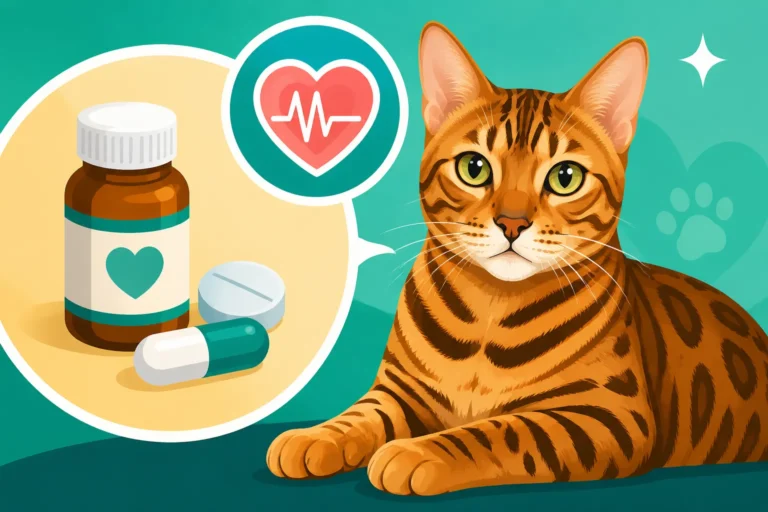
Bengal cat hypertrophic cardiomyopathy medications, including specific prescriptions to manage symptoms and improve heart function.
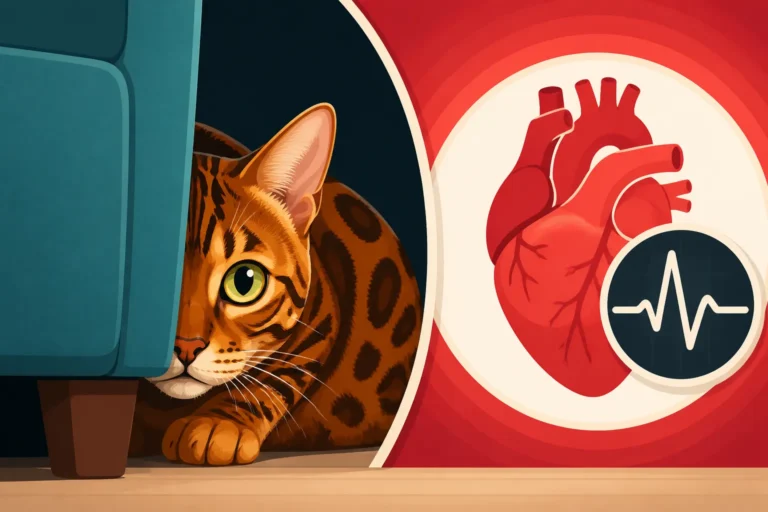
Bengal cats hide heart failure due to primal survival instincts inherited from wild ancestors, masking subtle symptoms of hypertrophic cardiomyopathy.
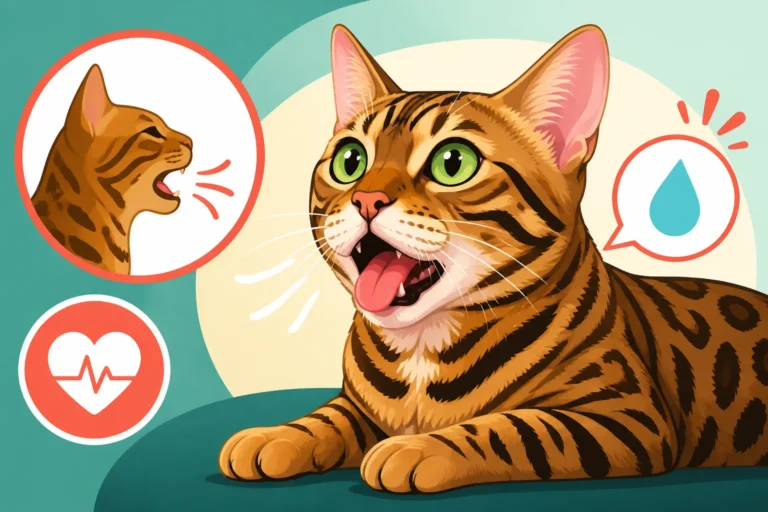
Normal Bengal cat breathing patterns and vital resting respiratory rates help owners spot dangerous signs of respiratory distress.
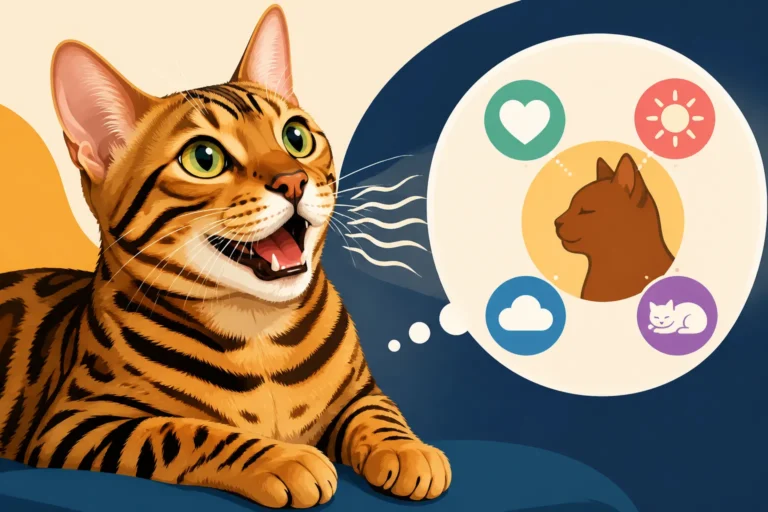
A Bengal cat heart murmur indicates turbulent blood flow and helps veterinarians grade and diagnose underlying health conditions.

Clear echocardiogram results for Bengal cats remain valid for twelve to eighteen months, requiring annual screenings to monitor heart health.
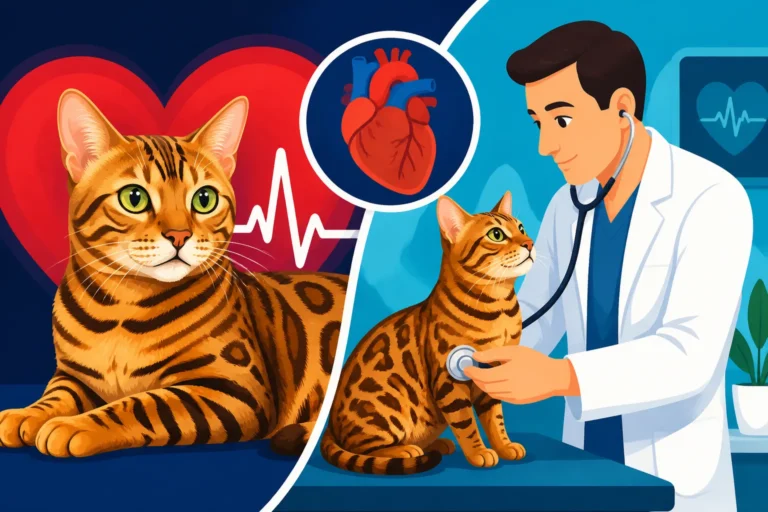
Specialist cardiologist scans detect hidden hypertrophic cardiomyopathy and left ventricle wall thickening in Bengal cats.

A Bengal cat echocardiogram detects hypertrophic cardiomyopathy, measuring heart walls and checking valve efficiency to monitor feline health.
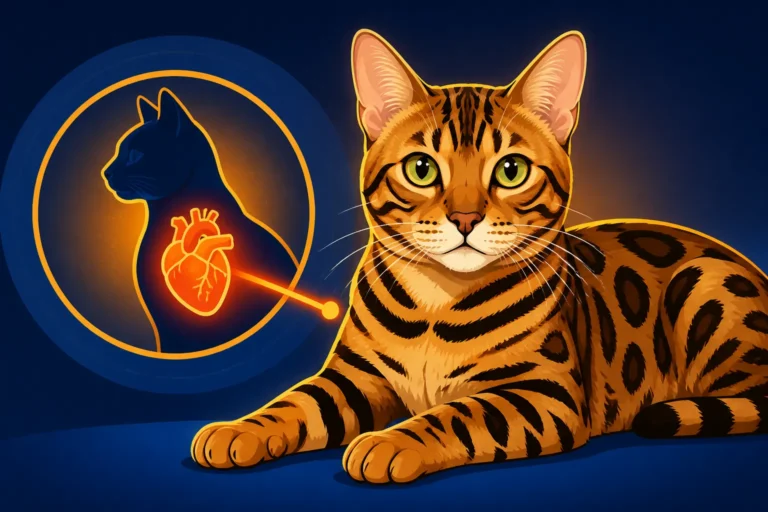
Hypertrophic cardiomyopathy in Bengal cats typically appears between one and seven years of age, though diagnosis varies.