The Bengal Cat Is the Hybrid Most Registries Fully Accept
It's incredibly frustrating when you're looking into bringing a Bengal cat into your home, only to be met with conflicting information about whether they're "real" cats or even recognized by official organizations. You see stunning pictures, hear about their incredible personalities, but then a tiny seed of doubt is planted: are they truly accepted within the broader feline world? This guide is here to unravel that mystery, focusing on why the Bengal cat has achieved a level of acceptance among major cat registries that is truly unique among hybrid breeds.
Understanding Hybrid Breeds and the Bengal Cat's Unique Place
When we talk about "hybrid breeds" in the cat world, we're generally referring to felines that have a wild cat ancestor relatively recently in their lineage. This isn't just a fun fact; it carries significant implications for their legal status, temperament, and, crucially, their acceptance by official cat registries. Many beautiful and intriguing wild x domestic crosses exist, but few have navigated the complex path to widespread recognition quite like the Bengal.
The Definition of a Hybrid Cat
A hybrid cat, in its simplest form, is the offspring of two distinct species. In the context of domestic cats, this typically means a cross between a domestic cat (like Felis catus) and a wild cat species. Think of it as creating a new branch on the feline family tree, deliberately blending characteristics from both sides. These early crosses are often referred to by filial designations like F1, F2, F3, and so on, indicating how many generations removed they are from their wild ancestor. The F1 generation is a direct cross between a wild cat and a domestic cat, while an F2 has an F1 parent, and so forth.
The early generations, especially F1s and F2s, often retain many physical and behavioral traits of their wild parent, which can range from stunning wild looks to more demanding enrichment needs and less predictable temperaments. It's why many jurisdictions have laws restricting or banning ownership of these early generations. The further removed a cat is from its wild ancestor, the more "domesticated" it generally becomes, though the wild essence often remains in their energy levels and intelligence.
The Bengal Cat's Unique Ancestry
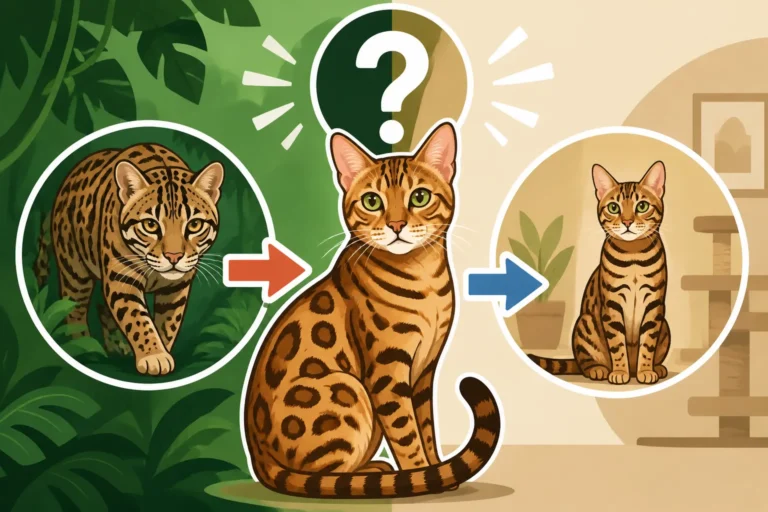
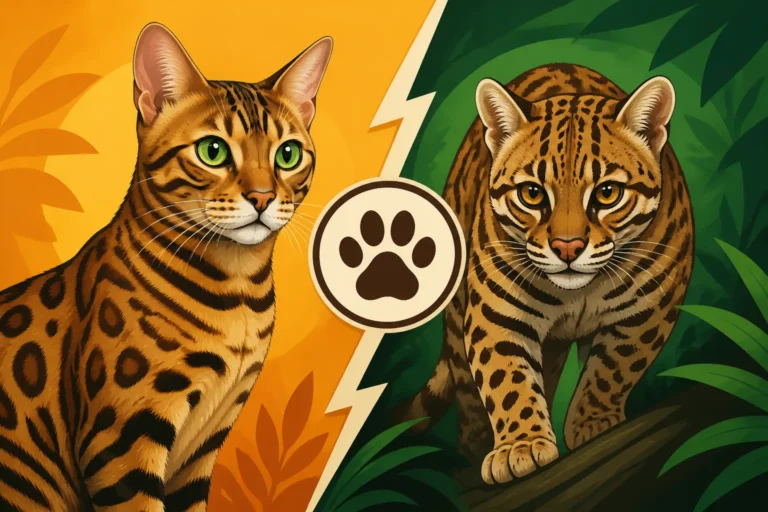
The Bengal cat's story begins with the Asian Leopard Cat (Prionailurus bengalensis), a small, spotted wild feline native to Southeast Asia. This isn't just any wild cat; it's a specific, smaller species that, when crossed with domestic cats, eventually led to the beloved Bengal we know today. The very first crosses were experimental, driven by a desire to study feline leukemia resistance, and later, to create a domestic cat with the striking appearance of its wild ancestor but the loving nature of a housecat.
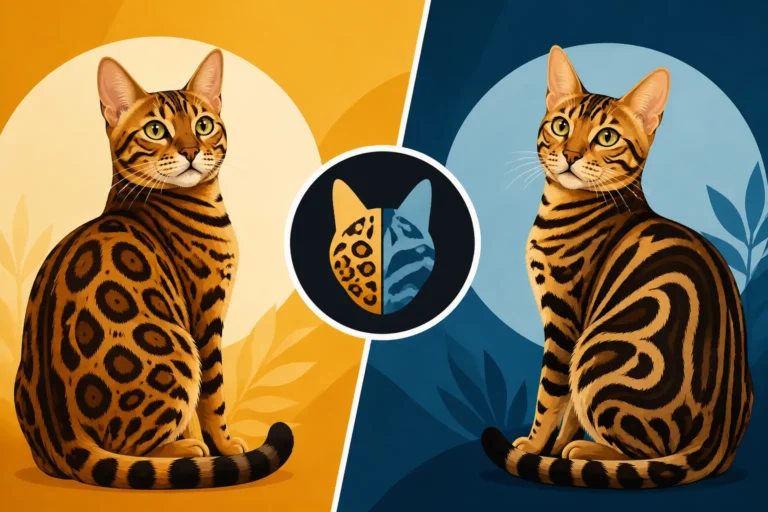
What sets the Bengal apart is that its lineage is almost exclusively from the Asian Leopard Cat and domestic cats, with very few other domestic breeds introduced in its foundational years. This focus allowed breeders to hone in on specific traits, both visual and temperamental, to create a consistent and recognizable breed. The distinct rosette patterns and the characteristic "glitter" in their coats are direct gifts from their Asian Leopard Cat heritage, carefully preserved and enhanced over generations. A Leopard Cat and a Housecat Made the First Bengal Cat is a fascinating dive into this origin story.
The Journey to Registry Acceptance: TICA's Role
When it comes to the official recognition of cat breeds, registries are the gatekeepers. They establish breed standards, maintain pedigrees, and generally ensure the integrity and responsible development of breeds. For a breed to be truly "accepted," it means it has met rigorous criteria, often including a consistent lineage, predictable temperament, and distinct physical characteristics. For hybrid breeds, this journey is often fraught with extra hurdles, but the Bengal cat managed to clear them, largely thanks to the foresight and dedication of its early advocates and The International Cat Association (TICA).
TICA's Early Acceptance and Championship Status
TICA, known for its progressive approach to breed recognition, was instrumental in bringing the Bengal cat into the fold. They saw the potential in this emerging breed – the captivating wild look combined with an increasingly domestic temperament. After careful consideration, TICA granted the Bengal cat its initial registration status in 1983, a crucial first step for any aspiring breed. This meant that Bengals could have their pedigrees recorded, a foundational element for tracking lineage and ensuring responsible breeding.
The real breakthrough came in 1986 when TICA awarded the Bengal championship status. This was a monumental achievement. Championship status means the breed is fully recognized and can compete for championship titles in TICA shows, standing shoulder-to-shoulder with long-established domestic breeds. This wasn't just about winning ribbons; it was about legitimacy. It signaled to the wider cat fancy world that the Bengal cat was a stable, recognizable, and desirable breed, worthy of serious consideration. TICA Accepted the Bengal Cat in 1986 gives more detail on this pivotal moment.
The Importance of a Structured Breeding Program
TICA's acceptance wasn't a casual decision; it was the result of years of dedicated work by breeders who painstakingly developed the breed along specific guidelines. A structured breeding program is vital for any new breed, but especially for hybrids. It involves careful selection of breeding cats, focusing on temperament, health, and conformation to the developing breed standard. Early Bengal breeders worked tirelessly to breed down the generations, aiming to produce cats that were reliably domestic in nature while retaining the exotic beauty.
This meant moving beyond the F1 and F2 generations, which still held a significant amount of wild temperament, towards the SBT (Stud Book Traditional) generations. SBT Bengals are at least four generations removed from their wild ancestor and have only other Bengals in their pedigree. This focus on successive generations of Bengal-to-Bengal breeding was crucial for achieving consistency. It demonstrated to TICA that the breed was stable, predictable, and suitable for pet homes, rather than just an interesting novelty. This commitment to structure helped alleviate concerns often associated with hybrid cats.
Beyond TICA: Other Registries and Their Stances
While TICA was an early and strong advocate for the Bengal, the world of cat registries is diverse, and their approaches to hybrid breeds can vary significantly. Understanding these differences is key to appreciating the Bengal's unique position. It's not a one-size-fits-all scenario, and what's accepted in one organization might be a non-starter in another.
The CFA's Perspective on Hybrid Breeds
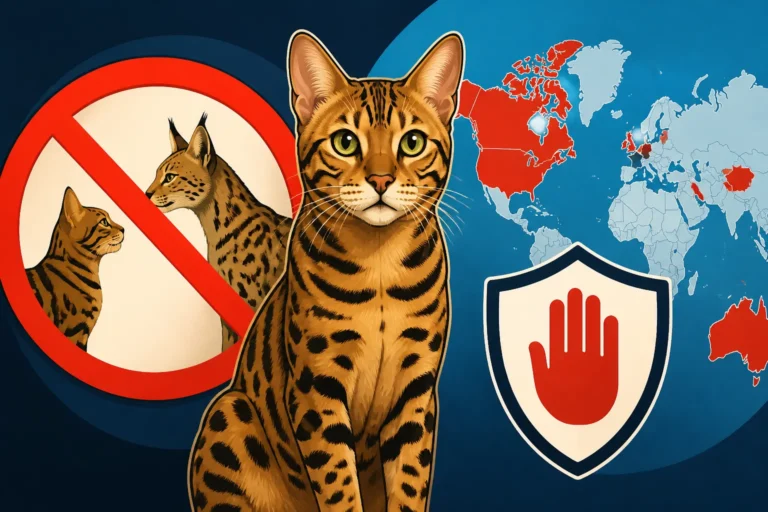
The Cat Fanciers' Association (CFA) is another venerable and highly respected cat registry, particularly in North America. However, the CFA has historically taken a more conservative stance regarding hybrid breeds, including the Bengal. Their foundational philosophy often leans towards breeds with a long, established history of purely domestic lineage. For many years, and even today, the CFA has not granted the Bengal cat full championship status.
This doesn't mean they ignore the breed entirely, but their criteria for full recognition are different. The CFA has traditionally been wary of any breed that incorporates recent wild blood, often citing concerns about temperament predictability, health unknowns, and the broader implications for the definition of a "domestic cat." While some other breeds recognized by TICA may eventually gain CFA acceptance, the Bengal, due to its very recent and explicit wild ancestry, has faced a higher barrier. Whether the CFA Recognizes the Bengal Cat explains more about their policies.
Understanding Regional and International Differences
Beyond TICA and CFA, numerous other registries exist globally, each with its own set of rules and traditions. In Europe, for example, organizations like FIFe (Fédération Internationale Féline) have also been more cautious about hybrid breeds. Some may offer preliminary recognition or allow Bengals to be shown in exhibition classes, but full championship status is not as universally granted as it is with TICA. This patchwork of acceptance can be confusing for prospective owners or breeders looking to move internationally.
It really highlights how forward-thinking TICA was in its initial recognition. The fact that the Bengal has become so popular worldwide, even with varying registry acceptance, speaks to its intrinsic appeal. You might find a cat club in one country that fully embraces Bengals, while a neighboring one might place restrictions on breeding or showing early generations. It’s always important to check the specific rules of the registry or club you intend to participate in, especially if you're involved in showing or breeding.
Why the Bengal Cat Gained Acceptance Where Others Struggle
It’s a valid question: why the Bengal, and not other fascinating wild-domestic crosses? The cat world has seen many attempts to introduce new breeds with exotic aesthetics, but few have achieved the global recognition and popularity of the Bengal. Several factors converged to create the perfect storm for the Bengal's success, particularly within TICA, and ultimately paved the way for broader acceptance.
Generations and Domestication: The SBT Standard
Perhaps the most critical factor in the Bengal's journey to acceptance was the diligent work of breeders in establishing the SBT (Stud Book Traditional) standard. As mentioned, an SBT Bengal is at least four generations removed from its wild Asian Leopard Cat ancestor and has a pure Bengal pedigree on both sides for those four generations. This wasn't just a technicality; it was a testament to the breed's successful domestication.
By the time the SBT standard was achieved, Bengals were reliably predictable in temperament, possessing the energetic, intelligent, and affectionate qualities we associate with the breed today, rather than the more challenging behaviors of the early generations. This consistent domestication demonstrated that the wild traits could be softened and integrated into a loving companion animal, without compromising the breed's unique appearance. It allowed registries like TICA to confidently say, "Yes, this is a domestic breed," even with its wild heritage. This meant that pet owners could expect a cat that was manageable in a typical home environment, which is vital for widespread appeal and ethical breeding. What SBT Means in a Bengal Cat delves deeper into this designation.
Breeder Dedication and Health Screening Efforts
No breed gains widespread acceptance without the tireless dedication of its breeders. Early Bengal breeders weren't just focused on looks; they were committed to creating a healthy and well-adjusted breed. This involved meticulous record-keeping, careful selection of breeding pairs, and a strong emphasis on health screening. Understanding the potential genetic predispositions that can come with any breed, especially a new one, was paramount.
Breeders began to implement testing for conditions common in felines, and those that might arise from the wild cross. For instance, Pyruvate Kinase Deficiency in a Bengal Cat and PRA-b Blinds a Bengal Cat by Two and There Is a DNA Test are examples of conditions that dedicated breeders work to screen for. This commitment to health, ensuring the long-term well-being of the breed, was a huge point in the Bengal's favor. When a registry sees a breed with responsible breeders who prioritize health and temperament, it significantly increases their confidence in accepting the breed. Responsible breeders work together, sharing knowledge and bloodlines, to strengthen the breed's genetic diversity and overall health.
The Impact of Registry Acceptance on Owners and Breeders
Registry acceptance isn't just a bureaucratic stamp of approval; it has profound, practical implications for everyone involved with Bengal cats, from those dedicated breeders striving for perfection to the families welcoming a playful, spotted companion into their home. It confers legitimacy, provides structure, and ultimately helps protect the breed and its enthusiasts.
Benefits for Breeders and Breed Development
For breeders, registry acceptance provides a structured framework for their efforts. It means their cats can be officially registered, their pedigrees are maintained, and their kittens can receive official papers. This is vital for tracking bloodlines, ensuring genetic diversity, and preventing inbreeding. A recognized breed also has a defined breed standard, which guides breeders in selecting for desirable traits and working towards a consistent ideal. This standardization is crucial for the long-term health and stability of the breed.
Furthermore, being part of a recognized registry allows breeders to participate in cat shows, which are not just beauty pageants. Shows are opportunities for breeders to gain feedback from experienced judges, learn from their peers, and showcase their breeding programs. It fosters a sense of community and collective effort toward the betterment of the breed. It also helps to differentiate reputable breeders from those who might be less scrupulous, as registered cats typically come with a verifiable history and health checks.
What Registry Acceptance Means for Pet Owners
For prospective Bengal cat owners, registry acceptance offers a crucial layer of confidence and assurance. When you purchase a registered Bengal kitten, you're buying a cat whose lineage is documented, confirming it is indeed a purebred Bengal cat meeting the breed standard. This means you can have a reasonable expectation of its temperament, appearance, and genetic background, which is a huge relief when investing in a specific breed.
It also means that reputable breeders will adhere to the registry's code of ethics, which often includes guidelines for kitten care, health testing, and responsible rehoming. When you see a kitten advertised as TICA-registered, you know there's a certain level of accountability. This helps protect you from scams or from purchasing a cat that isn't truly a Bengal or comes from irresponsible breeding practices. Knowing your cat comes from a recognized background adds peace of mind and allows you to enjoy the unique qualities of the breed without unnecessary worry. When you're looking for quality food or toys for your registered Bengal, reputable online retailers like Chewy often cater to specific breed needs, offering a wide array of choices.
Navigating the Rules: What to Look for in a Registered Bengal
So, you're convinced and ready to welcome a Bengal into your family. That's wonderful! But the world of pedigrees, registrations, and generation numbers can still feel a bit like a maze. Understanding what to look for and what questions to ask will empower you to make an informed decision and ensure you're getting a genuine, well-bred Bengal cat.
Decoding Pedigrees and Registration Papers
When you acquire a purebred Bengal cat from a reputable breeder, you should always receive registration papers or the promise of them once your kitten is spayed or neutered. These documents are your cat's official identification within the registry system. A pedigree is a chart that traces your cat's ancestry back several generations, listing the names and often the titles (like Grand Champion) of its forebears. This is like a family tree for your feline friend, proving its lineage.
Registration papers, on the other hand, are the actual certificate of your cat's registration with a specific organization, like TICA. They will state your cat's registered name, birth date, color, pattern, and most importantly, its generation (F1, F2, F3, or SBT). A reputable breeder will be transparent about these documents and happy to explain them to you. If a breeder is vague about registration or tells you they don't register their cats, that's a significant red flag. You're typically paying for a purebred animal, and documentation is part of that assurance. Don't be shy about asking to see the parent cats' papers as well.
The Importance of Generation Numbers
The generation number (F1, F2, F3, SBT) is crucial for Bengal cats, particularly because of their wild ancestry. As we've discussed, F1, F2, and F3 Bengals are closer to their Asian Leopard Cat heritage. F1s are direct crosses, F2s have an F1 parent, and F3s have an F2 parent. These early generations often have unique care requirements, more intense energy levels, and can be more challenging to manage in a typical home environment. They are also subject to specific legal restrictions in many areas.
The SBT (Stud Book Traditional) Bengal is the gold standard for pet ownership. An SBT Bengal is at least four generations removed from the Asian Leopard Cat, with at least three generations of Bengal-to-Bengal breeding on both sides. These are the "fully domestic" Bengals that are eligible for championship status in TICA and are generally considered suitable for most pet homes. When you're looking for a pet Bengal, you almost certainly want an SBT. A good breeder will clearly state the generation of their kittens, and these details will be on the registration papers. Don't settle for anything less than clear communication on this point.
Here's a quick overview of what those generation numbers mean for pet owners:
| Generation | Description | Legal Status (General) | Temperament (General) | Suitability for Average Pet Home |
|---|---|---|---|---|
| F1 | Direct cross (Asian Leopard Cat x Domestic Cat) | Often restricted/banned | Very wild, high energy, demanding | Generally not suitable |
| F2 | F1 x Domestic Cat | Often restricted/requires permits | Retains many wild traits, can be challenging | Limited suitability |
| F3 | F2 x Domestic Cat | Less restricted, but still wild traits | Still wilder than domestic cats, needs experienced owner | Challenging, experienced owners only |
| SBT | At least F4+, pure Bengal pedigree for 3 generations | Generally legal (check local laws) | Energetic, intelligent, affectionate, reliably domestic | Highly suitable |
For more detail on these classifications, you might want to read How a Bengal Cat's Generation Is Counted.
The Future of Hybrid Cat Breeds and Registry Evolution
The Bengal cat's success story is a significant chapter in the ongoing evolution of cat fancy. It demonstrates that with responsible breeding and dedicated effort, breeds originating from wild ancestors can achieve widespread acceptance and thrive as beloved companion animals. However, the journey isn't over, and the landscape of hybrid breeds and their recognition continues to shift and develop.
Emerging Hybrid Breeds and Their Challenges
The Bengal cat opened the door for other hybrid breeds to emerge, each seeking to bring unique wild traits into the domestic sphere. Breeds like the Savannah (a cross between a domestic cat and a Serval) and the Chausie (a cross between a domestic cat and a Jungle Cat) have followed in the Bengal's paw prints, though their paths to acceptance are often just as challenging, if not more so. Like the Bengal, these breeds face scrutiny regarding their temperament, health, and the ethical implications of breeding wild species.
These newer hybrids often contend with similar issues: ensuring enough generations are bred to achieve consistent domestic temperaments, developing robust health screening protocols, and addressing the specific needs of these powerful, intelligent animals. Registries and the public alike continue to debate the merits and challenges of such breeds. The Bengal's journey provides a blueprint, but each new hybrid must prove its own stability and suitability over many years and generations.
The Ongoing Debate Around Wild Ancestry
Despite the Bengal's success, the debate around hybrid cat breeds and their wild ancestry continues. Critics often raise concerns about the ethical implications of breeding wild animals, the potential impact on wild populations (though most wild cats used in breeding are captive-bred), and the suitability of these animals for typical pet homes. There's also the ongoing discussion about how much "wildness" is too much for a domestic companion.
However, advocates for breeds like the Bengal argue that responsible breeding helps preserve the stunning genetics of wild cats, provides unique companionship experiences, and can even contribute to conservation efforts by raising awareness. The continuous monitoring of What a Bengal Cat Breeder Should Have Tested and commitment to health by TICA and dedicated breeders demonstrates how serious the community is about responsible practices. As the understanding of genetics and animal behavior grows, registries will likely continue to adapt their policies, potentially creating more nuanced categories for hybrid breeds based on their distance from wild ancestors and proven domestic characteristics. It's a dynamic field, and the Bengal cat remains a shining example of a hybrid breed that has largely succeeded in bridging the wild and domestic worlds.
Disclaimer
This article is for general informational purposes only and does not constitute professional advice. Laws, prices and regulations vary by location and change over time. Consult a qualified professional for guidance on your specific situation.