How the Cheetoh Came From the Bengal Cat
A Cheetoh’s dramatic spots can make it look like a miniature wild cat, but its story is about planned domestic breeding—not crossing a house cat with a cheetah. The breed was developed using Bengal and Ocicat cats, with the goal of combining a striking coat and substantial build with a companionable home life. Here’s how that breeding project began and what its Bengal connection really means.
How the Cheetoh breed began
The breeder’s goal was a spotted domestic cat
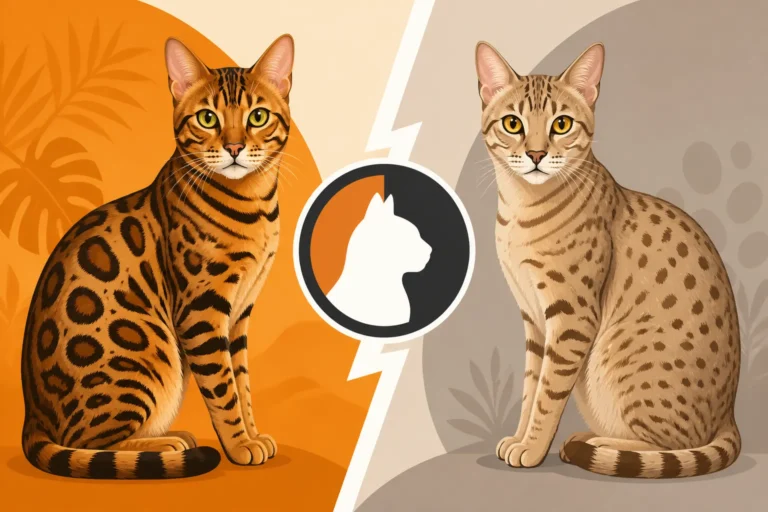
The Cheetoh was developed in the early 2000s by breeder Carol Drymon. The breeding idea was to bring together traits associated with two existing domestic breeds: the Bengal’s distinctive spotted or marbled coat and muscular appearance, and the Ocicat’s spotted pattern and domestic-cat background.
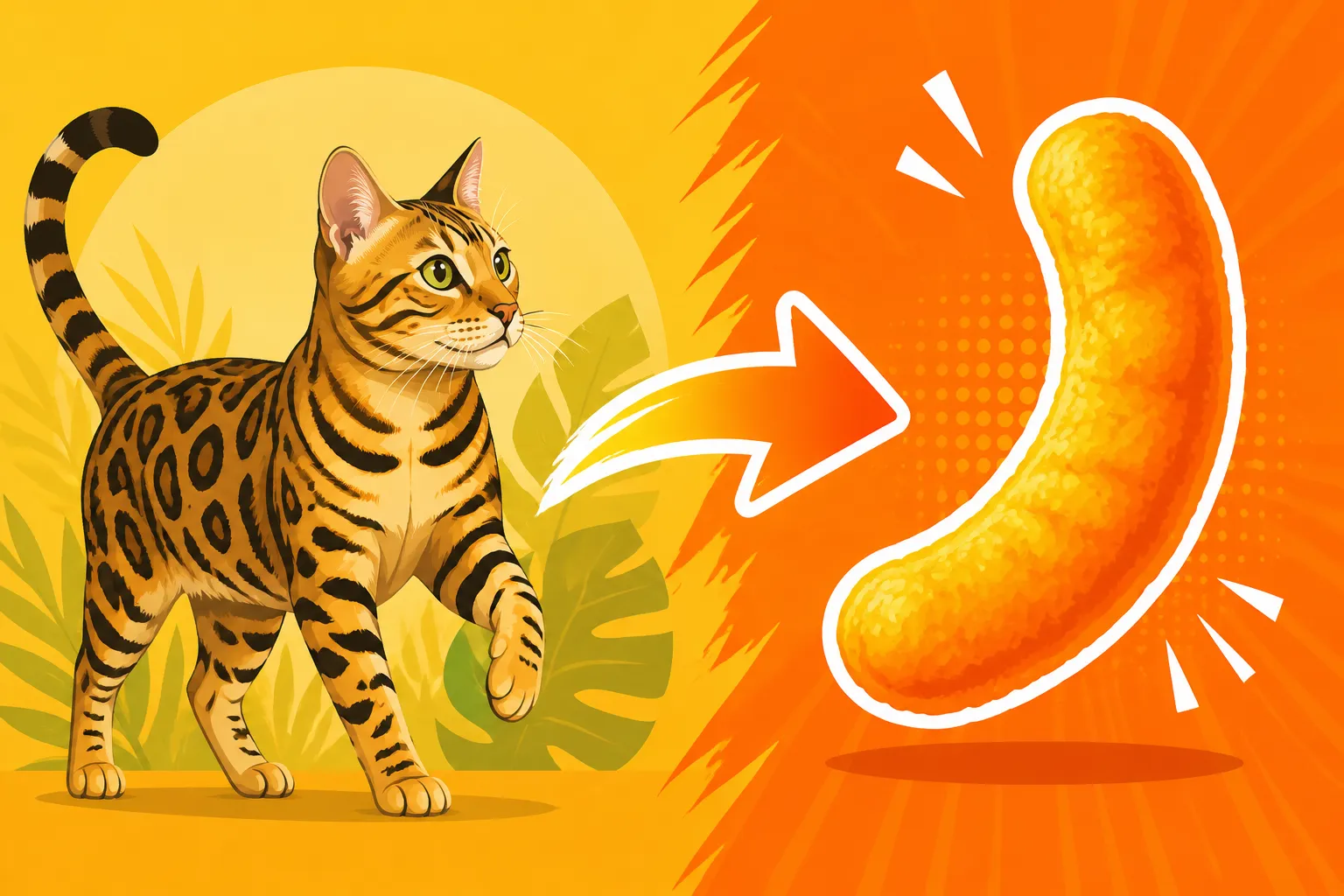
The name can cause confusion. A Cheetoh is not part cheetah, and the breed was not created by mating a domestic cat with a cheetah. “Cheetoh” refers to the cat’s spotted, cheetah-like look. It describes an appearance, not a wild species in its family tree.
That distinction matters for anyone trying to understand the breed. The Cheetoh is a domestic-cat breeding project built from other domestic breeds. Its appearance may suggest a wild cat, but its ancestry is not the same as a direct wild-cat hybrid.
Bengal and Ocicat ancestry brought different qualities
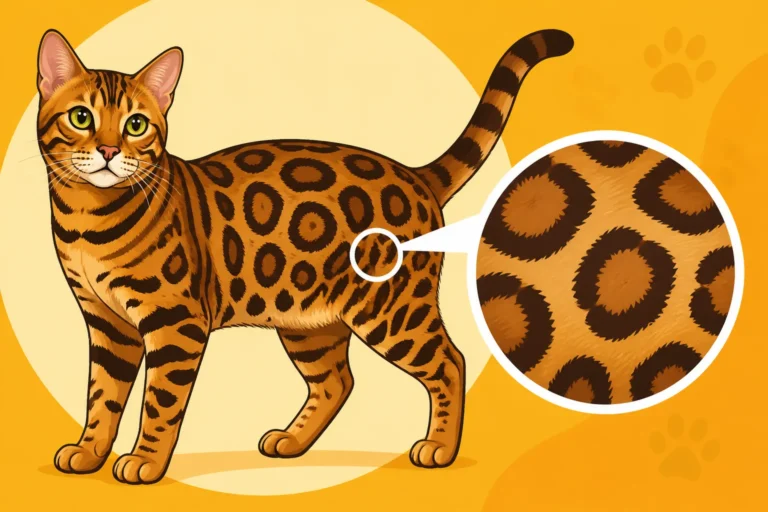
Bengals contributed the eye-catching coat patterns that many people notice first. The breed traces its deeper history to the Asian leopard cat, but that does not mean a modern Cheetoh is necessarily a recent cross with a wild cat. The history of the Bengal breed is more layered than its appearance suggests; Where the Bengal Cat Comes From offers a closer look at that background.
The Ocicat added a second spotted-cat influence. Despite its wild-sounding name and athletic appearance, the Ocicat is a domestic breed. Its development involved domestic cats, not an ocelot. If you are comparing the two spotted breeds, How a Bengal Cat Differs From an Ocicat explains why similar-looking coats do not make the cats interchangeable.
The Bengal’s own history also involves several strands of domestic breeding. That broader context helps explain how a Bengal could be used in a later breed-development program: Which Domestic Breeds Went Into the Bengal Cat describes the domestic breeds associated with Bengal development.
The cross was about shaping a new look
A planned cross is not simply an attempt to produce kittens with attractive coats. Breeders select parent cats for particular traits, then assess the resulting kittens and make decisions about future pairings. With a developing breed such as the Cheetoh, that process can involve trying to establish a recognizable appearance and temperament over generations.
The intended result was a large, athletic-looking cat with a bold coat pattern and a domestic companion’s role. But a breeding goal is not a guarantee about every kitten. Coat pattern, size, activity level, sociability, and confidence can vary from cat to cat, just as they do in established breeds.
| Part of the Cheetoh’s background | What it contributes to the breed’s story | What it does not mean |
|---|---|---|
| Bengal ancestry | A connection to a spotted or marbled coat and an athletic look | That every Cheetoh is a direct cross with a wild cat |
| Ocicat ancestry | Another domestic spotted-cat influence | That the cat has ocelot ancestry |
| The name “Cheetoh” | A reference to a cheetah-like appearance | That a cheetah was involved in breeding |
| Selective breeding | An effort to establish desired appearance and temperament | That every cat will have identical traits |
What the Bengal connection means today
A Cheetoh is not simply a Bengal with a different name
The Cheetoh and Bengal may share visual traits, but they are not the same breed. A Bengal is a breed in its own right, with its own history and standards. The Cheetoh was developed through a separate breeding program that used Bengals alongside Ocicats.
This difference is useful when choosing a cat or checking a breeder’s claims. A spotted coat alone does not establish that a cat is a Cheetoh, a Bengal, or any other pedigree breed. Appearance can provide clues, but a cat’s documented ancestry and registration are more informative than its markings. For more on the limits of judging by spots, see Whether a Spotted Domestic Shorthair Is a Bengal Cat.
Nor does the Bengal connection mean that a Cheetoh will behave exactly like a Bengal. Breed histories can suggest tendencies, but individual temperament also reflects the cat’s socialization, health, environment, and experience. A highly active Bengal is not a dependable personality template for every cat with Bengal ancestry.
Bengal ancestry is not the same as a new wild cross
People sometimes hear that Bengals have an Asian leopard cat in their history and assume that all Bengal-related breeds involve recent wild-cat matings. That is not a safe assumption. The generation and pedigree of the cats matter, and modern breeding programs should be understood through records rather than appearance alone.
The Cheetoh’s development is described as a cross between domestic breeds. It should not be confused with adding a new wild cat to a breeding program. The distinction between historical ancestry and current breeding practice is explored in Whether Bengal Cats Are Still Bred From Wild Cats.
If you are researching the broader world of breeds developed from Bengals, Which Breeds Were Made From the Bengal Cat provides useful context. It also helps put the Cheetoh in perspective: it is one example of breeders drawing on the Bengal’s recognizable look, not proof that every such project has the same goals or breeding history.
The breed’s status can be less straightforward than its name
A breed can have an established name and an active group of breeders without being recognized in the same way by every cat registry. The Cheetoh’s recognition and registration options may differ depending on the organization and the breeder. Before placing a deposit, ask which registry the breeder uses and what that registration actually documents.
Ask to see the kitten’s pedigree, the parents’ records, and the contract. It is reasonable to ask how the breeder defines a Cheetoh in their program, whether the kitten is eligible for registration, and what health screening has been completed. A confident, responsible breeder should be able to explain the answers plainly rather than relying on a striking photo or a marketing label.
What a Cheetoh may be like to live with
Appearance does not tell you how active a cat will be
Cheetohs are often described as athletic, muscular, and conspicuously patterned. Those traits may appeal to someone who wants a cat with a dramatic look, but appearance alone cannot tell you how much play, climbing, or interaction an individual cat will need.
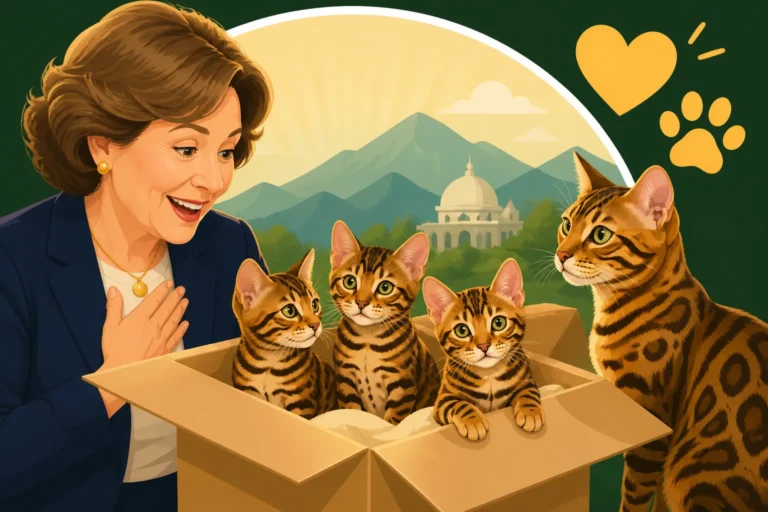
Before choosing one, ask the breeder what the kitten’s parents are like at home. Find out whether the adults seek people out, how they respond to visitors, and how they handle everyday changes. Ask how the kittens have been raised and what experiences they have had with household sounds, handling, and routine care.
A cat that is bright and energetic can be a wonderful companion, but it may need more than a few toys left on the floor. Plan for interactive play, sturdy climbing options, scratching surfaces, and places where the cat can retreat when it wants quiet. Those practical needs matter more than whether a coat looks especially wild.
Plan for the transition, not just the purchase
A move to a new home can upset a kitten’s routine, even when the kitten has been well socialized. Before bringing a Cheetoh home, ask what food and litter the breeder currently uses. Keeping those familiar at first can make the transition less stressful; if you need to restock supplies, a retailer such as Chewy can be one option for finding the same product.
Set up a quiet room with food, water, a litter box, a bed, and a safe hiding place. Let the kitten explore at its own pace rather than introducing the whole house, visitors, and resident pets at once. If a kitten hides under a chair on the first day, that does not automatically mean it is unfriendly; it may simply need time to feel secure.
Once the kitten is eating, using the litter box, and exploring comfortably, gradually introduce new rooms and routines. A puzzle feeder or interactive toy can add engagement, but it should not replace time spent playing with and getting to know the cat. For basic supplies, Chewy may also be a convenient place to look for food puzzles, scratching items, and familiar litter, while the kitten’s needs and preferences should guide what you choose.
Questions to ask before choosing a Cheetoh
Check the pedigree and the breeder’s explanation
Start by asking how the kitten fits into the breeder’s Cheetoh program. Which breeds are in the kitten’s pedigree? Are both parents identified in the paperwork? What registry, if any, records the kitten? The answers should be consistent and specific.
Ask to see health information for the parents and kittens, and request an explanation of any screening the breeder considers relevant. A pedigree tells you about ancestry; it is not a substitute for veterinary care or health testing. Likewise, a registration document should not be treated as a guarantee of health, temperament, or future size.
Pay attention to how the breeder responds to questions. A responsible breeder should welcome a thoughtful discussion about the cat’s needs, provide clear records, and ask about the home the kitten will be joining. Be cautious if the conversation focuses entirely on rarity, dramatic appearance, or pressure to commit quickly.
Consider welfare as well as appearance
Breeding cats for a distinctive look brings responsibility. That includes selecting healthy parents, raising kittens in a suitable environment, and making placements based on the needs of the cats rather than simply producing a fashionable pattern. The wider questions surrounding hybrid-looking breeds are worth considering; Whether Breeding Hybrids Like the Bengal Cat Is Ethical explores some of the issues involved.
Think practically about your household. Do you have time for daily play and interaction? Can you offer safe climbing and scratching options? Will the cat be kept indoors, and can the environment provide enough stimulation? If you rent, check your housing rules before bringing home a cat, rather than discovering a restriction after you have committed.
Finally, remember that a breed label is only one part of the decision. A kitten’s individual personality, health, early care, and compatibility with your home matter at least as much as its ancestry. If you want a spotted companion, focus on transparent records, thoughtful breeding, and a good match—not just the appeal of a cheetah-like coat. For a broader look at common misconceptions about Bengal-type cats, read What People Get Wrong About the Bengal Cat.
Chewy may be useful for replacing a familiar food or setting up enrichment once you know what the cat will use, but no shopping list can replace a careful choice of breeder and a thoughtful settling-in plan. Start with the kitten’s records and needs, then build the home around the individual cat in front of you.
Disclaimer
This article is for general informational purposes only and does not constitute professional advice. Laws, prices and regulations vary by location and change over time. Consult a qualified professional for guidance on your specific situation.