What the Bengal Cat PK Deficiency Test Costs
The thought of your cherished Bengal cat facing a debilitating genetic illness is enough to send shivers down any owner's spine. Pyruvate Kinase Deficiency, or PK Deficiency, is one such condition that, while manageable in some cases, can lead to serious health issues for our feline friends. As responsible cat parents, we want to do everything we can to protect them, and often, that starts with understanding their genetic predispositions through testing. This guide aims to pull back the curtain on what you can expect when it comes to the cost of getting your Bengal cat tested for PK Deficiency, helping you prepare for this vital step in their health journey.
Understanding PK Deficiency in Bengal Cats and Why Testing Matters
When you bring a Bengal cat into your home, you're welcoming a truly special animal, full of energy and personality. But with their unique genetics comes the responsibility of being aware of certain hereditary conditions. PK Deficiency is one of those, and understanding it is the first step toward proactive care.
What Pyruvate Kinase Deficiency Does to a Bengal Cat
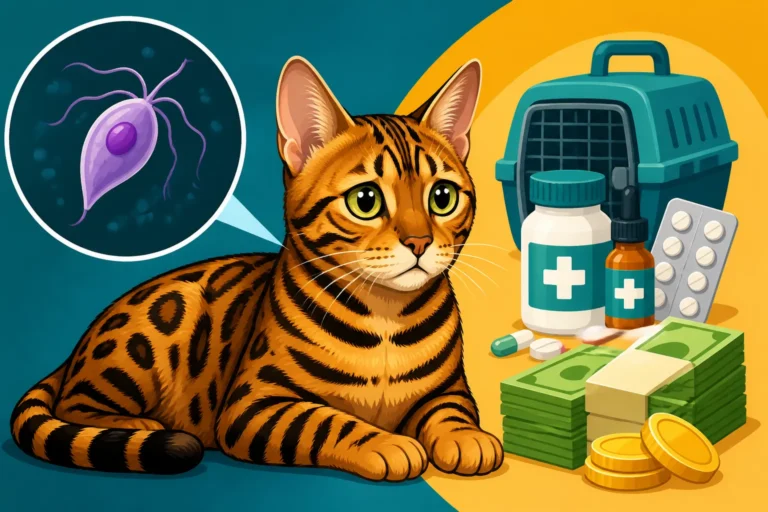
Pyruvate Kinase Deficiency is a nasty genetic disorder that affects a cat's red blood cells. Imagine your cat's red blood cells, which are crucial for carrying oxygen throughout their body, suddenly becoming fragile and unable to do their job properly. That's essentially what happens with PK Deficiency. The affected cat lacks a vital enzyme, pyruvate kinase, which is necessary for the survival of red blood cells. Without it, these cells are prematurely destroyed, leading to a type of anemia known as hemolytic anemia.
The symptoms can be heartbreaking and confusing because they often wax and wane. You might notice your energetic Bengal suddenly lethargic, weak, or having pale gums. Sometimes they'll have an enlarged abdomen due to an enlarged spleen, or even jaundice, giving their skin or eyes a yellowish tint. What's particularly frustrating for owners is that a cat can have good days and bad days, making it harder to pinpoint the problem without a diagnosis. Understanding What PK Deficiency Does to a Bengal Cat can help you recognize these subtle signs early on.
How the PK Deficiency Test Works
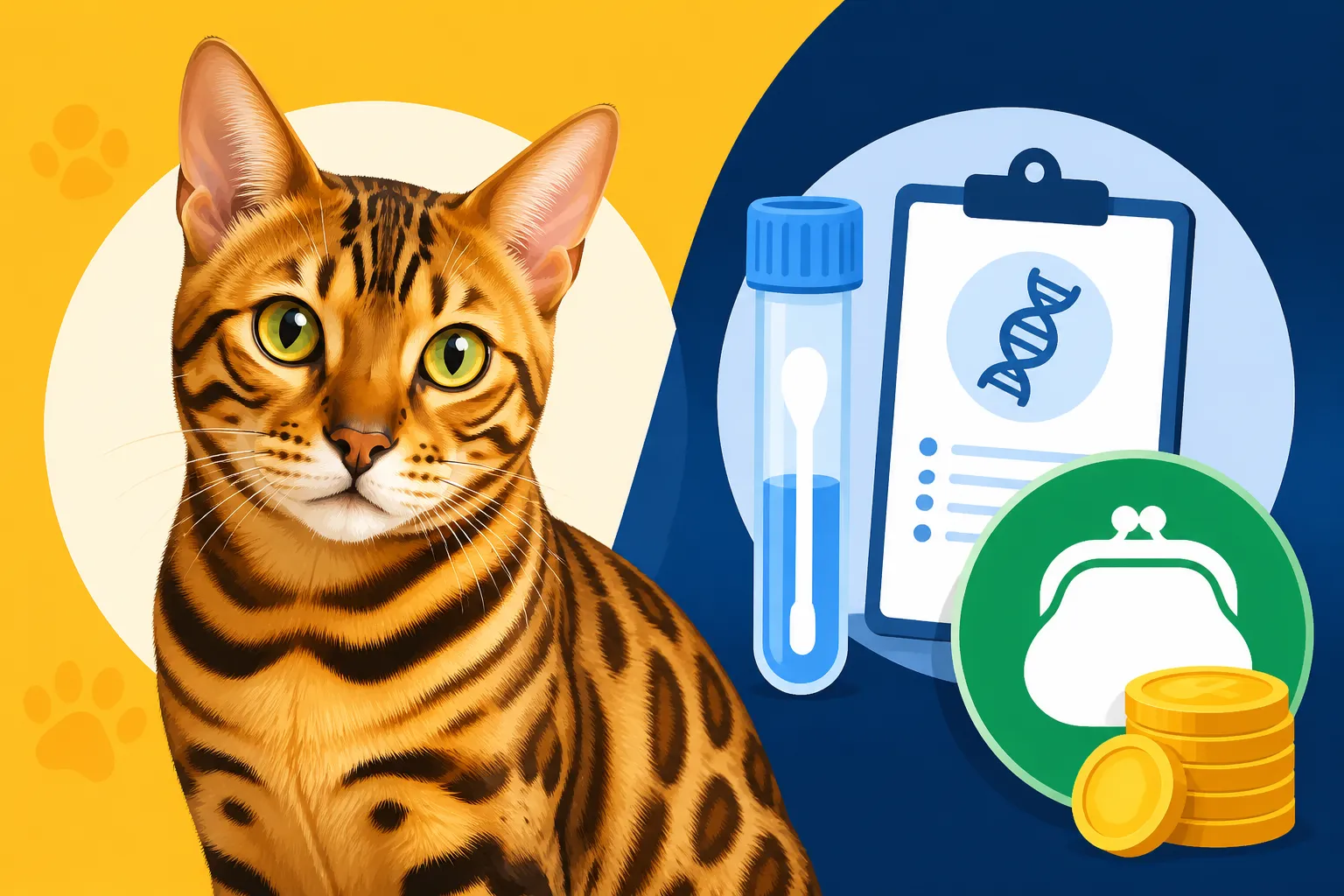
Thankfully, diagnosing PK Deficiency is straightforward, thanks to DNA testing. The test isn't invasive or painful for your cat, which is a huge relief for many owners. Typically, it involves taking a simple cheek swab – a quick brush of the inside of your cat's mouth with a sterile cotton swab to collect some cells. In some cases, your veterinarian might prefer to draw a small blood sample, especially if other blood work is being done concurrently or if they feel it will yield a better sample.
Once collected, this precious sample is sent off to a specialized genetic testing laboratory. The lab analyzes your cat's DNA for the specific genetic mutation associated with PK Deficiency. The results will then tell you if your cat is "clear" (meaning they don't carry the gene), a "carrier" (meaning they have one copy of the gene but typically won't develop the disease themselves, though they can pass it on), or "affected" (meaning they have two copies of the gene and are likely to develop or are already experiencing the symptoms of the disease). Knowing How a Bengal Cat's PRA-b Swab Is Taken can give you a good idea of the simple process.
The Importance of Testing for Pet Owners vs. Breeders
The decision to test for PK Deficiency holds different weight depending on whether you're a pet owner or a breeder. For breeders, testing is absolutely non-negotiable. Responsible Bengal cat breeders screen all their breeding cats to ensure they do not pass on genetic diseases to their kittens. If a cat is a carrier, they'll know not to breed that cat with another carrier, as two carriers have a 25% chance of producing an affected kitten. This commitment helps maintain the health and integrity of the breed.
For pet owners, especially if you adopted your Bengal cat and their history is unknown, testing offers invaluable peace of mind. If your cat starts showing unexplained symptoms, knowing their PK Deficiency status can help your vet narrow down diagnostic possibilities much faster. Even if your cat is completely healthy, a clear test result provides reassurance. If your cat is a carrier, you'll know to monitor them more closely for any subtle signs of illness, although carriers rarely become sick themselves. Deciding Whether an Owner Should PK Test an Adult Bengal Cat is a personal choice, but one worth considering for their long-term well-being.
Deconstructing the Cost of a Bengal Cat PK Deficiency Test
The financial aspect of pet care is always a consideration, and genetic testing is no exception. While I can't give you exact figures, I can break down the typical components that contribute to the overall cost of a Bengal cat PK Deficiency test, helping you understand where your money goes.
The Core Lab Fee for the DNA Test
The primary expense you'll encounter for a PK Deficiency test is the fee charged by the genetic testing laboratory itself. This is the cost for their specialized equipment, trained technicians, and scientific expertise to analyze your cat's DNA and identify the specific mutation. These lab fees can vary quite a bit, often falling within a moderate price range, depending on the lab's reputation, the speed of their processing, and whether they offer individual tests or bundled panels. Some labs might specialize in feline genetics, while others cover a broader range of species.
It's crucial to understand that this lab fee is usually separate from any charges your veterinary clinic might have. Think of it like sending off a blood sample for a specific analysis – the lab does the testing, and your vet handles the collection and interpretation. Always check with your chosen lab or your veterinarian about the current fees, as they can fluctuate. This is the base cost for What the Bengal Cat PK Deficiency Test Costs.
Additional Vet Visit and Sample Collection Charges
Beyond the lab fee, you'll almost certainly incur costs from your veterinary clinic. Unless you're a seasoned breeder who has a direct account with a lab and is comfortable collecting samples yourself, a trip to the vet is usually necessary. Your vet or a veterinary technician will collect the DNA sample, whether it's a simple cheek swab or a blood draw. Even a quick cheek swab still requires a veterinary professional's time and expertise to ensure the sample is collected correctly and hygienically.
This often means you'll pay a consultation fee for the vet visit itself, especially if it's not part of a pre-scheduled annual check-up. Additionally, there will likely be a separate, smaller fee specifically for the sample collection and handling, which covers the materials used and the staff's time. So, while the lab fee is fixed once you choose a lab, these vet-related charges will add to your total, and they can vary significantly based on your clinic's pricing and geographical location.
Comprehensive DNA Panels vs. Standalone Tests
When looking at genetic testing, you'll often have a choice between ordering a single test, like just for PK Deficiency, or opting for a more comprehensive DNA panel. Many specialized labs, and even some online pet retailers like Chewy might offer kits that cover multiple genetic conditions common in Bengal cats. A full genetic health panel will screen for several inherited diseases, such as Progressive Retinal Atrophy (PRA-b) and sometimes even genetic markers associated with Hypertrophic Cardiomyopathy (HCM), although a gene test for HCM isn't as definitive as an echo.
While the upfront cost of a full panel might seem higher than a single test, it can actually be more cost-effective in the long run if you plan to test for multiple conditions. Labs often offer a bundled discount for panels compared to ordering each test individually. For a dedicated Bengal owner, a panel offers a broader picture of their cat's genetic health, providing more comprehensive peace of mind. Exploring Which Tests the Bengal Cat Health Panel Covers can give you a better idea of these options.
Factors Influencing the Total Cost
The overall price tag for getting your Bengal cat tested for PK Deficiency isn't just a flat fee. Several factors can sway the final amount, from where you live to how you approach the testing process. Being aware of these variables can help you budget more accurately.
Choice of Veterinary Clinic and Lab
Just like with any medical service, the cost of veterinary care can vary significantly. A small, rural veterinary practice might have different pricing for a consultation and sample collection compared to a large, state-of-the-art clinic in a major metropolitan area. Vet fees are influenced by overheads, staff salaries, and regional economic factors. It's always a good idea to call around to a few local clinics to get an estimate for their services related to genetic sample collection.
Similarly, your choice of genetic testing laboratory can impact the cost. Some labs are commercial, while others are affiliated with universities and may have different pricing models. Some labs might include shipping in their fee, while others charge extra. Researching different reputable labs that specialize in feline genetic testing will give you a range of options. Always check reviews and ensure the lab is recognized for its accuracy and reliability.
Package Deals and Breeder Discounts
If you're getting your Bengal cat from a reputable breeder, they will almost certainly have already performed the necessary health tests, including PK Deficiency. Breeders often work closely with specific labs and might get volume discounts for testing many cats. They factor these costs into the price of their kittens, ensuring you're getting a genetically sound companion.
For individual pet owners, direct breeder discounts aren't typically available. However, some labs do offer "panel" discounts, as mentioned earlier, where testing for multiple genetic diseases together is cheaper than ordering each test separately. If you have more than one Bengal cat, or you want to screen your single cat for a range of conditions, asking about these package deals can certainly save you some money.
Emergency vs. Routine Testing
Genetic testing for PK Deficiency is generally a routine, non-emergency procedure. You'd schedule an appointment, bring your cat in, and the sample would be collected. The costs associated with this are predictable and manageable. However, if your Bengal cat were to suddenly exhibit severe symptoms consistent with hemolytic anemia before being tested, and it became an emergency situation, the costs could skyrocket.
An emergency veterinary visit involves immediate care, diagnostic tests (which might include blood transfusions, extensive blood work to rule out other conditions, and hospitalization), and potentially life-saving treatments. While a PK Deficiency test itself isn't usually an emergency expense, the lack of prior testing could lead to much higher emergency medical bills if your cat falls ill from an undiagnosed genetic condition. This highlights the value of proactive screening. You wouldn't want to be in a situation where you're asking How Long a PK Deficient Bengal Cat Lives without having known their status.
Is the Cost Worth It? The Value of Genetic Health Information
When you're looking at various expenses for your beloved Bengal, it's natural to weigh the cost against the benefits. With genetic testing for PK Deficiency, the value extends far beyond the monetary outlay, offering peace of mind and guiding future care.
Peace of Mind for Pet Owners
The unknown can be a heavy burden. As a Bengal cat owner, knowing that your vibrant companion carries a gene for a potentially serious illness, or conversely, knowing they are completely clear, offers immense peace of mind. If your cat tests clear, you can breathe a sigh of relief, knowing one significant genetic concern is off the table. This allows you to focus on their general health, enrichment, and daily care.
If your cat is a carrier, or, in rare cases, affected, this knowledge empowers you. It means you can have informed discussions with your veterinarian about preventative measures, monitoring, and what symptoms to watch for. This isn't about dwelling on what might happen, but about being prepared and proactive. It’s a key part of answering the broader question of Whether a Bengal Cat Is Worth the Money, because their health and your peace of mind are priceless.
Informing Future Care and Veterinary Discussions
A PK Deficiency test result is a powerful tool in your cat's health arsenal. If your Bengal tests positive as a carrier or affected, this information becomes a critical part of their medical record. It allows your veterinarian to tailor a more specific health monitoring plan, potentially recommending more frequent blood work to catch any signs of anemia early. This proactive approach can make a significant difference in managing the condition and maintaining your cat's quality of life.
For instance, your vet might suggest dietary considerations, such as a high-quality, easily digestible food. Fresh, human-grade food might be an option if dietary management becomes a part of their care plan, focusing on ingredients that support overall health without stressing the system. While not a direct treatment for the genetic condition itself, a strong nutritional foundation is always important. This information is also crucial if your cat ever needs surgery or other treatments, as their underlying genetic health can influence how they respond. Knowing How a Bengal Cat With PK Deficiency Is Treated relies on having that initial diagnosis.
Contributing to the Breed's Health
Beyond the individual benefits for your Bengal cat, getting them tested for PK Deficiency contributes to the greater health of the breed as a whole. Every responsible breeder who tests their cats and makes informed breeding decisions based on those results helps reduce the prevalence of genetic diseases like PK Deficiency. As pet owners, even if you don't plan to breed, your decision to test, especially if you adopted a cat with an unknown history, provides valuable data.
If you discover your cat is a carrier, you can share this information with the rescue organization or even the original breeder, if known. This collective effort ensures that future generations of Bengal cats are healthier, stronger, and less likely to suffer from preventable genetic conditions. It’s a small step that has a ripple effect, reinforcing the importance of What a Bengal Cat Breeder Should Have Tested in the first place.
Disclaimer
This article is for general informational purposes only and does not constitute professional advice. Laws, prices and regulations vary by location and change over time. Consult a qualified professional for guidance on your specific situation.