Why a TICA Registered Bengal Cat Costs More
It can feel a bit baffling when you start looking into getting a Bengal cat and see a significant price difference between a kitten advertised as "TICA registered" and one that isn't. You might wonder if it's just a fancy piece of paper adding to the cost, or if there's real value behind that registration. This guide will help you understand precisely why a TICA registered Bengal cat often comes with a higher price tag, and more importantly, why that cost is usually a worthwhile investment in your future feline family member.
Understanding What TICA Registration Actually Means
When you see "TICA registered" attached to a Bengal cat, it's more than just a certification; it signifies that the breeder and the kitten adhere to a certain set of standards and ethics. It's about transparency, commitment, and upholding the integrity of the breed itself.
The Role of The International Cat Association (TICA)
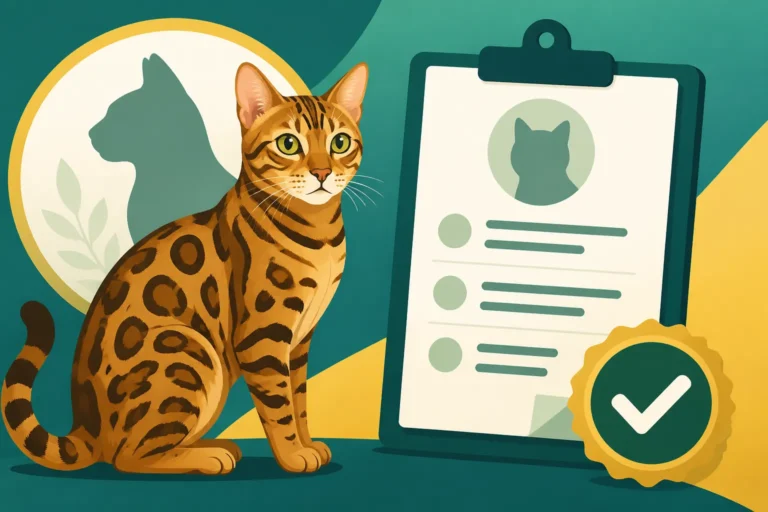
TICA, The International Cat Association, is one of the largest genetic registries for pedigreed cats in the world. Their primary purpose is to register cat breeds, establish breed standards, and promote the health and welfare of cats. When a Bengal cat is TICA registered, it means its lineage is recorded, its parents meet the breed standards, and the breeder is operating within a recognized framework. This isn't just bureaucratic red tape; it's a foundational step that sets TICA breeders apart from those who might cut corners.
A TICA registration isn't granted willy-nilly. It requires breeders to maintain meticulous records, follow specific breeding practices, and often, participate in showing their cats to ensure they conform to the breed standard. This commitment ensures that the Bengal cat you bring home is indeed a genuine Bengal, with the physical characteristics and temperament traits that define the breed. Without this, you might get a cat that looks vaguely like a Bengal but lacks the distinctive pelt, rosettes, or the energetic, intelligent personality we all adore.
The Importance of a Registered Pedigree
A TICA registered Bengal cat comes with a pedigree, which is essentially a family tree for your feline. This document traces your kitten's ancestry back several generations, listing its parents, grandparents, and so on. For a new owner, this might seem like an abstract detail, but its importance is paramount, especially for a breed like the Bengal which originated from a wild cat cross.
The pedigree confirms that your kitten's ancestors are all purebred Bengals, or, in the case of earlier generations, that the Asian Leopard Cat crosses were done responsibly and are properly documented. This helps to confirm the cat's generation number (F1, F2, F3, SBT), which is crucial for understanding its temperament and legal ownership in certain areas. For instance, knowing if you're getting an SBT (Stud Book Traditional) Bengal cat, which is typically four generations or more removed from the Asian Leopard Cat, provides assurance of a more domesticated temperament.
Beyond breed verification, a registered pedigree offers critical insights into potential genetic health issues. Reputable TICA breeders use this information to make informed breeding decisions, avoiding pairings that could lead to inherited diseases. When a breeder can show you a clear, registered pedigree, it reflects their commitment to the long-term health and genetic diversity of their lines. This level of transparency is a huge differentiator.
The Investment Behind a TICA Registered Bengal Cat
The higher price of a TICA registered Bengal cat isn't arbitrary. It directly reflects the substantial investment, effort, and ethical practices of a reputable breeder. This investment covers everything from advanced health screening to providing optimal care for their breeding cats and kittens.
Breeder Ethics and Standards
Reputable TICA breeders operate with a strong ethical compass, prioritizing the health and well-being of their cats above all else. This translates into significant costs for comprehensive health testing for their breeding stock. These aren't just basic vet check-ups; they include specific genetic tests and screenings relevant to Bengal cats. For example, PRA-b Blinds a Bengal Cat by Two and There Is a DNA Test is a serious concern, as is Pyruvate Kinase Deficiency in a Bengal Cat. Breeders will test for these to ensure they don't pass on these debilitating conditions to future generations.
Another crucial screening is for Hypertrophic Cardiomyopathy (HCM), a prevalent heart condition in many cat breeds, including Bengals. HCM Is What Kills Bengal Cats Early, and responsible breeders conduct regular echocardiograms (heart scans) on their breeding cats. These echos are performed by board-certified veterinary cardiologists and are a significant expense, often repeated annually or biennially. Why a Bengal Cat Breeder Must Show an Echo, Not a Gene Test highlights why this ongoing screening is so vital, as there isn't a simple gene test for HCM in Bengals like there is for some other breeds. These health investments are paramount to producing healthy kittens and demonstrating a breeder's commitment to the breed's future.
Beyond health tests, ethical breeders invest in maintaining a clean, safe, and stimulating environment for their cats. This isn't a casual hobby; it's often a full-time commitment that requires constant care, socialization, and attention to detail.
The Costs of Ensuring Health and Temperament
The financial commitment for a TICA registered Bengal cat starts long before the kitten is born and continues well after it goes to its new home. It encompasses a wide array of expenses aimed at producing healthy, well-adjusted companions.
Here’s a glimpse at where the investment goes:
- Breeding Stock Acquisition: High-quality breeding cats, often imported or from champion lines, are very expensive to acquire. They carry the genetics for the desired Bengal traits and health.
- Veterinary Care: Routine vet visits, vaccinations, deworming, and emergency care for breeding cats and kittens add up. A What the DNA Panel a Bengal Cat Breeder Runs Costs is just one part of this comprehensive health strategy.
- Nutrition: Breeding queens and growing kittens require premium, high-quality, often high-protein diets to support their health and development. Such specialized premium foods are not inexpensive. Providing top-tier nutrition for multiple cats over many years is a continuous, significant expense.
- Facilities: A dedicated cattery space must be clean, climate-controlled, and provide ample room for exercise and enrichment. This includes specialized litter boxes, scratching posts, and safe climbing structures.
- Time and Labor: This is perhaps the most undervalued cost. Hours are spent cleaning, feeding, socializing, monitoring health, and communicating with potential buyers. Raising healthy, confident Bengal kittens takes immense dedication.
- Show Fees & Travel: Many TICA breeders show their cats to prove they meet the breed standard, which involves entry fees, travel, and grooming expenses.
- Education: Reputable breeders are constantly learning, attending seminars, and staying updated on veterinary science, genetics, and feline behavior.
These investments ensure that a Bengal cat born under a TICA registration is not only beautiful but also well-socialized, robust, and prepared for a long, happy life with its new family. This contrasts sharply with kittens from "backyard breeders" who often skip these critical steps, leading to potential health and behavioral issues down the line.
Quality of Life and Rearing Practices
The environment in which a Bengal cat kitten is raised profoundly impacts its personality, health, and ability to adapt to a new home. A TICA registered breeder generally adheres to superior rearing practices, which contributes to the overall cost and, more importantly, the quality of the kitten.
Think about it: a kitten raised in a clean, stimulating home environment, handled daily, exposed to various sounds, sights, and people, is going to be far more confident and social than a kitten kept in isolation or in unsanitary conditions. These breeders dedicate significant time to early socialization, ensuring kittens are comfortable with human interaction, accustomed to household noises, and well on their way to being litter-trained. They often interact with the kittens from birth, gently handling them, playing with them using appropriate toys, and monitoring their development. This kind of hands-on, attentive care requires significant time and resources, but it's crucial for developing the vibrant, friendly What a Bengal Cat's Temperament Is Really Like that the breed is known for.
Furthermore, responsible breeders are meticulous about hygiene, preventing the spread of parasites and illnesses. They start vaccinations and deworming at appropriate ages and work closely with their veterinarians. This proactive approach minimizes the risk of bringing home a sick kitten, saving you potential heartbreak and costly vet bills. The investment in proper early care pays dividends in a kitten's long-term health and temperament, making the slightly higher upfront cost of a TICA registered Bengal cat a sound choice for discerning owners.
Protecting Your Investment: The Value Beyond the Price Tag
While the upfront cost of a TICA registered Bengal cat may seem high, it’s essential to look at it as an investment that offers significant returns in terms of peace of mind, reduced future expenses, and the joy of a healthy, well-adjusted companion.
Assurance of Breed Standard and Health Guarantees
One of the most compelling reasons to choose a TICA registered Bengal cat is the assurance of breed standard. You are getting a cat that looks, acts, and feels like a Bengal, with the stunning rosettes, glittery pelt, and athletic build you expect. You're not guessing if your spotted shelter cat is a Bengal; you have the pedigree to prove it. This means you can be confident in the unique characteristics that drew you to the breed in the first place.
Beyond aesthetics, reputable TICA breeders typically provide comprehensive health guarantees with their kittens. These guarantees usually cover genetic defects and severe hereditary conditions for a certain period. While the specifics vary by breeder, this provides an important safety net. If, for instance, a serious genetic condition like HCM Is What Kills Bengal Cats Early or Pyruvate Kinase Deficiency in a Bengal Cat were to manifest, a good health guarantee could offer recourse. This kind of protection is invaluable, considering the potential costs of veterinary treatment for serious illnesses.
Having a health guarantee can also give you confidence when looking into pet insurance, like plans offered by Healthy Paws. While pet insurance is a separate choice, knowing your kitten comes from health-tested parents and has a guarantee can complement your overall strategy for managing potential future health costs. It underscores the breeder's belief in the health of their lines.
Access to Support and Community
When you acquire a TICA registered Bengal cat from a reputable breeder, you're not just buying a kitten; you're often gaining a lifelong mentor and a supportive community. Ethical breeders are passionate about their cats and their breed. They are usually available to answer questions, offer advice, and provide guidance throughout your cat's life.
This ongoing support can be incredibly valuable, especially for first-time Bengal owners. You might have questions about diet, behavior, training, or health concerns as your kitten grows. Having a knowledgeable breeder to turn to, who knows your cat's lineage and specific needs, can be a huge comfort. They can often provide insights that generic internet searches can't, having years of experience with the breed. Furthermore, many TICA breeders foster a community among their kitten owners, allowing you to connect with other Bengal enthusiasts and share experiences. This network can be a rich source of information and camaraderie.
The Long-Term Savings and Peace of Mind
While the initial outlay for a TICA registered Bengal cat may be higher, it often translates into significant long-term savings and, perhaps more importantly, immense peace of mind. A cat from a health-tested, well-socialized lineage is far less likely to develop expensive genetic health problems or behavioral issues stemming from poor early rearing.
Consider the potential costs of treating a chronic illness that could have been screened for, or the expense of behavioral intervention for an unsocialized, anxious cat. These unexpected costs can quickly eclipse the initial difference in price for a responsibly bred kitten. A healthy cat means fewer vet visits, fewer medications, and a generally happier, more stable companion. Specialized diets can address certain health needs, but a fundamentally healthy cat, to begin with, is always the best foundation.
The emotional toll of dealing with a chronically ill or behaviorally challenged pet is also considerable. Investing in a TICA registered Bengal cat from an ethical breeder means you're investing in a solid foundation for your feline companion, maximizing the chances of a joyful, healthy The Twelve to Sixteen Years a Bengal Cat Gets with minimal stress.
What to Look for Beyond the TICA Paperwork
While TICA registration is a strong indicator of a responsible breeder, it's crucial to remember that it's just one piece of the puzzle. You still need to do your due diligence to ensure you're making the best choice for you and your future Bengal.
Verifying the Registration and Breeder's Practices
Never just take a breeder's word for it that their cats are TICA registered. TICA has a publicly accessible database where you can verify the registration status of catteries and individual cats. Ask the breeder for the registration numbers of the parent cats and their cattery name, then check them yourself. A reputable breeder will be happy to provide this information.
Furthermore, insist on seeing the cattery environment, even if it's virtually through video calls if an in-person visit isn't feasible. Observe the conditions: Is it clean? Do the cats look healthy and well-cared for? Are the kittens socialized and playful? You should be able to meet the kitten's mother, and sometimes the father if he lives on-site. The interactions you observe between the breeder and their cats, and between the cats themselves, will tell you a great deal about their welfare and socialization practices. Beware of breeders who are unwilling to allow you to see their facilities or meet the parents.
The Importance of a Comprehensive Contract
A good breeder will always have a written contract. This document protects both you and the breeder and outlines the responsibilities of each party. A comprehensive contract for a TICA registered Bengal cat should include:
- Health Guarantee: Details about what conditions are covered, for how long, and what actions you need to take if an issue arises.
- Spay/Neuter Clause: Most pet kittens are sold with a contract requiring them to be spayed or neutered by a certain age. Proof of this procedure is often required.
- Return Policy: What happens if, for unforeseen circumstances, you can no longer keep the cat? A responsible breeder will often require the cat to be returned to them rather than rehomed independently.
- Registration Details: Confirmation that the kitten will be TICA registered (often the breeder handles the initial registration and transfers it to you).
- Vaccination and Deworming Records: A full health history for the kitten up to the point of sale.
Read the contract thoroughly and ask questions about anything you don't understand. A transparent contract is a hallmark of a trustworthy breeder.
| Feature | TICA Registered Breeder | Unregistered/Backyard Breeder |
|---|---|---|
| Health Testing | Extensive genetic and health screenings (HCM echos, PKDef, PRA-b). | Minimal or no health testing; often unaware of breed-specific issues. |
| Pedigree & Lineage | Documented, verifiable multi-generational pedigree. | Often no clear pedigree, or an unverified one. |
| Breeding Ethics | Focus on health, temperament, breed standard. Responsible pairings. | Focus on quick sales; may breed indiscriminately. |
| Kitten Rearing | Raised in stimulating, clean home; extensive socialization. | May be kept in cages, limited socialization, unsanitary conditions. |
| Health Guarantee | Typically offers a written health guarantee. | Rarely offers a guarantee, or a very limited one. |
| Ongoing Support | Provides lifelong support and advice. | Little to no post-sale support. |
| Cost | Higher upfront cost, reflecting investment. | Lower upfront cost, but higher risk of future expenses/issues. |
| Peace of Mind | High assurance of health, temperament, and authenticity. | Low assurance; high risk of health/behavioral problems. |
Asking the Right Questions
When speaking with a potential breeder for your TICA registered Bengal cat, be prepared with a list of questions. A good breeder will welcome your inquiries as it shows you are a responsible prospective owner. Here are some examples:
- "What health tests do you perform on your breeding cats, and can I see the results?" (Specifically ask about HCM echos, PKDef, and PRA-b.)
- "How often do you breed your queens?" (Responsible breeders will not overbreed their cats.)
- "What is your philosophy on kitten socialization?"
- “What kind of food are the kittens currently eating?” (This is important for a smooth transition to your home, and high-quality food indicates good care).
- "What are the terms of your health guarantee and contract?"
- "What are your requirements for kitten buyers?"
- "Can you provide references from other kitten owners?"
- "At what age do your kittens go to their new homes, and what vaccinations/vet care will they have received?"
By asking these detailed questions and verifying the information, you are taking an active role in ensuring you bring home a healthy, happy, and truly TICA registered Bengal cat. This due diligence is the best way to safeguard your investment and ensure a wonderful companionship for years to come.
Disclaimer
This article is for general informational purposes only and does not constitute professional advice. Laws, prices and regulations vary by location and change over time. Consult a qualified professional for guidance on your specific situation.