When the Bengal Cat Got Championship Status
It can be incredibly confusing to navigate the world of purebred cats, especially when you're looking into a breed as unique and relatively new as the Bengal. Many prospective owners wonder about the breed's legitimacy or how it became so widely recognized, often feeling overwhelmed by the terminology. This guide will walk you through the fascinating journey of the Bengal cat, specifically detailing when it achieved the coveted championship status and what that landmark meant for the breed and its dedicated fanciers.
The Genesis of a Wild Look: From Research to Recognition
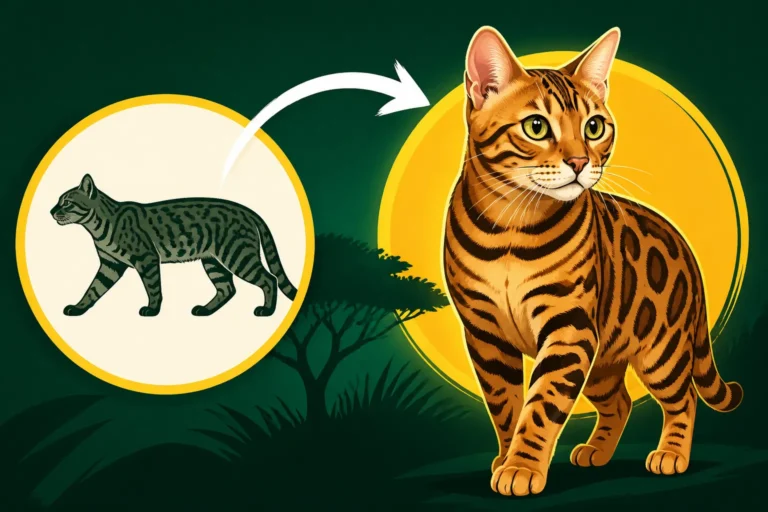
The Bengal cat's story began with a rather unconventional purpose, far from the show halls and pedigrees we associate with purebred cats today. Its origins lie in a scientific endeavor to understand feline leukemia, which led to crosses between the wild Asian Leopard Cat (ALC) and domestic cats. This early research, spearheaded by Dr. Willard Centerwall at Loma Linda University, demonstrated that the ALC possessed natural immunity to feline leukemia, and the hybrid offspring inherited some of this resistance.
These early hybrids, however, weren't primarily bred for their stunning looks or charming personalities. Their purpose was scientific, and once their role in the study concluded, they needed homes. This is where Jean Mill, a pioneering breeder from California, stepped in. She received some of these initial F1 (first generation) hybrids from Dr. Centerwall's program in the early 1980s. She had also made her own initial crosses back in the 1960s, then paused her program, but her passion for creating a domestic cat with the striking appearance of its wild ancestor never truly faded.
Jean Mill's Vision for the Bengal Cat
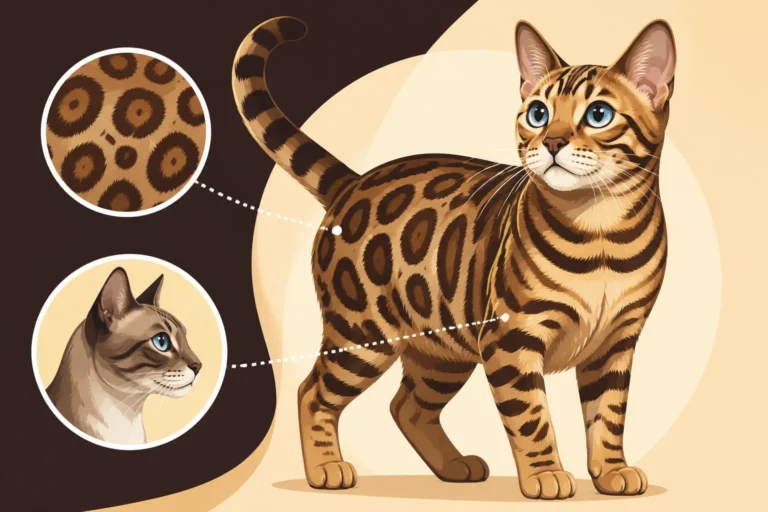
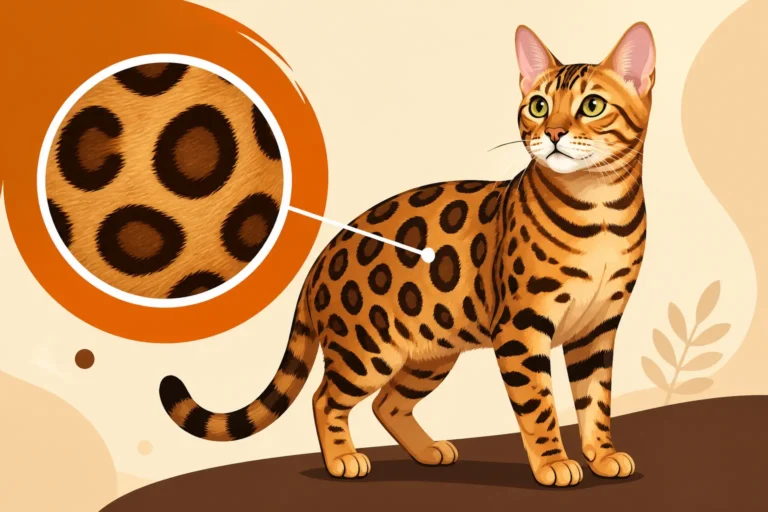
Jean Mill is widely credited as the "Mother of the Bengal Cat." Her vision was clear: to create a domestic companion animal that retained the exotic beauty of the Asian Leopard Cat, with its distinctive rosetted or marbled coat, but possessed the gentle temperament suitable for a family home. This was no small feat, as the early generations (F1 to F3, known as filial generations) could exhibit some wilder traits. It required careful selection and a deep understanding of genetics and feline behavior.
She painstakingly worked on breeding these hybrids to domestic cats, focusing on temperament, health, and, of course, that breathtaking wild look. It was a long, often challenging process, filled with trial and error. The goal was to establish a breed that was truly domesticated by the fourth generation (F4) and beyond, making it accessible and manageable for pet owners. A Leopard Cat and a Housecat Made the First Bengal Cat explores this fascinating history in more detail.
The Role of The International Cat Association TICA
For any new cat breed to gain widespread acceptance and legitimacy, it needs to be recognized by major cat registries. The International Cat Association (TICA) plays a crucial role in this process, being one of the largest genetic registries for pedigreed cats and household pets in the world. TICA is often more progressive in recognizing new breeds and color variations compared to some older, more traditional associations. This openness was vital for a hybrid breed like the Bengal cat, which challenged conventional notions of what a domestic cat could be.
TICA's structured approach to breed recognition involves several stages, each with specific requirements for the number of cats, generations, and breeders involved. This ensures that a new breed is stable, healthy, and consistently produces its characteristic traits before it can compete for top honors. The process is designed to protect the integrity of the breed and the well-being of the cats.
The Journey Through TICA's Recognition Stages
The path to championship status within TICA is not a quick sprint; it's a marathon. For the Bengal cat, this journey reflected the dedication of breeders like Jean Mill and the growing interest in this unique feline. TICA's system ensures that new breeds are thoroughly vetted, demonstrating genetic stability and a consistent breed standard before they can compete in the show ring as "champions."
Provisional Status: The First Big Step
The Bengal cat first achieved "Provisional Status" with TICA in 1986. This was a monumental first step, acknowledging the breed's distinct characteristics and the efforts of its foundational breeders. Provisional status means the breed is officially recognized, but it's still in a probationary period. Cats of provisional breeds can be shown, but they can't earn championship titles. Instead, they compete against other provisional breeds and can earn "Best of Provisional" awards.
This stage is critical for new breeds because it allows judges to become familiar with the breed's standard and for breeders to continue refining their lines. It's a period of intense scrutiny and development. The cats are evaluated for their adherence to the written standard, and judges provide feedback that helps shape the future direction of the breed. This feedback is invaluable for ensuring the breed develops in a healthy and consistent manner.
Championship Status: The Grand Achievement
After a period of successful exhibition at Provisional Status, demonstrating stability and consistent adherence to the breed standard, the Bengal cat was granted full "Championship Status" by TICA in 1991. This was a truly defining moment, marking the breed's official acceptance into the mainstream of the cat fancy world.
What does "Championship Status" actually mean? It means Bengal cats could now compete alongside established breeds for the highest titles in TICA's show ring, such as Champion, Grand Champion, and Supreme Grand Champion. It signaled that the breed was genetically stable, producing consistent traits, and had a sufficient number of healthy cats and dedicated breeders to sustain it. This recognition opened doors for the breed to flourish, encouraging more ethical breeding practices and greater public awareness. You can read more about When TICA Accepted the Bengal Cat and the impact of this decision.
Here's a simplified look at TICA's recognition pathway:
| Status Stage | Description | Bengal Cat's Year Achieved |
|---|---|---|
| New Breed | Initial recognition by TICA as a unique breed, but not yet eligible for competition. Requires submission of a written standard and evidence of genetic distinctiveness. | Pre-1986 |
| Provisional | Breed is recognized and can be shown, but cannot earn championship titles. Competes for "Best of Provisional" awards. Focus on demonstrating consistency and health. | 1986 |
| Championship | Breed is fully recognized and can compete for championship titles (Champion, Grand Champion, etc.). Requires demonstrated stability in type, sufficient numbers, and sustained interest from breeders and exhibitors. | 1991 |
| Advanced New Breed | (Note: This is an intermediate step TICA sometimes uses for breeds before Provisional or Championship, especially for more complex or hybrid breeds. The Bengal largely bypassed this as a distinct category due to its unique development path.) | N/A (for Bengal) |
What Championship Status Meant for the Bengal Cat Breed
Achieving championship status was far more than just a formality for the Bengal cat; it was a powerful catalyst for its growth, development, and acceptance. It legitimized the breed in the eyes of the cat world and the public, transforming it from a curious novelty into a recognized and respected purebred.
Increased Popularity and Demand
With championship status, Bengal cats began appearing more frequently in TICA cat shows, showcasing their stunning rosetted coats and athletic physiques to a broader audience. This exposure fueled public interest, leading to increased demand for Bengal kittens. People who had only heard rumors of a "leopard cat" could now see these magnificent animals in person, interacting gently with their handlers, dispelling myths about their wildness.
This surge in popularity, while largely positive, also brought challenges. It became even more crucial for ethical breeders to educate prospective owners about the Bengal's unique needs, such as its high energy levels and need for enrichment. Items like durable toys and stimulating puzzle feeders, readily available on sites like Chewy, became household staples for Bengal owners. How Many Hours a Day a Bengal Cat Plays delves into their activity needs.
Standardization and Breed Development
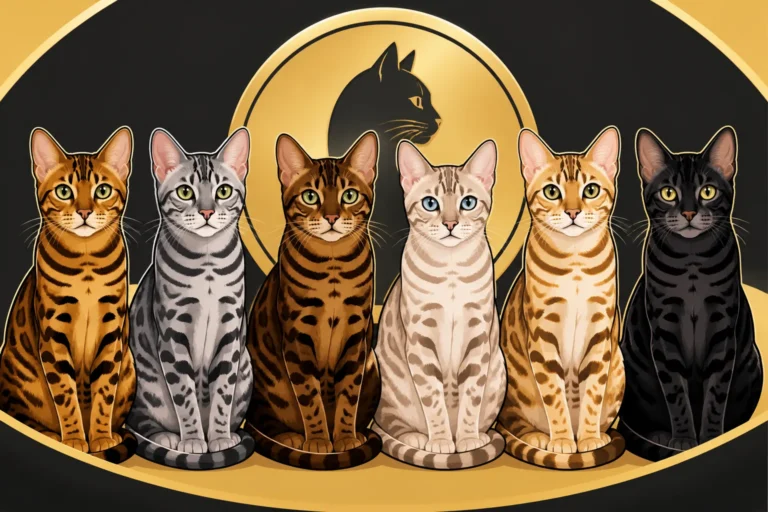
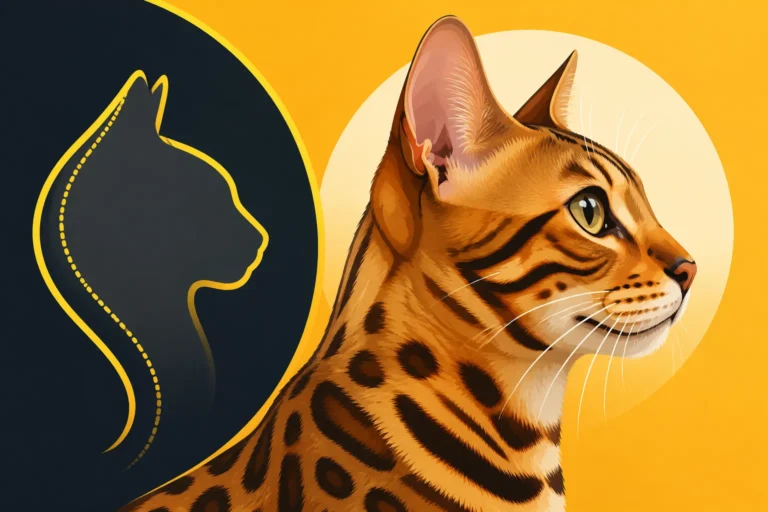
Championship status solidified the breed standard, providing a clear blueprint for what a Bengal cat should look like and how it should behave. Breeders now had a definitive guide to work towards, ensuring consistency across breeding programs. This led to a more uniform type, with emphasis on the striking wild patterns, muscular bodies, and confident, friendly temperaments.
It also encouraged careful selective breeding to enhance desirable traits and minimize undesirable ones. Breeders could now focus on health screenings and genetic diversity within the recognized standard, helping to build a robust and healthy breed population. What a Bengal Cat Looks Like by the Standard provides an in-depth look at these characteristics.
The Enduring Legacy of Championship Recognition
The moment the Bengal cat earned its championship stripes with TICA was not just a date on a calendar; it was a turning point that shaped the breed's trajectory forever. It marked the successful culmination of years of dedicated effort, visionary breeding, and a commitment to bringing an extraordinary feline into the domestic fold.
Impact on Breeding Practices and Ethics
With TICA's full recognition came increased accountability for breeders. To maintain the breed's integrity and health, responsible breeders adhere to strict ethical guidelines, including genetic testing for common Bengal ailments like HCM Is What Kills Bengal Cats Early and Pyruvate Kinase Deficiency in a Bengal Cat. They also focus on ensuring proper socialization for kittens, recognizing that while the wild look is captivating, the domestic temperament is paramount.
The emphasis on ethical breeding also meant a greater focus on health and welfare. Buyers looking for a Bengal cat can now expect breeders to provide clear health records, pedigrees, and information about the kitten's lineage. This level of transparency protects both the cats and their future owners. Many responsible breeders will also ensure their kittens go to new homes with a starter kit, including some familiar food, often sourced from trusted retailers like Chewy.
The Bengal Cat's Place in the Cat World Today
Today, the Bengal cat is one of the most popular and recognizable cat breeds globally. Its distinctive appearance, active nature, and intelligent personality have captivated countless enthusiasts. From being a scientific curiosity to a provisional entrant in the show ring, the Bengal has firmly established itself as a beloved companion animal. Where the Bengal Cat Ranks Among Cat Breeds showcases its widespread appeal.
The journey to championship status cemented the Bengal's place as a legitimate and cherished breed, demonstrating that with careful and responsible breeding, the wild beauty of nature can be respectfully brought into our homes. It continues to be a breed that fascinates and enchants, always reminding us of its unique heritage. If you're considering welcoming one of these amazing cats into your home, understanding its history helps appreciate the dedication behind every Bengal. Make sure you're prepared with plenty of enrichment items, from tall cat trees to engaging toys you can find at Chewy, because an active Bengal is a happy Bengal!
Disclaimer
This article is for general informational purposes only and does not constitute professional advice. Laws, prices and regulations vary by location and change over time. Consult a qualified professional for guidance on your specific situation.