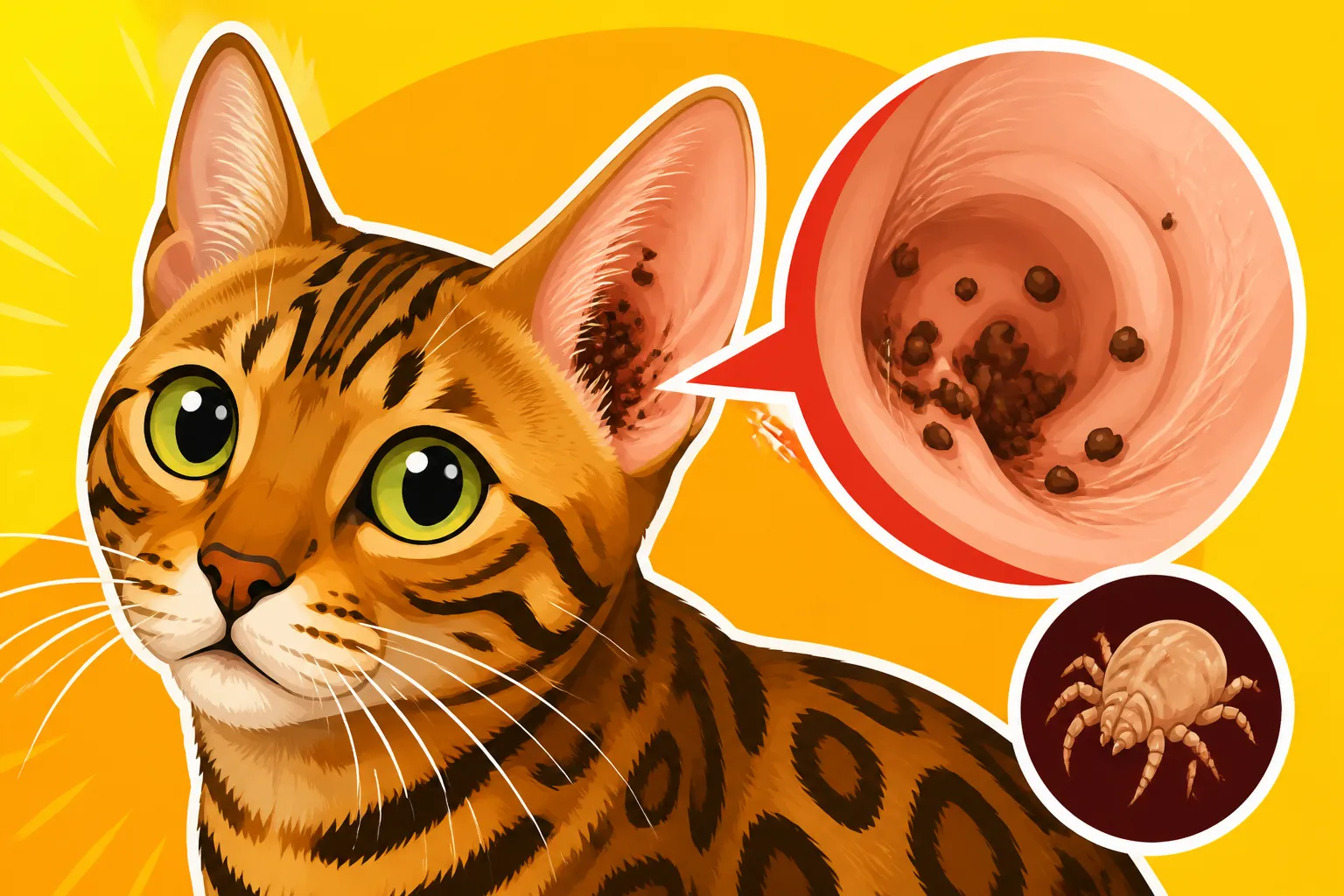
When a Bengal Cat’s Ear Wax Means Mites
It's an age-old concern for every cat parent, but for those of us who share our lives with the magnificent Bengal cat, it feels particularly poignant: that moment you peer into those beautiful, often spotted ears and spot something… unexpected. Is it just normal ear wax, a little bit of dirt from an adventurous romp, or is it something more sinister, like ear mites? The worry is real, and the distinction isn't always obvious to the untrained eye. This guide is here to walk you through exactly what to look for, helping you understand when that ear wax is just part of being a cat, and when it’s a red flag waving vigorously for your attention.
Decoding Your Bengal Cat's Ear Health: Normal vs. Concerning Ear Wax
Let's face it, nobody wants to be constantly poking around in their Bengal's ears. They're often too busy climbing to the highest point of your bookshelf or splashing around in the sink! But a quick, regular peek can save a lot of heartache. The truth is, all cats produce ear wax, and a certain amount is perfectly healthy and normal. It’s part of their natural defense system, catching dust, debris, and foreign particles before they can cause trouble deeper inside the ear canal. The key is knowing what "normal" looks and smells like for your particular feline adventurer.
What Healthy Ear Wax Looks Like
When you gently fold back your Bengal's ear, you should be looking for a small amount of light brown or reddish-brown waxy residue. Think of it like a human's ear wax – present, but not excessive. It might be a little sticky, and it should certainly not have any strong, unpleasant odor. Healthy ears should appear relatively clean, with no redness, swelling, or discharge. If you see a tiny bit of build-up after a few weeks, that's generally fine. It means their ears are doing their job, and a gentle wipe with a soft cotton ball can usually take care of it.
Remember, Bengal cats are known for their impressive, often large, and upright ears, which can sometimes appear deceptively clean. Don't let their wild look fool you into thinking their ears are somehow immune to common issues. While a Bengal cat's large ears might seem like they'd get dirtier, they also often have good airflow, which can actually help keep them healthier than some flatter-eared breeds. You can learn more about specific Bengal cat traits in articles like Why a Bengal Cat's Big Ears Stay Clean.
When Normal Ear Wax Becomes a Red Flag
The moment that "normal" brown wax starts to change, your internal alarm bells should start ringing. We're talking about a significant increase in the amount of wax, a change in its color to a darker brown or black, or a noticeable shift in its texture. If the wax starts to look like tar, or crumbly, dark "coffee grounds," that's a serious sign something is amiss. Also, pay close attention to the smell. Healthy ears don't have a strong odor. If you detect a yeasty, foul, or sweet smell, that's definitely a concern. These changes suggest that the ear's natural balance has been disrupted, and it’s time to investigate further.
| Characteristic | Healthy Ear Wax | Ear Mites / Infection |
|---|---|---|
| Color | Light brown, reddish-brown | Dark brown, black, "coffee grounds" |
| Texture | Soft, slightly sticky, waxy | Dry, crumbly, gritty, sometimes oily discharge |
| Amount | Minimal, light film | Excessive, noticeable build-up |
| Odor | None, or very faint, natural feline scent | Foul, yeasty, sweet, pungent |
| Cat's Behavior | Normal, no discomfort | Excessive scratching, head shaking, rubbing |
| Appearance | Clean, no redness or swelling | Redness, inflammation, swelling, sometimes sores |
The Tiny Terrors: Unmasking Ear Mites in Your Bengal Cat
Ear mites are one of the most common culprits behind problematic ear wax, especially in younger cats or those who have been around other animals. These microscopic parasites, known as Otodectes cynotis, love to set up shop in the warm, dark canals of a cat's ear. They feed on skin debris and ear wax, causing intense irritation and discomfort. The frustration for many Bengal owners is that the signs can sometimes mimic other ear issues, making a proper diagnosis crucial.
The Appearance of Mite-Infested Wax
If you suspect ear mites, the appearance of the ear wax is your biggest clue. Mite-infested ears typically produce a dark, dry, and crumbly discharge that has been famously, and quite accurately, described as looking like "coffee grounds." This isn't just a little bit of dark wax; it's often a significant amount, coating the inside of the ear canal. The mites themselves are too small to see with the naked eye, but their waste products and the dried blood they cause contribute to this characteristic dark appearance. If you gently swab some out, you'll feel how gritty it is compared to normal, smoother wax.
Behavioral Clues Your Bengal Cat Has Mites
Beyond the appearance of the wax, your Bengal cat's behavior will tell you a lot. An ear mite infestation is incredibly itchy, so one of the most prominent signs is excessive scratching around the ears, often so vigorous that they might break the skin, leading to scabs or hair loss. You might also notice your Bengal shaking their head frequently, tilting it to one side, or rubbing their ears against furniture or your leg in an attempt to relieve the incessant itch. They might even become a bit withdrawn or irritable because of the constant discomfort. It's truly heartbreaking to watch your usually energetic Bengal cat suddenly become so agitated by something so small. Pay close attention to these subtle shifts, as Bengal cats are masters at hiding discomfort, as detailed in How a Bengal Cat Hides Pain.
How Ear Mites Affect Your Bengal Cat's Comfort
Left untreated, ear mites don't just cause itchiness; they can lead to more serious health problems. The constant scratching and inflammation can pave the way for secondary bacterial or yeast infections, which only exacerbate the discomfort and can make the ears incredibly painful. These secondary infections often come with their own distinct, foul odor. In severe cases, constant head shaking can even lead to an aural hematoma, where blood vessels in the ear flap rupture, creating a swollen, fluid-filled pocket that requires veterinary intervention. It's a cascade of potential issues, all starting from those tiny, irritating mites.
Getting to the Bottom of It: Diagnosis and Treatment
You've observed the coffee-ground like wax, the frantic scratching, maybe even a foul smell. Your next step is clear: a trip to the vet. While it might be tempting to try home remedies or over-the-counter solutions, a proper diagnosis is absolutely critical. What looks like mites could be a bacterial infection, a yeast infection, or even allergies, and treating it incorrectly could make things much worse for your beloved Bengal.
Getting a Professional Diagnosis
When you bring your Bengal cat to the vet, they'll perform a thorough examination. This usually involves looking into the ear canal with an otoscope, a specialized tool that lets them see deep inside. If ear mites are suspected, they'll often take a sample of the ear wax and examine it under a microscope. This is the definitive way to diagnose ear mites – seeing the actual mites wiggling around in the sample confirms the diagnosis. It’s a quick, painless procedure for your cat and provides immediate answers, which is so much better than guessing. Regular wellness exams, as discussed in How Often a Bengal Cat Needs a Wellness Exam, are crucial for catching these issues early.
Treatment Options for Ear Mites
Once ear mites are confirmed, your vet will prescribe the appropriate treatment. This typically involves ear drops that contain antiparasitic medications. These drops need to be administered consistently for a specific period, usually several weeks, to ensure all mites, including eggs, are eradicated. It's vital to follow your vet's instructions precisely, even if your cat seems to feel better after a few days. Stopping treatment too soon is a common reason for re-infestation.
For very active cats, or those who truly despise ear drops, your vet might also discuss alternative treatments. There are some excellent topical medications designed to be applied to the skin, often between the shoulder blades, that can treat ear mites and other parasites. These are often easier to administer for a feisty Bengal. Oral medications might also be an option in some cases. Your vet might also recommend a gentle ear cleaner to help break down the waxy buildup before you apply the medicated drops, making the treatment more effective. Brands like Chewy often carry a wide range of veterinary-approved ear cleaners and other pet supplies that your vet might recommend.
Preventing Future Infestations
Preventing ear mites is primarily about good hygiene and limiting exposure, especially if your Bengal cat interacts with other animals.
- Regular Ear Checks: Make it a habit to peek into your Bengal's ears weekly. Early detection makes treatment easier.
- Cleanliness: If you have a multi-cat household, it's wise to treat all cats if one is diagnosed with mites, as these little hitchhikers spread easily. Also, clean bedding and areas where your cat rests frequently.
- Quarantine New Animals: If you bring a new pet into your home, keep them separate from your Bengal until they've had a vet check-up, including an ear exam, to prevent introducing parasites.
- Outdoor Exposure: While many Bengals are indoor-only, if your cat has access to a catio or encounters outdoor animals, their risk increases. Consider regular flea and tick prevention products that often cover ear mites as well. These products can be found from retailers like Amazon, but always consult your vet for the best prescription-strength options.
Not Just Mites: Other Ear Issues Your Bengal Cat Might Face
While ear mites are a common culprit for dirty, itchy ears, they are certainly not the only one. Understanding the other possibilities can help you provide your vet with a clearer picture of your Bengal's symptoms and lead to a quicker, more accurate diagnosis. It’s not always about the "coffee grounds."
Bacterial and Yeast Infections
Bacterial and yeast infections are incredibly common secondary infections that can arise after an initial problem like ear mites or allergies, but they can also occur on their own.
- Bacterial Infections: These often produce a foul, sometimes pungent odor and a discharge that can range from yellowish to pus-like. The ear itself will often be red, swollen, and painful to the touch. Your Bengal might also be very sensitive about having their head or ears touched. Antibiotic ear drops or oral antibiotics are typically prescribed for bacterial infections.
- Yeast Infections: A classic sign of a yeast infection is a sweet, yeasty odor – almost like bread dough – and a brownish, waxy discharge. While still itchy, it might not be as intensely irritating as mites or bacterial infections initially. Antifungal ear drops are the usual course of action.
In both cases, your vet will likely take a swab of the ear discharge for cytology (examining cells under a microscope) or culture to identify the specific type of bacteria or yeast, ensuring the correct medication is prescribed. Trying to treat these with over-the-counter mite treatments will be ineffective and could prolong your cat's suffering.
Allergies and Foreign Bodies
Sometimes, ear problems aren't caused by an infection or parasite at all, but by something more benign, yet equally irritating.
- Allergies: Just like humans, cats can suffer from environmental allergies (pollen, dust mites) or food allergies. One common symptom of allergies in cats is itchy skin, and that often includes itchy ears. You might see redness, mild inflammation, and a small amount of dark, waxy discharge that isn't quite the “coffee grounds” of mites. If your Bengal has recurring ear issues that don't respond well to typical treatments, your vet might explore allergy testing or a food trial. For food allergies, a specialized diet might be recommended, and sometimes high-quality, novel protein foods could be beneficial under veterinary guidance.
- Foreign Bodies: Imagine a tiny blade of grass, a seed, or even a small insect making its way into your Bengal's ear canal. It's surprisingly common! The cat will often show sudden, intense discomfort, head shaking, pawing at the ear, and perhaps vocalizing. Unlike an infection or mites which develop over time, a foreign body usually causes immediate and severe symptoms. Your vet will need to carefully remove the object, often under sedation, to prevent further damage to the delicate ear structures.
The Importance of Accurate Diagnosis
It cannot be stressed enough: do not self-diagnose ear problems in your Bengal cat. The similarities in symptoms between mites, bacteria, yeast, allergies, and foreign bodies are striking, yet the treatments are entirely different. Using the wrong medication can mask symptoms, making it harder for your vet to diagnose later, or even cause resistance to antibiotics if used inappropriately. A simple ear exam and a quick microscopic check can save your Bengal a lot of pain and save you money in the long run by avoiding ineffective treatments. Your vet is your best partner in keeping those magnificent Bengal ears healthy and happy.
Disclaimer
This article is for general informational purposes only and does not constitute professional advice. Laws, prices and regulations vary by location and change over time. Consult a qualified professional for guidance on your specific situation.