Whether a Bengal Cat Can Be Free Fed
The idea of leaving a bowl of kibble out for your Bengal cat all day, letting them graze as they please, sounds like a dream of convenience, doesn't it? Many of us have busy lives, and the thought of simply topping up a bowl rather than adhering to a strict feeding schedule is certainly appealing. However, when it comes to the unique needs of a Bengal cat, this seemingly simple approach can lead to a host of health and behavioral problems that are anything but convenient in the long run. This guide will dive deep into why free feeding might not be the best strategy for your dynamic feline companion, exploring their specific dietary requirements and offering better alternatives to keep them healthy and happy.
The Bengal Cat's Unique Metabolism and Energy Demands
Bengal cats aren't your average couch potato housecats, and their metabolism reflects their wild ancestry. Bred from the Asian Leopard Cat, they possess an incredible amount of energy, intelligence, and an insatiable curiosity that keeps them constantly on the go. This isn't a breed that sleeps 20 hours a day and ambles over to the food bowl once or twice. Instead, you'll find them scaling cat trees, exploring every nook and cranny of your home, and engaging in intense play sessions that would leave other felines breathless.
This high activity level means their bodies are constantly burning calories. Think of them as tiny, furry athletes. They need a consistent, reliable source of fuel to maintain their muscular physique and power their endless adventures. While it might seem logical that constant access to food would cater to this, it often leads to either overconsumption or sporadic eating patterns that can upset their delicate digestive systems. Their internal "wild clock" is more attuned to hunting and eating in specific bursts, rather than endless grazing. Understanding How Many Calories a Bengal Cat Burns in a day is crucial, and free feeding makes it almost impossible to accurately track that intake.
Their ancestral diet was also meat-based, high in protein and moisture, obtained through hunting. This contrasts sharply with the dry, often carb-heavy kibble typically offered in a free-feeding setup. While modern Bengals are far removed from their wild counterparts in terms of temperament and domesticity, their physiology still leans towards a diet that supports lean muscle mass and sustained energy without excess carbohydrates that can lead to unhealthy weight gain or digestive issues. This metabolic blueprint means we need to be thoughtful about how and what we feed them.
The Potential Pitfalls of Free Feeding for a Bengal Cat
Despite its apparent convenience, free feeding can throw a wrench into a Bengal cat's delicate balance, impacting their physical health and even their behavior. It's a method that often ignores the specific needs of this unique breed, leading to issues that can be frustrating for both cat and owner.
Weight Management and Health Risks
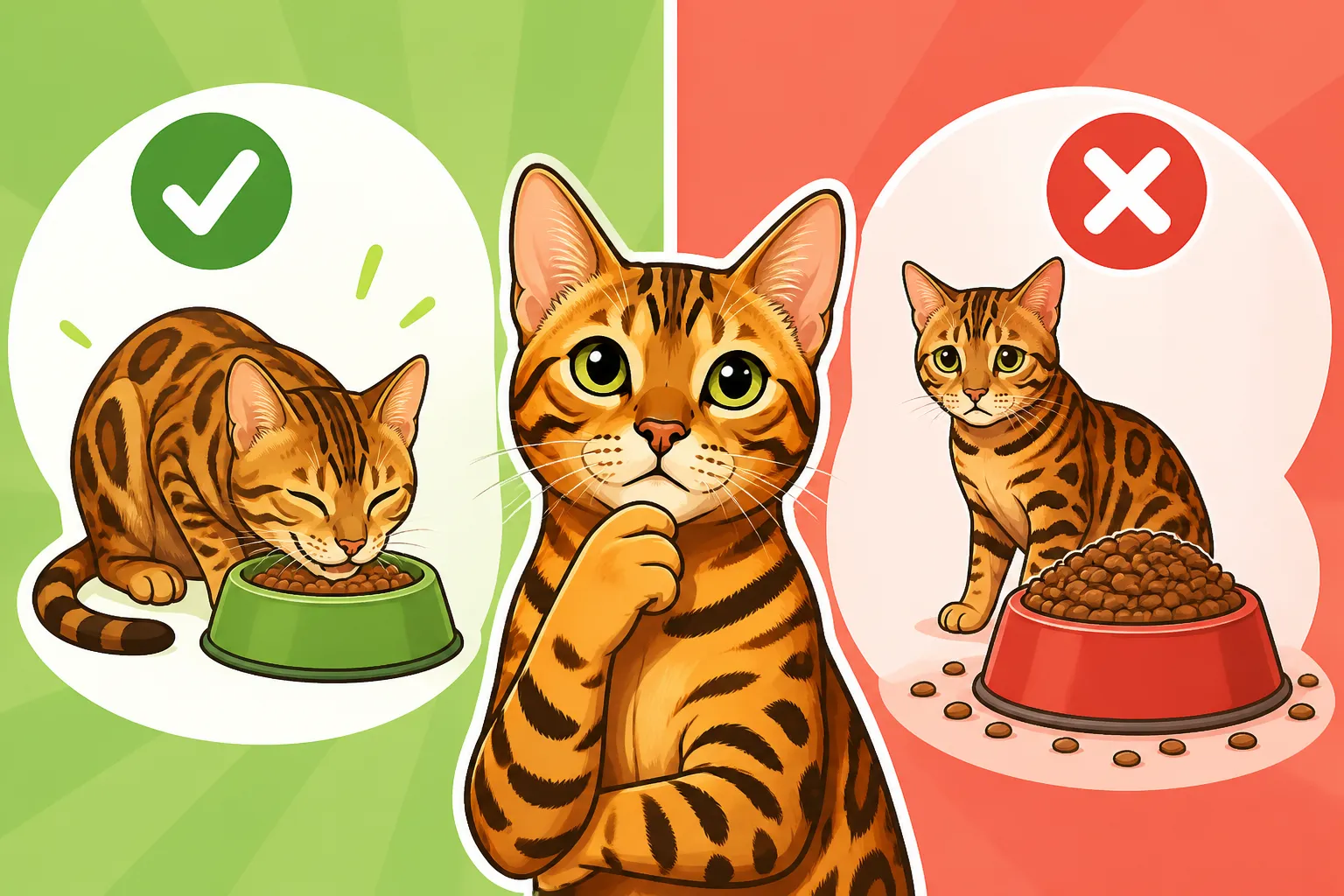
One of the most immediate concerns with free feeding any cat, especially a high-energy Bengal, is the risk of weight gain. While Bengal cats are incredibly active, they are not immune to packing on extra pounds. Free feeding means an endless buffet, and even the most active cat can overeat if the food is always available and highly palatable. This is particularly true if the food isn't precisely matched to their high protein, low carbohydrate needs.
An overweight Bengal isn't just a slightly chubbier cat; it's a cat facing significant health risks. Excess weight can contribute to conditions like diabetes, joint problems, heart disease, and a decreased quality of life. Even with their energy levels, it's easy to see How Easily a Bengal Cat Becomes Overweight if they're constantly nibbling. Owners might mistakenly think their Bengal's activity will "burn off" any extra calories, but caloric intake can often outpace even a Bengal's impressive energy output. When a Bengal is free-fed, it’s nearly impossible to know how much they’re actually consuming each day, making it difficult to adjust their diet if they start gaining weight. This lack of control leaves owners guessing and reactive, rather than proactive, in managing their cat's health.
Digestive Sensitivities and Chronic Diarrhea
Bengal cats are notorious for having sensitive stomachs. Many owners struggle with finding the right diet to keep their Bengal's digestive system happy and their stools firm. Free feeding can exacerbate or even cause digestive problems. When food is always available, some Bengals might graze indiscriminately throughout the day and night, never truly allowing their digestive system to rest. Others might eat too quickly when they do decide to eat, leading to indigestion, vomiting, or diarrhea.
Imagine eating small snacks all day versus proper, balanced meals. For a Bengal, constant grazing can upset the delicate balance of their gut microbiome. This inconsistent intake can make it difficult for their system to properly process nutrients, leading to inflammation and discomfort. We often hear stories of Bengals suffering from Chronic Diarrhea Is the Bengal Cat Complaint Nobody Warns About, and while various factors contribute to this, improper feeding practices, including free feeding, can certainly be a trigger. The type of food typically used for free feeding – often dry kibble – can also be problematic due to lower moisture content and higher carbohydrate levels, which aren't ideal for a Bengal's gastrointestinal tract. A Bengal's gut is complex, and Why a Bengal Cat's Gut Is So Sensitive is a topic many owners grapple with, making a structured approach to feeding even more critical.
Behavioral Issues and Resource Guarding
While often associated with multi-cat households, free feeding can sometimes contribute to behavioral issues even in single-cat homes. A constantly available food source removes the element of "hunt" from the cat's day, which can lead to boredom or a lack of mental stimulation for such an intelligent and active breed. Food, when managed, can be a powerful tool for enrichment and training. Without this, a Bengal might seek other, less desirable ways to entertain themselves, such as counter-surfing, destructive chewing, or excessive vocalization.
In some cases, free feeding can lead to resource guarding, especially if there are other pets or even children in the home. The cat might become overly possessive of the food bowl, even if it's always full. This territoriality can create tension and stress, which is detrimental to the cat's overall well-being. Furthermore, without defined mealtimes, it's harder to monitor your cat's appetite, which is often the first indicator of illness. A sudden drop in food intake might go unnoticed for longer if the bowl is perpetually full, delaying crucial veterinary attention.
The Benefits of Structured Mealtimes for Your Bengal
Shifting from free feeding to structured mealtimes might seem like more work, but for a Bengal cat, it offers a wealth of benefits that contribute significantly to their health, happiness, and your bond with them.
Optimal Health and Weight Control
Structured mealtimes are a game-changer for weight management. By dishing out specific, measured portions at set times, you gain complete control over your Bengal's caloric intake. This allows you to tailor their diet precisely to their activity level, age, and any specific health needs. If your Bengal needs to shed a few pounds, you can easily reduce portion sizes slightly, knowing exactly how much they are eating. If they're a growing kitten or an exceptionally active adult, you can ensure they receive enough fuel.
This controlled approach helps prevent obesity, which in turn reduces the risk of associated health problems like diabetes, heart disease, and joint pain. You can monitor their body condition regularly and make adjustments as needed, keeping them at their ideal lean, muscular weight. This proactive management fosters a healthier, longer life for your active companion, allowing them to continue their energetic antics without the burden of extra weight.
Improved Digestion and Nutrient Absorption
Regular mealtimes can do wonders for a Bengal's sensitive digestive system. When cats eat at predictable intervals, their digestive enzymes and acids are released more consistently, leading to more efficient digestion and nutrient absorption. This rhythmic feeding pattern can help stabilize their gut microbiome, reducing instances of upset stomachs, vomiting, and that dreaded chronic diarrhea.
When a Bengal eats a measured meal, they are less likely to gorge themselves, which can often lead to digestive distress. They learn to eat at a steady pace, allowing their body to process the food properly. Furthermore, meal feeding encourages the use of high-quality wet foods, which are generally much better for a Bengal's hydration and digestive health than dry kibble. Wet food contains significantly higher moisture content, mimicking the natural prey diet and supporting kidney function. When looking for high-quality wet food, whether you're browsing options on Chewy or exploring specialty brands, always prioritize those with high meat content and minimal fillers.
Enhanced Bond and Mental Stimulation
Mealtime isn't just about food; it's an incredible opportunity to strengthen your bond with your Bengal and provide vital mental stimulation. Instead of merely refilling a bowl, you become the provider, fostering a sense of trust and anticipation. Your Bengal will learn to associate you with positive experiences, deepening your relationship.
Beyond the emotional connection, mealtimes can be transformed into engaging activities. Using puzzle feeders, slow feeders, or even scattering kibble (if using dry food) encourages your Bengal to "work" for their food, tapping into their natural hunting instincts. This not only slows down their eating but also provides mental enrichment that a simple bowl cannot. Imagine the satisfaction your Bengal gets from figuring out how to retrieve a treat from a Which Puzzle Feeder Beats a Bengal Cat compared to just having it readily available. This intellectual challenge helps combat boredom and can redirect their intelligent energy away from destructive behaviors.
Practical Strategies for Meal Feeding a Busy Bengal
Transitioning to meal feeding, especially with a Bengal cat, requires a little planning and consistency. But trust me, the long-term benefits for your cat's health and your peace of mind are absolutely worth it. It’s about creating a routine that works for both of you, without compromising their specific needs.
Determining the Right Portions and Frequency
First things first: you need to figure out how much to feed. This isn't a one-size-fits-all answer, as it depends on your Bengal's age, activity level, and current weight. Most quality cat food brands provide feeding guidelines on their packaging, usually based on weight. However, these are often just starting points. A highly active Bengal might need a little more, while a less active senior might need less. Your veterinarian is an excellent resource for personalized recommendations.
For an adult Bengal, two to three meals a day is generally ideal. This mimics their natural hunting pattern more closely and helps keep their energy levels stable without long periods of hunger. Kittens, with their even higher metabolic rates, may need three to four smaller meals daily. It's important to remember that How Much to Put Down for a Bengal Cat at Each Meal will depend greatly on the caloric density of the food you choose, so always refer to the specific product’s instructions and consult your vet.
Here's a simple example of how to approach portioning:
| Cat Weight (lbs) | Daily Calorie Estimate | Example: High-Quality Wet Food (kcal/can) | Portions per Day | Wet Food per Meal (cans) |
|---|---|---|---|---|
| 8-10 | 200-250 | 90-100 kcal | 2-3 | 1/2 to 1 full |
| 10-12 | 250-300 | 90-100 kcal | 2-3 | 3/4 to 1.5 full |
| 12-15 | 300-350 | 90-100 kcal | 2-3 | 1 to 2 full |
Note: These are general estimates. Always check your chosen food's specific caloric content and consult your vet for precise guidance.
Choosing the Right Food
The type of food you offer is just as important as how you offer it. For Bengal cats, a high-protein, meat-first diet is paramount. Their digestive systems are designed to process animal protein efficiently. Look for foods where meat is the first ingredient, and ideally, the first few ingredients.
Wet food is often recommended over dry kibble for Bengals due to its high moisture content, which supports kidney health and helps with hydration. This is crucial for cats who don't always drink enough water. Furthermore, wet foods typically have fewer carbohydrates, which is better aligned with a Bengal's natural diet and can help prevent digestive upset. If you're wondering Which Protein Percentage Suits a Bengal Cat, aim for at least 30-40% crude protein on a dry matter basis, and remember that higher protein is generally better for their lean muscle mass and energy levels. While dry food might be convenient, remember Why Dry Food Alone Underfeeds an Active Bengal Cat and consider how to incorporate more moisture into their diet. Ultimately, Why Wet Food Suits a Bengal Cat's Gut cannot be overstated.
When shopping, whether online at places like Chewy or your local pet store, scrutinize ingredient lists. Avoid foods with excessive fillers, by-products, or artificial additives. Brands that focus on whole-food ingredients in cat-specific formulas are often a good starting point. Don't be afraid to try a few different high-quality options to see what your Bengal thrives on, especially if they have a sensitive stomach.
Making Mealtime an Enrichment Opportunity
This is where you can truly leverage your Bengal's intelligence and natural instincts. Instead of just putting a bowl down, make mealtime a brain game!
- Puzzle Feeders: These are fantastic for Bengals. They require your cat to use their problem-solving skills to extract their food. This slows down eating, aids digestion, and provides mental stimulation. There's a huge variety available on Amazon and other pet supply sites, from simple mazes to more complex interactive toys.
- Food Dispensing Toys: These are similar to puzzle feeders but often encourage more active play. Your Bengal might have to bat or roll the toy around to get the kibble to fall out.
- Scattering Kibble: If you use some dry kibble as part of their diet or as treats, try scattering it around the house in safe, clean areas. This simulates hunting, encouraging them to stalk and find their "prey." It’s an easy way to provide exercise and mental engagement.
- Training with Food: Use a portion of their daily food allowance for positive reinforcement during training sessions. Bengals are smart and love to learn tricks! This turns mealtime into a bonding and learning experience.
By making food a challenge rather than a given, you're not just feeding your Bengal's body; you're also feeding their incredibly active mind. This kind of consistent enrichment is vital for a breed as energetic and intelligent as the Bengal. Remember, The Bengal Cat Is the Most Active Cat You Can Own, and channeling that energy constructively, even around food, is key to a happy and well-adjusted companion.
Disclaimer
This article is for general informational purposes only and does not constitute professional advice. Laws, prices and regulations vary by location and change over time. Consult a qualified professional for guidance on your specific situation.