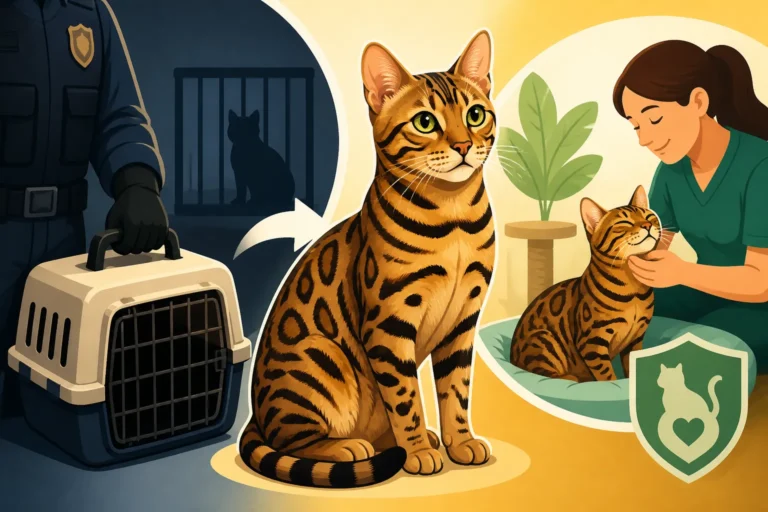
Why Boarding a Bengal Cat Costs More
When you start looking into boarding options for your beloved Bengal cat, you might experience a bit of sticker shock. It's easy to assume that all cats are created equal in the eyes of a boarding facility, but as many Bengal owners quickly discover, our spotted, energetic companions often come with a higher price tag for temporary care. This guide will help you understand precisely why boarding a Bengal cat often costs more than boarding a typical domestic shorthair, delving into their unique needs, behaviors, and the specialized care they genuinely require.
The Unique Needs That Drive Up Boarding Costs
Bengals aren't just pretty faces; they come with a distinct set of characteristics that make them different from your average housecat. These aren't criticisms, but simply realities that reputable boarding facilities recognize and accommodate, which naturally translates into higher costs.
Their Energy Levels Demand More Attention
Let's be real: a Bengal cat is not content to simply lounge in a cozy cubbyhole for days on end. If you've ever owned one, you know their energy is practically boundless. They are constantly on the go, exploring, climbing, and demanding engagement. This isn't just a quirky personality trait; it's deeply ingrained in their breed. When a Bengal cat is boarded, this means they can't just be fed and left alone. They require significant interaction time with staff to burn off that energy.
Imagine a boarding facility that offers standard "cuddle time" for 15 minutes a day. For most cats, that's a lovely bonus. For a Bengal, it's barely a warm-up. They need vigorous play sessions with wand toys, chasing opportunities, and mental stimulation through puzzle toys or even just a good game of fetch. This isn't just about fun; it's about preventing boredom, which for a Bengal, often manifests as destructive behaviors. A bored Bengal might try to dismantle their enclosure, vocalize relentlessly, or even develop stress-related health issues. Therefore, staff must dedicate more time to physically and mentally engaging your Bengal, and that specialized, intensive labor comes at a premium. It’s why we often say The Bengal Cat Is the Most Active Cat You Can Own.
Specialized Facilities and Enclosures
The typical "cat condo" found in many boarding facilities, while perfectly adequate for a calm older cat who enjoys solitude, can feel like a cage for a vibrant Bengal. Their innate desire to climb, jump, and explore means they need vertical space – lots of it. A small, single-level kennel simply won't cut it. Reputable facilities that cater to high-energy breeds often invest in multi-level "cat trees," tall climbing structures, or even dedicated playrooms where cats can stretch their legs, ascend to high perches, and survey their temporary kingdom.
Furthermore, Bengals are notoriously intelligent and incredibly adept at problem-solving. Owners know all too well that A Bengal Cat Opens Cabinets, Doors and Drawers at home, so imagine what they might try in a new, stimulating environment. This means boarding facilities need extra-secure enclosures. Think reinforced latches, higher walls, and clever designs that prevent creative escapes. The cost of building, maintaining, and supervising these specialized, robust environments is higher than standard caging, and that's reflected in the boarding fees. It's not just about comfort; it's about safety for your Bengal and peace of mind for you.
Dietary Requirements and Picky Eaters
Bengal cats often have more sensitive digestive systems compared to other breeds, which can make feeding them a bit of an art form. Many thrive on high-protein diets, some require specific limited-ingredient foods, and a significant number are prone to bouts of Chronic Diarrhea Is the Bengal Cat Complaint Nobody Warns About if their diet or environment changes abruptly. This sensitivity means that a boarding facility can't just toss out a generic kibble and call it a day.
Staff need to be meticulous about adhering to your specific feeding instructions, which might involve special meal preparations, measuring exact portions, or administering supplements. If your Bengal is on a raw diet or a fresh food plan, the facility must have the proper refrigeration and handling protocols in place, adding another layer of complexity and labor. Monitoring their stool quality becomes paramount, as any changes could indicate stress or dietary upset. This extra vigilance and specialized dietary care require more staff time and attention, contributing to the higher cost.
Behavioral Considerations and Staffing Ratios
Beyond their physical needs, the unique behavioral traits of Bengal cats also play a significant role in their boarding expenses. These are often the "intangibles" that separate a basic facility from one that truly understands and cares for your Bengal.
Their "Wild" Tendencies and Socialization Needs
While modern Bengals are many generations removed from their wild Asian Leopard Cat ancestors, some of those "wilder" traits can still shine through. They can be more assertive, more vocal, and sometimes a little more wary of strangers than a typical domestic cat. A facility with staff who understand feline behavior, especially that of a Bengal, is crucial. They know how to approach, interact with, and read a Bengal's body language to ensure a positive experience for both cat and caretaker.
This often means a higher staff-to-animal ratio to allow for individualized attention. Some Bengals might not immediately warm up to new people and may require patient, consistent interaction to feel comfortable. Their distinctive voices, often described as more of a "chirp" or "yowl" than a gentle meow, can be quite commanding. The Bengal Cat Voice Is a Demand, Not a Greeting, and while charming at home, it can demand a different level of staff attention in a busy cattery environment. Skilled staff are needed to manage these interactions, prevent stress, and ensure that your Bengal feels as secure and engaged as possible.
Preventing Escape and Ensuring Safety
We've already touched on their intelligence and escape artist reputation, but it bears repeating in the context of safety. Bengal owners live with the constant awareness that How Often a Bengal Cat Escapes the House is directly proportional to how many opportunities they find. For a boarding facility, this isn't just an inconvenience; it's a serious liability. The potential for a Bengal to outsmart a latch, squeeze through a gap, or dart out an open door is far higher than with many other breeds.
This necessitates stringent security protocols: double doors, secure windows, and staff who are constantly vigilant. Every interaction, every cleaning, every feeding becomes a meticulously planned operation to ensure the cat remains safely within its designated area. The facility might employ specialized locks or require two staff members for certain tasks involving a Bengal. This heightened level of operational security and staff training is a significant overhead for the business, and it's a cost that is understandably passed on to the owner. You're not just paying for a space; you're paying for unparalleled vigilance and expertise in keeping your clever cat safe.
Health Monitoring and Emergency Preparedness
Just like with people, managing the health of a pet, especially one with known sensitivities, adds layers of care that increase cost.
Vigilant Health Observation
Given their sensitive digestive systems and active nature, Bengals require particularly attentive health monitoring. Beyond just chronic diarrhea, they are prone to various conditions that can be exacerbated by stress or a change in routine. This means staff must be highly trained to spot subtle changes in behavior, appetite, hydration, and litter box habits. Is your Bengal cat suddenly lethargic? Are they refusing their usual food? Is there any sign of respiratory distress after an energetic play session?
Each of these observations requires staff to be on high alert. They need to log details, communicate with vet staff if necessary, and potentially adjust the cat's routine or diet. This proactive, preventative health monitoring goes above and beyond basic care. It ensures that any potential health issue, from a tummy upset to something more serious, is caught early, which can be critical for a breed that often tries to hide discomfort, a trait common in many felines.
Increased Insurance and Emergency Protocols
Boarding facilities carry insurance to cover potential incidents, and certain breeds, particularly those perceived as "exotic" or high-energy, can sometimes fall into higher risk categories. While a well-socialized SBT (Stud Book Tradition) Bengal is far from a wild animal, the perception and the breed's physical capabilities can influence a facility's insurance premiums. These costs are, by necessity, factored into their pricing structure.
Moreover, a reputable facility will have robust emergency protocols in place, especially for active and intelligent cats. This includes established relationships with local veterinary clinics, clear procedures for administering emergency care, and plans for safe transport if medical attention is needed. While no one wants to think about an emergency, knowing that a facility is prepared provides immense peace of mind. Investing in a good pet insurance plan like Healthy Paws for your Bengal is always a smart move, helping to cover unexpected vet bills whether your cat is home or away.
Additional Services and Value for Money
Sometimes, the higher cost isn't just about covering basic necessities but also about providing the optimal environment for your unique Bengal.
Activity Packages and Enrichment
For many Bengals, a standard boarding package simply isn't enough to keep them happy and mentally stimulated. This is why many facilities offer "add-on" activity packages, and for a Bengal, these often transition from optional luxuries to essential components of their stay. These might include:
- Extended Play Sessions: Longer, more intensive playtimes with interactive toys and dedicated staff engagement.
- Leash Walks: If your Bengal is leash trained (and many are!), some facilities can offer supervised outdoor walks in secure areas, providing mental stimulation and fresh air. This ties into Whether a Bengal Cat Can Be Leash Walked.
- Puzzle Feeder Challenges: Utilizing puzzle feeders from brands like Chewy to make mealtime an engaging mental exercise, preventing boredom.
- "Catio" Access: Access to secure outdoor enclosures (catios) where your Bengal can safely experience the sights, sounds, and smells of the outdoors without risk of escape.
While these services naturally increase the overall cost, they are vital for maintaining a Bengal's physical and mental well-being during your absence. Choosing a facility that understands the importance of How Much Enrichment a Bengal Cat Actually Needs is an investment in your cat's happiness and prevents issues like What a Bored Bengal Cat Destroys.
Special Handling Fees
Some boarding facilities might have explicit "special handling" or "exotic breed" fees. While your SBT Bengal is technically a domestic cat, these fees often reflect the additional time, skill, and resources required to care for them. This isn't a punitive charge but a recognition that managing a Bengal's intelligence, energy, and potential for escape or specific dietary needs requires a higher level of staff expertise and vigilance than an average, more docile housecat.
These fees compensate for:
- Enhanced Supervision: More frequent check-ins and observations.
- Specialized Training: Staff trained in handling active, intelligent cat breeds.
- Individualized Attention: Catering to specific personality quirks or behavioral needs.
Ultimately, the higher cost of boarding a Bengal cat reflects the specialized, attentive, and secure environment they truly need and deserve. It's not just a place to stay; it's a temporary home designed to meet the demands of this extraordinary breed, ensuring they return to you as happy and healthy as when you left them. When you find a facility that understands and embraces these unique requirements, the investment is truly worth it for the peace of mind and your Bengal's well-being.
| Feature / Service | Standard Cat Boarding | Bengal-Specific Boarding (Higher Cost) |
|---|---|---|
| Enclosure Type | Basic single-level cage or small condo | Multi-level cat condos, vertical climbing structures, secure playrooms |
| Staff Interaction | Basic feeding, litter cleaning, minimal human interaction | Extended play sessions, interactive toys, personalized engagement (fetching, wand play) |
| Dietary Care | Standard kibble/wet food, basic monitoring | Strict adherence to complex diets, special food prep, vigilant stool monitoring |
| Security Measures | Standard latches, basic door protocols | Reinforced enclosures, double-door systems, heightened escape prevention protocols |
| Health Monitoring | General observation for obvious illness | Proactive vigilance for subtle behavioral/health changes, detailed logging |
| Behavioral Support | Limited understanding of breed-specific traits | Staff trained in high-energy cat behavior, managing vocalizations, reducing stress |
| Enrichment Options | Minimal toys, basic scratching post | Access to cat wheels, puzzle feeders, leash walks, catio access |
Disclaimer
This article is for general informational purposes only and does not constitute professional advice. Laws, prices and regulations vary by location and change over time. Consult a qualified professional for guidance on your specific situation.