Whether a Bengal Cat Should Be Vaccinated for FeLV
It's an age-old dilemma that causes a lot of head-scratching for us Bengal cat parents: what vaccinations does my energetic, wild-at-heart companion truly need? When it comes to the Feline Leukemia Virus (FeLV) vaccine, the waters can get particularly murky, leaving many of us wondering if it's an absolute necessity or an optional extra. Deciding on the best course of action for your furry family member isn't always straightforward, but understanding the ins and outs of FeLV and its vaccine can help you make an informed choice that keeps your Bengal safe and thriving.
Understanding Feline Leukemia Virus (FeLV) and Its Impact on Cats
Feline Leukemia Virus, or FeLV, isn't something to take lightly. It's a serious and often fatal retrovirus that affects cats worldwide. As a Bengal cat owner, you probably already worry about various health concerns, and FeLV is definitely one that deserves your attention because it can severely compromise a cat's immune system, making them vulnerable to a host of secondary infections and even certain cancers. It’s a silent predator, often showing no immediate signs, which makes prevention and informed decisions all the more critical.
How FeLV Spreads Among Cats
One of the most frustrating things about FeLV is how easily it can be transmitted from one cat to another, especially in social settings. The primary route of transmission is through direct, prolonged contact with the saliva of an infected cat. This means things like mutual grooming, sharing food and water bowls, or even just hanging out in close proximity for extended periods. Imagine your playful Bengal, full of beans and curiosity, interacting with another cat – those seemingly innocent exchanges could, unfortunately, become a pathway for this virus. Beyond saliva, the virus can also be found in an infected cat's blood, urine, and feces, and even milk, so a queen can pass it to her kittens. This is why multi-cat households or environments where cats come and go, or have unknown health statuses, pose a higher risk.
The Devastating Effects of FeLV on a Cat's Health
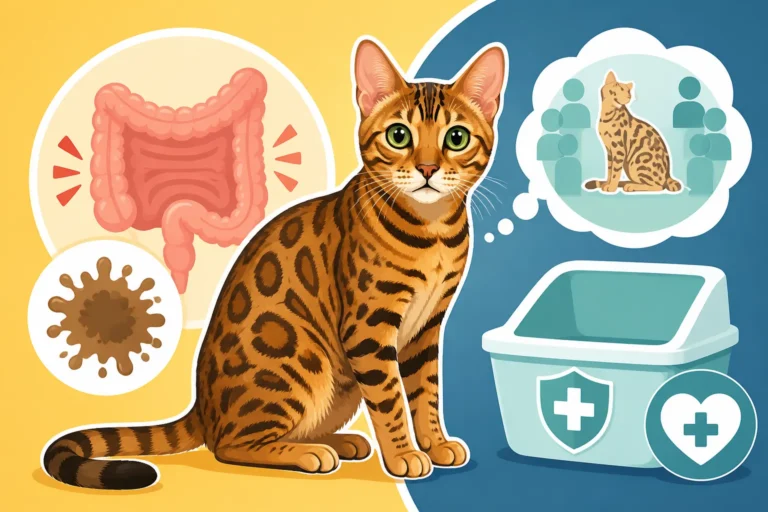
When a cat contracts FeLV, the virus sets up shop in their body, gradually wreaking havoc on their immune system. This immunosuppression means your Bengal becomes less able to fight off common infections that a healthy cat would easily shrug off. We're talking about everything from respiratory infections to skin issues, and even chronic diarrhea – symptoms that can significantly diminish your Bengal's quality of life. The virus can also lead to severe anemia, certain types of lymphoma, and other cancers. The prognosis for FeLV-positive cats can be grim, often leading to a shortened lifespan and a lifetime of managing various health complications. It's heartbreaking to think about, and it's precisely why prevention and early detection are paramount for your beloved companion. Knowing "What Most Bengal Cats Die Of" can help you be proactive about risks like FeLV.
Assessing Your Bengal's Exposure Risk to FeLV
Deciding on the FeLV vaccine isn't a one-size-fits-all situation, and for Bengal cats, whose lifestyles can vary from strictly indoor adventurers to supervised outdoor explorers, assessing their individual risk is key. It's easy to get caught up in general advice, but your Bengal's unique circumstances truly matter here.
Indoor vs. Outdoor Lifestyle and Exposure Potential
This is arguably the biggest factor in determining FeLV vaccination necessity. If your Bengal lives strictly indoors and has absolutely no contact with other cats whose FeLV status is unknown, their risk of exposure is incredibly low. Many Bengal owners choose an indoor-only lifestyle, not just for safety from cars and predators, but also to minimize exposure to infectious diseases like FeLV. This can greatly contribute to "The Twelve to Sixteen Years a Bengal Cat Gets" by reducing exposure to external threats.
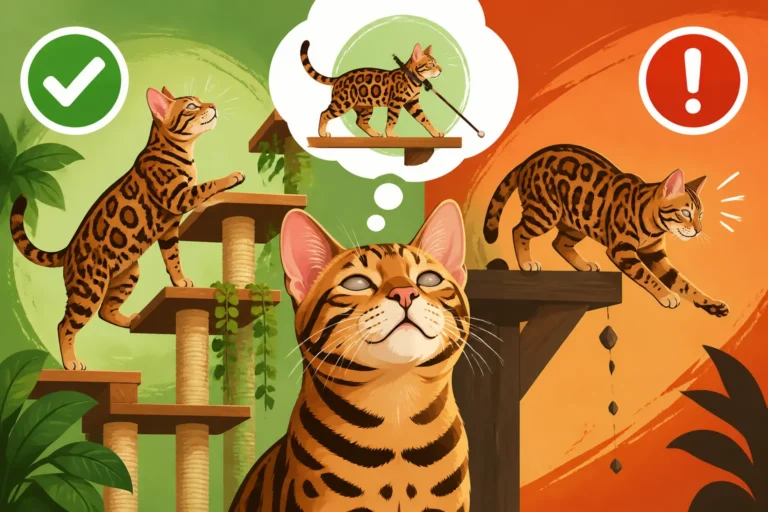
However, many Bengals, with their boundless energy and curious nature, do enjoy supervised outdoor time in a catio, on a leash, or even with controlled access to a fully secured garden. While these options are fantastic for enrichment, they do introduce a slightly higher, albeit still low, risk of encountering an infected cat, even if it's just through a fence. The potential for an escape, even for a few hours, also exists, which instantly elevates their risk. We all try our best to keep them safe, but sometimes, a determined Bengal might find a way. If you're pondering "Whether a Bengal Cat Can Be an Indoor Only Cat", consider that this decision directly impacts their FeLV risk. Similarly, understanding "How Often a Bengal Cat Escapes the House" can highlight potential exposure scenarios.
Multi-Cat Households and Social Interactions
Another significant risk factor is living in a multi-cat household, especially if new cats are frequently introduced or if any resident cats go outdoors unsupervised. Even if your Bengal is an indoor cat, if a housemate has outdoor access or you're fostering new rescues, the risk increases. The more unknown variables, the higher the concern. Before bringing any new feline friend into your home, it's absolutely crucial that all cats involved are tested for FeLV. This proactive step can prevent a devastating spread within your home. Casual contact during veterinary visits or boarding, though generally low risk, is still something to consider if your Bengal isn't vaccinated and spends time in these environments. It's a real worry for owners who want to expand their feline family or need to board their beloved pet.
Geographic Prevalence and Veterinary Recommendations
FeLV prevalence isn't uniform across all areas. In some regions, the virus is more common, making local vets more inclined to recommend routine vaccination, even for indoor-only cats with minimal exposure risks. Your local veterinarian is your best resource for understanding the specific risks in your community. They can also provide insights into the typical lifestyle of Bengals in your area and tailor their advice accordingly. They’ll take into account not just your cat's immediate environment but also the broader picture of feline health in your neighborhood. Consulting with them for your Bengal's "How Often a Bengal Cat Needs a Wellness Exam" isn't just about general health; it's also about discussing specific preventive measures like FeLV vaccination.
Navigating the FeLV Vaccine: Benefits, Risks, and Recommendations
Making the decision about the FeLV vaccine can feel overwhelming, but breaking down the benefits, potential risks, and current veterinary recommendations can help clarify things for your Bengal. It's a conversation worth having in depth with your vet.
The Protective Power of the FeLV Vaccine
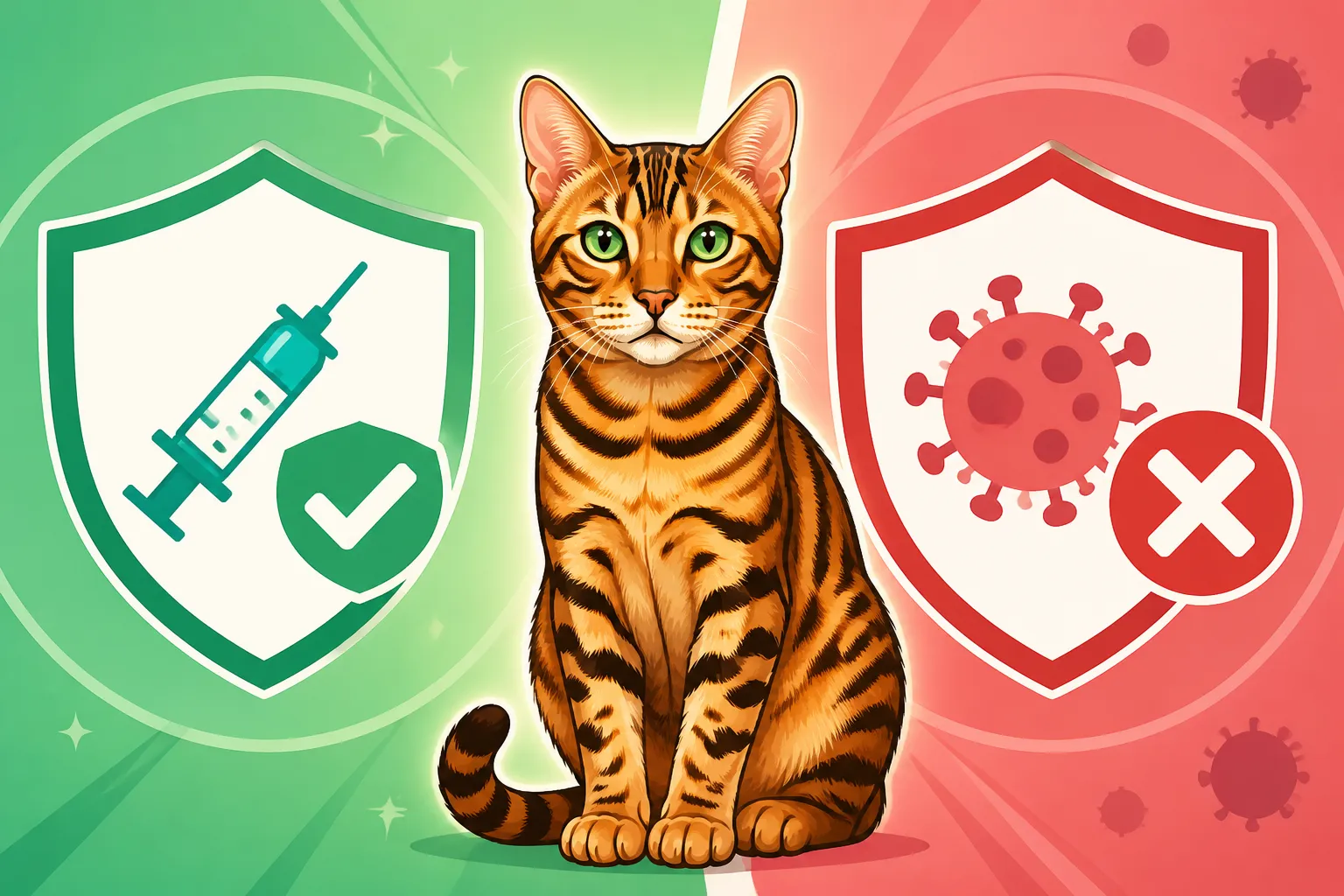
The primary benefit of the FeLV vaccine is, of course, protection against a deadly disease. While no vaccine is 100% effective, the FeLV vaccine significantly reduces the risk of your cat becoming persistently infected if exposed to the virus. For Bengals who have any potential for exposure – whether through supervised outdoor excursions, living with an outdoor-access cat, or even the small chance of an escape – this protection can offer immense peace of mind.
Modern FeLV vaccines are also much safer than some of the older formulations. In the past, there were concerns about vaccine-associated sarcomas (tumors at the injection site), particularly with certain types of adjuvanted vaccines. However, advancements in vaccine technology have led to non-adjuvanted options that carry a much lower, almost negligible, risk of such complications. Your vet can discuss the specific type of vaccine they recommend and why. This proactive protection can be a cornerstone of ensuring a long and vibrant life for your Bengal.
Potential Risks and Side Effects of Vaccination
While modern FeLV vaccines are generally considered safe, no medical procedure is entirely without risk. The most common side effects are mild and temporary, similar to what humans experience after a flu shot: slight lethargy, mild fever, or soreness at the injection site. These usually resolve within a day or two. More serious allergic reactions are rare but can occur, as with any vaccine.
The concern about vaccine-associated sarcomas, though significantly reduced with newer non-adjuvanted vaccines, is still a point of discussion for some owners. It's important to weigh this very low risk against the very real and severe risks of contracting FeLV itself. For a healthy Bengal who will receive a non-adjuvanted vaccine, the benefits of protection often far outweigh the minimal risks. This is part of the broader discussion of "Whether a Bengal Cat Reacts Badly to Anesthesia" or other medical interventions – understanding the full spectrum of potential outcomes.
Professional Veterinary Recommendations and Protocols
Veterinary guidelines generally recommend the FeLV vaccine for all kittens, followed by a booster. After the initial series, the decision for ongoing vaccination depends heavily on the cat's individual risk factors. The American Association of Feline Practitioners (AAFP) categorizes vaccines as "core" (recommended for all cats) and "non-core" (recommended based on individual risk). The FeLV vaccine falls into the non-core category, meaning it's highly recommended for cats at risk of exposure.
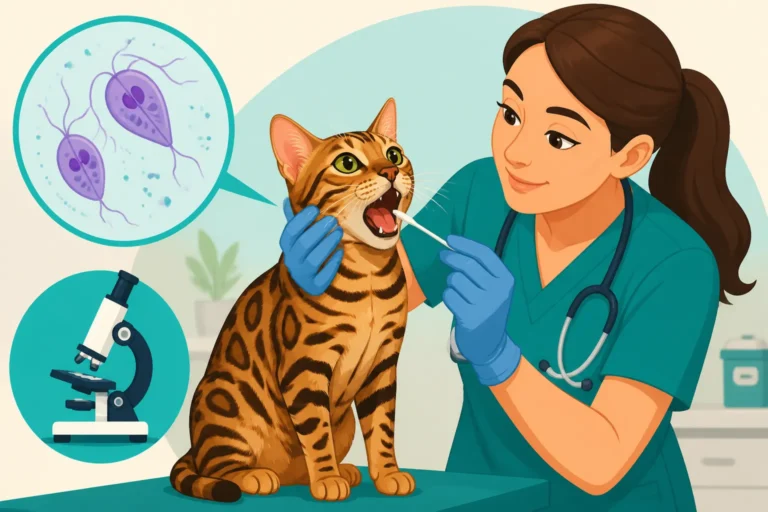
Your vet will typically recommend an FeLV test before the first vaccination. This is crucial because vaccinating an already infected cat won't help them and could potentially complicate their health status by delaying a proper diagnosis. If you're adopting a Bengal kitten, it's wise to ensure "Whether a Bengal Cat Kitten Comes With Test Certificates" for FeLV from the breeder. Ongoing vaccination schedules (annual or every three years) will then be tailored to your Bengal's evolving lifestyle and risk profile.
Making an Informed Decision for Your Unique Bengal's Health
Ultimately, the choice of whether to vaccinate your Bengal cat against FeLV rests with you, in close consultation with your trusted veterinarian. There's no single right answer for every cat, and what works for one Bengal might not be the best for another. It’s about creating a personalized health plan that reflects their unique personality and environment.
Consulting Your Veterinarian for Personalized Advice
Your veterinarian knows your Bengal's health history, understands your local environment, and can provide the most accurate assessment of their individual risk. Don't be shy about asking every single question you have. Discuss your Bengal's lifestyle in detail: do they only gaze out windows, or do they occasionally explore a supervised catio? Are there other cats in the home, and what are their exposure risks? Even seemingly minor details can influence the decision.
Your vet can explain the nuances of the different vaccine types, their efficacy, and any updated recommendations. They'll also ensure your Bengal is tested for FeLV before any vaccination, which is a critical step. A thorough conversation allows you to weigh the benefits of protection against the minor risks, ensuring you're comfortable with the choice you make for your furry companion. Regular veterinary check-ups and diagnostic tests are a part of "What a Bengal Cat's Yearly Bloodwork Should Cover", and FeLV testing may be included.
Considering Lifestyle Changes and Future Risks
Life with a Bengal is rarely static! Their environment or interactions might change over time, and these changes could impact their FeLV risk. For instance, if you plan to move to a new area where FeLV is more prevalent, introduce a new cat to the household, or decide to start taking your Bengal on more outdoor adventures (like leash walks or catio time), your vaccination strategy might need to be re-evaluated.
It's a good practice to revisit the FeLV discussion with your vet during your Bengal's annual wellness exams. What was right last year might not be the optimal choice this year. Being proactive about these discussions ensures your Bengal always has the most appropriate protection. Preparing for these potential changes and ensuring your Bengal remains healthy is a commitment, and pet insurance, such as a plan from Healthy Paws, can be a valuable tool in managing any unexpected health issues or treatment costs that arise from changes in risk or exposure.
The Role of Pet Insurance in Proactive Care
Investing in a comprehensive pet insurance plan, like those offered by Healthy Paws, can provide significant peace of mind when making decisions about vaccinations and overall preventative care. While vaccinations are generally considered preventative and may not always be covered by standard accident/illness policies, having insurance means you're prepared for any unexpected health issues, should your Bengal ever contract FeLV despite precautions, or experience a rare vaccine reaction.
For example, if your Bengal somehow contracts FeLV, the ongoing veterinary care, medications, and treatments can become incredibly expensive. Knowing that you have financial support from a provider like Healthy Paws can allow you to make treatment decisions based purely on what’s best for your cat, rather than on budget constraints. It empowers you to provide the best possible care, whether it’s for routine check-ups and discussions about FeLV prevention, or for more serious long-term management. Protecting your Bengal's health proactively, with both medical care and financial planning through a reputable insurer, is a smart long-term strategy.
Here’s a quick overview to help you visualize the decision-making process:
| Bengal Cat Lifestyle / Risk Level | FeLV Exposure Risk | Vaccination Recommendation | Key Considerations |
|---|---|---|---|
| Strictly Indoor, No Contact | Very Low | Optional (Low Priority) | Re-evaluate if lifestyle changes or new cats are introduced. Annual vet discussion is still important. |
| Indoor, Supervised Outdoor | Low to Moderate | Strongly Consider | Even supervised outdoor time carries minimal risk. Protects against accidental exposure. |
| Indoor, with Outdoor-Access Cat | Moderate to High | Highly Recommended | High risk of transmission from housemate. All cats should be tested and potentially vaccinated. |
| Outdoor Access (Unsupervised) | High | Essential | Direct contact with unknown cats is highly probable. Vaccinate to protect against severe illness. |
| Exposure to FeLV-Positive Cat | Very High | Essential | Immediate vaccination (if negative) is critical. |
Ultimately, a conversation with your vet, considering your Bengal's unique circumstances, is the gold standard for making the best decision about the FeLV vaccine. Your Bengal relies on you to make these important health choices, and by staying informed and proactive, you're ensuring they lead the longest, happiest, and healthiest life possible.
Disclaimer
This article provides general information and should not be considered a substitute for professional veterinary advice. Always consult with a qualified veterinarian regarding your Bengal cat's specific health concerns, medical conditions, and vaccination needs.