Why a Bengal Cat Yowls at Night
That ear-splitting yowl cutting through the silence of the night can be truly jarring, shaking you awake and leaving you wondering what on earth is going on with your usually playful Bengal. It's a common, often frustrating experience for many Bengal parents, and it can quickly turn your peaceful evenings into a symphony of demands. This guide is here to shed some light on why your spirited Bengal cat might be yowling after dark and, more importantly, what you can realistically do about it.
Decoding the Bengal Cat Yowl: More Than Just a Meow
Let's be honest, a Bengal cat's voice isn't exactly subtle. It's often described as a distinctive, almost "wild" sound, a far cry from the gentle purr or polite meow of many other domestic breeds. When your Bengal unleashes a full-throated yowl, it's not just making noise; it's communicating something vital, and usually, it's pretty urgent. Understanding the difference between a casual chirp and a desperate yowl is the first step to figuring out what your cat needs.
The Distinctive Bengal Vocalizations
Bengals are notoriously vocal, and their repertoire extends beyond a simple "meow." You'll hear chirps, trills, growls, and of course, those impressive yowls. A chirp might be a friendly greeting, a trill a sign of excitement, but a yowl, especially one that pierces the quiet of the night, almost always signifies a strong need or distress. Think of it as their alarm system. It's an instinctive behavior, a holdover from their wild ancestry, designed to get attention quickly. For an in-depth look at their various sounds, check out How Vocal a Bengal Cat Is.
A nighttime yowl isn't typically a casual expression; it's a profound statement. It can range from a drawn-out, mournful sound to a sharp, insistent cry. The context is everything. Is it accompanied by pacing? Does it only happen when you're in bed? Is it louder near the bedroom door? Paying close attention to these nuances can give you crucial clues about the underlying cause.
Why the Nighttime Amplifies the Problem
The silence of the night can make any noise seem louder, but it also creates a unique environment for your Bengal. During the day, household activity, sunlight, and your presence might distract them or fulfill their needs. At night, when the house is quiet and dark, and you're asleep, any unmet needs or anxieties can feel magnified to your cat. Their natural instincts kick in, and with their incredible energy levels, boredom or loneliness can quickly escalate into a full-blown yowl-fest. It's not malicious; it's often a desperate plea for engagement or comfort in an environment that feels suddenly barren of stimulation.
Consider also that cats are crepuscular, meaning they are most active during dawn and dusk. For Bengals, with their heightened energy, this natural inclination often extends into the early hours of the morning or late into the night. While you're winding down, their internal clocks are often just getting started, leading to a clash in schedules that can result in disruptive vocalizations.
Common Reasons for Night Yowling
When your Bengal cat starts yowling at night, it’s not usually because they're being mischievous; it's almost always a clear signal that something isn't right or that a need isn't being met. Pinpointing the exact reason can be like detective work, but knowing the most common culprits can help you narrow down your investigation.
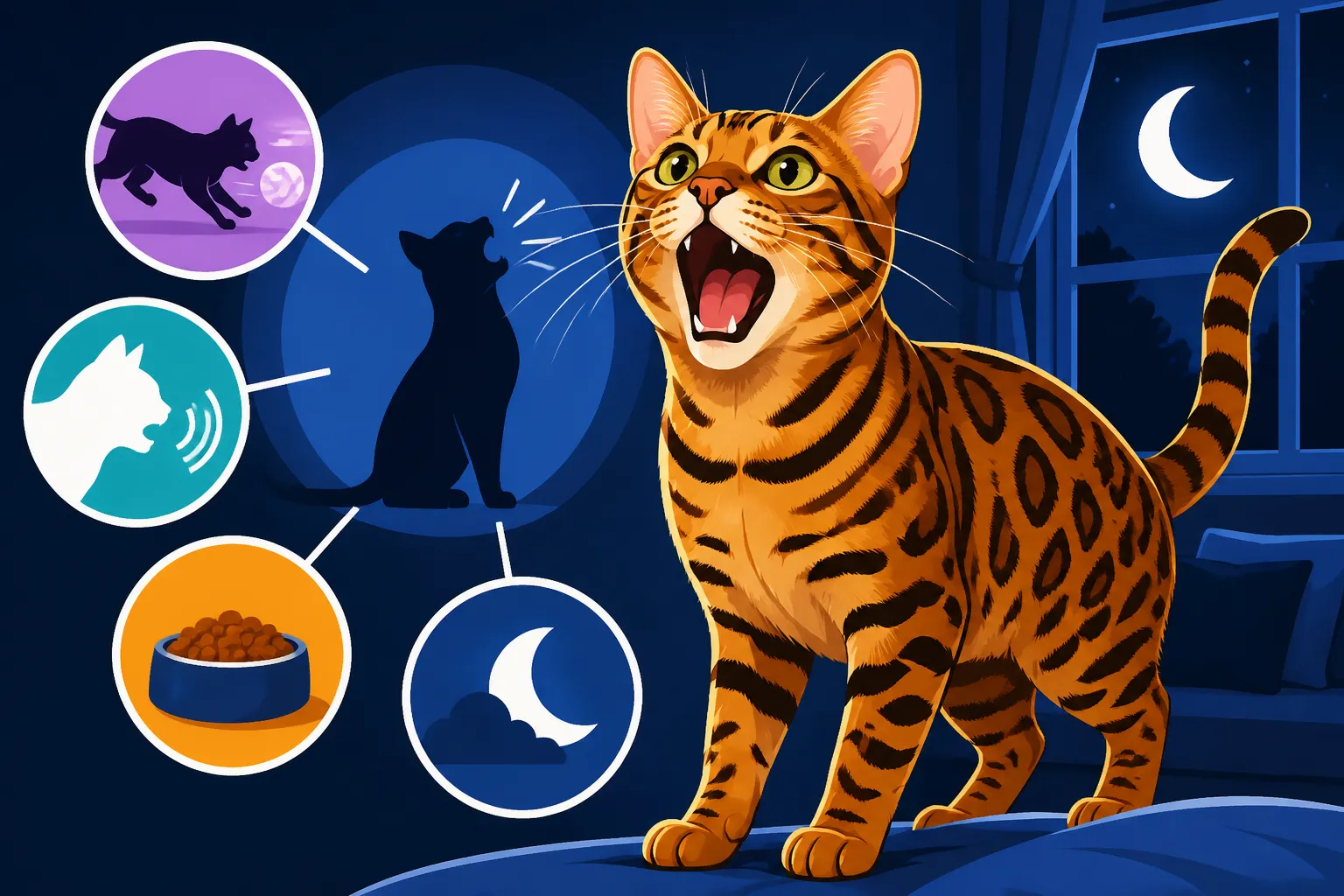
Unmet Activity Needs: The Boredom Yowl
This is probably the number one reason for nighttime yowling in Bengals. These cats are absolute powerhouses of energy and intelligence. They are built for movement, for hunting, for exploration, and for constant mental stimulation. If your Bengal hasn't had enough rigorous play and mental challenges during the day, that pent-up energy has to go somewhere, and it often manifests as a noisy protest after dark. They're literally asking, "Are you awake yet? I'm ready to play!"
Imagine a Bengal cat confined indoors all day while you're at work, maybe with a few toys that quickly lose their appeal. When you get home, you're tired, and while you might play with them for a bit, it might not be enough to truly exhaust their endless reserves. They might then sleep for a few hours, only to wake up refreshed and ready for action right when you're trying to drift off. This is where you get the insistent, demanding yowl that says, "I'm bored, human! Entertain me!" For ideas on how to manage their boundless energy, consider How Much Enrichment a Bengal Cat Actually Needs and How to Tire a Bengal Cat Before Bed.
Hunger or Thirst: The Dinner Bell Yowl
Sometimes, the simplest explanations are the correct ones. Your Bengal might genuinely be hungry or thirsty. While most owners feed their cats at set times, some Bengals are simply grazers or have particularly fast metabolisms that leave them feeling peckish in the wee hours. If their food bowl is empty or their water fountain is dry, they won't hesitate to let you know about it.
This is especially true for cats who are used to being free-fed during the day but find their bowls empty at night. A yowl might be their way of activating the "human-controlled food dispenser." It's an effective strategy, after all, if you respond by getting up and filling their bowl! Making sure they have access to fresh water (perhaps from a robust pet fountain available on Amazon) and potentially leaving a small, measured portion of their nightly food in a puzzle feeder can help curb this specific type of vocalization.
Attention Seeking: The "Look at Me!" Yowl
Bengals thrive on interaction with their humans. They aren't aloof cats content to watch from a distance; they want to be involved in everything you do. If they feel neglected, even for a few hours while you're sleeping, they might resort to yowling as a way to demand your presence and affection. They might jump on your bed, paw at your face, or, if those tactics fail, resort to their loudest vocal protest.
This often happens in multi-cat households too, if one Bengal feels it's not getting as much individual attention as it needs. A new routine, a change in your work schedule, or simply less dedicated playtime can trigger this behavior. They're not being "naughty"; they're expressing a fundamental need for connection and engagement with their favorite people.
Stress and Anxiety: The Worried Yowl
Cats are creatures of habit, and Bengals, despite their wild appearance, can be quite sensitive to changes in their environment. Stressors like moving to a new home, the introduction of a new pet or family member, or even changes in furniture arrangement can cause anxiety. This anxiety might manifest as nighttime yowling, as they feel most vulnerable or uncertain when the house is quiet and dark.
A prime example is a new kitten joining the household. The resident Bengal might yowl at night because their routine is disrupted, their territory feels threatened, or they simply aren't used to the new smells and sounds. This type of yowling often has a more distressed, pleading quality to it. Ensuring they have safe, secure spaces and a consistent routine can help alleviate some of these anxieties.
Health Issues: The "Something's Wrong" Yowl
While we often jump to behavioral explanations, it's crucial not to overlook potential health problems. A sudden increase in nighttime yowling, especially in an older Bengal, could be a sign of discomfort, pain, or illness. Conditions like hyperthyroidism, kidney disease, arthritis, dental pain, or even cognitive dysfunction (common in senior cats, sometimes referred to as "feline dementia") can cause confusion, discomfort, and increased vocalization, particularly at night.
For instance, an older Bengal might yowl if they're disoriented and can't find their way to the litter box, or if they're experiencing pain from stiff joints and can't get comfortable. If you notice any other changes in behavior, appetite, or litter box habits accompanying the yowling, a trip to the vet is absolutely necessary. It's always best to rule out medical issues first to ensure your beloved cat isn't suffering in silence – or, in this case, in loud yowls.
Strategies for Quieter Nights
Once you've considered the potential reasons behind your Bengal's nighttime yowling, it's time to put some strategies into action. Remember, consistency is key, and it might take a bit of trial and error to find what works best for your individual cat.
Increase Daytime Activity and Enrichment
This is arguably the most critical step for a high-energy breed like the Bengal. You need to channel that boundless energy during the day so they're genuinely tired by bedtime. This means more than just a quick five-minute play session. Aim for multiple, intense play sessions throughout the day, especially one right before you settle down for the evening.
- Interactive Play: Invest in a variety of interactive toys. Think wand toys with feathers, crinkle balls, and even laser pointers (used sparingly and always ending with a tangible toy to "catch" to prevent frustration). Play until your Bengal is panting and truly exhausted. Many durable wand toys designed for active cats can be found on Amazon.
- Puzzle Feeders: Turn mealtime into a mental challenge. Puzzle feeders make your cat "hunt" for their food, slowing down their eating and engaging their brains. This can be a fantastic way to burn off mental energy. You can find a wide range of puzzle feeders, from simple treat dispensers to complex multi-stage puzzles, on Amazon.
- Vertical Space: Bengals love to climb. Provide tall cat trees, wall-mounted shelves, and cat "superhighways" that allow them to explore and survey their territory from above. This taps into their natural instinct to climb and observe. Consider How High a Bengal Cat Climbs for more inspiration.
- Catio Access: If possible and safe, a secure outdoor enclosure, or "catio," can provide hours of stimulation. Fresh air, bird watching, and new smells can do wonders for their mental well-being and help them burn off energy safely. This also reduces the desire to bolt through open doors, as discussed in Why a Bengal Cat Needs a Catio.
Adjust Feeding Schedules
If hunger is the culprit, tweaking their meal schedule can make a significant difference.
- Late-Night Meal: Try giving your Bengal a small meal or a generous portion of their wet food right before you go to bed. This can keep their stomachs full and prevent those early morning hunger pangs from turning into yowls.
- Automated Feeders: Consider an automatic feeder for dry food. You can program it to dispense small portions throughout the night, mimicking natural foraging behavior and ensuring they don't go too long without food. This can be a game-changer, especially for Bengals who love to graze.
- Water Access: Always ensure they have multiple fresh water sources, especially a running water fountain, which many Bengals prefer and can be quite entertaining for them. There are many highly-rated cat fountains available on Amazon that can entice your Bengal to drink more.
Ignore Attention-Seeking Yowls (Carefully!)
This is a tough one, especially when you're desperate for sleep. If you've ruled out health issues, hunger, and genuine distress, and you suspect your Bengal is yowling purely for attention, the hardest but most effective strategy is to ignore them.
- No Response: Any response – yelling, getting up, even looking at them – can reinforce the behavior. Your Bengal learns that yowling gets a reaction.
- Consistency is Crucial: Everyone in the household needs to be on board. One slip-up can undo weeks of progress.
- Pre-emptive Affection: Counter this by giving them plenty of attention, playtime, and cuddles during the day, so they don't feel the need to demand it at night. This isn't about ignoring them completely; it's about ignoring the inappropriate attention-seeking behavior while flooding them with positive attention at other times.
- Patience: This process can take time, and it will likely get worse before it gets better, as your Bengal tries harder to elicit a response. Stick with it!
Create a Calming Nighttime Environment
Just like us, cats can benefit from a peaceful environment for sleep.
- Darkness and Quiet: Ensure their sleeping area is dark and quiet. If external noises are an issue, consider a white noise machine (even a quiet fan can work) to mask sounds.
- Comfortable Sleeping Spots: Provide cozy, comfortable beds in various locations. Some Bengals love to burrow, others prefer an elevated perch.
- Pheromone Diffusers: Feline pheromone diffusers, like Feliway, can help create a sense of calm and security, especially if anxiety is a factor. These release synthetic versions of natural feline calming pheromones into the air.
- Routines: Establish a consistent bedtime routine. A final play session, a meal, a few cuddles, and then lights out. Cats thrive on predictability.
Consult a Professional
If you've tried everything and the nighttime yowling persists or worsens, it's time to bring in the big guns.
- Veterinarian: As mentioned, always rule out medical causes first. A vet can conduct a thorough examination and recommend blood tests, urinalysis, or other diagnostics to check for underlying health issues.
- Certified Feline Behaviorist: If medical issues are cleared, a feline behaviorist can offer tailored advice. They can observe your Bengal, assess your home environment, and develop a specific plan to address the yowling. They might suggest specific training techniques, environmental modifications, or even discuss anti-anxiety medications if necessary. Sometimes, it takes an expert eye to truly understand the root cause of a persistent behavioral challenge.
When the Yowling is More Than Just a Nuisance
While frustrating, most instances of nighttime yowling stem from easily addressable behavioral or environmental factors. However, there are times when this vocalization could signal something more serious, requiring immediate attention. Knowing when to worry can save your Bengal from unnecessary suffering and provide you with peace of mind.
Recognizing Signs of Distress or Pain
If your Bengal’s yowling is accompanied by other concerning symptoms, it’s a red flag. This isn't just about them being demanding; it's about them telling you they're genuinely unwell or in pain.
Here are some signs to watch for:
- Changes in Appetite or Thirst: Is your Bengal suddenly eating or drinking much more or much less? This can be indicative of metabolic issues like hyperthyroidism or kidney disease.
- Litter Box Changes: Are they urinating more often, straining to urinate, or having accidents outside the litter box? These could signal a urinary tract infection or blockage, which can be life-threatening. Loose stools or diarrhea, a common Bengal complaint (see Chronic Diarrhea Is the Bengal Cat Complaint Nobody Warns About), can also cause discomfort.
- Lethargy or Hiding: If your usually active Bengal is suddenly withdrawn, sleeping more, or hiding, combined with yowling, it’s a strong indicator of illness.
- Difficulty Moving: Limping, stiffness, or reluctance to jump onto familiar surfaces could mean joint pain or an injury, which would certainly cause discomfort and lead to vocalization.
- Aggression or Irritability: An unwell cat, even a Bengal, might become unusually irritable or aggressive when handled, especially if they are in pain.
- Excessive Grooming or Licking: Sometimes, cats will excessively groom a painful area. If your Bengal is constantly licking a particular spot, and yowling, it could indicate pain there.
- Unusual Breathing: Heavy panting, labored breathing, or coughing, especially when paired with yowling, demands immediate veterinary attention. These could be signs of serious respiratory or cardiac issues. For information on heart conditions, you might want to read Signs a Bengal Cat Has Heart Disease.
Specific Health Concerns and Their Vocal Links
Certain conditions are particularly known for causing increased vocalization, especially in older cats.
- Hyperthyroidism: This common endocrine disorder in older cats leads to an overactive thyroid gland. Symptoms include increased appetite, weight loss despite eating, hyperactivity, and often, excessive vocalization, particularly at night due to heightened anxiety and metabolic rate.
- Kidney Disease: As kidneys fail, toxins build up in the body, leading to nausea, increased thirst, and frequent urination. Discomfort and disorientation can lead to yowling.
- Cognitive Dysfunction Syndrome (CDS): Often referred to as "feline dementia," CDS affects older cats, leading to disorientation, changes in sleep-wake cycles, anxiety, and increased vocalization, especially at night when they may feel confused or lost.
- Arthritis or Chronic Pain: Older Bengals can develop arthritis, making movement painful. Lying down or getting up can be difficult, and the discomfort may cause them to yowl, especially when trying to find a comfortable position at night.
If you observe any of these additional symptoms alongside the nighttime yowling, please don't hesitate. Contact your veterinarian immediately. It’s always better to be safe than sorry, and early intervention can make a world of difference for your Bengal’s health and comfort.
A Quick Reference Guide to Nighttime Yowling
To help you quickly diagnose and address your Bengal's nighttime vocalizations, here’s a handy table summarizing common causes and initial steps to take.
| Yowling Reason | Common Indicators | Immediate Actions | When to See a Vet |
|---|---|---|---|
| Boredom/Unmet Activity | Yowls mostly after you go to bed; energetic during day; seeks play. | Increase intense play sessions before bed; use puzzle feeders; add vertical space. See How Long a Bengal Cat Can Be Left Alone | If behavioral changes persist despite enrichment. |
| Hunger/Thirst | Yowls loudly near feeding area; eats quickly when fed; empty bowls. | Provide small late-night meal; use automatic feeder; ensure multiple fresh water sources. | If eating habits drastically change, or sudden weight loss/gain. |
| Attention Seeking | Yowls, then approaches you; stops if acknowledged; persists after needs met. | Ignore yowling (consistency is key); increase daytime interaction; do not reward nighttime vocalization. | If it escalates into destructive behavior or aggression. |
| Stress/Anxiety | Recent change in home (new pet, move, routine); hiding; clinginess or withdrawal. | Provide safe spaces; maintain routine; use pheromone diffusers; gentle reassurance. | If extreme fear, aggression, or self-harm develops. |
| Pain/Illness (Medical) | Sudden onset; changes in appetite, litter box, mobility, energy; age (senior cats). | Contact vet immediately. Observe for other symptoms; do not delay. | Always if any accompanying health symptoms are present. |
| Cognitive Decline (Older Cats) | Disorientation; changes in sleep cycle; staring blankly; increased vocalization. | Vet check for underlying medical issues; structured routine; night lights; comforting environment. | If symptoms worsen, or new severe behaviors appear. |
Conclusion: Patience, Observation, and Love
Dealing with a Bengal cat that yowls at night can be incredibly trying, especially when you're sleep-deprived. It tests your patience, but it also highlights the deep bond you share with your exotic-looking companion. Remember, your Bengal isn't trying to annoy you; they're trying to communicate, whether it's out of boredom, hunger, anxiety, or even pain.
By patiently observing their behavior, providing ample physical and mental stimulation, ensuring their basic needs are met, and creating a secure and comfortable environment, you can often address the root cause of the nighttime yowling. Always prioritize a veterinary check-up to rule out any underlying medical conditions, as their health is paramount. With a little detective work, consistency, and a whole lot of love, you and your vocal Bengal can both enjoy peaceful, quiet nights once again.
Disclaimer
This article is for general informational purposes only and does not constitute professional advice. Laws, prices and regulations vary by location and change over time. Consult a qualified professional for guidance on your specific situation.