Why Hawaii Bans Every Bengal Cat
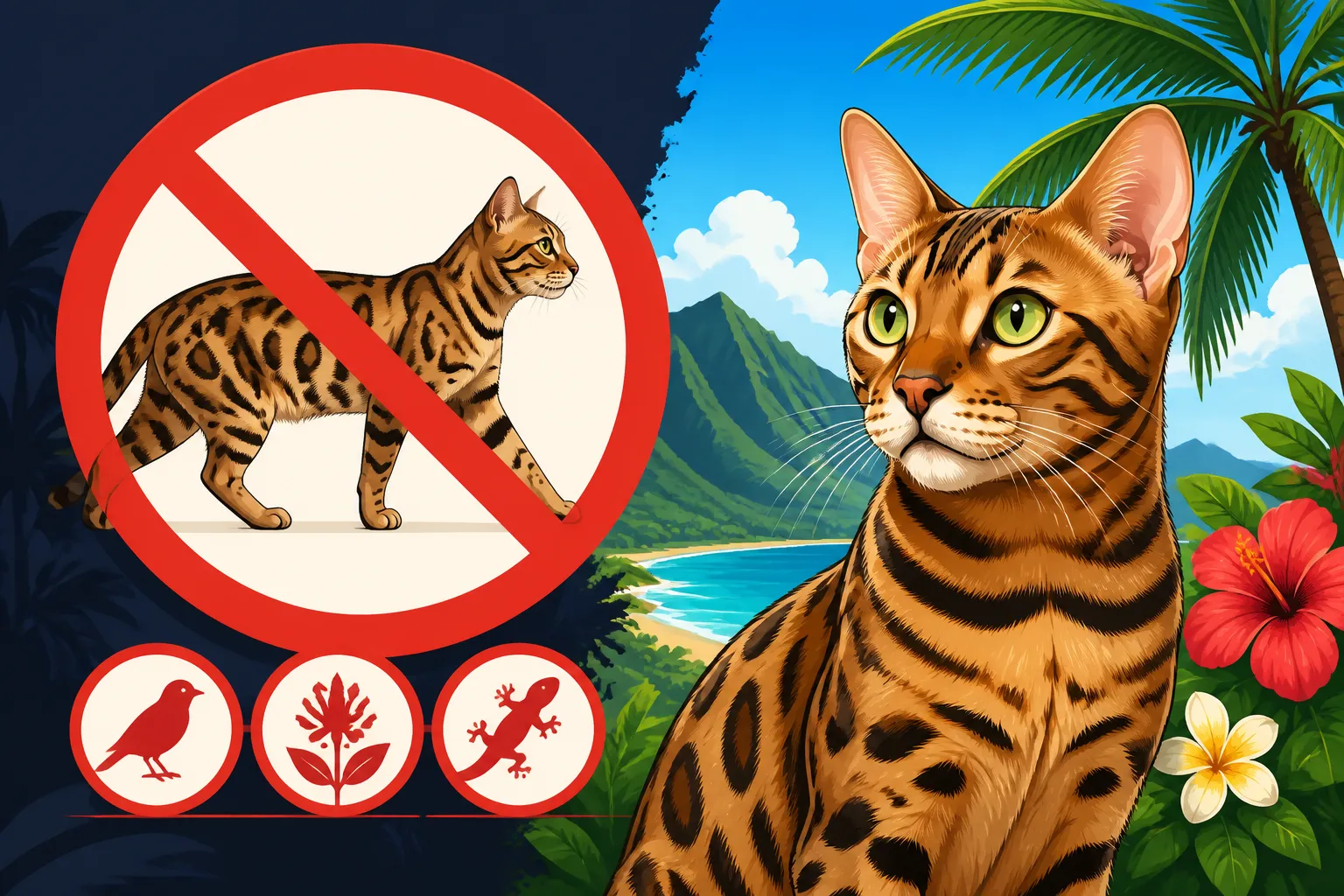
It’s a heart-wrenching situation when you fall in love with a particular cat breed, only to discover that bringing one home is simply not an option in your location. For aspiring Bengal cat owners, especially those dreaming of life in the beautiful state of Hawaii, this dream is often met with a stark and unwavering reality: Hawaii bans every single Bengal cat, regardless of their generation. This isn't a partial restriction; it's a complete prohibition that leaves many confused and heartbroken, so let's explore the deep-rooted reasons behind this strict law.
Hawaii's Unique Ecological Vulnerability and the Invasive Species Threat
To understand Hawaii’s absolute ban on Bengal cats, you first need to grasp the unparalleled fragility of its natural ecosystem. The Hawaiian islands are incredibly isolated, and because of this, native species have evolved over millions of years without the presence of many predators or aggressive competitors found in other parts of the world. This isolation has led to a stunning biodiversity, but it also means the ecosystem is acutely vulnerable to invasive species. When a non-native plant or animal is introduced, even accidentally, it can have catastrophic consequences, rapidly outcompeting or preying upon native flora and fauna that have no defense mechanisms.
The state of Hawaii takes its biosecurity incredibly seriously, with some of the strictest import laws in the United States. They have learned from painful historical lessons, where animals like rats, mongoose, and feral cats, once introduced, decimated bird populations and reshaped entire natural habitats. Every potential introduction is viewed through the lens of worst-case scenarios, and the risk assessment is heavily weighted towards protecting the unique natural heritage of the islands.
Given the Bengal cat's heritage, directly descended from the wild Asian Leopard Cat, even many generations removed, it is perceived as a significant potential threat to Hawaii's delicate ecosystem. Their athletic build, high energy levels, and strong hunting instincts, even when fully domesticated, are seen as traits that could allow them to thrive and reproduce if they ever escaped into the wild. The authorities don't differentiate between a domestic cat and a Bengal cat in terms of the potential impact on wildlife; for them, the perceived "wildness" of the breed's ancestry and appearance is enough to warrant extreme caution.
The Blanket Ban: Why Generation Doesn't Matter in Hawaii
Across much of the world, and indeed in many other U.S. states, the legality of owning a Bengal cat often hinges on its "filial" or "F" generation. An F1 Bengal is a direct cross between an Asian Leopard Cat and a domestic cat. An F2 has an F1 parent, and so on. Typically, the further removed a Bengal cat is from its wild ancestor (meaning a higher F number, or an SBT – Stud Book Tradition – Bengal, which is generally F4 or later), the more domestic its temperament is considered, and the more likely it is to be legal. For example, some states may allow F4 Bengals but ban F1-F3. F1 to SBT: How a Bengal Cat's Generation Is Counted provides more insight into this system.
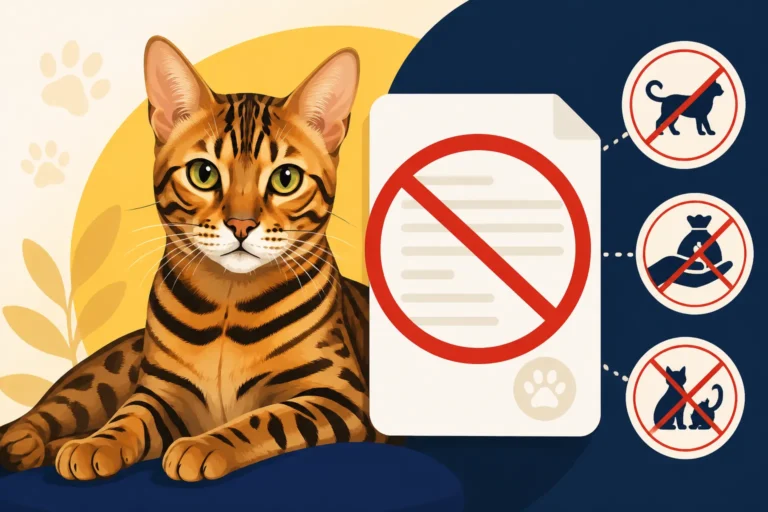
However, Hawaii's law does not make this distinction. It's a complete and total ban on all Bengal cats, regardless of their generation. This means an F1 Bengal, which is very close to its wild ancestor and often requires specialized care and housing, is banned. But so is an SBT Bengal, which might be many generations removed, raised in a loving home, litter-trained, and behave much like any other highly active domestic cat. The state views the breed as a whole through the lens of its hybrid origin, classifying it as a "wild animal" or a "hybrid wild animal" that poses an unacceptable risk.
This stance often frustrates Bengal enthusiasts who point to the breed's domestic traits and years of responsible breeding. However, Hawaii's biosecurity framework is designed to err on the side of extreme caution. For the state, the risk that even a deeply domesticated Bengal cat could escape, adapt to the tropical environment, and establish a feral population, thus threatening endangered native birds and other wildlife, is simply too high to gamble on. It’s not a judgment on individual cats or their owners; it's a policy decision based on the unique environmental vulnerability of the islands and a strict interpretation of what constitutes a potential invasive species. You can find more details about their wild heritage in A Leopard Cat and a Housecat Made the First Bengal Cat and What an Asian Leopard Cat Is Behind Every Bengal Cat.
Practical Ramifications for Current and Prospective Owners
For anyone living in or considering a move to Hawaii with a Bengal cat, or dreaming of acquiring one while residing there, the practical implications are severe and uncompromising. The ban isn't merely a suggestion; it's a legally enforceable prohibition.
If you somehow manage to bring a Bengal cat into Hawaii, or if one is discovered to be in your possession within the state, the consequences can be dire. Authorities are authorized to confiscate the animal. This is an incredibly traumatic experience for both the owner and the cat. Beyond confiscation, owners can face significant fines and potential legal action. There are no permits or special licenses that allow for legal Bengal cat ownership in Hawaii; the door is simply closed.
This means that if you own a Bengal cat on the mainland and plan to relocate to Hawaii, you would have to make the heartbreaking decision to rehome your beloved pet before moving. Shipping a Bengal cat to Hawaii, even with seemingly correct paperwork, will result in its refusal entry and potential impoundment or re-shipping at your expense, or worse. The emotional toll of such a situation is immense, and it highlights the importance of thoroughly researching pet ownership laws before making any moves, or indeed, before acquiring any animal. It is a stark reminder of What Happens to a Confiscated Bengal Cat and the tragedy that can unfold.
Moreover, because Bengal cats are illegal, accessing routine veterinary care can become complicated if an owner is trying to avoid detection. While ethical vets will prioritize an animal's health, the owner could still face legal repercussions. This creates a difficult ethical dilemma and a risky situation for the animal's well-being. For responsible pet care outside of Hawaii, finding durable pet supplies from retailers like Chewy is important for an active breed like a Bengal, and ensuring their health with a robust pet insurance plan from providers like Healthy Paws can alleviate financial stress for owners in legal areas.
Why the Ban Endures and Broader Advocacy
Hawaii's blanket ban on Bengal cats, and indeed on a range of other exotic or hybrid animals, is deeply entrenched in its state law and is unlikely to change in the foreseeable future. The rationale is consistent: the potential risk to the native ecosystem outweighs any desire for private ownership of a hybrid cat breed, regardless of how domesticated individual animals might be. The state prioritizes the preservation of its unique natural environment above all else, a position that resonates strongly with many environmental conservationists.
For Bengal cat owners and enthusiasts outside of Hawaii, understanding the reasons behind such bans is crucial. While it may seem unfair given the domestic nature of many generations of Bengal cats, the perception of their "wildness" persists, particularly in highly sensitive ecological areas. Responsible ownership, breeder transparency about health screenings, and accurate information about the breed's temperament can help counter misconceptions. Emphasizing that while Bengal cats are incredibly active and intelligent—The Bengal Cat Is the Most Active Cat You Can Own—they are still primarily domestic companions, can slowly shift public perception over time.
For those considering a Bengal cat where they are legal, embracing their unique needs is key. Their high activity levels mean they need plenty of mental and physical enrichment through interactive toys, as well as high-protein diets suited to their energetic lifestyle (always consult your vet for nutritional advice). Proper enrichment can include cat trees for their climbing prowess, puzzle feeders, and plenty of interactive playtime. This kind of responsible ownership showcases the best of the breed and helps to highlight their suitability as domestic pets, even if Hawaii's laws remain unyielding. How Much Enrichment a Bengal Cat Actually Needs is a great resource for this.
While the ban in Hawaii might seem restrictive, it serves as a powerful reminder of the delicate balance in nature and the profound responsibility we have as pet owners to understand and respect local laws designed to protect fragile ecosystems.
Disclaimer
This article is for general informational purposes only and does not constitute professional advice. Laws, prices and regulations vary by location and change over time. Consult a qualified professional for guidance on your specific situation.