Whether the Bengal Cat Hypoallergenic Claim Holds Up
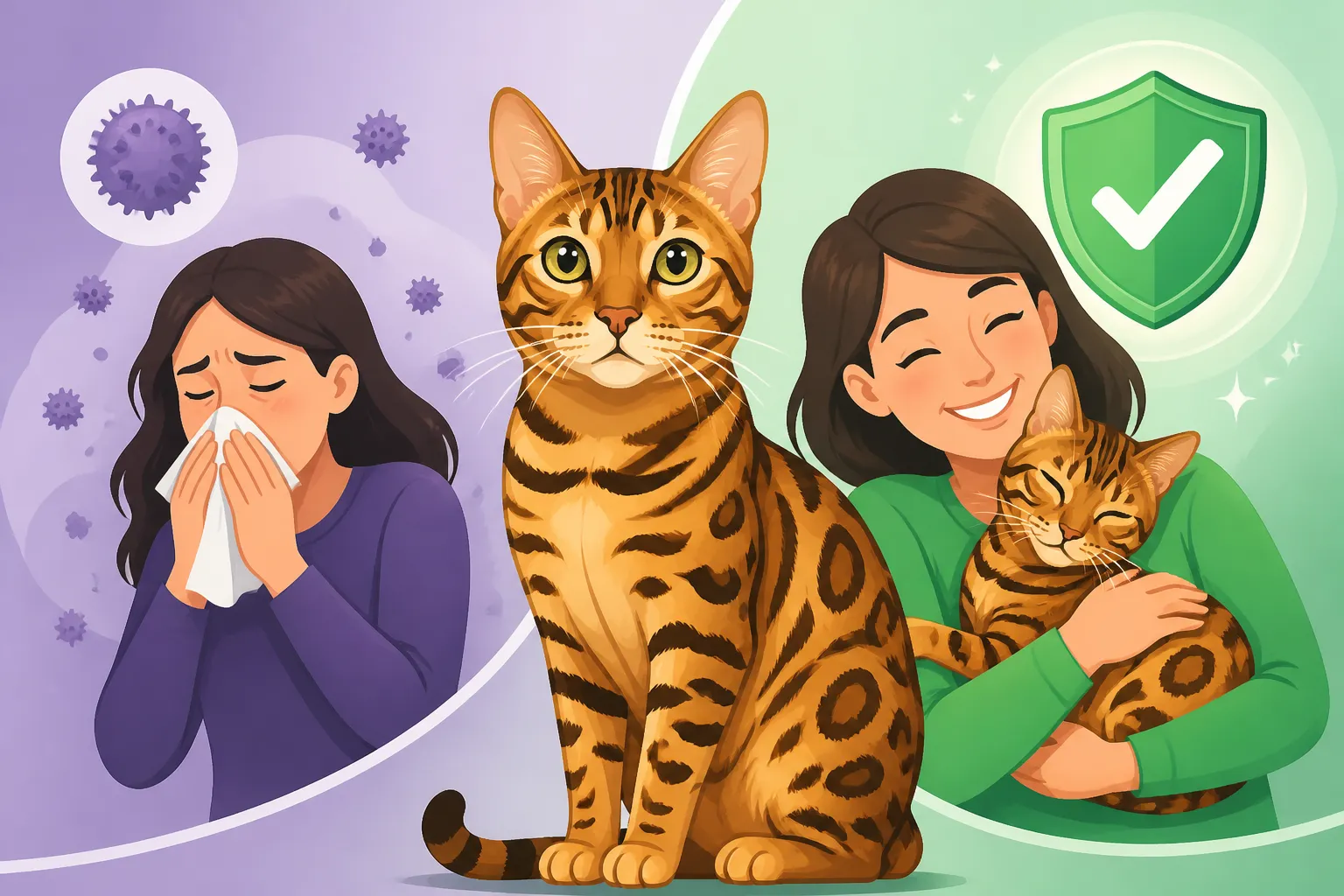
The dream of owning a cat, especially one as magnificent and spirited as a Bengal, often clashes head-on with the harsh reality of cat allergies. It's a truly heartbreaking situation for so many prospective owners, who find themselves holding back from bringing a feline friend into their home because of sniffles, sneezes, and itchy eyes. You've likely heard whispers, or perhaps read online, that Bengal cats are somehow "hypoallergenic," offering a glimmer of hope where there once was none. This guide is here to shed some realistic light on that claim, diving deep into what causes cat allergies and whether our beloved Bengals truly offer a reprieve.
What "Hypoallergenic" Really Means for Cats (and Why It's Misleading)
Let's get this out of the way upfront: there's no such thing as a truly 100% hypoallergenic cat. It's a term that gets thrown around a lot, often leading to disappointment and confusion for hopeful allergy sufferers. The word "hypoallergenic" literally means "less allergenic," not "non-allergenic," and that's a crucial distinction. When we talk about cat allergies, most people immediately think of cat hair, but the truth is far more complex and involves a sneaky protein.
The primary culprit behind most cat allergies isn't the hair itself, but a protein called Fel d 1. This protein is naturally produced in a cat's saliva, skin glands, and urine. When a cat grooms itself, it spreads this protein-laden saliva all over its fur. As the saliva dries, the Fel d 1 protein becomes airborne, attaching itself to tiny flakes of dead skin (what we call dander) and individual hairs. These minuscule particles then float around your home, landing on furniture, carpets, and clothing, becoming the invisible triggers for allergic reactions. Even if a cat has very little hair, or a unique coat, if it produces Fel d 1, it can still cause allergies. So, while a breed might be advertised as hypoallergenic, it's more accurate to say some cats might produce less of this protein or shed fewer of the carriers for it, potentially leading to a milder reaction in some individuals, but it's never a guarantee of no reaction at all.
The Science Behind Fel d 1 and Allergic Reactions
Understanding Fel d 1 is key to understanding why "hypoallergenic" is such a tricky word. This protein is incredibly potent; even microscopic amounts can trigger a cascade of immune responses in sensitive individuals. When someone with a cat allergy inhales or comes into contact with Fel d 1, their immune system mistakenly identifies it as a harmful invader. This causes the body to release histamine and other chemicals, leading to those familiar allergy symptoms: sneezing, runny nose, itchy eyes, skin rashes, and for some, even asthma attacks.
Different cats produce varying amounts of Fel d 1, regardless of their breed or hair length. Some individual cats, even within the same litter, might produce more or less of this protein. Interestingly, intact males tend to produce more Fel d 1 than neutered males, and females generally produce less than males. There's also some evidence to suggest that darker cats might produce more allergens than lighter-colored cats, though this isn't a hard and fast rule. The concentration of Fel d 1 can even fluctuate throughout a cat's life. So, while a Bengal cat's coat might feel different, the question of their "hypoallergenic" status hinges on their Fel d 1 production, which isn't directly tied to their fur type.
The Bengal Cat's Unique Coat: Does It Make a Difference?
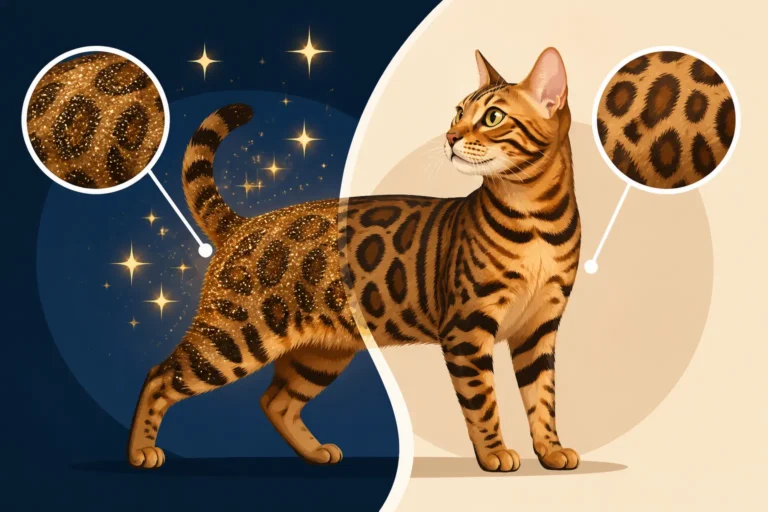
Bengal cats are undeniably stunning, known for their wild appearance, intelligence, and energetic personalities. Part of their allure lies in their distinctive coat, which often feels like no other domestic cat's fur. Many people describe it as a "pelt-like" coat, incredibly soft, dense, and often adorned with shimmering "glitter." This unique texture and appearance lead many to believe that it might be inherently less allergenic.
The Bengal's coat is indeed special. It's typically very short and sleek, with little to no fuzzy undercoat found in many other breeds. This characteristic is often attributed to their Asian Leopard Cat ancestry. Without a thick undercoat, Bengal cats tend to shed significantly less than many other domestic cats. Less shedding means fewer hairs and dander flakes floating around your home, and therefore, potentially fewer carriers for that problematic Fel d 1 protein. This reduction in airborne allergens is where the "hypoallergenic" claim for Bengals often originates. It's not that they don't produce Fel d 1; it's that they might spread less of it through shedding compared to a fluffier, heavier-shedding breed. You might notice this difference profoundly if you've ever had a long-haired cat shedding tumbleweeds of fur versus the almost invisible shedding of a Bengal. Why a Bengal Cat's Coat Feels Like Silk is a topic that explores this further, highlighting just how distinct their fur truly is.
Shedding and Dander: The Bengal's Advantage (or Lack Thereof)
While it's true that Bengal cats shed less than many breeds, it's important to understand the nuances. Reduced shedding doesn't eliminate dander, and it certainly doesn't eliminate the Fel d 1 protein. Dander consists of microscopic flakes of skin that are continually shed by all cats, much like humans shed skin cells. These flakes are tiny and easily become airborne, carrying the Fel d 1 protein with them. Even a hairless cat still produces dander and Fel d 1, which is why even "hairless" breeds aren't truly hypoallergenic.
The "glitter" gene, which gives many Bengals their shimmering, iridescent coat, is a beautiful trait, but it has no bearing on their allergenic properties. It affects the light reflection in their hair shafts, not the production of Fel d 1 or the amount of dander they shed. So, while a Bengal might leave fewer visible hairs on your furniture, they are still shedding invisible dander and producing the allergen. The key takeaway here is that while the amount of allergen disseminated might be reduced due to less shedding, the presence of the allergen remains. For individuals with severe allergies, even this reduction might not be enough to prevent a reaction. For those with milder sensitivities, it might indeed make a noticeable difference. It's a gamble, and it's why thorough testing (spending time with a Bengal before committing) is always recommended. For more on their unique coat, you can read How Much a Bengal Cat Sheds for a Shorthair.
Practical Steps for Living with a Bengal Cat and Allergies
If you're an allergy sufferer but your heart is set on a Bengal, don't despair entirely. While no cat is truly hypoallergenic, there are many strategies you can employ to minimize allergens in your home and manage your symptoms. It requires commitment and consistency, but for many, the joy of having a Bengal cat makes it all worthwhile.
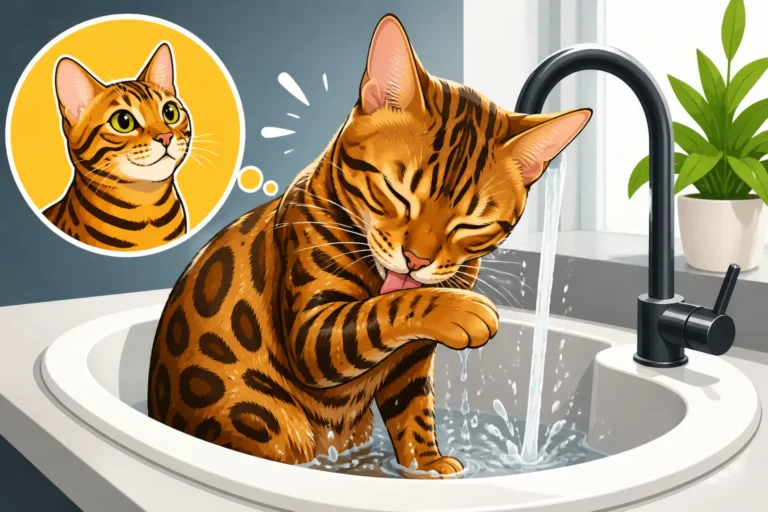
One of the first and most impactful steps is regular grooming for your Bengal. While they don't shed heavily, routine wiping down with a damp cloth or specialized grooming wipes can remove loose dander and saliva before it becomes airborne. You might even find your Bengal tolerates short, infrequent baths, which can significantly reduce allergen load on their coat. However, be prepared for a challenge; many Bengals love water, but not necessarily a bath on your terms! A soft brush specifically designed for short-haired cats can also help. Finding suitable brushes and wipes is easy on sites like Amazon or Chewy, which offer a wide variety of options for pet grooming. Why a Bengal Cat Barely Needs Brushing at All touches on this, noting their minimal grooming needs, but for allergy sufferers, a bit more intervention is beneficial.
Managing Your Home Environment
Controlling allergens in your home environment is paramount. Think of your home as a fortress against Fel d 1. Here are some actionable steps:
- Air Purification: Invest in high-quality HEPA air purifiers for rooms where your Bengal spends the most time, especially your bedroom. Run them continuously to filter out airborne allergens.
- Vacuuming: Vacuum frequently with a vacuum cleaner equipped with a HEPA filter. This is crucial for capturing dander embedded in carpets and upholstery.
- Flooring: If possible, consider replacing carpets with hard flooring (wood, tile, laminate), which are easier to clean and don't trap allergens as effectively.
- Fabric Surfaces: Wash pet bedding, blankets, and throw pillows regularly in hot water. Consider allergen-proof covers for your pillows and mattress.
- Designated "Allergy-Free" Zones: Establish a cat-free zone in your home, ideally your bedroom. Keep the door closed and rigorously enforce this rule. This provides you with a sanctuary where you can get a good night's sleep without allergen exposure.
- Furniture Covers: Use washable covers on upholstered furniture that your Bengal frequently uses. These can be removed and washed weekly.
- Wiping Surfaces: Regularly wipe down hard surfaces with a damp cloth to remove settled dander.
These environmental controls, though demanding, can make a huge difference in reducing your overall exposure to Fel d 1, allowing you to coexist more comfortably with your Bengal.
Personal Management and Diet Considerations
Beyond environmental controls, there are personal measures you can take, and even dietary considerations for your cat that might help.
For yourself, consider speaking with an allergist. They can confirm your specific allergies and recommend appropriate treatments, such as antihistamines, nasal sprays, or even allergy shots (immunotherapy), which can desensitize your immune system over time. Washing your hands immediately after petting your cat and avoiding touching your face can also help prevent symptoms.
For your Bengal, a healthy coat and skin are vital for minimizing dander. A high-quality diet rich in Omega-3 and Omega-6 fatty acids can contribute to skin health and reduce excessive dryness, which in turn means less flaky dander. Many premium cat foods focus on ingredients that support skin and coat health. While this won't eliminate Fel d 1 production, a healthier coat can mean less overall dander. Hydration is also important, so ensure your Bengal has constant access to fresh water. A water fountain, for example, can encourage them to drink more.
Here's a quick overview of allergy management strategies:
| Strategy Category | Actionable Steps | Benefit |
|---|---|---|
| Cat Care | Regular wiping/bathing with damp cloths/wipes | Reduces dander and saliva on coat |
| Gentle brushing with short-hair brush | Removes loose fur and dander | |
| High-quality diet rich in Omega fatty acids | Promotes healthy skin, reduces dry dander | |
| Home Environment | Use HEPA air purifiers | Filters airborne allergens |
| Vacuum with HEPA filter frequently | Removes dander from carpets/flooring | |
| Replace carpet with hard flooring (if possible) | Easier to clean, less allergen trapping | |
| Wash pet bedding and fabrics regularly | Removes accumulated dander and Fel d 1 | |
| Establish cat-free zones (e.g., bedroom) | Provides allergen-free sanctuary | |
| Wipe down hard surfaces often | Removes settled dander | |
| Personal Care | Consult an allergist for medication/immunotherapy | Manages symptoms and potentially desensitizes |
| Wash hands after petting | Prevents transfer of allergens to face/eyes | |
| Avoid touching face after interacting with cat | Reduces immediate allergic reactions |
Ultimately, whether a Bengal cat is suitable for someone with allergies is a deeply personal and variable experience. The "hypoallergenic" claim is more about a reduction in allergens rather than their absence. If you're considering a Bengal and have allergies, try to spend time with one first. Visit a reputable breeder, cat show, or foster home to see how you react. It's the only way to truly gauge your individual sensitivity to these stunning, unique cats.
Disclaimer
This article is for general informational purposes only and does not constitute professional advice. Laws, prices and regulations vary by location and change over time. Consult a qualified professional for guidance on your specific situation.