How to Transition a Bengal Cat to Raw
So, you've got a fantastic, energetic Bengal cat, and you're considering transitioning them to a raw food diet. Maybe you've heard all the buzz about the benefits – the shiny coats, the boundless energy, the smaller, firmer stools – and you're ready to make the switch. But let's be real, the idea of changing a cat's diet, especially a finicky one like a Bengal, can feel like trying to herd wild tigers. They're often set in their ways, and that crunchy kibble or familiar wet food is their comfort zone. This guide is here to walk you through the process, share some hard-won wisdom, and help you navigate the ups and downs of introducing your spotted friend to the world of raw nutrition.
Understanding Why Your Bengal Might Be Picky About Raw Food
It's easy to assume that because Bengal cats have that wild Asian Leopard Cat ancestry, they'll instinctively take to a raw diet like a fish to water. After all, their wild cousins definitely aren't eating heavily processed kibble! But the reality is often a bit more complicated once you bring them into your home.
The Instinctual Eater vs. The Kibble Convert
While the genetic blueprint of a Bengal cat might scream "hunter," their domestic experience can strongly influence their dietary preferences. Many Bengal cats, especially those several generations removed from their wild ancestors (SBTs, F4s and beyond), have been raised on kibble or canned food since kittenhood. This means their bodies and minds are conditioned to expect certain textures, smells, and flavors.
Think about it from their perspective: they've spent their lives eating uniform, often heavily flavored, crunchy or mushy meals. Then, suddenly, you present them with something that smells like actual meat, has a different consistency, and might even feel a bit "unnatural" to them because it's not what they're used to. It's like asking a human who grew up on fast food to suddenly switch to gourmet, organic whole foods overnight – some might embrace it, others will look at you like you've grown a second head. Your Bengal's gut microbiome might also be accustomed to processing the ingredients found in their current diet, and a sudden shift can feel like a shock to the system. This is why patience is key.
Overcoming Resistance to New Textures and Flavors
Cats are creatures of habit, and their food preferences are often deeply ingrained. Kibble, in particular, often contains coatings and flavor enhancers that make it incredibly appealing to them, almost like junk food. Raw meat, on the other hand, has a more subtle, natural scent and a very different texture. It's not crunchy, and it's not the uniform pate or gravy they might be accustomed to.
This isn't a reflection of your Bengal being "ungrateful" or "stubborn," but rather a biological response to novelty. Their survival instincts tell them that new, unfamiliar foods might be dangerous. So, overcoming this resistance isn't just about offering a different food; it's about gradually retraining their palate and helping their digestive system adjust. Don't be surprised if your Bengal sniffs it and walks away, or even tries to "bury" it. It's a common reaction, and it doesn't mean you've failed before you've even started.
Preparing for the Transition: What You Need to Know First
Before you even open a package of raw food, there are some really important steps you need to take. This isn't just about buying new groceries; it's about making an informed decision for your Bengal's long-term health and safety.
Consulting Your Veterinarian About a Raw Diet
This is, perhaps, the most crucial first step. While many people swear by raw feeding, it's not without its critics, and your veterinarian's input is invaluable. They know your specific cat's health history, any underlying conditions, and can provide guidance on whether a raw diet is appropriate for them. Be prepared for a nuanced conversation. Some vets are strongly against raw feeding due to concerns about bacterial contamination and nutritional imbalances, while others are more open to it, especially if you're using a complete and balanced commercial raw food.
Discuss the specific type of raw diet you're considering (commercial, freeze-dried, or homemade) and ask about any potential risks or supplements your Bengal might need. For a breed like the Bengal, known for its Why a Bengal Cat's Gut Is So Sensitive, digestive upset can be a real concern during a diet change. Your vet can help you understand these risks and potentially recommend pre-biotics or probiotics to ease the transition. They might also suggest initial bloodwork to establish a baseline, especially if you plan to monitor their health closely after the switch.
Choosing the Right Raw Food Product
Once you've had that important chat with your vet, it's time to consider what raw food you'll be feeding. This is where the world of raw gets a little bigger than you might expect.
- Commercial Frozen Raw: These are often the easiest and safest entry point. Reputable brands formulate their raw diets to be nutritionally complete and balanced, meeting AAFCO guidelines. They come frozen in patties, nuggets, or chubs. You simply thaw and serve. This eliminates the guesswork of balancing nutrients yourself. Look for brands that source high-quality ingredients and provide transparent information about their formulation. Many pet stores carry these, and online retailers like Chewy often have a good selection, delivered right to your door.
- Freeze-Dried Raw: This is another fantastic option, especially for easing into raw or for travel. Freeze-dried raw food has all the benefits of raw but is shelf-stable and lighter. You simply rehydrate it with water or broth before serving. The texture can be less intimidating for cats used to kibble. Brands like Stella & Chewy's or Primal offer excellent freeze-dried options that can be found on Amazon or Chewy. It's often a good bridge food when you're initially trying to get your Bengal accustomed to the taste of raw meat.
- Homemade Raw: While appealing in theory, formulating a nutritionally complete and balanced raw diet at home is incredibly complex and challenging. It requires a deep understanding of feline nutritional requirements, exact proportions of meat, bone, and organs, and often specific supplements like taurine. What a Raw Diet Involves for a Bengal Cat is a serious undertaking. Without proper formulation, you risk serious deficiencies that can harm your Bengal over time. If you're passionate about DIY, work closely with a veterinary nutritionist who specializes in raw feeding. Do not just mix ground meat and call it a day – that's a recipe for long-term health problems.
| Raw Food Type | Pros | Cons | Best For |
|---|---|---|---|
| Commercial Frozen | Nutritionally complete, convenient, easy to serve | Requires freezer space, thawing time, can be pricier | Beginners, ensuring balanced nutrition |
| Freeze-Dried | Shelf-stable, convenient for travel, less messy | Generally more expensive per serving, needs rehydration | Easing into raw, picky eaters, travel |
| Homemade (DIY) | Full control over ingredients, potentially cheaper | Extremely complex to balance, high risk of deficiencies | Experienced raw feeders, under vet nutritionist guidance |
Remember, Whether Raw Feeding Is Safe for a Bengal Cat largely depends on proper sourcing, handling, and nutritional completeness. This is not an area to cut corners.
Step-by-Step Guide to Transitioning Your Bengal Cat to Raw
Alright, you've done your research, talked to your vet, and picked out your raw food. Now for the actual transition! Patience, consistency, and a little bit of cunning are your best friends here.
The Gradual Mix-In Method
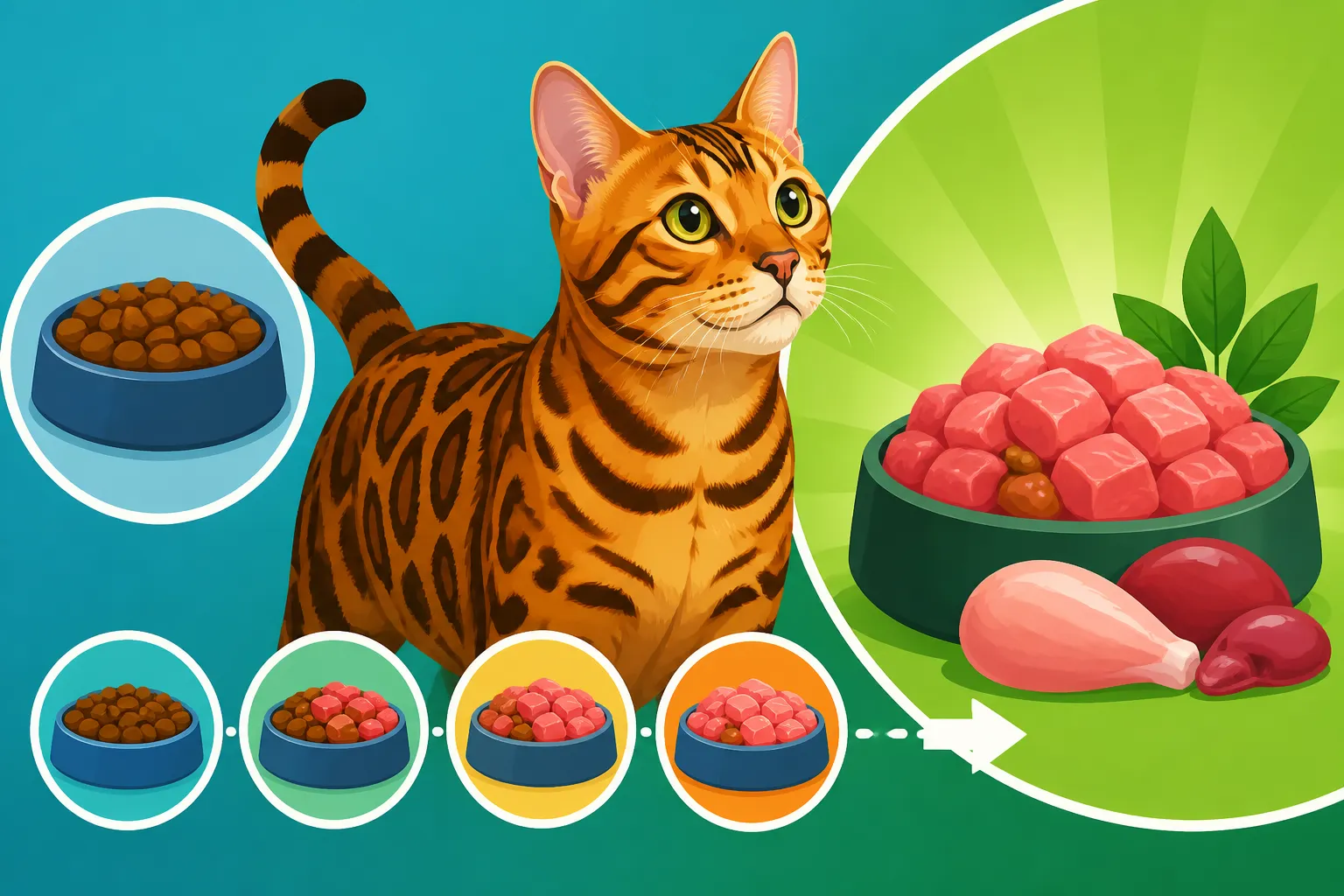
This is, by far, the most recommended and successful method for most cats, especially those with sensitive tummies or those who are particularly finicky. The goal is to slowly introduce the new food without overwhelming your Bengal's senses or digestive system.
- Start Small, Really Small: Begin by adding just a tiny, pea-sized amount of the raw food (thawed, of course) to your Bengal's regular meal. Mix it in thoroughly so they can't easily pick it out. The idea is for them to get a hint of the new flavor and texture without it being an overpowering change.
- Observe and Adjust: For the next few days, keep that tiny amount consistent. Watch your Bengal closely. Are they eating it? Are their stools normal? If everything looks good, after about 3-5 days, you can very slightly increase the amount of raw food. We're talking another pea-sized increment.
- Slow and Steady Wins the Race: Continue this slow increase over several weeks, or even months. The pace is entirely dictated by your cat. If you notice any digestive upset – loose stools, vomiting, or refusal to eat – immediately dial back to the previous amount they tolerated well and hold there for a longer period before attempting to increase again. Remember Which Food Firms Up a Bengal Cat's Stool can be a challenge even with their regular diet, so go easy on their gut!
- Consider Separate Bowls: As the raw portion increases, some cats might still try to eat around it. At this point, you might try offering the raw food in a separate, small dish alongside their regular food. Some cats prefer to eat the "new" food first, others the "old." This gives them a choice.
The key here is gradual. Do not rush it. A slow transition minimizes digestive upset and increases the chances of your Bengal accepting the new diet.
The Cold Turkey or Fasting Method (with caveats)
You might read about some people simply switching their cat to raw overnight, or even fasting them for a day to encourage them to eat the new food. While this can work for some highly food-motivated dogs, it is generally not recommended for cats, especially Bengal cats.
Cats, particularly those who are overweight, can develop a serious and potentially fatal condition called hepatic lipidosis (fatty liver disease) if they go without food for even 24-48 hours. This is why forcing them to eat a new food by withholding their old food is a dangerous gamble. While a very small number of cats might accept a "cold turkey" switch, the risk is simply too high for most, especially if you have a slightly pickier Bengal. If you are considering this method, it should only be done under strict veterinary supervision, and honestly, most vets would advise against it. Stick with the gradual method for safety and success.
Enhancing Palatability and Enticing Picky Eaters
Sometimes, even with a gradual introduction, your Bengal might still be hesitant. This is where you can get a little creative to make the raw food more appealing.
- Warm it Up Slightly: Raw food straight from the fridge can be unappealing. Try letting it sit out for 15-20 minutes to reach room temperature, or even warming it slightly in a sealed bag placed in warm water. Just be sure it's never cooked, as cooking bone can make it brittle and dangerous. The warmth can release more of those natural meaty aromas that attract cats.
- Add "Sprinkles" or Toppers: Think of it like a secret ingredient. A little bit of nutritional yeast, a sprinkle of freeze-dried meat treats (crushed), some low-sodium chicken broth, or a touch of salmon oil can make the raw food more enticing. Many owners find success with probiotics like FortiFlora sprinkled over the top – it not only helps their gut but cats often love the taste. You can find these easily on Chewy or Amazon. Fresh toppers might also tempt them.
- Make Their Old Food Less Appealing: This sounds a bit sneaky, but it works. If you're mixing, try adding a little water to their old kibble to make it less crunchy, or slightly reduce the amount of their favorite wet food. The goal is to make the raw food seem like the more exciting option.
- The "Secret Agent" Method: For truly resistant cats, try taking a tiny bit of raw food and smearing it on their paw. They'll instinctively lick it off to clean themselves, getting a taste without consciously "eating" it. This can sometimes pique their interest.
- Offer Variety: Just like us, cats can get bored of the same protein. If your Bengal isn't keen on chicken raw, try beef, turkey, or rabbit. Different proteins offer different flavors and textures, and one might click better than another.
- Playtime Before Mealtime: A tired and hungry Bengal might be less discerning. Engage them in a vigorous play session before offering their meal. How Much Exercise a Bengal Cat Needs a Day is significant, so use that energy to your advantage!
Remember, consistency is vital. Don't give up after a few attempts. Keep offering, keep experimenting with presentation, and be patient. It might take longer than you expect, but the potential health benefits are often worth the effort.
Troubleshooting Common Hurdles During the Transition
Even with the best intentions and a gradual approach, you might encounter some bumps along the road. This is normal, and it doesn't mean you're failing. It just means you need to adjust your strategy.
Dealing with Digestive Upset
The most common issue when switching a cat's diet, especially to raw, is digestive upset. This can manifest as loose stools, diarrhea, or even occasional vomiting. Your Bengal's gut microbiome needs time to adapt to new proteins, fats, and the absence of certain ingredients they were used to.
- Slow Down, Seriously Slow Down: If you see any signs of digestive upset, it means you're increasing the raw food too quickly. Immediately reduce the amount of raw food back to the last level your Bengal tolerated without issues. Hold there for at least a week, or even two, before attempting another tiny increase.
- Probiotics Are Your Friend: Introducing a good feline-specific probiotic can be incredibly helpful during this transition. Probiotics help introduce beneficial bacteria to your Bengal's gut, aiding in digestion and absorption of nutrients. Many vets recommend them, and you can find various options on Chewy or Amazon.
- Monitor Stool Consistency: Pay close attention to your Bengal's litter box habits. Ideally, their stools on a raw diet should be smaller, firmer, and less odorous than on kibble. If they're consistently mushy or watery, it's a clear sign their system isn't happy yet.
- When to Call the Vet: If your Bengal experiences severe diarrhea, frequent vomiting, lethargy, or a complete refusal to eat for more than 24 hours, contact your veterinarian immediately. These could be signs of something more serious or a reaction your cat cannot overcome on its own.
When Your Bengal Flat-Out Refuses to Eat
This is perhaps the most frustrating hurdle: your Bengal simply won't touch the raw food, no matter how much you coax them. The good news is, there are still strategies to try.
- Don't Let Them Starve: As mentioned earlier, never let your cat go without food for extended periods (more than 24-36 hours) due to the risk of hepatic lipidosis. If they're refusing the raw, offer their old food to ensure they eat something. You can always try again later or the next day with a different approach.
- Try Freeze-Dried First: For some Bengals, the texture of frozen-then-thawed raw meat is too much. Freeze-dried raw is a game-changer for these cats. The texture is more akin to a crunchy treat or kibble when dry, and softer when rehydrated, making it a less drastic change. Many cats will happily eat freeze-dried raw as a treat, which can be your stepping stone.
- Experiment with Different Proteins: If they turn their nose up at chicken, try beef, lamb, duck, or even rabbit. Some cats have very strong preferences. What one cat despises, another will adore. Many foods come in a variety of protein options.
- Patience and Persistence: This isn't a quick fix. It might take weeks or even months for a truly stubborn Bengal to fully transition. Keep offering, keep trying different methods, and don't get discouraged. Celebrate small victories, like a tiny lick or a half-eaten meal. The High Protein Argument for a Bengal Cat often drives owners to push for raw, so remember your motivation.
Maintaining Hygiene and Safety with Raw Food
Feeding raw food requires diligent hygiene practices to prevent bacterial contamination, which can affect both your cat and your family.
- Cleanliness is Key: Always wash your hands thoroughly with soap and water before and after handling raw meat. Treat it exactly as you would raw meat for human consumption.
- Dedicated Utensils and Surfaces: Use separate cutting boards, bowls, and utensils for raw cat food. Don't use the same ones you use for human food without sterilizing them first.
- Proper Storage: Keep raw food frozen until you're ready to use it. Thaw it in the refrigerator, not on the counter. Once thawed, it should be used within a day or two, just like any other raw meat.
- Clean Bowls Immediately: After your Bengal finishes eating, wash their bowl with hot, soapy water. Don't let raw food residue sit out, as it can be a breeding ground for bacteria.
- Sanitize Feeding Areas: Regularly wipe down surfaces where your Bengal eats with an antibacterial cleaner. This is especially important for Bengals, who sometimes play with their food or kick it out of the bowl!
By following these safety guidelines, you can minimize the risks associated with raw feeding and ensure a healthy environment for your Bengal and your household.
Long-Term Raw Feeding for Your Bengal Cat
Congratulations! If you've successfully transitioned your Bengal to a raw diet, you're past the hardest part. Now, it's about maintaining that healthy diet and ensuring your energetic companion continues to thrive.
Ensuring Nutritional Completeness
This point bears repeating: whether you choose commercial raw food or a homemade diet, nutritional completeness is paramount. For commercial options, stick with reputable brands that clearly state they meet AAFCO (Association of American Feed Control Officials) or equivalent guidelines for "all life stages" or "adult maintenance." These formulations are designed by veterinary nutritionists to provide all the essential vitamins, minerals, and amino acids your Bengal needs.
If you've ventured into homemade raw, you absolutely must work with a veterinary nutritionist to ensure your recipes are balanced. Relying on anecdotal advice or incomplete recipes can lead to serious long-term health issues. Bengal cats are naturally muscular and active, so a high-quality, protein-rich diet is critical to support their physique and energy levels. How Much a Bengal Cat Eats to Fuel That Activity means they need nutrient-dense food. Their diet should support their active lifestyle and maintain their lean build; What a Muscular Bengal Cat Should Weigh is a good indicator of overall health.
Remember, a raw diet aims to mimic what a feline would eat in the wild. This includes not just muscle meat, but also organs and bone, all in the correct ratios. This is why commercial raw often includes these elements, often ground for easy consumption.
Monitoring Health and Adjusting as Needed
Even after a successful transition, raw feeding is not a "set it and forget it" situation. Regular monitoring of your Bengal's health is crucial, just as it would be with any diet.
- Regular Vet Check-ups: Continue with your annual or bi-annual veterinary visits. Share your feeding choices with your vet. They can monitor your Bengal's overall health, weight, coat condition, and perform blood work as needed. What a Bengal Cat's Yearly Bloodwork Should Cover will typically include a check of kidney and liver function, and a complete blood count, which can give insights into their nutritional status.
- Observe Coat and Energy Levels: One of the most common benefits reported by raw feeders is a softer, shinier coat and increased energy. Your Bengal's A Bengal Cat's Coat Is a Pelt, Not Fur should look vibrant. If you notice any dullness in their coat, unexplained lethargy, or changes in their typical Bengal exuberance (which is considerable – Why a Bengal Cat Never Seems to Tire), it might be time to re-evaluate their diet or consult your vet.
- Stool Consistency: Continue to monitor their litter box. Healthy raw-fed stools are typically small, firm, and often less odorous. Any persistent diarrhea or constipation warrants attention.
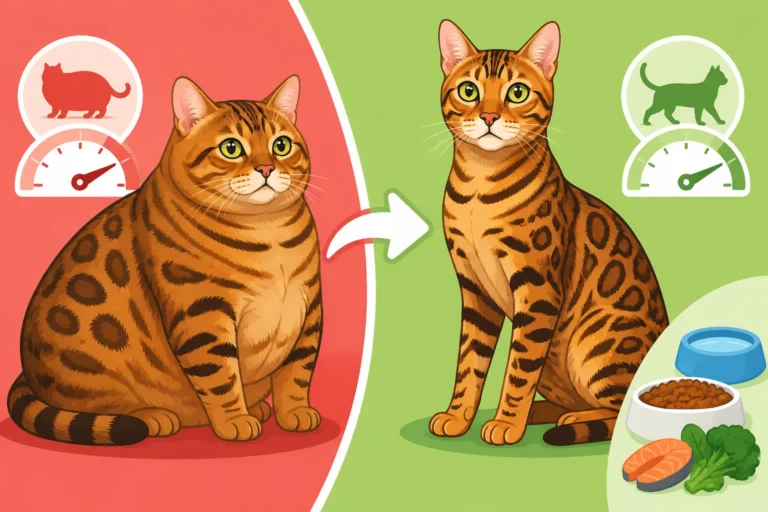
- Weight Management: Bengals are naturally lean, but it's still possible for them to become overweight if overfed, or underweight if their diet isn't providing enough calories for their high activity level. How Many Calories a Cat as Active as a Bengal Burns is higher than an average house cat, so ensure they are getting enough, but not too much. Regularly assess their body condition score to ensure they maintain a healthy weight. What a Healthy Bengal Cat Weighs depends on their individual size and build, but you should be able to easily feel their ribs without seeing them prominently, and they should have a discernible waist.
Adjustments might be necessary as your Bengal ages, or if their activity level changes. An older Bengal, for example, might not burn as many calories and could require slightly less food. A raw diet can be a fantastic way to nourish your Bengal cat, supporting their vitality, stunning appearance, and wild spirit for years to come. The journey might require some dedication, but seeing your Bengal thrive on a diet that truly aligns with their biological needs is incredibly rewarding.
Disclaimer
This article is for general informational purposes only and does not constitute professional advice. Laws, prices and regulations vary by location and change over time. Consult a qualified professional for guidance on your specific situation.