Whether a Bengal Cat Needs Taurine Supplements
It's easy to get caught up in the mystique of our magnificent Bengal cats, isn't it? With their wild looks and boundless energy, you might start wondering if their dietary needs are as unique as their personalities. A common question that pops up in discussions among Bengal owners is whether these active, sleek felines need special taurine supplements. It’s a valid concern, especially when you hear so much about specific dietary needs for different breeds. This guide will cut through the confusion, explaining precisely what taurine is, why it's a non-negotiable for all cats, and when a Bengal cat might – or might not – need an extra boost.
Understanding Taurine: Why It's Critical for Every Cat
Let's clear something up right from the start: when it comes to taurine, your Bengal cat isn't all that different from your average domestic shorthair. Taurine is an absolutely essential nutrient for all felines, regardless of their wild heritage or fancy spots. It's not just a nice-to-have; it's a life-or-death necessity. The confusion often stems from the Bengal's wild ancestry, leading owners to believe their needs might be more "wild." But for taurine, the fundamental biology of a cat remains constant.
The Essential Role of Taurine in Feline Health
Taurine isn't a protein, but an amino acid, and it plays an enormous number of roles in a cat's body. Unlike most other mammals, cats cannot produce enough taurine on their own to meet their physiological needs. This makes it an "essential" amino acid for them, meaning they must get it from their diet. Without adequate taurine, a cat's body simply cannot function correctly, and the consequences can be devastating.
Think of it as the invisible guardian for several critical systems. First and foremost, taurine is vital for heart health. A deficiency can lead to a condition called Dilated Cardiomyopathy (DCM), where the heart muscle weakens and enlarges, becoming inefficient at pumping blood. This is a serious, often fatal, condition that used to be far more common before the importance of taurine in cat diets was fully understood. Secondly, taurine is crucial for vision. It's highly concentrated in the retina of the eye, and without enough, a cat can suffer from feline central retinal degeneration, which can ultimately lead to irreversible blindness. Imagine your energetic Bengal suddenly struggling to navigate your home because their vision is failing – it's a heartbreaking prospect.
Beyond the heart and eyes, taurine supports healthy digestion by aiding in the formation of bile salts, which are necessary for fat digestion. It contributes to a robust immune system, helps with healthy reproduction (pregnant queens need ample taurine to ensure healthy kitten development), and even supports normal neurological function. So, when you're looking at your Bengal, remember that this single amino acid is silently working overtime to keep them vibrant and healthy. It's why every single bag or can of reputable cat food proudly boasts that it's "complete and balanced," and taurine is a huge part of that equation.
How Taurine Deficiency Manifests in Cats
The signs of taurine deficiency aren't always immediate or obvious, which makes it particularly insidious. It can take months, or even years, for symptoms to become apparent, by which time significant damage may have occurred. This is why prevention through a proper diet is so much easier and more effective than trying to reverse the effects of a deficiency.
The most recognized and severe consequence is Dilated Cardiomyopathy (DCM). If your Bengal is becoming lethargic, breathing rapidly or with difficulty, or suddenly collapsing, these could be signs of advanced heart disease. While there are many causes of heart issues, a taurine deficiency is a historically significant one. Regular vet check-ups are important, and if your vet hears a heart murmur or suspects an issue, they might recommend an echocardiogram. HCM Is What Kills Bengal Cats Early is a topic many Bengal owners are concerned about, and while HCM (Hypertrophic Cardiomyopathy) is a different genetic condition, taurine deficiency leading to DCM highlights just how delicate feline heart health can be.
Another devastating effect is vision impairment, specifically feline central retinal degeneration. Initially, your cat might have difficulty seeing in low light, bumping into things in dimmer areas. Over time, their pupils may become permanently dilated, and they could experience complete and irreversible blindness. For a cat as active and agile as a Bengal, losing their sight would profoundly impact their quality of life. Other less dramatic, but still concerning, signs of taurine deficiency can include poor growth rates in kittens, reproductive failures in breeding cats, and a general decline in immune function, leaving your Bengal more susceptible to infections. These are serious outcomes that underscore why we simply cannot afford to be lax about taurine in their diet.
The Bengal Cat and Taurine: Separating Fact from Fiction
It's completely understandable why Bengal owners might wonder if their cat's dietary needs are different. After all, they're not just "any" cat; they have a distinct lineage and often an incredibly high energy level. However, when it comes to essential nutrients like taurine, the biological reality of a domestic cat takes precedence over their exotic appearance or a distant wild ancestor.
Does a Bengal Cat's Wild Ancestry Change Taurine Needs?
This is where a lot of the confusion really stems from. The Bengal cat, of course, descends from the Asian Leopard Cat (ALC) and domestic cats. The ALC is a wild feline, and wild felines primarily eat whole prey, which is naturally rich in taurine from muscle meat, organs (especially the heart), and blood. So, it's a logical leap to think that perhaps a Bengal cat, being closer to its wild roots, might need more taurine or have different metabolic pathways.
However, once a cat reaches the "SBT" (Stud Book Tradition) generation – typically F4 and beyond – they are considered fully domestic by cat registries like TICA. While they retain that stunning wild look and often a vibrant personality, their physiology is, by and large, that of a domestic cat. The domestication process, even with a wild ancestor in their recent past, has a profound impact on diet and metabolism. Your Bengal cat is not out hunting and consuming whole prey animals. They are relying on you for a balanced diet. Therefore, their fundamental requirement for obtaining taurine from their food, because they can't synthesize enough themselves, is the same as any other domestic cat. The "wild ancestry" argument often applies more to behavior or activity levels, not to basic amino acid requirements. Feeding a Bengal Cat Four Generations From a Wild Ancestor delves deeper into understanding their nutritional background.
Their high activity levels, which are definitely a hallmark of the breed, might make you think they "burn through" nutrients faster. While an active Bengal certainly burns more calories than a sedentary cat, and thus needs more food to maintain What a Healthy Bengal Cat Weighs, this doesn't inherently mean they need a higher concentration of taurine in that food compared to what's recommended for a domestic cat. It means they need a sufficient amount of food that already contains the proper, essential level of taurine for their species. The focus should be on providing a complete and balanced diet, not necessarily on super-dosing them with extra nutrients unless there's a specific, identified deficiency.
When a Bengal Cat Might Need Taurine Supplements
While the general rule is that a complete and balanced commercial cat food provides sufficient taurine, there are specific situations where a Bengal cat might indeed need a taurine supplement. These aren't unique to Bengals but apply to any cat in similar circumstances. It's crucial to understand these scenarios, as they can be life-saving.
The most common reason a cat needs a taurine supplement is if they are being fed a home-prepared diet that isn't expertly formulated. Many well-meaning owners decide to cook meals for their cats or feed a raw diet, often because they want to avoid certain ingredients or feel it's healthier. The problem is that formulating a nutritionally complete and balanced diet for a cat is incredibly complex. Simply feeding muscle meat (like chicken breast) without including organs (especially heart), bones, and other vital components, will inevitably lead to deficiencies, including taurine. Chicken muscle meat, for instance, contains very little taurine, while chicken heart is a rich source. If you're going down the route of Whether a Raw Diet Suits a Bengal Cat's Gut, you absolutely must educate yourself deeply on ensuring nutritional completeness, and taurine will be a huge part of that.
Another scenario is if a Bengal cat has a specific health condition that affects nutrient absorption or metabolism. For instance, cats with chronic gastrointestinal issues or certain liver conditions might not be absorbing taurine efficiently from their food, even if the food itself contains adequate amounts. In such cases, your veterinarian might recommend supplementation as part of a broader treatment plan. Similarly, very old cats, or those on restrictive therapeutic diets for other ailments, might occasionally benefit from an extra boost if their dietary intake or absorption is compromised. However, this is always a conversation to have with your vet, not a decision to make on your own. It's never a bad idea to review Caring for a Bengal Cat Past Ten to understand how dietary needs can shift in their senior years.
Ensuring Adequate Taurine in Your Bengal Cat's Diet
Okay, so we know taurine is vital. Now, how do we make sure our magnificent Bengals are getting enough? The good news is, for most owners, it's simpler than you might think. The key lies in understanding what constitutes a truly balanced diet and being mindful of potential pitfalls.
Commercial Cat Foods: Your First Line of Defense
For the vast majority of Bengal cat owners, the easiest and most reliable way to ensure adequate taurine intake is through high-quality, commercially prepared cat food. Reputable manufacturers invest heavily in nutritional science to formulate diets that meet the specific needs of cats. When you pick up a bag of kibble or a can of wet food, look for a statement from the Association of American Feed Control Officials (AAFCO). This statement, usually found on the back of the packaging, will typically say something like: "[Product Name] is formulated to meet the nutritional levels established by the AAFCO Cat Food Nutrient Profiles for [life stage, e.g., 'all life stages' or 'adult maintenance']." This is your golden ticket!
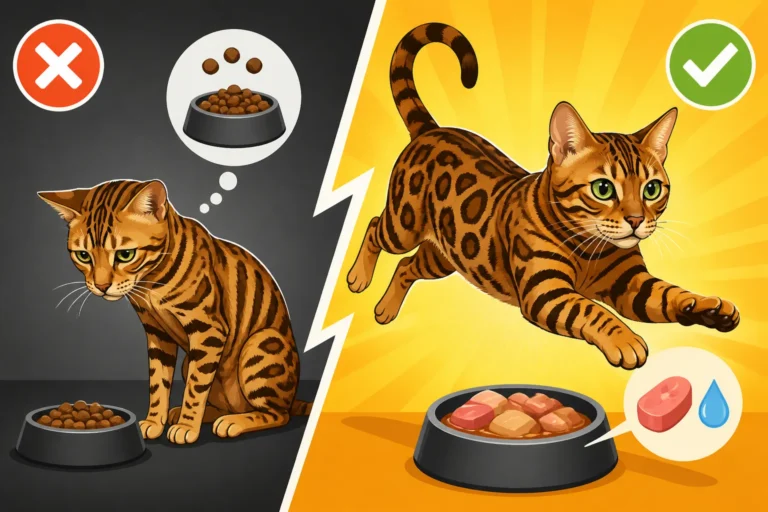
An AAFCO statement means the food has been scientifically formulated to contain all the essential nutrients, including sufficient taurine, in the correct proportions for a cat's health. Wet foods are often particularly good sources of taurine, as the processing methods typically preserve more of the naturally occurring taurine in the meat ingredients compared to some dry kibbles. Plus, wet food contributes to better hydration, which is a bonus for overall feline health. Many owners prefer wet food, or a mix of wet and dry, for their Bengals, particularly if they are very active and need the extra calories and moisture.
When shopping for cat food, whether it's at your local pet store or online, sites like Chewy and Amazon offer a wide array of options from reputable brands. You'll find many high-protein options suitable for active cats, which indirectly helps with taurine intake as meat is the primary source. Just make sure whatever you choose clearly states it's "complete and balanced" for cats. Don't be swayed by marketing jargon alone; the AAFCO statement is what truly matters.
The Risks of Unbalanced Home-Prepared Diets
This is arguably the biggest trap for taurine deficiency. As mentioned earlier, if you're preparing your Bengal's meals at home – whether cooked or raw – you are taking on a significant responsibility that requires deep knowledge of feline nutrition. Without a veterinary nutritionist's guidance or adherence to rigorously tested recipes, it's incredibly easy to create a diet that is deficient in taurine, alongside other crucial nutrients.
Imagine you decide to feed your Bengal a diet of boiled chicken and rice, thinking it's healthy. Chicken breast alone is not a complete diet for a cat. It's severely lacking in taurine, calcium, and many other vitamins and minerals. Your Bengal might seem fine for a while, but over time, deficiencies will build up, leading to serious health problems like DCM or retinal degeneration. Even raw feeders, despite often advocating for a “natural” diet, can fall into this trap if they don't meticulously balance muscle meat, organ meat (especially heart), bone, and supplements. Some commercial raw diets or fresh food services are designed by veterinary nutritionists to be complete, which can be a safer alternative if you want to explore non-kibble options. However, for a truly DIY approach, the risk of inadequacy is very high.
It's a common misconception that because cats are carnivores, simply feeding them "meat" is enough. It's not. They need specific types of meat and organs, in specific ratios, and often with additional supplementation to replicate what they would get from consuming an entire prey animal. The adage Why a Bengal Cat's Gut Is So Sensitive means they might experience loose stools if their diet isn't right, but a lack of taurine is a silent killer, not necessarily something that immediately presents as digestive upset.
When and How to Supplement Taurine (Under Vet Guidance)
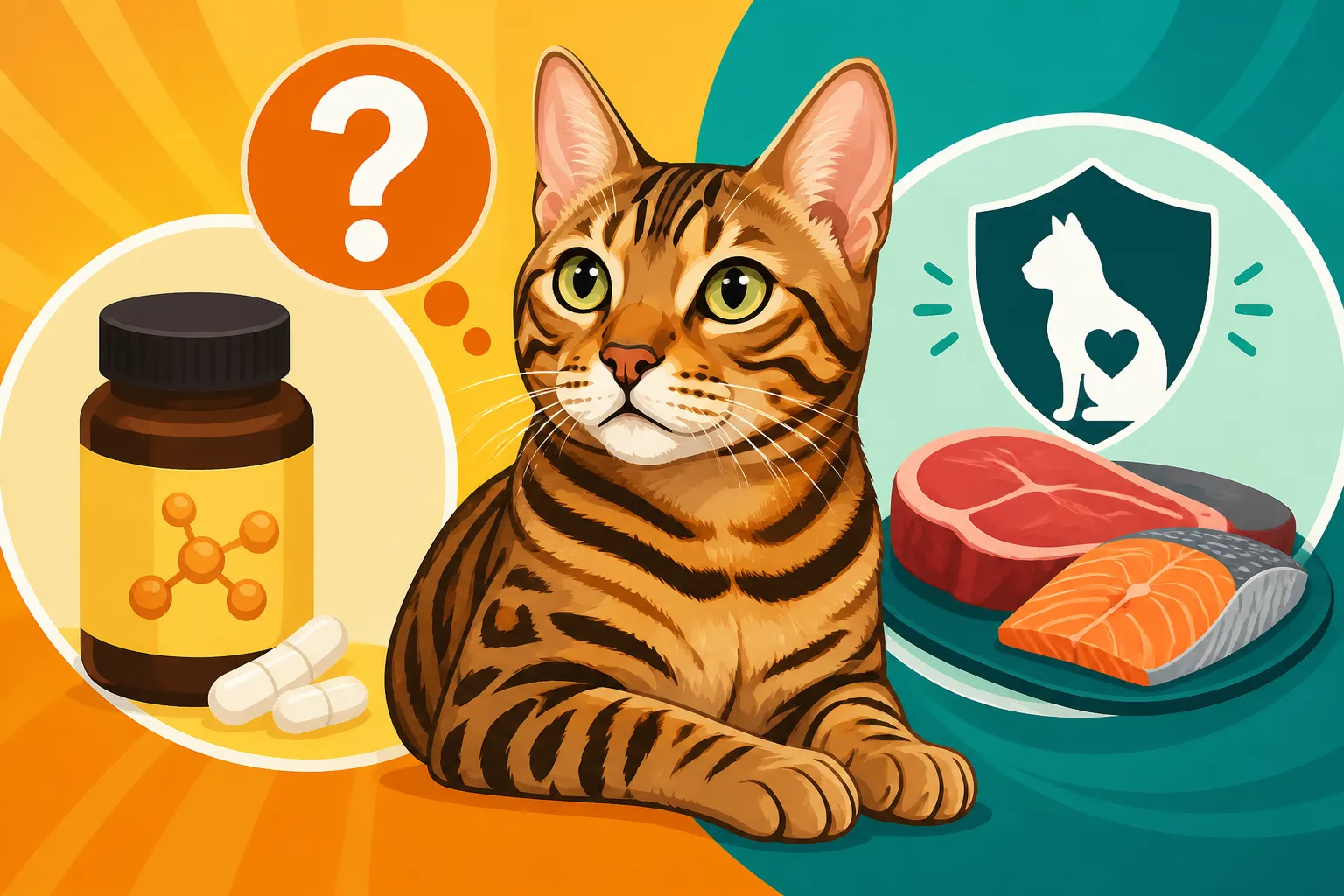
If, after consulting your veterinarian, it's determined that your Bengal cat genuinely needs a taurine supplement, it's important to do so correctly. The absolute golden rule here is: never supplement without veterinary advice. Self-diagnosing a deficiency or guessing at dosages can do more harm than good, even if taurine has a wide margin of safety.
Your vet might recommend a taurine supplement if your Bengal is on a home-prepared diet, has a diagnosed medical condition affecting taurine metabolism, or if they're showing early signs of a deficiency (though these are often hard to spot). Taurine supplements are readily available in powder or capsule form. The powdered form is often easier to administer, as it can be mixed directly into wet food.
As for dosage, this will be specific to your cat's needs and current diet, and your vet will provide precise instructions. Generally, cats excrete excess water-soluble vitamins and amino acids, so toxicity from too much taurine is rare. However, even if it's considered safe, unnecessary supplementation adds cost and doesn't provide any extra benefit if your cat is already getting enough. The goal is to meet, not necessarily exceed, their essential requirements. Always follow your vet's advice carefully to ensure your Bengal gets exactly what they need to thrive and avoid any of the serious health implications associated with deficiency. Knowing What a Bengal Cat Needs to Build Muscle is one thing, but ensuring the underlying amino acids for basic health are there is another.
Conclusion
So, does a Bengal cat need taurine supplements? For the vast majority of Bengal cats fed a high-quality, AAFCO-approved commercial diet, the answer is a resounding "no." These foods are specifically formulated to provide all the essential nutrients, including ample taurine, that your cat needs to stay healthy, active, and vibrant. Your Bengal's wild looks and energetic personality don't fundamentally alter their basic biological requirement for taurine compared to any other domestic feline.
However, if you're preparing your Bengal's meals at home, whether raw or cooked, it's a completely different story. Without expert nutritional guidance, it's alarmingly easy to create a diet deficient in this critical amino acid. In such cases, or if your vet identifies a specific health issue impacting taurine absorption, supplementation becomes not just recommended, but vital. Always consult your veterinarian before adding any supplements to your Bengal's diet to ensure their unique needs are met, safeguarding their heart, eyes, and overall well-being for a long and happy life.
Disclaimer
This article is for general informational purposes only and does not constitute professional advice. Laws, prices and regulations vary by location and change over time. Consult a qualified professional for guidance on your specific situation.