How an Aging Bengal Cat’s Rosettes Soften
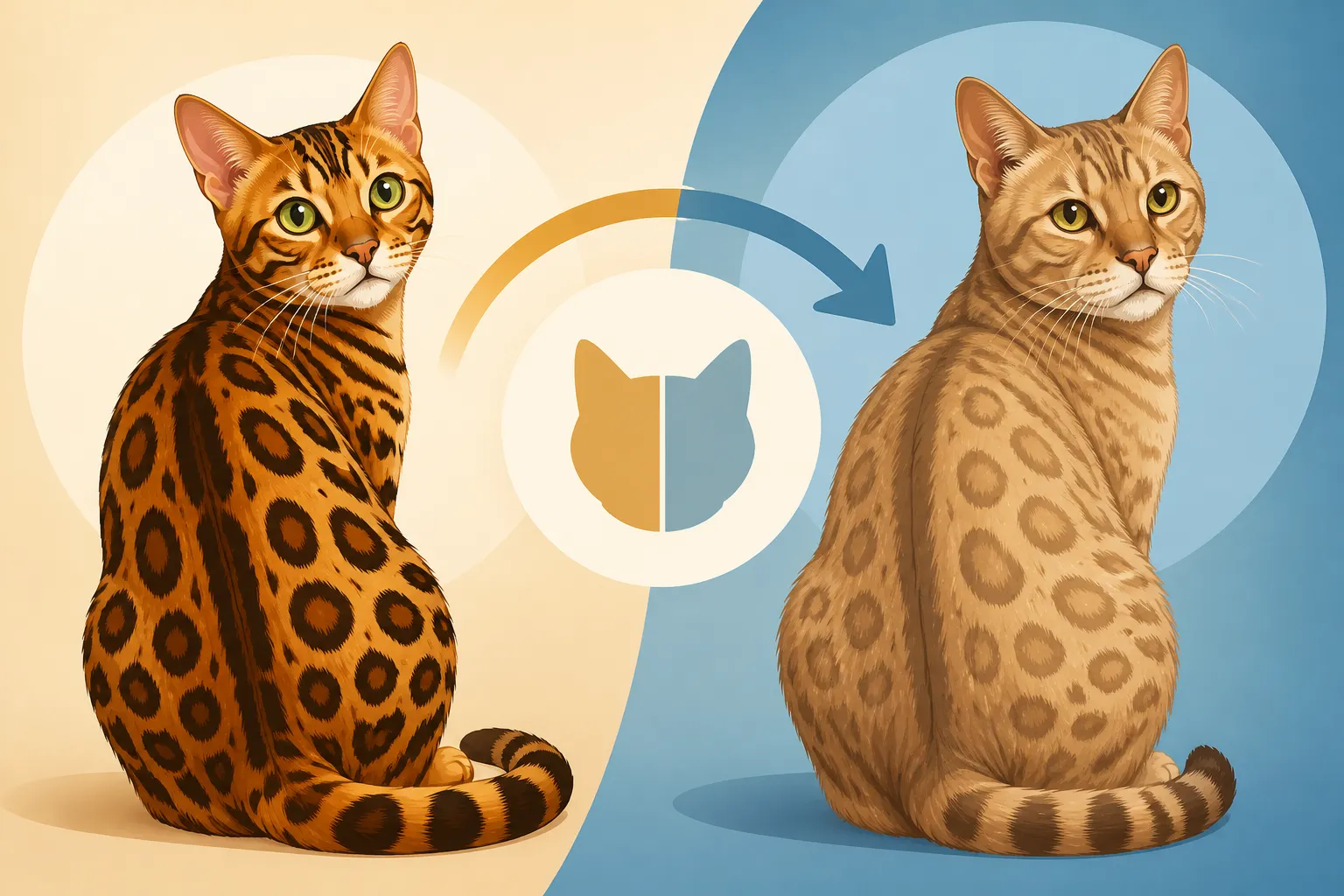
It's a curious thing, isn't it? You get so used to the vibrant, high-contrast markings that make your Bengal cat so striking, and then, as the years start to gather, you might notice a subtle shift. Those bold rosettes that once seemed painted on with such precision begin to soften, almost blurring at the edges. It’s not just your imagination; an aging Bengal cat's rosettes absolutely do soften, and it’s a natural part of their journey into their golden years. This guide will walk you through why this happens, what to expect, and how you can continue to care for your beloved senior companion’s magnificent coat.
The Signature Rosettes: A Hallmark of Youthful Bengal Beauty
When you first bring home a Bengal kitten, or even an adult, one of the first things that captures your eye is that incredible coat. It’s not just fur; it's a pelt, a smooth, short, and dense layer that feels almost like silk or velvet to the touch. And adorning this pelt are the rosettes – those distinct, wild-looking spots that mimic their ancestor, the Asian Leopard Cat. In their prime, a Bengal’s rosettes are sharp, clear, and possess a striking contrast against the background color. They can be paw-print, arrowhead, or even full donut shapes, each with a darker outline and a lighter, often reddish or golden, center. This distinctiveness is what makes the Bengal so unique and draws so many admirers.
Unpacking the Rosette: Structure and Definition
At its core, a rosette is a pattern formed by variations in the pigment production within individual hair follicles. Each hair shaft grows with a specific amount and type of melanin, creating the distinct colors and contrasts. A youthful Bengal cat’s coat exhibits a high degree of contrast, meaning there's a clear, almost stark difference between the dark markings and the lighter background color. This isn't just about color; it's about the optical illusion created by the translucent nature of the Bengal's hair shafts, which often have a "glitter" effect, making the coat appear to sparkle in the light. This glitter is truly unique and contributes to the overall dazzling appearance. You can learn more about What the Glitter Gene Does to a Bengal Cat. The precise lines and strong separation between colors are what give rosettes their crisp, well-defined look.
The Kitten 'Fuzzies' and the Emergence of Adult Pattern
It's actually quite common for Bengal kittens to go through a stage often referred to as "fuzzies." This is when their coat, typically between about three weeks and four months of age, appears duller, less defined, and almost cloudy. Those emerging rosettes might look muted, lacking the vibrant contrast you expect. This is a protective camouflage mechanism inherited from their wild ancestors, helping them blend into their surroundings when they are most vulnerable. As they mature, these fuzzies gradually disappear, and the stunning adult pattern, with its crisp rosettes and high contrast, finally comes through. So, while you might see a temporary softening in kittenhood, the true, sharp pattern defines their prime adult years. It's a journey from blurry baby fur to dazzling maturity, and then a gentle softening once again in their senior years.
The Subtle Transformation: Why Rosettes Soften Over Time
As your Bengal cat transitions from a vibrant adult into a wise senior, you'll likely notice changes not just in their activity levels, but also in their magnificent coat. The softening of rosettes isn't a sign of ill health, but rather a natural physiological process that comes with age. Just like our own hair might thin or go gray, a cat's coat undergoes its own transformations. This gentle blurring is a testament to the years of love and companionship you've shared.
Cellular Renewal and Pigment Production in Aging Coats
The primary reason for the softening of rosettes lies in the natural aging process at a cellular level. As a Bengal cat ages, the hair follicles, which are responsible for producing new hair and its pigment, become less efficient.
- Melanin Production Slows: Melanin is the pigment responsible for all hair color. With age, the melanocytes (the cells that produce melanin) can decrease in number or become less active. This means that new hairs growing in will have less pigment. This often manifests as the darker parts of the rosette becoming less intensely colored, or even lightening slightly.
- Hair Shaft Changes: The structure of the individual hair shafts can also change. They might become finer, or the outer layer (cuticle) may not reflect light in the same way, leading to a duller appearance. This loss of vibrancy can make the pattern appear less sharp.
- Collagen and Skin Elasticity: The skin itself loses some of its elasticity and collagen over time. While not directly affecting the hair's color, healthier, more supple skin provides a better foundation for healthy hair growth. A slight loss of skin tone could subtly affect how the hair lies and how the pattern is perceived.
Essentially, the biological machinery that creates those stunning, high-contrast patterns starts to wind down a bit. The precision of the "paint job" on each hair strand isn't quite as meticulous as it once was, leading to a softer, more blended look. This is a perfectly normal part of What Changes in a Bengal Cat After Ten.
Factors Beyond Biology: Environment and Lifestyle
While biological aging is the main driver, other factors can influence the appearance of your aging Bengal's coat, potentially accelerating or exacerbating the softening effect.
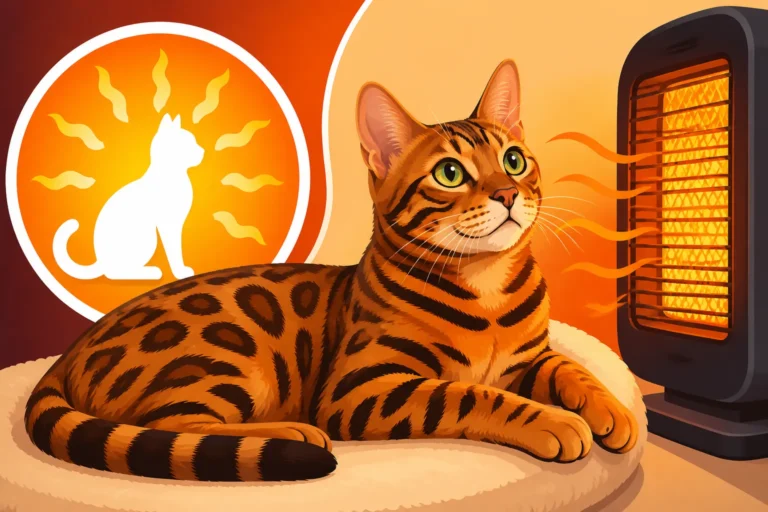
- Sun Exposure: Just like human hair, prolonged exposure to sunlight can bleach a cat's coat over time. If your senior Bengal enjoys basking in sunbeams, particularly if they have access to a catio or a sunny window, the darker pigments in their rosettes might fade more quickly, contributing to a softer look.
- Nutrition: While a good diet won't stop aging, a poor diet can certainly make a coat look dull and unhealthy at any age. As cats age, their nutritional needs can change. They might need different protein levels or supplements to maintain skin and coat health. A lack of essential fatty acids, for instance, can lead to a dry, brittle coat that appears less vibrant and less defined. Many senior-specific cat foods, available on platforms like Chewy or Amazon, are formulated with these changing needs in mind, often including omega fatty acids to support skin and coat.
- Overall Health: Underlying health conditions can also impact coat quality. Conditions that lead to poor circulation, malabsorption of nutrients, or chronic stress can all reflect in a duller, less defined coat. If you notice a sudden or dramatic change in your cat's coat quality, it's always best to consult your vet. This isn't necessarily about rosette softening, but about overall coat health which is related.
It's a combination of these intrinsic and extrinsic factors that contribute to the gradual, inevitable softening of those beautiful Bengal rosettes. It’s a gentle reminder of the passage of time, beautifully etched onto their wild-looking coat.
Witnessing the Change: What a Softened Rosette Looks Like
When we talk about an aging Bengal cat's rosettes softening, it's not a sudden, dramatic shift. It's a gradual, subtle process that unfolds over several years. You won't wake up one morning to a completely different cat, but rather notice little changes that accumulate. This softening is unique for each cat, reflecting their individual genetics and life experiences, but there are some common visual cues to look for.
From Crisp Edges to Gentle Blending
Imagine the distinct, almost painted-on look of a young Bengal's rosettes. The outlines are sharp, the contrast between the dark spots and the lighter inner color, and the background is stark. As your Bengal ages, this crispness begins to yield to a more gentle, diffused appearance.
- Blurred Outlines: The sharp edges of the rosettes may start to blur. Instead of a distinct line separating the dark outline from the lighter center or the background, the colors might bleed into each other more. It's like looking at an image that's slightly out of focus.
- Reduced Definition: The overall definition of the rosettes can lessen. What once looked like a clear "donut" or "arrowhead" might now appear more like a soft blotch or a less structured spot. The distinct shapes become less pronounced and harder to discern.
- Less "Pop": That vibrant "pop" that the rosettes had against the background color often diminishes. The high contrast that defines a young Bengal's coat naturally softens, making the pattern appear flatter or less dimensional. It's still beautiful, just different. This change is often seen alongside How an Aging Bengal Cat's Glitter Dulls, as both are related to changes in hair structure and pigment.
These changes are a natural part of the aging process, a beautiful tapestry woven by time on your cat's pelt.
The Interplay of Color, Contrast, and Coat Texture
The softening of rosettes isn't just about the edges; it's a holistic change involving several aspects of the coat:
- Fading Colors: The rich, dark browns or charcoals of the rosette outlines may lighten, becoming more muted or even a softer gray-brown. Similarly, the warmer, lighter centers of the rosettes might lose some of their golden or reddish hues, blending more with the background color. For snow Bengals, the seal points might become less distinct.
- Diminished Contrast: The most noticeable change is often the reduction in contrast. The dramatic difference between the dark patterns and the lighter background color decreases. This makes the overall coat appear more uniform in color, even though the patterns are still there. It's a mellowing of the vibrant palette they once had.
- Subtle Texture Shifts: While a Bengal's coat remains a "pelt" and is typically short and dense throughout its life, some aging cats might experience a slight change in texture. The hair might feel a tiny bit coarser or, conversely, even softer if the undercoat becomes less dense. This can subtly affect how light reflects off the coat, contributing to the perceived softening of the patterns. For information on the unique feel of their coat, check out Why a Bengal Cat's Coat Feels Like Nothing Else.
Here's a simplified look at how rosette appearance can change with age:
| Life Stage | Rosette Appearance | Contrast Level | Overall Impression |
|---|---|---|---|
| Kitten (Fuzzy) | Muted, cloudy, outlines indistinct | Low | Dull, blurred, "camouflaged" |
| Young Adult | Crisp, sharp outlines, distinct shapes (donut, paw) | High | Vibrant, bold, "painted-on" |
| Prime Adult | Very clear, high-definition, strong contrast | Very High | Striking, vivid, often "glittering" |
| Senior | Edges soften, blend, definition reduces, colors fade | Medium to Low | Mellow, gentle, more integrated with background |
It’s important to remember that these changes are normal. Your Bengal is still the magnificent creature you love, just with a slightly softer, more mature coat that tells the story of their years.
Supporting Your Senior Bengal's Coat Health
Even though the softening of rosettes is a natural part of aging, there's still plenty you can do to support your senior Bengal's overall health and keep their coat looking its best. Think of it less as fighting the inevitable, and more about enhancing their comfort and well-being as they gracefully age. Just as we adapt our own routines as we get older, our feline friends appreciate a little extra consideration in their golden years.
Nutritional Support for an Aging Skin and Coat
Nutrition plays a crucial role in maintaining skin and coat health at any age, but it becomes even more critical for senior cats. Their bodies process nutrients differently, and their dietary needs can shift.
- High-Quality Protein: While an aging cat might lose muscle mass (Why an Old Bengal Cat Loses Muscle First), they still need high-quality, easily digestible protein to support cellular repair and maintain lean body mass. This indirectly supports healthy hair growth. Look for senior-specific formulas that prioritize animal-based protein sources.
- Essential Fatty Acids: Omega-3 and Omega-6 fatty acids are incredibly beneficial for skin and coat health. They help keep the skin hydrated and supple, and the hair shiny and strong. Many senior cat foods are fortified with these, but you might also consider supplements like fish oil, readily available on Amazon or Chewy, after discussing it with your veterinarian. These can help maintain the natural sheen and integrity of the coat, even if the patterns soften.
- Vitamins and Antioxidants: A diet rich in vitamins (like A, E, and B complex) and antioxidants helps combat cellular damage from free radicals, which is a natural part of aging. These nutrients support overall cellular health, including that of the skin and hair follicles.
- Hydration: Ensure your senior Bengal always has access to fresh, clean water. Good hydration is fundamental for healthy skin and coat, as well as kidney function, which is especially important for older cats. A water fountain can encourage increased water intake, as many Bengals are drawn to running water.
By providing optimal nutrition, you're giving your Bengal the best possible internal support for a healthy, vibrant coat, even as time works its gentle magic on their rosettes.
Grooming and Wellness: More Than Just Aesthetics
While a Bengal cat needs almost no grooming compared to some long-haired breeds, senior cats can still benefit from a little extra attention to their coat and overall wellness routine.
- Gentle Brushing: Although their pelt doesn't typically mat, a gentle brushing a few times a week can help distribute natural skin oils, remove loose hairs, and stimulate circulation. This is also a wonderful bonding opportunity. Use a soft brush that won't irritate their potentially more sensitive skin. It also helps you spot any new lumps, bumps, or skin issues that might arise with age.
- Regular Vet Check-ups: Consistent veterinary care is paramount for senior Bengals. Regular check-ups can help catch any underlying health issues early that might be impacting their coat or overall well-being. Your vet can advise on diet changes, supplements, or medical interventions if necessary. As your cat ages, the focus shifts to maintaining comfort and quality of life. For more on senior care, consider reading Caring for a Bengal Cat Past Ten.
- Comfort and Stress Reduction: A happy, low-stress environment contributes to overall health, which in turn reflects in a healthier coat. Ensure your senior Bengal has comfortable, easily accessible sleeping spots, a consistent routine, and plenty of quiet time. Reduced stress helps maintain a strong immune system and healthy bodily functions.
- Monitor for Other Changes: While rosette softening is normal, be vigilant for other coat changes that might signal a problem, such as excessive shedding, dry or flaky skin, dullness (beyond just softening of pattern), or bald patches. These could indicate nutritional deficiencies, parasites, allergies, or other medical conditions that require veterinary attention. For general health insights, What a Healthy Bengal Cat Weighs can offer a baseline.
Embracing the changes in your aging Bengal's rosettes is part of appreciating their entire lifespan. They remain beautiful, charismatic companions, and with a little extra care and attention, their coats can continue to reflect their inner vitality for many years to come.
Disclaimer
This article is for general informational purposes only and does not constitute professional advice. Laws, prices and regulations vary by location and change over time. Consult a qualified professional for guidance on your specific situation.