Whether an Aging Bengal Cat Needs Less Protein
It’s a natural worry for any dedicated Bengal cat parent: as our energetic, wild-at-heart companions start to slow down a little, we question everything about their care. One of the biggest dilemmas, often whispered among cat owners and even sometimes implied by older veterinary advice, is whether an aging Bengal cat needs less protein in their diet. This guide is here to unravel that mystery, offering clarity and practical advice on how to best nourish your senior spotted friend.
The Evolving Dietary Needs of Your Senior Bengal Cat
Watching your once-boundless Bengal transition into their senior years can be bittersweet. They might not be scaling the highest cat tree with the same lightning speed, or demanding quite as many marathon play sessions. This shift in activity, often observed around The Age a Bengal Cat Is Considered Senior, naturally leads us to ponder if their dietary needs are still the same. And the truth is, while some things remain constant, other aspects definitely evolve.
What Changes as a Bengal Cat Ages?
As a Bengal cat ages, just like us, their body undergoes several physiological changes. Their metabolism might slow down, meaning they don't burn calories with the same ferocious efficiency they once did. You might notice they sleep a bit more, and their bursts of playful energy, while still present, might be shorter. Whether an Aging Bengal Cat Slows Down is a common observation. Internally, organ function can start to become less robust. Their digestive system might not absorb nutrients as effectively, and their immune system could use a little extra support. Perhaps most notably for a Bengal, who are naturally lean and muscular, is the potential for muscle mass loss, a condition known as sarcopenia. This isn't just about appearance; muscle mass is crucial for mobility, strength, and overall vitality.
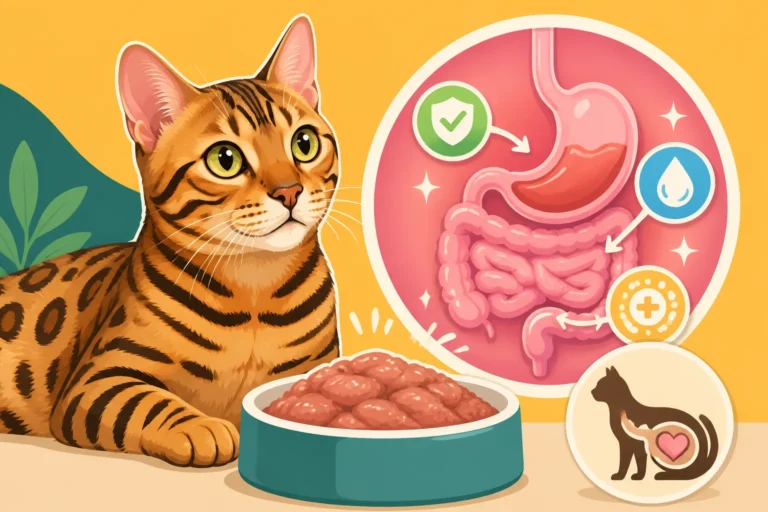
Their teeth might not be as strong, or they might develop dental issues that make crunchy kibble less appealing. Their sense of smell and taste can also diminish, which can make them pickier eaters, a frustrating scenario when you're trying to ensure they get all their essential nutrients. It's a cascade of subtle shifts that, when combined, necessitates a thoughtful approach to their diet.
Why Their Nutritional Requirements Shift
Because of these internal and external changes, a senior Bengal cat's nutritional requirements do indeed shift, but not always in the way many people assume. The goal isn't necessarily to reduce everything, but rather to optimize the quality and balance of nutrients to support their aging body. For instance, while their caloric needs might decrease slightly due to reduced activity, their need for highly digestible nutrients, particularly certain vitamins and minerals, can actually increase. They need specific support to maintain their lean body mass, keep their joints comfortable, and bolster their immune system.
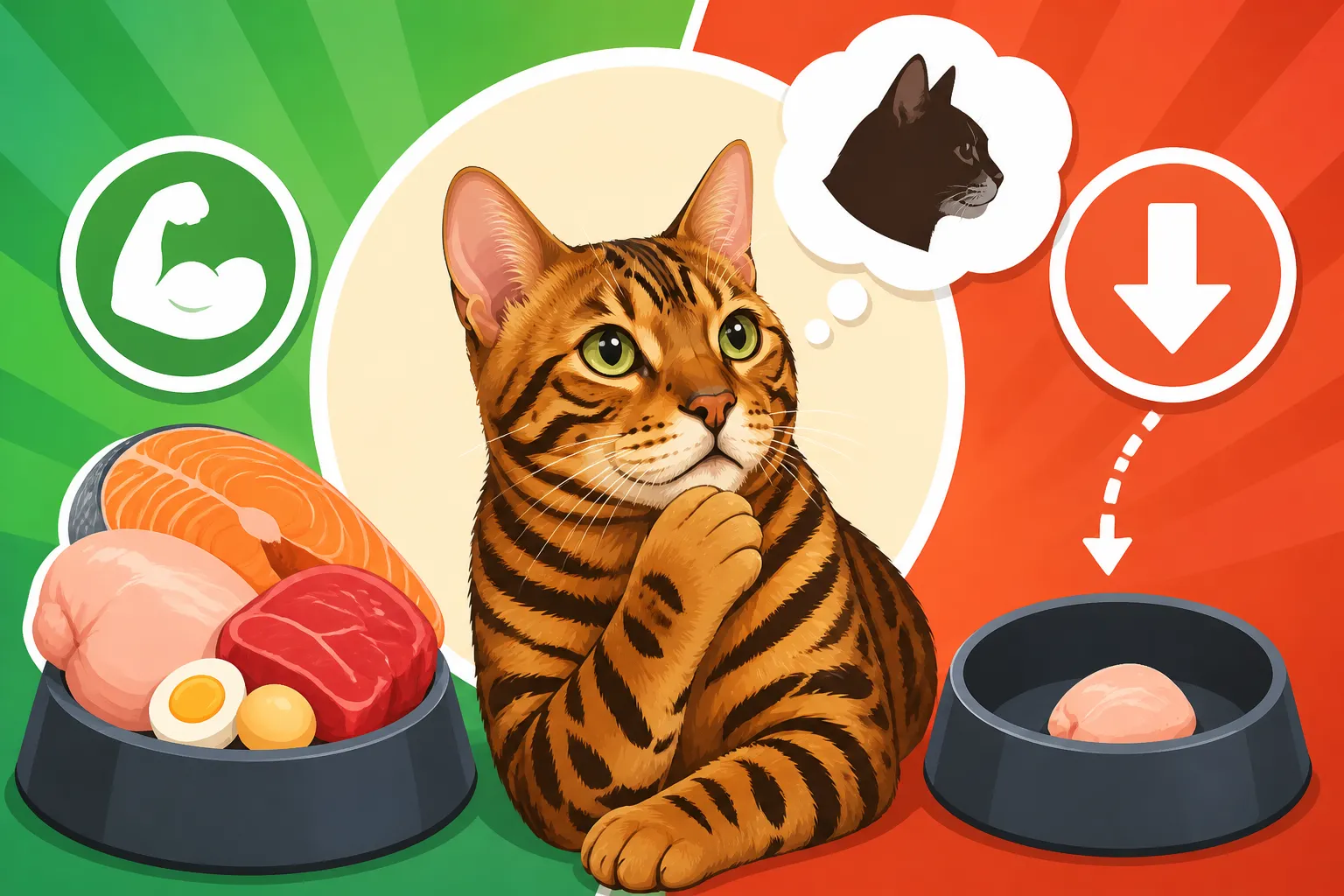
One of the biggest misconceptions often revolves around protein. Many owners, with the best intentions, might be tempted to switch to a lower protein food, believing it's gentler on aging kidneys. However, for most healthy senior Bengals, this could be detrimental. Their bodies actually need a substantial amount of high-quality protein to counteract muscle wastage and maintain strength, which is vital for their continued agility, even in their golden years. Caring for a Bengal Cat Past Ten involves a holistic approach, and diet plays a central role.
Protein: The Crucial Nutrient for Senior Bengals
When we talk about a Bengal cat's diet, protein is always a hot topic, regardless of age. But for our senior leopards, it becomes even more critical. Their wild ancestry means they are naturally athletic and lean, and maintaining that muscle tone as they age is paramount for their quality of life.
Why Protein Remains Paramount for Muscle Mass
Think about your Bengal's physique – sleek, powerful, and agile. This is due to their incredible musculature. As cats age, they are prone to losing muscle mass. This isn't just a cosmetic change; it directly impacts their strength, balance, and ability to perform everyday activities like jumping onto their favorite perch or even using the litter box comfortably. High-quality protein provides the essential amino acids necessary for repairing and building muscle tissue. Without enough of it, their bodies will start to break down existing muscle to meet these needs, leading to further weakness. This is why Why an Old Bengal Cat Loses Muscle First is such a critical concern for older felines.
Moreover, protein isn't just for muscles. It's vital for a healthy immune system, hormone production, and even the quality of their glorious pelt. For a senior Bengal, whose immune system might be a bit less robust, a steady supply of high-quality protein helps them fight off illness and recover more effectively. So, rather than reducing protein, we should be focused on ensuring they receive adequate amounts of easily digestible, high-biological-value protein to support their continued vitality.
The Dangers of Insufficient Protein Intake in Older Cats
Undereating protein in their golden years can lead to a host of problems for your Bengal. Beyond the obvious muscle loss, you might see a general decline in their energy levels, which can be mistakenly attributed solely to age rather than diet. They might become weaker, making falls or injuries more likely. Their coats might lose their signature shine and become duller, and their skin health can suffer. You might also notice a decreased appetite overall, as their body struggles to get what it needs from inadequate food, potentially leading to a vicious cycle of weight loss and further muscle wasting.
A significant risk is a weakened immune system. Proteins are the building blocks for antibodies and other immune components. If your senior Bengal isn't getting enough, they become more susceptible to infections and illnesses. This can lead to more frequent vet visits and a lower quality of life. It’s a common challenge to keep tabs on What a Healthy Bengal Cat Weighs as they age, and protein plays a massive role in maintaining that healthy weight and muscle condition. It’s about ensuring they thrive, not just survive, through their senior years.
Debunking the Myth: Why Less Protein Isn't Always Better
This notion that older cats, and especially those with a wild heritage like Bengals, should automatically be on a low-protein diet is surprisingly persistent. It’s a myth that has caused a lot of well-meaning pet parents to inadvertently compromise their senior cat’s health. Let's clear the air.
The Historical Misconception About Protein and Kidneys
The origin of the low-protein diet recommendation for senior cats stems from an outdated understanding of kidney disease. For many years, the veterinary community believed that reducing protein intake would lessen the workload on the kidneys and slow the progression of kidney disease. The thinking was that protein metabolism produced waste products that the kidneys had to filter, so less protein meant less work for compromised kidneys. This made logical sense on paper, and low-protein prescription diets became standard.
However, more recent research has challenged this long-held belief, particularly for cats. What we now understand is that while excessive phosphorus (often found in high-protein ingredients like bone meal) can be detrimental to kidneys, high-quality protein itself, in appropriate amounts, is generally not. In fact, severe protein restriction can be counterproductive for senior cats who are already at risk of muscle wasting. It turns out that maintaining muscle mass through adequate protein intake is crucial for overall health, including supporting kidney function indirectly by keeping the cat strong and healthy. The key isn't less protein, but the right kind of protein, and managing phosphorus levels.
When (and If) Protein Restriction is Actually Necessary
So, when is protein restriction necessary for a senior Bengal? The answer is specific to individual health conditions, not simply age. A low-protein diet is primarily indicated for cats diagnosed with advanced kidney disease, where blood tests show elevated waste products and significant impairment of kidney function. Even then, the focus has shifted towards moderate protein restriction using highly digestible proteins, rather than severe restriction, to balance kidney support with the prevention of muscle loss.
It's absolutely vital that protein restriction is only implemented under the direct guidance of your veterinarian, based on specific diagnostic tests. Never self-diagnose or change your cat's diet to a low-protein option without professional advice. For the vast majority of healthy senior Bengals, maintaining a diet rich in high-quality protein is far more beneficial than restricting it. Regular check-ups and What a Bengal Cat's Yearly Bloodwork Should Cover will help your vet determine if and when any dietary changes, including protein levels, are medically necessary. If your vet does recommend a special kidney diet, they’ll typically prescribe a specific therapeutic food designed to meet those needs precisely.
Tailoring a Diet for Your Wise Old Bengal
Once you understand that healthy senior Bengals generally don't need less protein, the next step is figuring out how to provide them with the best nutrition possible. It's about looking at the whole picture, not just one macronutrient.
Key Considerations Beyond Just Protein Content
When selecting food for your aging Bengal, think quality over quantity and digestibility. The protein source matters immensely. Look for animal-based proteins as the first few ingredients, like chicken, turkey, salmon, or beef. These are rich in the essential amino acids cats need. But beyond protein, consider these factors:
- Digestibility: As mentioned, older cats might not absorb nutrients as well. Look for ingredients that are highly digestible. This often means less filler and more whole, recognizable components. Many premium brands, available on sites like Chewy or Amazon, offer senior-specific formulas designed with this in mind.
- Phosphorus Levels: Even if full protein restriction isn't needed, managing phosphorus is important for kidney health. Many senior cat foods naturally have controlled phosphorus levels. If your cat has early kidney issues, your vet might recommend a diet with a slightly lower, but still adequate, phosphorus content.
- Fat Content: While protein is crucial, healthy fats provide energy and support skin and coat health. However, if your senior Bengal is less active, their overall caloric needs might be lower. Balance is key to prevent Whether a Bengal Cat Gets Fat, which can lead to other health issues.
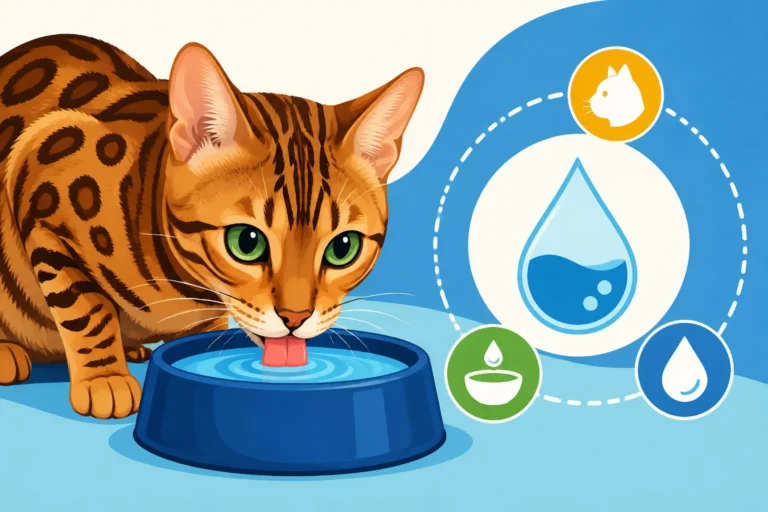
- Hydration: Senior cats, especially those with any degree of kidney changes, greatly benefit from increased hydration. This makes wet food an excellent choice, as it provides a significant amount of moisture. Even if you feed kibble, consider adding water or broth, or offering a separate water fountain to encourage drinking.
- Omega-3 Fatty Acids: These are anti-inflammatory and can support joint health, cognitive function, and skin and coat condition. Many senior formulas include them, or you can discuss supplements with your vet.
- Fiber: A moderate amount of fiber can help with digestive regularity, which can sometimes become an issue in older cats.
Practical Tips for Feeding Your Senior Bengal
Making mealtime enjoyable and beneficial for your senior Bengal involves more than just picking the right bag or can of food. It's about how you feed them, too.
- Smaller, More Frequent Meals: Instead of two large meals, consider offering three or four smaller meals throughout the day. This can be easier on their digestive system and help maintain stable energy levels. Automated feeders can be a lifesaver for this, and you can find a good selection on Amazon.
- Warm it Up: If your Bengal is becoming finicky, gently warming their wet food to body temperature can enhance its aroma and palatability, making it more appealing. Just be sure it’s not too hot!
- Accessibility: Ensure their food and water bowls are easily accessible. As Whether an Aging Bengal Cat Gets Stiff is a possibility, jumping up to a high counter or bending down awkwardly might become uncomfortable. Elevated bowls or placing them on the floor in a quiet, undisturbed spot can help.
- Variety (with caution): While cats are creatures of habit, some senior Bengals appreciate a little variety if they become less interested in their usual fare. If introducing a new food, do so gradually over several days to avoid stomach upset. For fresh food options, tailored meal plans might suit a picky senior.
- Monitor Intake: Keep a close eye on how much your Bengal is actually eating. A sudden decrease in appetite is always a red flag and warrants a vet visit. They might be How a Bengal Cat Hides Pain, or dealing with an underlying medical issue.
- Dental Health: If dental issues are making eating painful, speak to your vet about dental cleanings or managing discomfort. Softening kibble with warm water can also help in the short term.
Ultimately, feeding your aging Bengal is about providing consistent, high-quality, and species-appropriate nutrition, with a strong emphasis on maintaining their lean muscle mass. This thoughtful approach will contribute significantly to their continued happiness and zest for life, even as they enjoy their well-deserved golden years.
| Aspect | Young/Adult Bengal Cat Dietary Needs | Healthy Senior Bengal Cat Dietary Needs | Bengal Cat with Advanced Kidney Disease Dietary Needs (Vet-Prescribed) |
|---|---|---|---|
| Protein Level | High (around 30-45% dry matter) | High (around 30-40% dry matter, highly digestible) | Moderate (controlled, highly digestible, often lower than healthy seniors) |
| Protein Source | Animal-based, varied | High-quality, animal-based, easily digestible | High-quality, animal-based, to minimize waste products |
| Phosphorus | Normal levels | Controlled levels (often slightly lower than adult food) | Restricted levels |
| Hydration | Important, often from wet food/water fountain | Crucial, highly recommend wet food or added water | Critical for kidney function, usually high moisture wet food |
| Caloric Density | High, to fuel activity (How Many Calories a Cat as Active as a Bengal Burns) | May be slightly lower due to reduced activity, but nutrient-dense | Balanced to prevent weight loss, often high-calorie for small portions |
| Digestibility | Good | Excellent, to ensure nutrient absorption | Excellent, to reduce metabolic burden |
| Supplements | Often not needed | May benefit from Omega-3s, joint support (vet-advised) | Specific supplements for kidney support (vet-prescribed) |
| Meal Frequency | 2-3 meals/day | 3-4 smaller meals/day, easier on digestion | Often smaller, more frequent meals to encourage eating |
Disclaimer
This article is for general informational purposes only and does not constitute professional advice. Laws, prices and regulations vary by location and change over time. Consult a qualified professional for guidance on your specific situation.