The Twelve to Sixteen Years a Bengal Cat Gets
It's heartbreaking to imagine our vibrant Bengal cats slowing down, let alone facing a shorter life than we hope for. We bring these beautiful, energetic creatures into our homes, falling in love with their wild looks and playful antics, and naturally, we want them with us for as long as possible. The truth is, while Bengal cats are generally a healthy breed, their lifespan can vary, and understanding the factors that contribute to their longevity is key to giving them the best possible chance at a full, happy life. This comprehensive guide will walk you through everything you need to know about the Bengal cat lifespan, from average years to essential care tips that can help your spotted companion thrive well into their senior years.
Understanding the Average Bengal Cat Lifespan
When you welcome a Bengal into your family, you're not just getting a pet; you're gaining a dynamic, intelligent, and often vocal companion. Naturally, one of the first questions on many new owners' minds is, "How long will I have with this incredible cat?" It's a valid concern, and thankfully, Bengal cats often enjoy a robust lifespan, typically falling within the range of domestic felines.
What the Statistics Say About Bengal Lifespan
On average, a well-cared-for Bengal cat can live anywhere from 12 to 16 years. This places them comfortably within the general lifespan of most domestic cat breeds. It's not uncommon to hear stories of Bengals reaching 17, 18, or even 20 years with exceptional care, a testament to their inherent resilience and the dedication of their owners. However, it's crucial to remember that these are averages, and individual experiences can differ widely. Just like humans, some cats are simply predisposed to live longer, while others might face unforeseen health challenges.
The early generations (F1-F3) of Bengal cats, being closer to their wild Asian Leopard Cat ancestors, sometimes exhibit even greater hardiness, though this can come with unique behavioral traits that require specialized handling. However, most Bengals in pet homes are SBT (Stud Book Traditional) or later generations, which means they are fully domesticated and their lifespan is comparable to other beloved housecats. You can read more about How Long a Bengal Cat Lives on Average to get a broader perspective on general feline longevity statistics.
Factors Influencing Longevity
Several key factors play a monumental role in determining how long your Bengal cat will grace your life with their presence. It's a combination of genetics, environment, diet, and the quality of veterinary care they receive throughout their lives. You can't change their genetics once they're born, but you have immense control over the other aspects.
For instance, a Bengal cat kept exclusively indoors, away from the dangers of traffic, predators, and infectious diseases, is statistically likely to live longer than one allowed to roam freely outdoors. Similarly, a cat fed a high-quality, species-appropriate diet and maintained at a healthy weight will put less strain on its organs and joints, potentially extending its active years. Environmental enrichment, which addresses their unique activity levels, also reduces stress and boredom, which can have surprising long-term health benefits. It's truly a holistic approach that maximizes their chances for a long, vibrant existence.
The Ideal Scenario: Reaching Sixteen Years and Beyond
Imagine your Bengal cat, still spry and playful, chasing a laser pointer at 16 years old. While some slowing down is inevitable, reaching the upper end of their expected lifespan, or even surpassing it, is a realistic goal for many Bengal owners. This "ideal scenario" isn't just about luck; it's about consistent, dedicated care from day one. It means being proactive about their health, understanding their unique needs as a breed, and being attuned to subtle changes that might indicate a problem.
An ideal scenario includes routine veterinary check-ups, prompt attention to any health concerns, a diet tailored to their high energy and protein needs, and an environment that caters to their intelligent and active nature. Think about providing plenty of vertical space, interactive toys, and potentially a secure outdoor enclosure, often called a catio. These elements contribute not only to their physical well-being but also to their mental health, preventing boredom and destructive behaviors that can sometimes stem from frustration.
Common Health Challenges and Their Impact on Lifespan
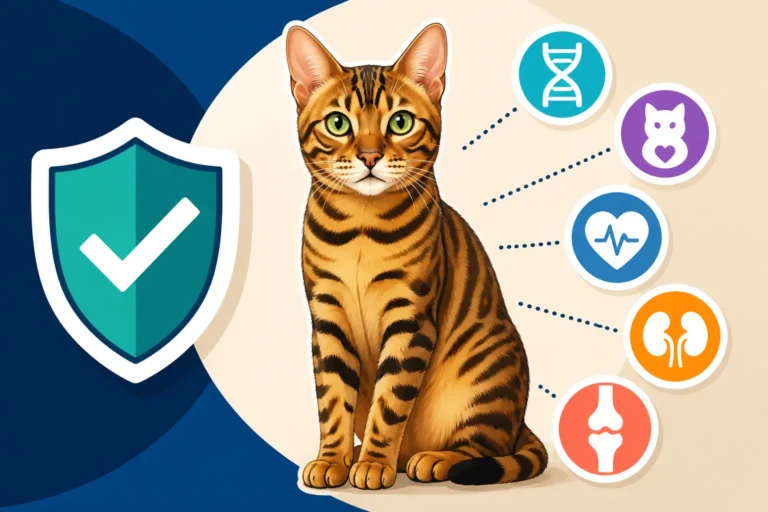
While Bengals are generally considered a hardy breed, like all purebreds, they can be predisposed to certain genetic conditions and health issues. Being aware of these potential challenges is the first step in early detection and management, which can significantly impact their quality of life and longevity.
Genetic Predispositions in Bengal Cats
One of the most concerning aspects for any responsible Bengal owner is the possibility of inherited diseases. Thankfully, reputable breeders actively screen for these conditions, but it's vital for owners to understand what to look for and what preventative measures are available.
One such condition is Progressive Retinal Atrophy (PRA-b). This is a recessive genetic disease that causes the gradual degeneration of the retina, leading to blindness. Unfortunately, there is no cure, and it can significantly impact a Bengal's quality of life. An affected Bengal will eventually go blind, often by the age of two, which is devastating for both cat and owner. However, early genetic testing by breeders means that responsible breeding practices can largely eliminate this disease. If you're considering a Bengal kitten, always ask about the parents' PRA-b test results. You can learn more about What PRA-b Does to a Bengal Cat's Sight and how genetic testing works.
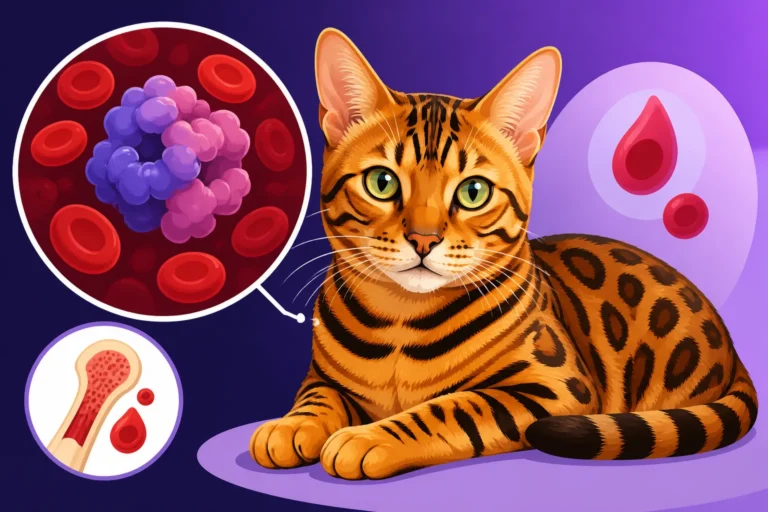
Another genetic condition is Pyruvate Kinase Deficiency (PK Deficiency). This is an inherited metabolic disorder that affects red blood cells, leading to a form of anemia. Cats with PK Deficiency might experience intermittent lethargy, weakness, pale gums, and sometimes an enlarged spleen. While the disease can be managed, it can shorten a Bengal's lifespan and requires ongoing veterinary care. Like PRA-b, there's a DNA test available, allowing breeders to ensure they are not mating carriers who could produce affected kittens. Understanding What PK Deficiency Does to a Bengal Cat is crucial for recognizing symptoms and advocating for your cat's health.
Perhaps the most significant health concern in Bengal cats, and indeed many cat breeds, is Hypertrophic Cardiomyopathy (HCM). This is a heart disease characterized by the thickening of the heart muscle, making it harder for the heart to pump blood effectively. HCM can lead to heart failure, blood clots, and sudden death. Unlike PRA-b or PK Deficiency, there isn't a reliable gene test for HCM in Bengals, which makes screening via regular echocardiograms (heart ultrasounds) absolutely essential. Reputable breeders will have their breeding cats scanned annually by a board-certified veterinary cardiologist. A positive diagnosis of HCM is what unfortunately HCM Is What Kills Bengal Cats Early in some cases, highlighting the importance of regular screening and understanding the signs of Signs a Bengal Cat Has Heart Disease.
Gastrointestinal Sensitivities and Their Impact
Bengal cats are renowned for their sensitive digestive systems. It's a common complaint among owners that their Bengal frequently experiences loose stools or chronic diarrhea. This isn't just an inconvenience; persistent gastrointestinal issues can lead to poor nutrient absorption, weight loss, dehydration, and can be a sign of underlying problems that, if left unaddressed, can impact their long-term health and vitality.
One common culprit behind chronic diarrhea in Bengal cats is a protozoan parasite called Tritrichomonas foetus. This persistent infection can be incredibly frustrating to treat and can linger for months or even years. Another common intestinal parasite that can cause digestive upset is Giardia. Both require specific diagnostic tests and medications to resolve. If your Bengal cat suffers from Chronic Diarrhea Is the Bengal Cat Complaint Nobody Warns About, seeking prompt veterinary attention is crucial to identify the cause and initiate appropriate treatment. Sometimes, dietary sensitivities or inflammatory bowel disease (IBD) can also be at play, requiring specialized diets or medication.
Other Health Concerns to Be Aware Of
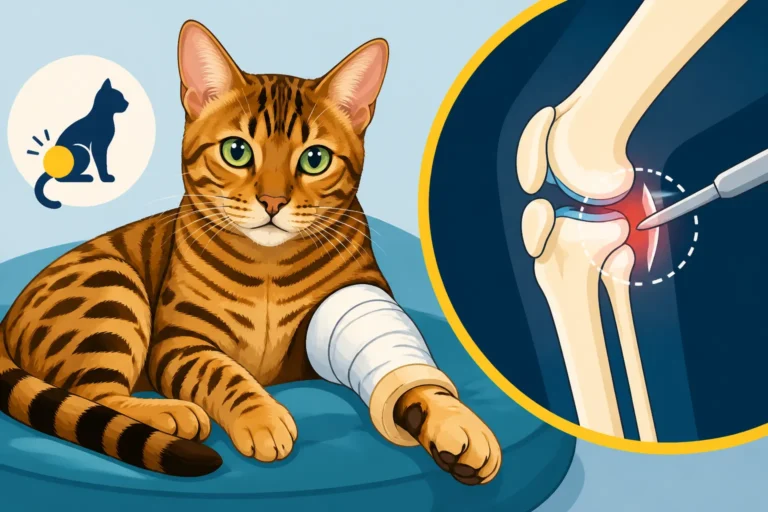
Beyond genetic predispositions and gut issues, Bengal cats can, of course, suffer from any ailment that affects domestic cats. However, their active nature and sometimes adventurous spirit might make them prone to certain types of injuries.
Dental Disease is often overlooked but can have profound effects on a cat's overall health. Plaque and tartar buildup can lead to gingivitis and periodontal disease, causing pain, difficulty eating, and bacterial infections that can spread to other organs like the heart, kidneys, and liver. Regular dental care, including brushing (if your Bengal tolerates it!) and professional cleanings under anesthesia, is vital.
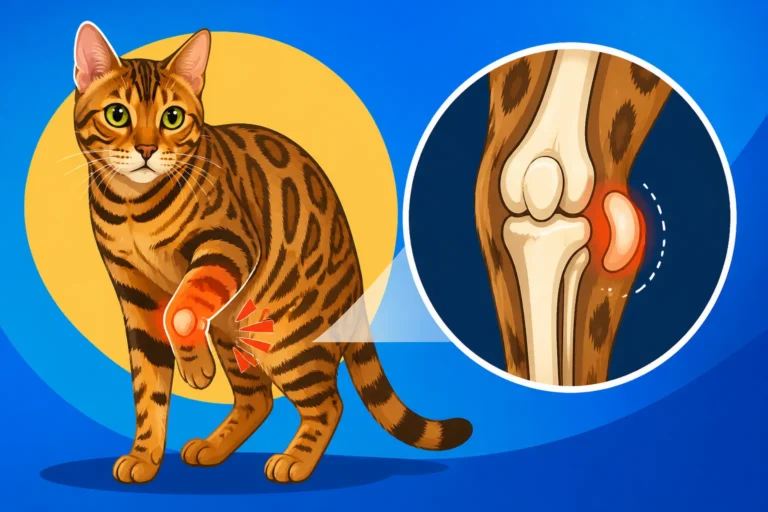
As Bengals age, they can also develop common senior cat issues such as Kidney Disease, Arthritis, or Hyperthyroidism. Keeping an eye on changes in appetite, thirst, urination, mobility, or energy levels is crucial for early detection. With timely intervention and appropriate management, many of these conditions can be controlled, allowing your Bengal to maintain a good quality of life for many additional years. Regular check-ups become even more important as your Bengal transitions into their senior years, which typically begins around the age of ten. You can read more about Caring for a Bengal Cat Past Ten for specific advice on senior care.
The Critical Role of Veterinary Care and Preventative Measures
It cannot be stressed enough: consistent and high-quality veterinary care is the cornerstone of a long and healthy life for your Bengal cat. This isn't just about reactive treatment when something goes wrong; it's fundamentally about proactive prevention and early detection.
Regular Check-ups and Early Detection
Imagine trying to navigate a complex roadmap without ever checking your location. That's essentially what you're doing if you skip annual vet visits. For Bengal cats, these yearly check-ups, and semi-annual visits for seniors, are absolutely non-negotiable. During these appointments, your veterinarian can perform a thorough physical examination, checking everything from their teeth and gums to their heart and lungs. They'll assess their weight, coat condition, and overall demeanor, looking for any subtle signs that might indicate an underlying health issue.
Early detection of diseases like dental problems, early kidney disease, or even the subtle onset of heart issues can make an enormous difference in treatment outcomes. For instance, catching kidney disease in its initial stages allows for dietary changes and medication that can significantly slow its progression, buying your Bengal precious extra years. Don't wait until your Bengal is visibly sick; by then, a condition might be much more advanced and harder to manage.
Vaccinations and Parasite Control
Keeping your Bengal cat up-to-date on vaccinations and regular parasite control is another foundational element of preventative care. Even if your Bengal is an indoor-only cat, certain airborne viruses can still find their way into your home. Core vaccinations typically include protection against Feline Panleukopenia (distemper), Feline Viral Rhinotracheitis (herpesvirus), and Feline Calicivirus. Depending on your lifestyle and your Bengal's potential exposure, your vet might also recommend the Feline Leukemia Virus (FeLV) vaccine, especially if your cat has any outdoor access, even supervised, or lives with other cats whose statuses are unknown.
Beyond vaccinations, consistent parasite control is vital. This includes regular deworming for internal parasites like roundworms and hookworms, as well as flea and tick prevention. Even indoor cats can get fleas, often brought in by other pets or even on your clothing. Fleas can cause intense itching, skin infections, and can transmit tapeworms. Ticks, while less common on indoor cats, can transmit serious diseases. Discuss with your vet the best year-round parasite prevention plan for your specific Bengal and local area.
Diagnostic Testing: Echoes, Bloodwork, and DNA Tests
For a breed like the Bengal, certain diagnostic tests are particularly important, both for general health monitoring and for specific breed-related conditions.
DNA tests are crucial for identifying carriers of genetic diseases like PRA-b and PK Deficiency. If you've adopted a Bengal and their breeder didn't provide these results, or if you're considering breeding your Bengal (which should only be done by experienced, ethical breeders), having these tests done can provide invaluable information. These are typically simple cheek swabs sent to specialized labs. Knowing your cat's genetic status can help you understand potential future health risks and allow your vet to tailor a preventative care plan.
Echocardiograms (Echoes) are the gold standard for screening for Hypertrophic Cardiomyopathy (HCM) in Bengal cats. Since there's no gene test, regular heart scans performed by a board-certified veterinary cardiologist are the only way to detect the thickening of the heart muscle before clinical signs appear. For breeding Bengals, these are usually performed annually. For pet Bengals, a baseline scan around 1-2 years of age and then follow-ups every few years, or as recommended by your vet, can be hugely beneficial. This allows for early diagnosis and the initiation of medications that can improve heart function and potentially extend your cat's life. Always ask a breeder about Why a Bengal Cat Breeder Must Show an Echo, Not a Gene Test when inquiring about their cats' health.
Routine bloodwork becomes increasingly important as your Bengal ages. A "senior panel" of blood tests typically includes a complete blood count (CBC) and a biochemistry profile. The CBC checks for anemia, infection, and other blood disorders, while the biochemistry panel assesses organ function (kidneys, liver), blood sugar levels, and electrolyte balance. These tests can catch the earliest indicators of kidney disease, diabetes, hyperthyroidism, and other age-related conditions, often before your cat shows any outward symptoms. This proactive approach allows for earlier intervention, better treatment outcomes, and a greater chance for your Bengal to live out their full expected lifespan. Consider discussing pet insurance providers like Healthy Paws, which can help cover the costs of these essential diagnostic tests and treatments throughout your cat's life.
Nutrition and Its Contribution to a Long Life
Just like for us, what a Bengal cat eats directly impacts their health, energy levels, and ultimately, their longevity. These aren't your average couch potato cats; their high metabolism and active lifestyle demand a diet that can fuel their adventures and support their muscular physique.
High-Quality Diet Requirements
Bengal cats, with their wild ancestry, thrive on a diet that is rich in animal protein. Unlike omnivores, cats are obligate carnivores, meaning their bodies are designed to derive nutrients primarily from meat. A high-quality diet for a Bengal should feature meat as the first ingredient, and ideally, several meat sources listed among the top ingredients.
Many Bengal owners find that a combination of wet food and high-quality kibble works well, or even a fully wet or raw diet. Wet food is particularly beneficial as it provides much-needed moisture, which is crucial for feline kidney health, especially as they age. Look for foods that are relatively low in carbohydrates and fillers, as these offer little nutritional value to a carnivore and can contribute to weight gain or digestive issues. The higher protein content helps maintain their lean muscle mass, supports their energy levels, and contributes to a healthy coat and skin. It's often recommended that Bengal cats receive food with at least 30-40% crude protein, if not more.
Managing Weight and Preventing Obesity
Despite their high activity levels, Bengal cats can still become overweight or obese, particularly if they are free-fed or not given enough opportunities to exercise. Obesity in cats, as in humans, is a precursor to a host of health problems, including diabetes, arthritis, heart disease, and liver issues, all of which can significantly shorten their lifespan.
Monitoring your Bengal's weight and body condition is essential. You should be able to feel their ribs easily without seeing them, and they should have a discernible waist when viewed from above. If your Bengal starts to pack on the pounds, it's time to adjust their diet and increase their activity. Switching to portion-controlled meals, using puzzle feeders to slow down eating, and dedicating more time to interactive play sessions can make a big difference. Sometimes, a veterinary-prescribed weight-loss diet might be necessary. Remember, a lean Bengal is typically a healthier and happier Bengal, ready to pounce and play for many years to come.
Hydration Strategies
Cats are not naturally big drinkers, often getting much of their moisture from their prey in the wild. This evolutionary trait can make them prone to chronic dehydration, which can silently stress their kidneys and urinary tract over time. Providing ample opportunities for hydration is therefore crucial for a Bengal's long-term health.
The easiest way to boost your Bengal's water intake is through diet, as wet food is significantly higher in moisture than dry kibble. Beyond that, offering multiple water sources can encourage drinking. Many Bengals are fascinated by moving water, so a pet water fountain can be a fantastic investment. Ensure the water is fresh and clean, changing it daily and cleaning the bowls regularly. Some Bengals even enjoy drinking from a running tap, though this isn't always practical. Experiment with different bowl types (ceramic, stainless steel, glass) and locations to see what your Bengal prefers. Proper hydration supports kidney function, helps prevent urinary tract infections, and aids in overall cellular health, all contributing to a longer, more comfortable life.
Creating an Enriching and Safe Environment for Longevity
A long life isn't just about good health; it's about a life well-lived. For a Bengal cat, that means an environment that challenges their sharp minds, satisfies their boundless energy, and keeps them safe from harm. These cats thrive on engagement, and a bored Bengal can quickly become a destructive, or even stressed, Bengal.
The Importance of Mental and Physical Stimulation
The Bengal cat is truly The Bengal Cat Is the Most Active Cat You Can Own. They possess an intelligence and energy level that far surpasses the average housecat. Without adequate outlets for these traits, they can become frustrated, leading to behavioral problems like excessive vocalization, destructive scratching, or even aggression. Mental stimulation is just as important as physical exercise. Think puzzle feeders that make them "hunt" for their meals, teaching them tricks like "sit" or "fetch" (many Bengals love to fetch!), and providing rotating toys to keep things interesting.
Physical exercise is paramount. Daily interactive play sessions with wand toys are a must, ideally several times a day for 15-20 minutes each. Consider a cat wheel, which allows them to run to their heart's content in a safe, indoor environment. Vertical space is also incredibly important; Bengals love to climb and observe their kingdom from high vantage points. Tall, sturdy cat trees with multiple levels, wall-mounted shelves, and clear perches near windows satisfy their climbing instincts and provide safe spaces to survey their surroundings. A stimulated Bengal is less likely to engage in stress-related behaviors and more likely to maintain a healthy weight and strong muscles, which contribute to overall longevity.
Safety Indoors and Controlled Outdoor Access
Keeping your Bengal safe is perhaps the most significant environmental factor in determining their lifespan. The dangers of free-roaming outdoors—traffic, predators, poisons, fights with other animals, and infectious diseases—are simply too great. An indoor-only lifestyle significantly mitigates these risks. However, "indoor-only" doesn't have to mean "cooped up."
Many Bengal owners opt for secure outdoor enclosures, often called catios. These provide a safe way for your Bengal to experience fresh air, sunshine, and the sensory richness of the outdoors without any of the risks. Catios can range from small window boxes to elaborate, multi-level structures attached to the house. They offer a vital form of enrichment that can prevent boredom and satisfy their natural instincts. Another excellent option for supervised outdoor time is A Bengal Cat Walks on a Leash. Leash training your Bengal from a young age can open up a world of safe outdoor adventures, from exploring your backyard to hiking on quiet trails. Just be sure to use a secure, escape-proof harness.
Indoors, Bengal cats are famously adept at opening cabinets, doors, and drawers. You can find helpful advice on How to Cat Proof Cabinets From a Bengal Cat. This isn't just a nuisance; it can be a safety hazard if they access toxic substances, human medications, or foods harmful to cats. Child-proof locks can be surprisingly effective for keeping curious paws out of trouble. Regularly scan your home for potential hazards, such as dangling cords, small ingestible items, or toxic plants.
Reducing Stress and Providing Comfort
Even the most adventurous Bengal needs a sense of security and comfort. A stressful environment can take a toll on a cat's immune system and overall well-being, potentially contributing to health issues. Providing consistent routines, quiet spaces for rest, and plenty of positive interaction can help reduce stress.
Ensure your Bengal has access to several clean litter boxes in quiet, accessible locations. They are known for being fastidious and will often avoid a dirty box. A clean environment contributes to their sense of well-being and prevents stress-related eliminations outside the box. Regular, gentle grooming sessions, even if A Bengal Cat Needs Almost No Grooming, can be a bonding experience and help you check for any lumps, bumps, or skin issues. A comfortable bed, a warm spot in the sun, and predictable feeding times all contribute to a feeling of security. If your Bengal shows signs of stress or anxiety (e.g., excessive grooming, hiding, changes in appetite), discuss it with your vet, as there might be underlying issues or environmental adjustments that can help.
Caring for a Senior Bengal Cat: Adapting to Age
It's bittersweet to watch our once-bounding Bengal cats begin to slow down, but caring for them in their golden years is one of the most rewarding aspects of cat ownership. Typically, a Bengal cat is considered a senior around the age of 10-12 years, though this can vary. This phase of life requires a thoughtful adjustment of care to ensure their comfort, dignity, and continued well-being.
Recognizing the Signs of Aging
Aging in Bengal cats, much like in humans, isn't a sudden event but a gradual process. One of the most common changes you'll notice is a decrease in their energy levels. While still playful, they might not have the same explosive bursts of energy or prolonged play sessions as they once did. They might sleep more, prefer quieter activities, and be less inclined to climb to the highest perches.
Physical signs can include a dulling of their once-vibrant coat, a slight stiffness in their joints, or even some subtle weight loss due to muscle atrophy. Their eyes might appear a little cloudy, and their senses (hearing, sight, smell) might diminish. Behavioral changes can also occur; some senior Bengals become more affectionate and cuddly, while others might become more withdrawn or even irritable if they are in pain or experiencing cognitive decline. It's important to differentiate normal aging from signs of illness. For example, increased thirst and urination are classic signs of kidney disease, while stumbling or disorientation could indicate neurological issues or cognitive dysfunction. Any significant change warrants a vet visit.
Adapting Home and Routine for Older Bengals
As your Bengal ages, their physical capabilities might decline, making certain aspects of their environment challenging. Proactive adjustments can make a world of difference in their comfort and accessibility.
Consider providing ramps or steps to help them access their favorite elevated spots, like the sofa or your bed, if jumping becomes difficult due to arthritis. Ensure litter boxes have lower sides for easier entry and exit, and place additional boxes around the house if mobility is a concern. Soft, orthopedic beds can provide comfort for aching joints. Keep their food and water bowls easily accessible, perhaps elevated slightly to reduce strain on their neck.
Maintaining a consistent routine is particularly comforting for senior cats, especially if their senses are diminishing or they're experiencing cognitive changes. Minimize sudden changes to furniture arrangement or daily schedules. Continue with gentle, interactive play, adapting it to their energy levels; short, focused sessions can still provide mental stimulation and physical activity. Regular, gentle brushing can help stimulate circulation and keep their coat healthy if they're not grooming themselves as effectively.
Managing Age-Related Health Issues
As Bengal cats enter their senior years, the likelihood of developing age-related health conditions increases. This is why consistent veterinary care, including semi-annual wellness exams, becomes even more critical.
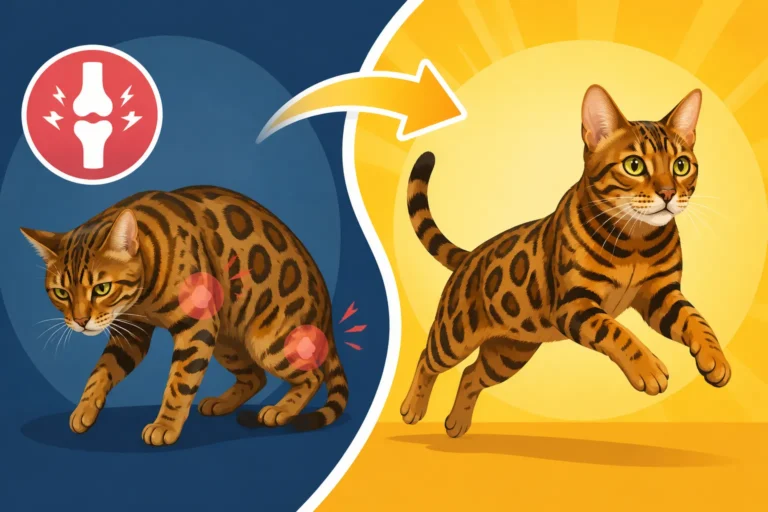
Arthritis is very common in older cats. While they often hide pain, you might notice stiffness, reluctance to jump, or changes in gait. Your vet can diagnose arthritis and prescribe pain management strategies, including anti-inflammatory medications, joint supplements (like glucosamine and chondroitin), and even therapeutic laser treatments.
Kidney disease and hyperthyroidism are also prevalent in older cats. Regular bloodwork and urine tests can detect these conditions early. Early intervention with prescription diets, medication, or other supportive therapies can significantly improve their quality of life and extend their functional years. For instance, special kidney diets are formulated to reduce the workload on the kidneys, while medication can effectively manage hyperthyroidism.
Cognitive dysfunction, similar to dementia in humans, can also affect older Bengals. Signs might include disorientation, changes in sleep-wake cycles, house soiling, or altered interactions. While there's no cure, environmental enrichment, dietary supplements, and sometimes medication can help manage symptoms. Dealing with these challenges requires patience, empathy, and a strong partnership with your veterinarian. Being prepared for these possibilities and having open discussions about your Bengal's quality of life are crucial steps in providing the best possible care during their twilight years. This is also where pet insurance, like plans offered by Healthy Paws, can be incredibly beneficial, helping to ease the financial burden of ongoing treatments and specialized senior care.
The Emotional Journey of Owning a Bengal Cat Through Their Life
Bringing a Bengal cat into your life is an unparalleled experience. Their energy, intelligence, and unique bond create memories that last a lifetime. But the journey of ownership is also an emotional one, filled with joy, challenges, and eventually, profound loss.
Cherishing Every Moment with Your Energetic Companion
From the moment you bring home your Bengal kitten, with their boundless energy and inquisitive nature, you're embarking on an incredible adventure. Those early years are a whirlwind of chasing, climbing, and learning. You'll marvel at their agility, their distinctive chirps and vocalizations, and their unwavering curiosity. These are the years where they build muscle, perfect their hunting skills on wand toys, and explore every nook and cranny of your home. It's vital to appreciate these moments, to engage with them fully, and to capture memories of their spirited youth.
As they mature, their personality truly blossoms. They might develop unique rituals, favorite sleeping spots, and specific ways of communicating their desires. This is where the deep, unique bond between a Bengal and their human truly solidifies. They're not just a pet; they're a family member, a confidante, and a constant source of entertainment and affection. Make time for daily play, cuddles, and conversation. Your Bengal thrives on interaction, and these shared moments are the building blocks of a fulfilling life for both of you.
Preparing for End-of-Life Decisions
While it's difficult to contemplate, an essential part of responsible pet ownership is preparing for the inevitable end of your Bengal's life. This isn't about dwelling on sadness, but about ensuring that when the time comes, you can make compassionate, informed decisions that prioritize their comfort and dignity.
Discussing end-of-life care with your veterinarian well in advance can be incredibly helpful. Talk about what quality of life means for your individual Bengal, what signs to look for that might indicate suffering, and the options available, including palliative care or euthanasia. Having these conversations when your cat is still relatively healthy can reduce the emotional burden when you're in a crisis situation. Knowing what to expect, and having a plan, can bring a measure of peace during an incredibly painful time. Think about how you want to remember your Bengal, whether through cremation, burial, or other memorials. These preparations allow you to focus on loving and comforting your cat in their final days, rather than being overwhelmed by logistical decisions.
Finding Support and Remembering Your Beloved Bengal
The grief that accompanies the loss of a beloved pet is profound and often underestimated by those who haven't experienced it. When your Bengal cat's 12 to 16 years (or more) come to an end, it's normal to feel a deep sense of loss, sadness, and even guilt. It's crucial to allow yourself to grieve and to seek support when needed.
There are many resources available to help you navigate pet loss, including support groups, online forums, and grief counseling services. Lean on understanding friends and family who recognize the depth of your bond. Remember that your Bengal cat lived a full life because of the love and care you provided. Cherish the memories you created together. Whether it's through photos, stories, or a quiet moment of reflection, keeping their spirit alive in your heart is a testament to the incredible bond you shared. The joyful, energetic spirit of your Bengal will always be a part of you, a beautiful chapter in your life's story.
Disclaimer
This article is intended for informational purposes only and does not constitute veterinary advice. Always consult with a qualified veterinarian for any health concerns or before making any decisions related to your pet's care.