Rosetted Against Marbled: The Two Bengal Cat Patterns
One of the first things that draws people to the Bengal cat is their absolutely breathtaking coat. It's not just a pretty pattern; it's a direct nod to their wild heritage, making them stand out in the feline world. If you're looking into getting a Bengal, or already have one and are fascinated by their markings, understanding the difference between their two primary patterns—rosetted and marbled—is key to appreciating their unique beauty. This guide will take a deep dive into these magnificent coat types, explaining their nuances, how they develop, and what makes each one so special.
The Wild Heart of the Bengal Coat: An Introduction
When you first lay eyes on a Bengal cat, it’s often their coat that takes your breath away. It’s not just any cat coat; it’s a living, breathing piece of art that echoes the untamed beauty of their wild ancestors. Many people imagine a leopard when they think of these cats, and for good reason! The striking patterns are a direct link to the Asian Leopard Cat, the foundational species that gives the Bengal its distinctive look. This isn't just about aesthetics; it's about a carefully cultivated genetic lineage that celebrates the wild side of felines in a domestic companion.
Tracing the Wild Ancestry of Bengal Patterns
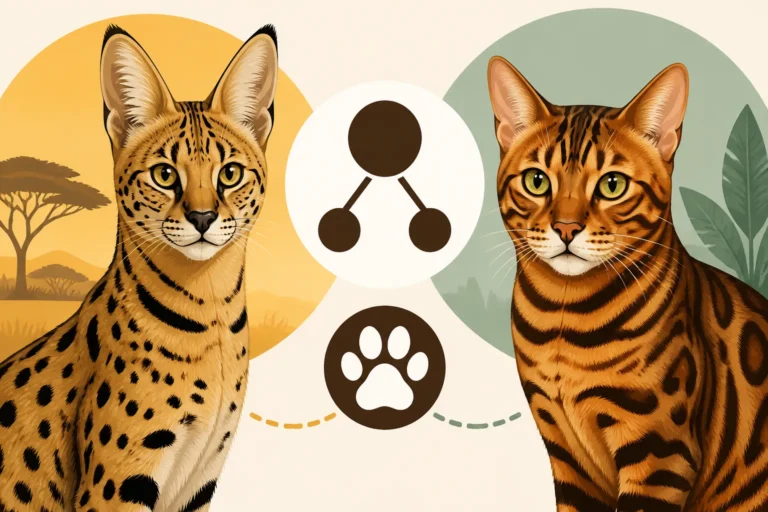
Every single Bengal cat carries a piece of its wild heritage in its DNA, and nowhere is this more evident than in their coat patterns. A Leopard Cat and a Housecat Made the First Bengal Cat, and this initial cross was all about bringing that stunning wild look into a domestic setting. The Asian Leopard Cat (ALC) is naturally spotted, and those spots, through generations of selective breeding, evolved into the intricate rosettes and swirls we admire today. It’s a fascinating journey from a true wild animal to the beloved family pet we know, with each pattern telling a story of careful preservation and enhancement of those ancestral traits.
It wasn't a simple process of just breeding two cats together and hoping for the best. Early breeders, like Jean Mill, painstakingly selected cats that exhibited the most desirable wild patterns, aiming to stabilize these traits while simultaneously domesticating the temperament. The goal was to maintain the exotic aesthetic without the challenges of owning a truly wild animal. This dedication meant years of careful observation and selective breeding to ensure that the beauty of the What an Asian Leopard Cat Is Behind Every Bengal Cat wasn't lost, but rather refined and consistently reproduced in successive generations of Bengals.
The patterns aren't just for show in the wild; they serve a crucial purpose for camouflage, helping the ALC blend into its natural habitat. For our domestic Bengals, these patterns are a celebrated hallmark of their breed. They're a constant reminder of the breed's origins and the specific vision breeders had: to create a miniature leopard that could live comfortably in a human home. This ancestral link gives the Bengal cat's coat a depth and authenticity that few other domestic breeds can boast, making them truly unique in their appearance.
More Than Just Spots: The Depth of Bengal Markings
When we talk about Bengal cat patterns, we're not just discussing simple spots or stripes. There's an incredible complexity to their markings that goes far beyond what you might see on an average tabby. The clarity, the contrast, the size, and the distribution of these patterns are all crucial elements that contribute to the overall impression of a Bengal's coat. It’s this depth and variety that makes each Bengal truly individual, even within the same pattern type. You could line up a dozen rosetted Bengals, and each one would have its own distinct character in its markings.
The beauty often lies in the "flow" of the pattern, how the markings seamlessly integrate with the cat's musculature, creating an illusion of movement even when the cat is still. This isn't something accidental; it's a testament to the rigorous breeding standards that prioritize not just the presence of a pattern, but its quality and aesthetic appeal. Breeders strive for patterns that are well-defined, evenly spaced, and complement the cat's physique, creating a harmonious and striking overall look.
Furthermore, the quality of the individual hairs, often referred to as a "pelted" coat, contributes significantly to how the patterns are perceived. A Bengal's coat is distinctively soft and short, often described as feeling like silk or velvet. This plush texture allows the patterns to truly pop, enhancing the contrast and definition of each marking. It’s a sensory experience as much as a visual one, adding another layer to the appreciation of these magnificent felines.
Delving Into Rosetted Patterns: The Leopard's Legacy
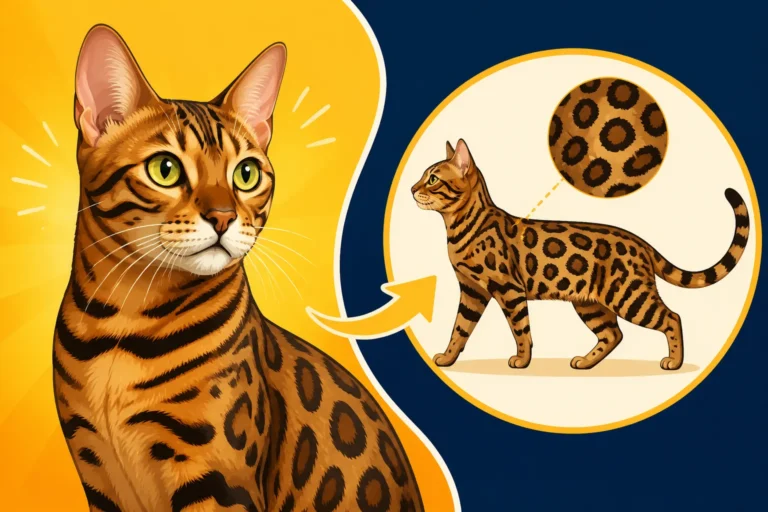
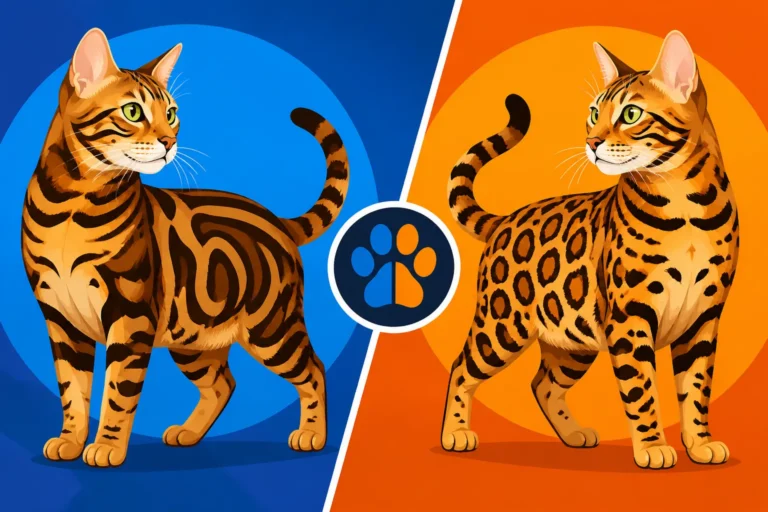
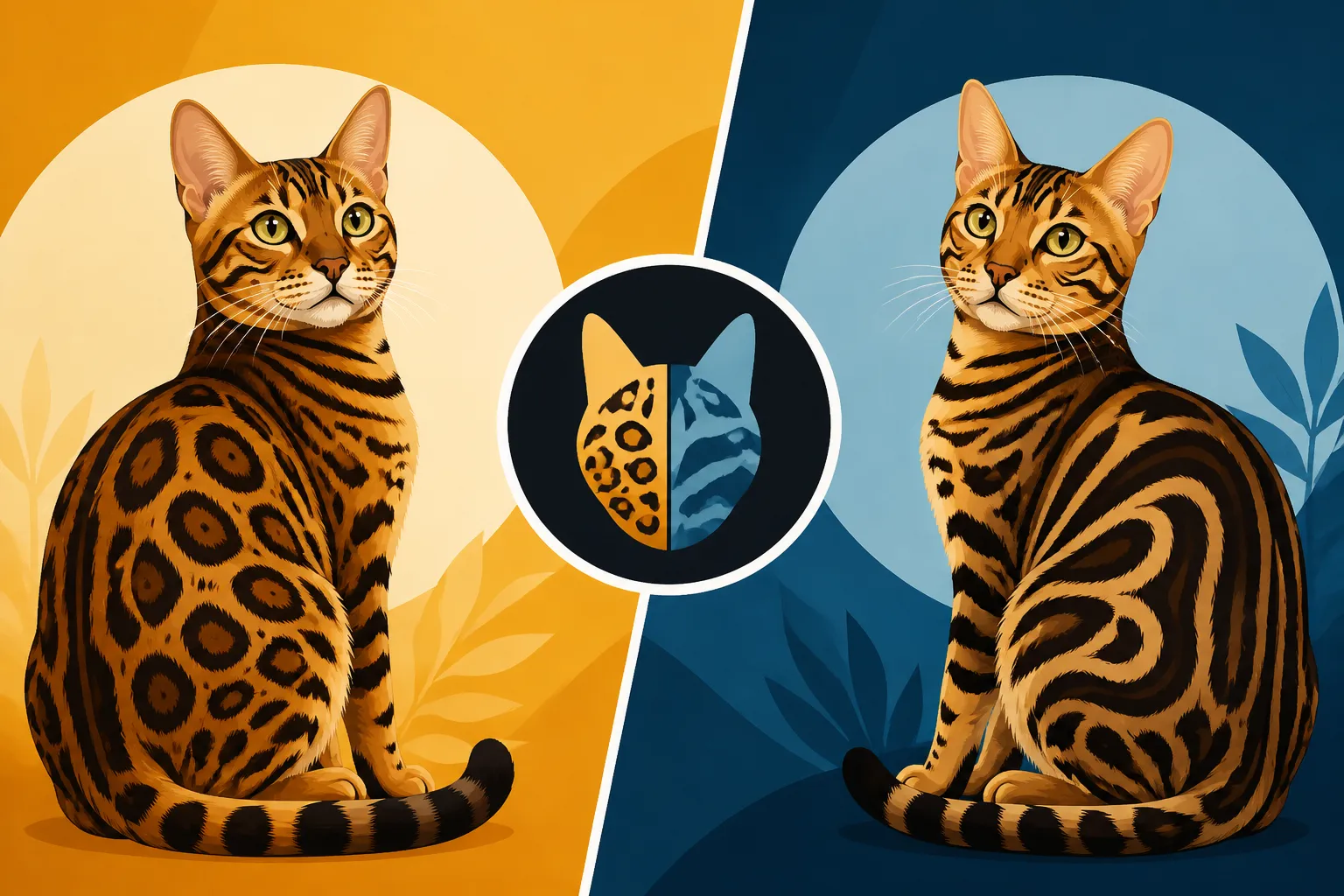
Rosettes are arguably the most iconic and highly prized pattern in the Bengal cat breed, directly mimicking the markings of their wild leopard and jaguar ancestors. If you dream of a cat that looks like a miniature wild big cat, a rosetted Bengal is likely what you have in mind. These aren't just random spots; they are intricate, multi-tonal markings that create a sense of depth and three-dimensionality on the coat. The quest for perfect rosettes has driven much of the Bengal breeding program, aiming to reproduce the stunning, complex patterns seen in the wild.
Defining Different Rosette Types
When we talk about What a Rosette Is on a Bengal Cat, it’s important to understand that not all rosettes are created equal. There are several distinct types, each with its own unique charm and characteristics, and breeders work tirelessly to achieve specific forms. These variations reflect different genetic expressions and add to the incredible diversity within the breed.
-
Arrowhead Rosettes: These are perhaps one of the most distinctive and desired types, shaped much like the tip of an arrow. They are typically solid spots with a triangular or arrow-like point, often arranged in a horizontal flow across the cat's body. The crisp edges and clear definition of arrowhead rosettes make them incredibly striking and are highly sought after by judges in the show ring. When you see a Bengal with this pattern, it truly accentuates their muscular build and agile form.
-
Paw Print Rosettes: As the name suggests, these rosettes resemble a paw print, with a darker outline around a lighter center, but with distinct "toes" or extensions that give them their unique shape. They often appear to have a solid dark "heel" with lighter, often broken, spots extending from it. This type offers a softer, more organic look compared to the crispness of arrowheads, contributing to a truly wild, natural appearance.
-
Donut Rosettes: These are classic, closed rosettes where a darker outline completely encircles a lighter, distinctly different colored center. Think of a tiny donut on your cat's fur! The contrast between the dark ring and the lighter inner color is what makes these so captivating. Donut rosettes are incredibly clear and provide a very bold, defined pattern, which is a clear link to the markings of a jaguar.
-
Clouded Rosettes: These are larger, often irregularly shaped rosettes that appear to be made up of several smaller spots, giving them a "cloud-like" or "cluster" appearance. What a Clouded Rosette Is on a Bengal Cat often involves multiple donut-like markings that merge or overlap, creating an expansive, dramatic pattern. They are less defined than single donut rosettes but offer a powerful, painterly effect on the cat's coat. These rosettes mimic the pattern of a clouded leopard, hence their name, and give the cat a very exotic and striking look.
Each type of rosette contributes to the overall beauty of the Bengal, and the combination of these patterns on a single cat can be absolutely stunning. It's truly a testament to the genetic artistry inherent in the breed.
What Makes a Rosette Stand Out? Contrast and Clarity
Beyond just the shape of the rosette, two critical factors elevate a Bengal's pattern from merely spotted to truly exceptional: contrast and clarity. These elements are what make the rosettes appear to "pop" off the coat, giving them that coveted three-dimensional quality. Without strong contrast and clear definition, even the most perfectly shaped rosettes can look muddy or indistinct.
Contrast refers to the stark difference in color between the dark markings and the lighter background or "ground" color of the coat. Imagine a rich, deep black or dark brown rosette against a bright, clear golden or light tan background. This dramatic opposition makes the pattern immediately visible and highly striking. Breeders work hard to enhance this contrast, often looking for cats with vibrant, clean ground colors that allow the rosettes to truly shine. A Bengal with excellent contrast looks almost hand-painted, with each marking sharply delineated.
Clarity, on the other hand, describes how sharply defined the edges of each rosette are. Are the outlines crisp and clean, or do they blur into the background? Clear patterns have distinct boundaries, preventing them from looking faded or washed out. This clarity is crucial for distinguishing between the different components of a rosette—the darker outline, the lighter inner color, and the ground color. A lack of clarity can make a beautiful rosette look like a generic blob, diminishing the overall impact of the pattern. Together, strong contrast and excellent clarity are the hallmarks of a truly magnificent rosetted Bengal coat, distinguishing a pet-quality cat from one that excels in the show ring.
Common Misconceptions About Rosettes
It's easy to get lost in the terminology and expectations surrounding Bengal patterns, leading to a few common misconceptions about rosettes. One popular belief is that all Bengal cats must have rosettes to be considered "true" Bengals. While rosettes are highly desirable and emblematic of the breed, they are not the only accepted pattern. Marbled Bengals, for example, are equally legitimate and beautiful, though perhaps less common in public awareness.
Another misconception is that bigger rosettes are always better. While large, well-defined rosettes are often prized, particularly in certain categories, the quality, clarity, and spacing are often more important than sheer size. A coat with smaller, perfectly contrasted and clear rosettes can be just as, if not more, stunning than one with massive, but blurry, markings. It’s about the overall harmonious presentation of the pattern.
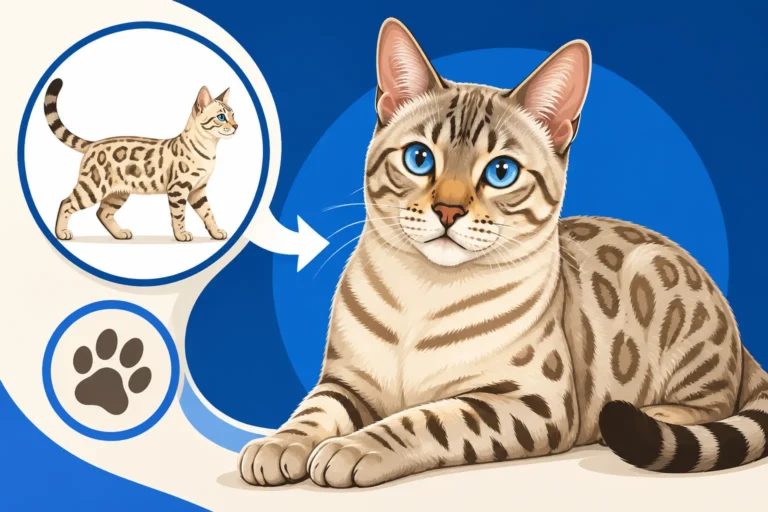
Lastly, some people believe that rosettes are completely stable from birth. While the genetic predisposition is there, the actual development and definition of rosettes can evolve significantly as a kitten grows. Many kittens go through a "fuzzy" stage where their patterns are muted, leading owners to worry their rosettes won't develop. Patience is key, as these patterns often sharpen and clarify over time. This makes understanding the development of their coat an important part of appreciation.
The Elegant Swirls of the Marbled Bengal
While rosettes often steal the spotlight, the marbled pattern in Bengal cats is an equally stunning and historically significant expression of their wild lineage. Instead of distinct spots or outlined rosettes, marbled Bengals feature mesmerizing swirls, ribbons, and horizontally flowing patterns that are reminiscent of marble stone, hence the name. These patterns offer a more painterly, artistic look compared to the sharp, defined appearance of rosettes. Marbled Bengals showcase a different kind of wild beauty, evoking the camouflage of jungle cats blending into dense foliage.
Understanding the Marbled Pattern
What a Marbled Bengal Cat Is can be a delightful surprise for those accustomed to seeing only spotted Bengals. The marbled pattern is characterized by sweeping, horizontal streaks and swirls of darker color against a lighter ground color, creating a dynamic, flowing design. Unlike the broken nature of rosettes, marbled patterns appear more continuous and integrated across the cat's body.
There are also variations within the marbled category, though not as distinctly named as rosette types:
-
Horizontal Flow Marbling: This is the most desirable type for show quality marbled Bengals. The patterns should predominantly flow horizontally, creating the illusion of movement and enhancing the cat's elongated, muscular physique. These sweeping lines can resemble the stripes of a tiger or the camouflage patterns of some wild felines. The goal is for the pattern to be well-defined but without breaking into small, isolated patches, maintaining a sense of continuity.
-
Sheet Marbling: This refers to marbled patterns where the markings are very large and expansive, often covering significant areas of the body with broad, flowing ribbons of color. When these patterns are well-defined and have good contrast, they can be breathtaking, making the cat look incredibly powerful and exotic. However, if the sheet marbling lacks definition or clarity, it can sometimes appear "blotchy" or less refined.
The key to a beautiful marbled pattern, much like rosettes, lies in the contrast between the dark markings and the lighter background. A high contrast will make the swirls stand out dramatically, giving the coat a rich, luxurious appearance. Good clarity ensures that the edges of the swirls are clean and distinct, rather than fading into the ground color, which allows for maximum visual impact. The symmetry and balance of the pattern across the cat's body are also important factors that contribute to the overall appeal of a marbled Bengal.
The Historical Significance of Marbling in Bengals
The marbled pattern has a deep and interesting history within the Bengal breed, often intertwined with its very origins. While rosettes became the dominant focus for many breeders due to their clear resemblance to leopards, marbling was present from the earliest generations. In fact, some of the very first domestic cats used in the original crosses, like the domestic tabbies, carried genes that contributed to the marbled effect. This means that How Marbling Differs From Rosetting in a Bengal Cat isn't just about appearance, but also about the genetic diversity and evolution of the breed.
Early in the breed's development, marbled patterns might have been more prevalent or at least equally recognized, before the intense focus shifted to perfecting rosettes. The initial excitement was simply about creating a beautiful, wild-looking domestic cat, and the marbled pattern certainly fit that bill. It showcased the exotic nature of the breed without necessarily mimicking a single big cat species, instead offering a unique artistic interpretation of wild beauty.
However, as the breed matured and show standards became more defined, the emphasis on rosettes grew, leading to a period where marbled Bengals might have been considered less "typey" or desirable by some. Thankfully, the beauty and distinctiveness of the marbled pattern have endured, and today, well-patterned marbled Bengals are celebrated in their own right. They represent a classic, elegant side of the Bengal, proving that wild beauty comes in more forms than just spots. Their resurgence in popularity shows an appreciation for the full spectrum of the Bengal's genetic gifts.
Why Some Marbled Patterns Are More Sought After
Just like with rosettes, not all marbled patterns are considered equal in terms of desirability, especially in the competitive world of cat shows. Certain characteristics make a marbled Bengal's coat particularly captivating and highly valued. It largely comes down to the quality and presentation of the pattern, rather than just its presence.
The most sought-after marbled patterns exhibit a strong horizontal flow. This means the swirls and ribbons run predominantly from front to back, along the length of the cat's body, rather than vertically or in a circular, bulls-eye fashion. A good horizontal flow creates an elegant, streamlined look that complements the Bengal's athletic build. Patterns that are too vertical or appear as concentric circles (often called "bull's-eye" patterns) are generally considered less desirable in the show ring, as they stray from the desired "wild" look.
Clarity and contrast are, once again, paramount. The dark swirls should be sharply defined against a clean, clear ground color. If the markings are muddy, faded, or blend too much into the background, the overall impact is significantly lessened. Imagine a beautifully carved piece of marble; you want to see the distinct veins and patterns, not a vague, grayish smudge. A high degree of contrast makes the pattern vibrant and eye-catching.
Finally, the balance and distribution of the pattern across the entire body play a huge role. An ideal marbled pattern will be well-distributed, covering the back, sides, and even the legs and tail in a harmonious fashion. An unbalanced pattern, with heavy markings in one area and sparse markings in another, can diminish the overall aesthetic. When these elements come together, a marbled Bengal's coat can be truly breathtaking, a swirling masterpiece that embodies exotic elegance.
The Journey of a Bengal Cat's Pattern: From Kitten to Adult
Watching a Bengal kitten grow and develop their coat is one of the most exciting parts of bringing one into your home. Their patterns don't just appear fully formed; they undergo fascinating transformations, particularly in the first few months of life. What you see on a tiny kitten isn't necessarily what you'll get in a mature adult cat, which can be both a surprise and a delight for new owners. Understanding this developmental journey helps set realistic expectations and appreciate the dynamic nature of their unique coats.
The Enigma of "Fuzzy Noses" and Kitten Fuzzies
Many new Bengal owners are often surprised, and sometimes even a little worried, when their adorable spotted or marbled kitten starts to look, well, a bit "fuzzy." This phenomenon is widely known as "kitten fuzzies," and it's a completely normal, even expected, stage in a Bengal's development. It's essentially a camouflage mechanism inherited from their wild ancestor, the Asian Leopard Cat, designed to help them blend into their surroundings as vulnerable youngsters.
What Fuzzies Are on a Bengal Cat Kitten refers to a temporary growth of longer, often lighter, guard hairs that obscure their underlying pattern. These hairs can make the rosettes or marbled swirls appear muted, blurry, or even seem to disappear altogether. For a first-time Bengal owner, this can be quite unsettling; they might worry that their cat isn't developing the strong pattern they admired. However, it's just a phase, a natural part of their growth cycle, and it eventually resolves itself to reveal the stunning adult coat.
The degree of fuzzies can vary from kitten to kitten. Some might have a very light fuzz that only slightly softens their patterns, while others can be quite heavily "fuzzed," making their markings almost indistinguishable. This stage typically begins around 3-4 weeks of age and can last for several months. It's a testament to their wild instincts, demonstrating how deeply ingrained their ancestral traits are, even in a domesticated breed. Patience is truly a virtue during this period, as the transformation waiting underneath is often spectacular.
When Does a Bengal Cat's True Pattern Emerge?
The good news for worried owners is that the kitten fuzzies don't last forever! Around the age of 4 to 6 months, sometimes a little earlier or later, you'll start to notice a remarkable change. This is the period When a Bengal Cat Kitten's Fuzzies Clear, and their true adult pattern begins to emerge with striking clarity. The longer guard hairs that created the fuzzy camouflage start to shed, allowing the underlying, well-defined rosettes or marbled swirls to truly shine through.
This clearing process can happen gradually or seem to occur almost overnight, revealing the stunning contrast and sharp definitions that are characteristic of the breed. It's a bit like watching a photograph develop, with the details becoming sharper and more vibrant before your very eyes. The ground color typically brightens, and the darker markings become more intense and distinct, finally showcasing the pattern that was hidden beneath the fuzz.
By the time a Bengal cat reaches about one year of age, their coat pattern will be largely established, though some subtle refinements in color and contrast can continue up to two years old. This is why many breeders prefer to evaluate a cat's show potential closer to their first birthday, once the coat has fully cleared and matured. So, if your Bengal kitten looks like a fluffy blur right now, don't despair; the magnificent leopard or marble is patiently waiting to reveal itself!
How an Aging Bengal Cat's Rosettes Soften
Just as a Bengal's pattern develops and clarifies in its youth, it can also undergo subtle changes as the cat enters its senior years. It's a natural part of the aging process, and something many long-time Bengal owners observe. How an Aging Bengal Cat's Rosettes Soften typically involves a slight decrease in the stark contrast between the markings and the ground color, and the edges of the rosettes might become a little less sharp.
This softening effect doesn't mean the pattern disappears entirely, but rather that the vibrancy and crispness that were so prominent in their prime may gently mellow. The ground color might deepen or become a touch less brilliant, and the darker pigments in the rosettes might not be as intensely dark. It's akin to an old photograph that has gracefully aged, retaining its beauty but with a softer, more subtle palette. This can happen around the age of ten or beyond, as part of the general changes associated with feline senescence.
Recognizing these changes helps owners appreciate every stage of their Bengal's life and beauty. While the youthful, high-contrast coat is undeniably striking, the softened patterns of an older Bengal hold their own charm, reflecting a lifetime of adventures and companionship. It’s just another facet of the dynamic and ever-evolving beauty of the Bengal cat's unique coat.
Beyond the Basics: Other Coat Characteristics
While rosettes and marbling are the stars of the Bengal cat's coat, there are several other fascinating characteristics that contribute to their unique appeal. These elements often work in conjunction with the primary patterns to enhance their beauty, add depth, and further solidify their exotic look. From a dazzling shimmer to distinct facial markings, these details are part of what makes the Bengal coat so special and truly unlike any other domestic cat.
The Magical "Glitter Gene" and Its Impact
One of the most enchanting features of many Bengal cats is something you might not even notice at first glance, but once you do, you'll be captivated: "glitter." This isn't actual glitter from a craft store, of course, but a unique genetic trait that gives the Bengal's coat an iridescent shimmer, as if sprinkled with fine gold dust. It's one of the defining characteristics that sets a Bengal apart and adds an extra layer of magic to their appearance.
The Glitter Gene and What It Does to a Bengal Cat's Coat results from the hair shaft itself being hollow and translucent, allowing light to reflect off it in a special way. This creates a dazzling golden or pearlescent sheen that can be particularly noticeable in natural light. When a glittered Bengal moves, their coat seems to catch and scatter light, giving them an almost ethereal glow. It's not present in every Bengal, but it's highly prized by breeders and enthusiasts alike.
The glitter can appear differently depending on the cat's base color. On a brown Bengal, it often manifests as a warm, golden shimmer, enhancing the richness of their rosettes or marbling. On a snow Bengal, it can appear more pearlescent or silvery. This trait truly elevates the already stunning Bengal coat, turning it into something truly extraordinary. It's a subtle yet powerful enhancement that contributes significantly to the breed's exotic allure.
Whited Tummies and Mascara Marks
Beyond the main body patterns, Bengals often display other distinctive markings that further enhance their wild look. These smaller, yet significant, details contribute to the overall impression of a miniature wild cat. Two such features are "whited tummies" and "mascara marks."
Whited Tummies refers to the lighter, often nearly white, fur found on the underside of the Bengal's body, particularly on the belly, inner legs, and sometimes even under the chin. This trait is a direct inheritance from the Asian Leopard Cat, which naturally has a lighter underside for camouflage and signaling. This stark contrast between the dark patterns on the back and the pale belly creates a dramatic effect and is considered a highly desirable trait in the show ring. It truly completes the illusion of a wild feline, adding another layer of authenticity to their appearance. The presence of whited tummies emphasizes their strong, muscular build and makes them look even more exotic.
Mascara Marks are fine, dark lines that extend horizontally from the outer corners of a Bengal's eyes. They resemble carefully applied eyeliner or, indeed, mascara, framing the eyes and giving them an intense, captivating gaze. These markings contribute to the "wild" facial expression and are often seen in conjunction with well-defined "facial barring" or "striping" on the cheeks and forehead. Mascara marks accentuate the depth and alertness of their eyes, making them appear more piercing and observant, just like a predator in the wild. Both whited tummies and mascara marks are subtle yet powerful details that significantly amplify the Bengal cat's exotic charm.
The Importance of Coat Clarity and Texture
While patterns and glitter are visually striking, the overall clarity and texture of the Bengal cat's coat are equally important in defining its quality and appeal. These characteristics impact how the patterns are perceived and how the cat feels to the touch, contributing to the breed's luxurious reputation.
Coat Clarity refers to the cleanliness of the ground color—the base color of the fur that the patterns sit upon. An ideal Bengal coat will have a very clear, vibrant ground color, free from "ticking" (individual hairs with multiple bands of color) or excessive muddiness that can obscure the pattern. If the ground color is muddled or lacks richness, even the best rosettes or marbling can lose their impact. A clear ground color allows the darker markings to pop with maximum contrast and definition, making the entire coat appear sharper and more vibrant. This clarity is a hallmark of a well-bred Bengal.
The Texture of a Bengal's coat is famously unique. It's often described as a "pelted" coat, feeling incredibly soft, dense, and luxurious, almost like velvet or silk rather than typical cat fur. A Bengal Cat's Coat Is a Pelt, Not Fur because it is exceptionally short, lies flat against the body, and often has very little undercoat. This distinctive texture isn't just a pleasure to pet; it also contributes to the clarity of the patterns. The short, sleek hairs allow the rosettes and swirls to lie flat and be seen with utmost precision, without being obscured by longer, fluffier fur. This combination of clarity, texture, and pattern is what makes the Bengal coat truly magnificent and a joy to behold and touch. Even after a romp through the house, if you gently brush them, you'll be reminded of this unique, luxurious feel. Keeping their coats healthy, perhaps with appropriate supplements recommended by a vet or found at Chewy, can help maintain this pristine texture.
Unpacking the Genetics Behind Bengal Patterns
Understanding how those mesmerizing rosettes and elegant marbled swirls appear on a Bengal cat's coat can feel a bit like deciphering a secret code. But at its heart, it's all about genetics, the fascinating blueprint that determines every characteristic of a living being. While we don't need to become geneticists, a basic grasp of the underlying science helps to truly appreciate the complexity and artistry involved in breeding these stunning felines. The patterns aren't random; they're the result of specific genes working in concert.
The Genes Responsible for Rosettes and Marbling
The primary gene responsible for all tabby patterns in domestic cats, including the Bengal's rosettes and marbling, is the Agouti gene (A/a). An Agouti cat (A_) will have a patterned coat, meaning individual hairs will have bands of color, giving depth and allowing patterns to show. A non-agouti cat (aa) will be solid colored. All patterned Bengals must be Agouti.
Once the cat is determined to be Agouti, the specific pattern type—whether spotted, rosetted, or marbled—is largely influenced by the Tabby gene (T/t) and modifier genes. The "classic tabby" gene (Tb) is responsible for the marbled pattern. When a Bengal inherits two copies of this gene (TbTb), it will express the characteristic swirled, ribbon-like markings. Rosettes, on the other hand, are essentially modified spots. They are influenced by the spotted tabby gene (Ts) and a complex array of polygenes (modifier genes) that work together to break up and outline the spots into their unique rosette shapes. There isn't a single "rosette gene" in the same way there's a simple gene for solid color; it's a combination of factors.
Therefore, breeding for specific rosette types, like donut or arrowhead rosettes, involves selecting for these multiple modifier genes over many generations. This is why some breeders specialize in certain rosette types, as it takes meticulous planning and a deep understanding of the lineage to consistently produce them. It's a testament to the skill and dedication of Bengal breeders that they've been able to isolate and consistently produce such intricate patterns from these genetic building blocks.
Understanding Recessive and Dominant Traits
To really grasp Bengal patterns, it's helpful to remember the basic principles of dominant and recessive genes. Think of it like a hierarchy: a dominant gene will always express itself if present, while a recessive gene only shows up if two copies are inherited (one from each parent).
For example, the Agouti gene (A) is dominant over non-agouti (a). So, a Bengal cat with "Aa" or "AA" genetic makeup will be patterned. Only a cat with "aa" will be solid black or melanistic (though melanistic Bengals can still show a "ghost" pattern in certain light). When it comes to the primary patterns, the classic tabby gene (Tb) which produces marbling, is generally considered recessive to the spotted/ticked tabby gene. This means that if a cat inherits one gene for spotting and one for marbling, it will likely express some form of spotting.
However, the expression of rosettes is a bit more nuanced. While the base is a spotted pattern, the development of distinct rosette shapes is heavily influenced by those modifier genes we mentioned. These modifiers can be polygenic (meaning many genes contribute to the trait) and their inheritance can be quite complex, sometimes appearing as recessive traits or having an additive effect. This is why a breeder might see a range of rosette quality even within the same litter, as the precise combination of these modifier genes determines the final outcome. It makes predicting specific pattern types a challenging, yet rewarding, aspect of Bengal breeding.
Why Pattern Breeding Is Complex
Breeding for specific, high-quality patterns in Bengal cats is far from a simple task. It requires an immense amount of knowledge, experience, and often, a little bit of luck. The complexity arises from several factors beyond just the basic dominant/recessive gene pairs.
Firstly, as discussed, many of the traits that define a "good" pattern—such as rosette shape, clarity, contrast, and glitter—are influenced by multiple genes (polygenic traits) rather than a single gene. This makes predicting outcomes much harder, as you can't just track one gene. A cat might carry the genetic potential for amazing rosettes, but if its genetic profile for contrast or clarity isn't strong, the pattern might still look dull.
Secondly, the expression of these patterns can also be influenced by epigenetic factors or other genes that are not directly related to pattern, but affect coat quality, hair length, or pigment distribution. For instance, the "fuzzies" in kittens temporarily obscure patterns, showing that even with the right genes, external factors or developmental stages play a role. Breeders must understand the pedigrees of their cats, looking back multiple generations to identify lines that consistently produce desirable traits. They aren't just breeding two cats; they are combining complex genetic histories.
This intricate dance of genetics means that even the most experienced breeders might not always produce exactly what they expect. It's a continuous learning process, involving careful observation, detailed record-keeping, and a deep appreciation for the subtle ways genes express themselves. This complexity is what makes a perfectly patterned Bengal so highly valued and a testament to the dedication of those who strive to enhance this magnificent breed.
Show Ring Standards Versus Pet Appeal
When it comes to Bengal cat patterns, there's often a fascinating interplay between what's considered "perfect" in the high-stakes world of cat shows and what's simply adored by a loving pet owner. While show standards push for an idealized version of the breed, a pet Bengal's pattern is no less beautiful or cherished, regardless of whether it meets every single criterion. Understanding this distinction can help manage expectations and appreciate the full spectrum of Bengal beauty.
What Judges Look For in a Show Bengal's Pattern
In the highly competitive environment of TICA (The International Cat Association) and other cat registries, judges meticulously evaluate a Bengal's pattern against a strict breed standard. The goal is to reward cats that best exemplify the ideal representation of the breed's exotic heritage.
For rosetted Bengals, judges typically favor Which Rosette Type Judges Prefer in a Bengal Cat that are horizontal, meaning they run along the length of the body, creating a natural flow. Donut or arrowhead rosettes with exceptional contrast and clarity are often highly prized. The pattern should be well-distributed, covering the entire body, and the rosettes should be distinct, open, and multi-toned. Solid spots, while still attractive, are generally considered less desirable than true rosettes with lighter centers. "Rib bars" on the legs and tail, where spots merge into stripes, are also carefully evaluated; ideally, they should be broken into distinct spots rather than solid bars. The overall impression should be one of wild, natural camouflage, with a clear ground color and minimal "ticking" or blurring.
For marbled Bengals, the key is also a strong horizontal flow to the pattern. The swirls should be large, distinct, and flow without breaking into bulls-eye shapes or circles. High contrast and clarity are equally important, ensuring the pattern stands out boldly. Judges are looking for patterns that are well-balanced and aesthetically pleasing, mimicking the powerful, flowing lines of a jungle cat. Any pattern that appears too chaotic, indistinct, or breaks the horizontal flow might be penalized. Ultimately, both pattern types are judged on how well they embody the striking, exotic look of the Asian Leopard Cat in a domestic cat's coat.
The Beauty of a Pet Bengal: Beyond the Strict Standard
While show standards are essential for guiding breeding programs and maintaining the integrity of the breed, it's crucial to remember that a Bengal cat's value as a beloved companion has absolutely nothing to do with whether its rosettes are perfectly shaped or if its marbling has impeccable horizontal flow. A "pet quality" Bengal, while it might not meet every stringent show criterion, is every bit as stunning, affectionate, and engaging as a "show quality" one.
Perhaps your pet Bengal has beautiful spots that aren't quite rosettes, or its marbling has a more circular pattern than the coveted horizontal flow. Maybe the contrast isn't as dramatic, or the "fuzzies" cleared a little later. These minor deviations from the ideal don't diminish the cat's beauty or its unique charm. In fact, many owners find these quirks make their cat even more special and distinctive. The joy of owning a Bengal lies in their personality, their playful nature, their intelligence, and their striking appearance, not in a judge's score sheet.
Many pet Bengals have patterns that are incredibly beautiful and captivating to the eye, even if they wouldn't win top honors in a show ring. The warmth of their coat, the sparkle of their glitter, and the unique layout of their individual markings are what truly matter to the person who shares their home with them. It’s important for prospective owners to understand that a "pet quality" Bengal is still a magnificent animal, often available at a more accessible price point, and will bring just as much love and joy into a household as any champion.
Ethical Breeding Practices and Pattern Perfection
The pursuit of "pattern perfection" in Bengal cats, particularly the highly desirable rosetted and horizontally marbled coats, brings to light the importance of ethical breeding practices. Responsible breeders understand that while stunning patterns are a goal, they should never come at the expense of a cat's health, temperament, or overall well-being. The focus should always be on producing healthy, well-socialized kittens first, with beautiful patterns being a significant bonus.
Ethical breeders meticulously screen their breeding cats for genetic health issues common to the breed, such as Hypertrophic Cardiomyopathy (HCM) and Pyruvate Kinase Deficiency (PKDef), and PRA-b Blinds a Bengal Cat by Two and There Is a DNA Test. They invest in regular veterinary check-ups, appropriate nutrition, and enriching environments for their cats. They also prioritize temperament, ensuring that kittens are raised in a loving home environment, leading to outgoing, friendly personalities. While a beautiful pattern might catch the eye, a healthy, happy cat with a stable temperament is what makes a lifelong companion.
Furthermore, ethical breeders are transparent about their breeding practices, health testing, and the lineage of their kittens. They will educate prospective owners about the patterns, explaining that while genetics guide the appearance, variations are natural and every Bengal is unique. They won't make exaggerated claims about "super rare" patterns without scientific backing and will prioritize the welfare of their animals over market trends for specific pattern types. When choosing a Bengal, finding a reputable, ethical breeder is far more important than solely focusing on the "perfect" pattern.
Living with a Patterned Bengal: Care and Appreciation
Bringing a Bengal cat into your life is an experience unlike any other. Their captivating patterns are just one aspect of their unique charm, but appreciating and maintaining that beauty means understanding a bit about their coat care and how to live with such an active, intelligent animal. You're not just getting a pet; you're welcoming a miniature work of art with a vibrant personality.
A Bengal Cat's Coat Is a Pelt, Not Fur: Grooming and Shedding
One of the most remarkable things about a Bengal cat's coat is its unique texture and surprisingly low maintenance needs. Unlike many domestic cats with fluffy fur and dense undercoats, A Bengal Cat's Coat Is a Pelt, Not Fur. This means their coat is exceptionally short, dense, and lies flat against their body, often feeling incredibly soft and luxurious, like velvet or silk. This distinct texture is a direct inheritance from their wild ancestor, the Asian Leopard Cat.
Because their coat is so sleek and short, Bengals typically shed far less than many other cat breeds. This isn't to say they don't shed at all – every cat sheds to some extent – but the amount is usually minimal and the fine hairs are less noticeable around the house. This low-shedding quality makes them a popular choice for people who prefer less cat hair on their furniture and clothing.
When it comes to grooming, Bengals are remarkably self-sufficient. They don't typically require extensive brushing like long-haired breeds. A quick brush once a week with a rubber grooming mitt or a soft brush, like those you can find readily on Chewy, is usually sufficient to remove loose hairs and keep their coat looking shiny. This minimal grooming requirement is a huge plus for busy owners, allowing more time for play and less time for fur maintenance. Their self-grooming habits, coupled with their unique coat, mean they generally maintain their stunning patterns beautifully with very little human intervention.
Protecting Their Stunning Coat
While a Bengal cat's coat is low maintenance in terms of grooming, protecting its natural beauty and ensuring it remains vibrant and healthy is still an important part of responsible ownership. After all, that stunning pattern is a huge part of their appeal!
One key aspect of protecting their coat is providing a high-quality diet. A Bengal cat's diet plays a direct role in the health and luster of their skin and coat. Feeding a diet rich in essential fatty acids, vitamins, and high-quality protein can help ensure their fur remains soft, shiny, and that their patterns retain maximum clarity and contrast. If you're ever in doubt about what to feed your Bengal, always consult with your veterinarian. They might recommend specific brands or supplements, some of which are easily sourced from trusted retailers like Chewy.
Another consideration, especially for those with "glittered" Bengals, is minimizing prolonged direct sun exposure. While a little sunshine is great, excessive sun can sometimes subtly lighten a cat's coat over time, potentially diminishing the intensity of their patterns and the sparkle of their glitter. Of course, this doesn't mean keeping them in the dark, but perhaps providing plenty of shaded areas in their Why a Catio Is the Answer to a Bengal Cat or ensuring they have indoor spaces to retreat to if they spend a lot of time by sunny windows. Regular check-ups with your vet will also ensure any underlying skin issues that could affect coat health are caught early.
Celebrating Your Bengal's Unique Look
Ultimately, living with a Bengal cat is about celebrating their entire unique package, and their stunning patterns are a huge part of that. Whether your Bengal boasts exquisite donut rosettes, striking arrowhead markings, or elegant marbled swirls, each cat's coat is a unique testament to the breed's wild beauty. It’s an ever-present reminder of their exotic ancestry and the careful breeding that brought these magnificent creatures into our homes.
Take the time to truly appreciate the intricate details of your Bengal's coat. Observe how the light catches their glitter, how their patterns flow with their muscular physique, and how their whited tummy contrasts with their darker back. These aren't just aesthetic features; they're conversation starters, sources of pride, and a constant connection to the wild heart that beats within your domestic companion. Many owners love to share photos and stories of their Bengal's patterns online, showcasing the incredible diversity and beauty within the breed.
More than just their looks, remember that your Bengal’s pattern is part of the entire animal—a cat with immense energy, a curious mind, and often a very vocal personality. Their coat is a magnificent frame for the lively, intelligent, and affectionate creature within. By understanding and celebrating the nuances of their rosetted or marbled patterns, you deepen your appreciation for what makes the Bengal cat truly one of a kind.
| Feature | Rosetted Pattern | Marbled Pattern |
|---|---|---|
| Appearance | Spots with darker outlines and lighter centers | Sweeping, horizontal swirls, ribbons, or bands of color |
| Wild Mimic | Leopard, Jaguar, Ocelot | Clouded Leopard, some wild tabby variations |
| Key Types | Arrowhead, Paw Print, Donut, Clouded | Horizontal Flow, Sheet Marbling (defined by scope) |
| Definition | Clear, distinct, often multi-tonal, three-dimensional | Flowing, continuous, painterly, often expansive |
| Show Ideal | Horizontal flow, high contrast, crisp edges, open centers | Strong horizontal flow, high contrast, no "bulls-eyes" |
| Genetic Basis | Spotted Tabby gene (Ts) + modifier genes | Classic Tabby gene (Tb) and modifier genes |
| Impact on Look | Creates a "miniature wild cat" spotted effect | Creates an "artistic," fluid, striped/swirled effect |
Disclaimer
This article is for general informational purposes only and does not constitute professional advice. Laws, prices and regulations vary by location and change over time. Consult a qualified professional for guidance on your specific situation.