Where the Bengal Cat Comes From
It's completely understandable to look at a majestic Bengal cat and wonder, "Where did this stunning creature come from?" Their wild appearance often sparks curiosity about their origins, leaving many new or prospective owners scratching their heads about their unique history. This guide will take you on a journey through the fascinating lineage of the Bengal cat, exploring the key figures, scientific endeavors, and crucial steps that transformed a wild hybrid into the beloved domestic companion we know today.
The Visionary Behind the Breed: Jean Mill's Early Endeavors
The story of the Bengal cat truly begins with one remarkable woman, Jean S. Mill. Long before Bengals were a recognized breed, Jean Mill, a passionate cat breeder from Covina, California, held a vision. She wasn't just another breeder; her commitment to genetics and creating healthy, beautiful cats was exceptional. While many people might think of "new breeds" as something conjured in a lab, the Bengal's story is far more organic and driven by a genuine love for felines and a keen scientific interest. She was deeply fascinated by the concept of bringing the exotic beauty of wild cats into a domestic setting without compromising the temperament of a household companion. It was an ambitious undertaking, one that many might have dismissed as impossible, but Jean Mill was determined.
Jean Mill's Initial Motivation
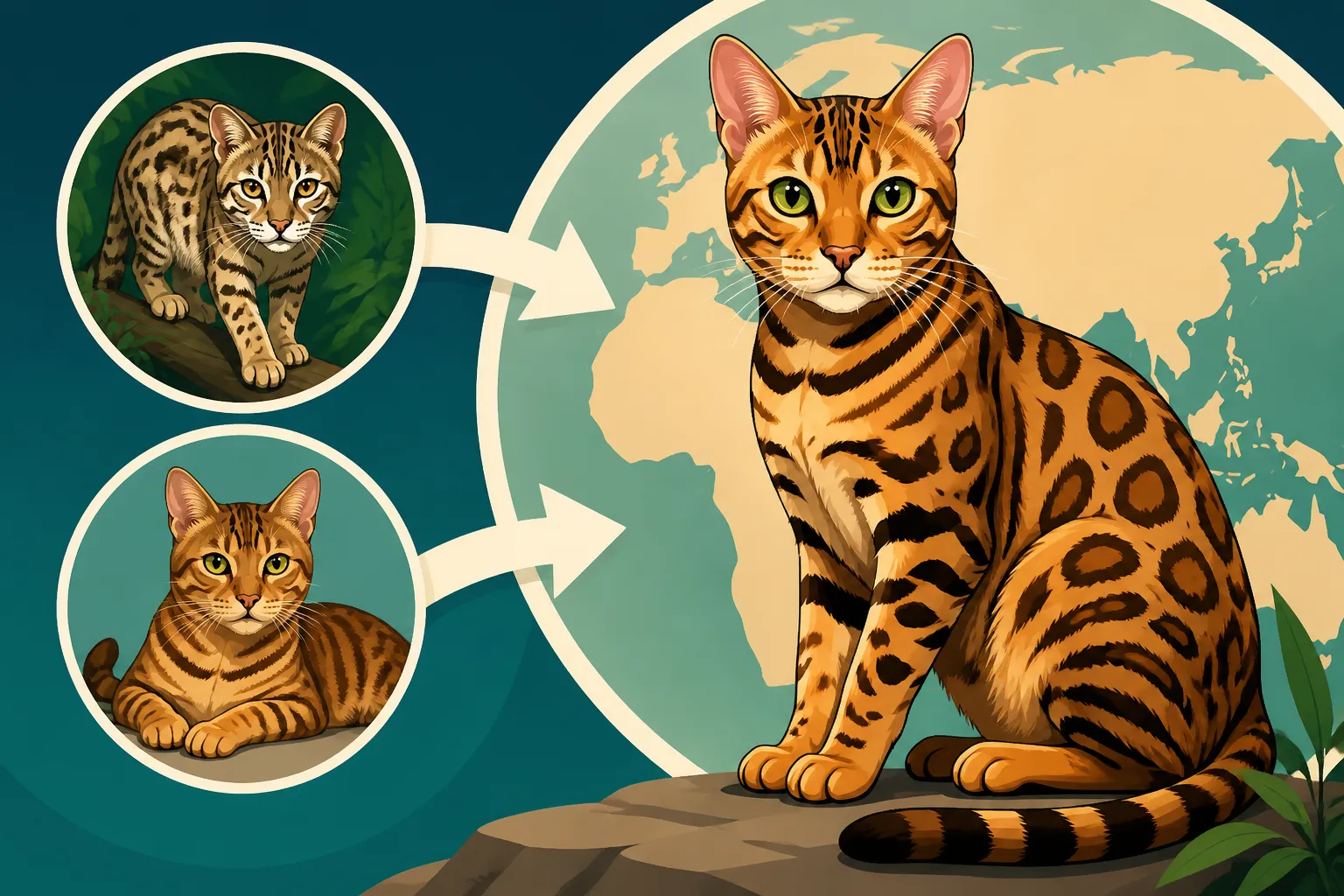
Jean Mill's journey with what would become the Bengal cat actually started in 1963, almost as an experiment. She acquired a wild Asian Leopard Cat (ALC) and bred her with a domestic black tomcat. Her initial goal wasn't necessarily to create a new breed, but rather to observe whether the hybrid offspring would exhibit resistance to Feline Leukemia, a devastating disease she was concerned about in domestic cats. It was a pioneering approach, delving into interspecies breeding to potentially find answers to veterinary challenges. While this specific resistance wasn't fully proven as a consistent trait across the entire subsequent breed, it laid the groundwork for the Bengal's existence. This initial cross produced kittens, which were fertile, a key biological hurdle when breeding different species. These first-generation hybrids were essentially a scientific curiosity, but they held the genetic keys to something much bigger.
The Millwood Cattery Legacy
After a pause in her breeding program due to personal reasons, Jean Mill recommenced her work in the 1980s. This time, she wasn't just pursuing a scientific question; she was actively aiming to create a new breed, one that retained the striking wild look of the Asian Leopard Cat but possessed the gentle, predictable nature of a domestic cat. She named her cattery Millwood, a name now legendary in Bengal cat circles. Her careful selection and breeding practices were meticulous. She understood that simply crossing a wild cat with a domestic one once wasn't enough; it required multiple generations of selective breeding to stabilize traits, ensure fertility, and, most importantly, temper the wild instincts into a truly domestic personality. This dedication to careful breeding for both appearance and temperament is why we have the Bengals we adore today. If you're looking for quality food and supplies for a cat from such a distinguished lineage, Chewy is a great resource.
The Wild Ancestor: The Allure of the Asian Leopard Cat
At the very heart of every Bengal cat's DNA lies the graceful and elusive Asian Leopard Cat (ALC). This small, nocturnal wild cat is the original blueprint for the Bengal's exotic beauty and unique characteristics. Understanding the ALC helps us truly appreciate the marvel that is the Bengal.
What an Asian Leopard Cat Is Like
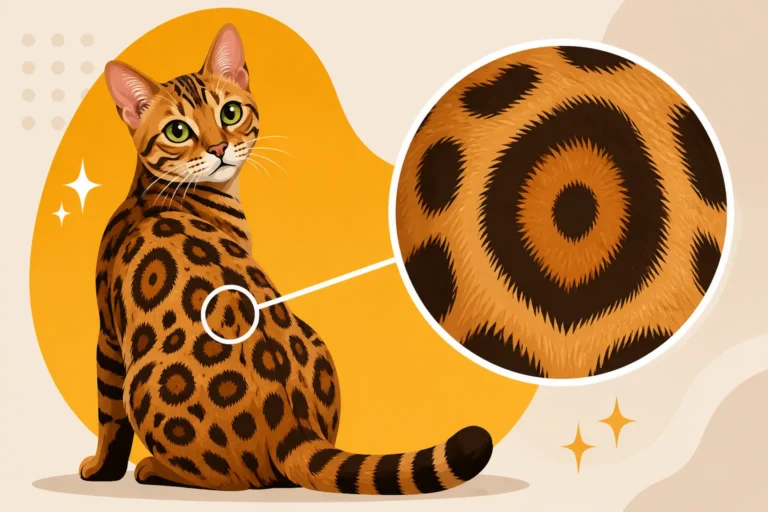
The Asian Leopard Cat ( Prionailurus bengalensis) is a small wild feline native to Southeast Asia, parts of India, and Eastern Asia. They are roughly the size of a domestic cat, but with a more slender, muscular build and slightly longer legs. Their coats are stunning, featuring distinctive spots and rosettes against a background that can vary from golden to reddish-brown, often with a white belly. They have beautiful, large eyes, and distinct "mascara" markings running from the corner of their eyes towards their ears. These cats are incredibly agile, skilled hunters, and have a strong affinity for water, often found near rivers and streams where they fish. They are solitary creatures in the wild, highly intelligent, and naturally cautious of humans.
Why the ALC Was Chosen for the Hybrid
The choice of the Asian Leopard Cat as the foundational wild cat for the Bengal breed wasn't accidental. Their striking appearance, particularly their spotted and rosetted coats, was undeniably beautiful and a key driver. Jean Mill envisioned a domestic cat that carried this exotic aesthetic. Beyond looks, there was the aforementioned interest in their natural disease resistance. However, a significant factor was also their relatively small size compared to other wild felines, making the initial cross more manageable and the resulting hybrids more amenable to domestic environments over generations. The goal was never to fully tame a wild cat, but to blend its best attributes with the domestic cat's temperament. This careful selection has resulted in a cat breed with a truly unique heritage, blending the best of both worlds. You can learn more about What an Asian Leopard Cat Is Behind Every Bengal Cat in our detailed article.
The Role of Science: Dr. Centerwall's Research Colony
While Jean Mill was making her early crosses, a separate, scientific program was also at work, inadvertently providing a crucial genetic infusion into the developing Bengal breed. This was the Feline Leukemia virus (FeLV) research program at Loma Linda University.
The Loma Linda University Program
In the early 1970s, Dr. Willard Centerwall, a geneticist, initiated a program at Loma Linda University in California. His research focused on studying the observed natural immunity of Asian Leopard Cats to the Feline Leukemia virus. The hope was to understand this resistance and potentially transfer it to domestic cats, or at least gain insights into controlling the disease. To do this, he bred Asian Leopard Cats with domestic cats, creating first-generation (F1) and subsequent generations of hybrid cats. These cats were crucial for his research, allowing scientists to study the genetic mechanisms of immunity. This was a purely scientific endeavor, not aimed at creating a new cat breed for companionship.
What Happened to Centerwall's Bengal Cat Hybrids
After the completion of Dr. Centerwall's research program, the future of these hybrid cats became a question mark. They had served their scientific purpose, but they were still living beings. This is where Jean Mill re-enters the story, connecting the two separate threads of the Bengal's origin. Jean Mill, having previously worked with ALC hybrids, was contacted and acquired several of these "rescued" research cats. These individuals provided an invaluable expansion of the gene pool for her nascent Bengal breed. They brought in new genetic lines, reinforcing the desirable physical traits and potentially contributing to the overall health and vigor of the developing breed. This infusion of genetic diversity from Dr. Centerwall's program was instrumental in solidifying the foundation of the modern Bengal cat breed, allowing for a broader genetic base than if only one line had been pursued. It really shows how interconnected these early efforts were in creating this incredible cat. The Leukemia Research Colony That Founded the Bengal Cat has even more details on this pivotal time.
From Wild Hybrid to Domesticated Companion: The Generations
One of the most defining aspects of the Bengal cat's identity is its "filial generation" or F-number. This number indicates how many generations removed a Bengal cat is from its wild Asian Leopard Cat ancestor, and it profoundly impacts temperament, legality, and breed recognition.
Understanding the Filial Generations (F1, F2, F3)
The F-numbers are a direct lineage count:
- F1 Bengals: These are the direct offspring of a purebred Asian Leopard Cat and a domestic Bengal (or another domestic cat in the earliest stages). They are 50% ALC and are considered true hybrids. F1s often display more wild traits, including a more reserved, cautious temperament, a stronger hunting drive, and can be challenging to house-train. They are typically larger and more muscular, and in many places, they are subject to strict legal restrictions or outright bans. F1 males are almost always sterile.
- F2 Bengals: These cats have an F1 parent and a domestic Bengal parent. They are approximately 25% ALC. While still retaining a significant wild appearance, their temperament tends to be a bit more predictable than F1s. They are still considered early generation and may have some legal restrictions. F2 males are also typically sterile.
- F3 Bengals: These are the result of breeding an F2 with a domestic Bengal. They are about 12.5% ALC. By this generation, the cats are often more reliably socialized, though they might still possess some strong prey drive and vocalizations. F3 males usually continue to be sterile. The journey from F1 to F3 is a fascinating study in genetics and selective breeding, slowly but surely domesticating the wild essence. What F1 Means in a Bengal Cat and What F2 and F3 Mean in a Bengal Cat delve deeper into these generations.
The Significance of the SBT (Stud Book Traditional) Bengal
The magic number for the Bengal breed, marking its official transition from hybrid to domestic cat, is the SBT (Stud Book Traditional) generation. An SBT Bengal is at least four generations (F4 or later) removed from its Asian Leopard Cat ancestor, and critically, all of its ancestors for at least three generations must also be Bengal cats. This means an SBT Bengal has no recent ALC outcrosses in its pedigree.
This generation is hugely significant for several reasons:
- Fertility: SBT males are consistently fertile, allowing for reliable continuation of the breed without needing to constantly reintroduce new ALC bloodlines. This was a massive hurdle in the early days of breed development.
- Temperament: SBT Bengals are generally considered fully domestic in temperament, reliably using litter boxes, socializing with humans, and integrating into a typical household. While they retain their signature high energy and intelligence, the more challenging wild behaviors are largely bred out.
- Legal Status: Most jurisdictions that allow Bengal cats generally permit SBT or later generations without special permits, unlike the stricter regulations often placed on F1-F3 Bengals.
- Show Eligibility: SBT Bengals are the first generation eligible for championship status in cat registries like The International Cat Association (TICA). This signifies their full acceptance as a recognized domestic breed.
The shift to SBT was the culmination of years of dedicated breeding by people like Jean Mill, who meticulously selected for both the stunning wild aesthetic and the cherished domestic personality. It's a testament to patience and visionary breeding. For any Bengal owner, or prospective owner, understanding this distinction is key, especially when considering the practicalities of living with these amazing cats. You can learn more about What SBT Means in a Bengal Cat and how this pivotal generation shaped the breed.
| Generation | Wild Ancestor Percentage (Approx.) | Fertility of Males | Typical Temperament | Legal Status (General) | Show Eligibility (TICA) |
|---|---|---|---|---|---|
| F1 | 50% | Sterile | More Wild, Cautious | Often Restricted/Banned | None |
| F2 | 25% | Sterile | Early Gen Hybrid | Often Restricted/Permit | None |
| F3 | 12.5% | Often Sterile | Hybrid, Less Wild | Some Restrictions | None |
| SBT (F4+) | < 12.5% | Fertile | Fully Domestic | Widely Permitted | Championship Status |
The Path to Recognition: TICA and the Breed Standard
For any emerging breed, official recognition by cat registries is a crucial step that legitimizes its existence and establishes clear guidelines for its development. For the Bengal cat, The International Cat Association (TICA) played a pivotal role.
TICA's Acceptance of the Bengal Cat
TICA, known for its progressive approach to new and hybrid breeds, was the first major cat registry to embrace the Bengal cat. This was a monumental step, giving the breed official standing in the feline world. Initially, Bengals were registered in a preliminary new breed category as early as 1983. This allowed breeders to formally record their pedigrees and work towards a consistent breed type. After years of dedicated effort by breeders like Jean Mill and others, the Bengal cat achieved full championship status with TICA in 1986. This meant Bengals could compete for titles and awards alongside established breeds, signifying their acceptance as a legitimate and distinct domestic cat breed. This acceptance by TICA was a game-changer, providing a framework for ethical breeding and helping to ensure the Bengal's future. It wasn't just about showing off beautiful cats; it was about solidifying their place in the domestic cat world. Many Bengal owners source their cat's supplies from reliable places like Chewy to support their active and unique needs.
The Development of the Bengal Breed Standard
With TICA's acceptance came the necessity of a detailed breed standard. A breed standard is essentially the blueprint that describes the ideal physical characteristics and temperament of a breed. For the Bengal, crafting this standard was unique because it had to balance the desired "wild look" with the requirement for a truly domestic cat. The standard carefully outlines aspects such as:
- Body Type: Athletic, well-muscled, medium to large, with hind legs slightly longer than the front.
- Head: Broad, modified wedge, small ears with rounded tips (and often "ocelli" markings on the back).
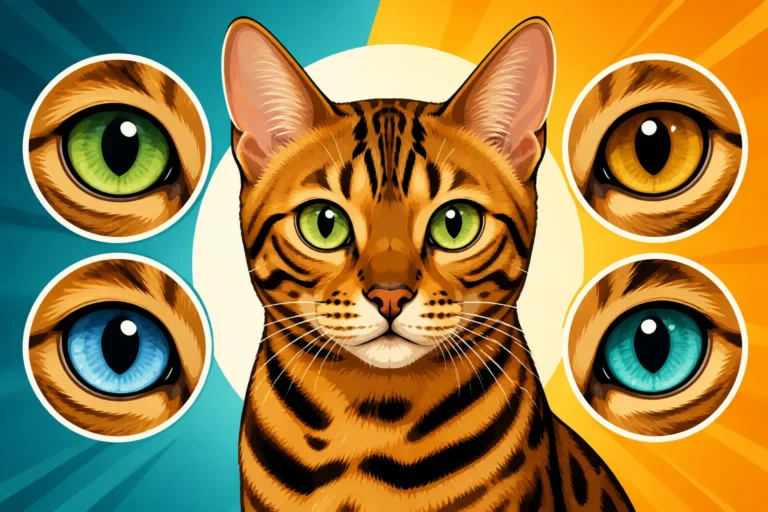
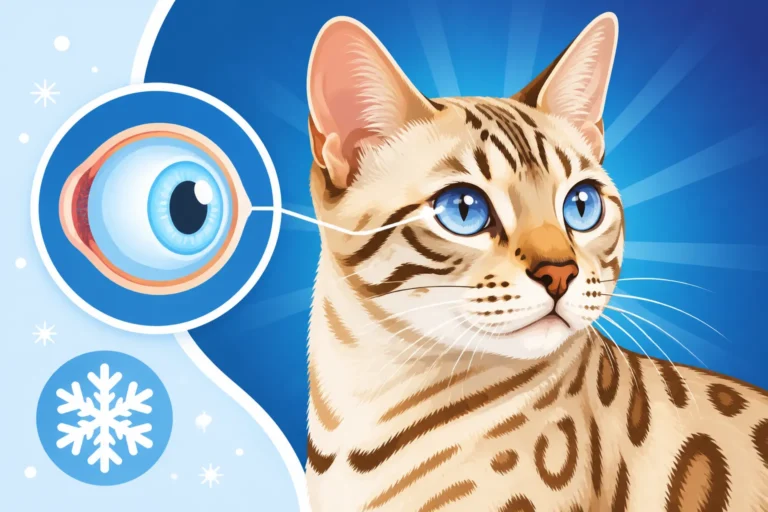
- Eyes: Large, oval, wide-set, any color except blue (unless it's a Snow Bengal).
- Coat: Short, dense, incredibly soft, and often possesses "glitter" – a unique iridescent shimmer.
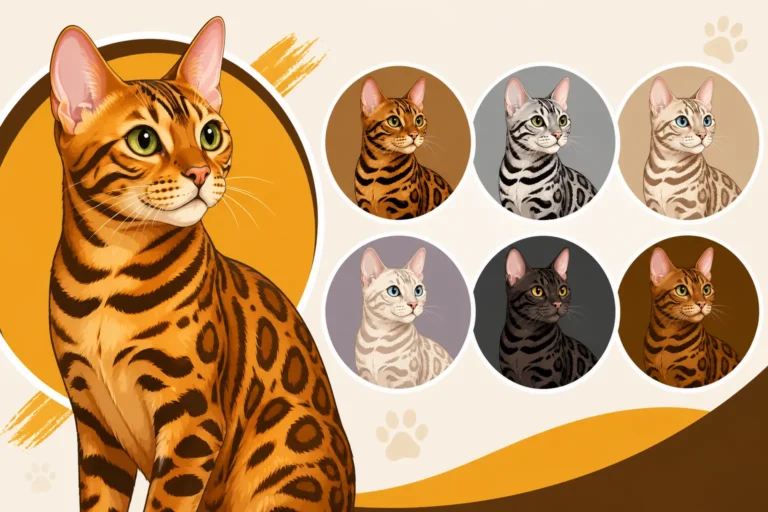
- Pattern: Crucially, the standard defines the accepted patterns: spotted (rosetted being the most prized) and marbled.
- Temperament: While not a physical trait, the standard also emphasizes the Bengal's confident, curious, active, and friendly nature, distinct from a truly wild animal.
This breed standard guides breeders in their selection process, ensuring consistency and promoting the unique traits that make the Bengal cat so beloved. It's a living document, refined over time, but always with the goal of preserving the health, beauty, and domesticity of the breed. Understanding What a Bengal Cat Looks Like by the Standard helps appreciate the meticulous work involved.
The Legacy and Future of the Bengal Cat
The Bengal cat's journey from a scientific experiment and a visionary's dream to one of the most popular and recognized cat breeds is a remarkable story. Their unique origins continue to shape how we understand and care for them.
Why the Bengal Cat Remains So Unique
The Bengal cat stands apart in the feline world for several compelling reasons, all stemming from its origins:
- Exotic Appearance: The direct link to the Asian Leopard Cat means Bengals possess a wild beauty unmatched by most other domestic breeds. The rosetted and marbled patterns, the glittered pelt, and the athletic build are all direct gifts from their wild ancestor.
- Active and Intelligent Temperament: While fully domesticated, Bengals retain a heightened sense of curiosity, intelligence, and an insatiable desire for play and exploration. This energetic personality is a direct inheritance from the ALC's natural hunting instincts and adaptability. They aren't content to simply nap all day; they thrive on interaction and mental stimulation. Many owners find themselves investing in robust toys and enrichment tools, often found on sites like Chewy, to keep their clever Bengals entertained.
- Water Fascination: Unlike many domestic cats, Bengals often love water, a trait that traces back to the ALC's comfort in aquatic environments for hunting. This can manifest as playing in sinks, watching running taps, or even joining their humans in the shower!
These traits, while making Bengals incredibly engaging companions, also mean they require a dedicated owner who understands their specific needs for enrichment, space, and interaction. It’s a commitment, but one that many owners find incredibly rewarding.
Continuing the Legacy and Responsible Breeding
The ongoing legacy of the Bengal cat relies heavily on responsible breeding practices. The early generations faced challenges with fertility and temperament, but decades of careful selection have led to the stable, healthy, and friendly SBT Bengals we have today. Responsible breeders today prioritize:
- Health Testing: Screening for genetic conditions common in Bengals, such as Pyruvate Kinase Deficiency in a Bengal Cat and HCM Is What Kills Bengal Cats Early, is paramount.
- Temperament: Ensuring kittens are well-socialized and have friendly, confident personalities.
- Genetic Diversity: Maintaining a healthy gene pool to prevent inbreeding and promote long-term vitality.
- Adherence to the Standard: Breeding cats that meet the TICA breed standard, not just for looks, but for the inherent qualities that define a Bengal.
The Bengal cat's story is a testament to what can be achieved when passion, science, and careful breeding combine. They are more than just beautiful cats; they are a living bridge between the wild and the domestic, bringing a piece of the jungle into our homes in the most charming and captivating way possible. To truly appreciate The Twelve to Sixteen Years a Bengal Cat Gets, responsible care from day one is essential, built on an understanding of their unique origins.
Disclaimer
This article is for general informational purposes only and does not constitute professional advice. Laws, prices and regulations vary by location and change over time. Consult a qualified professional for guidance on your specific situation.