What Jean Mill’s First Bengal Cat Cross Produced
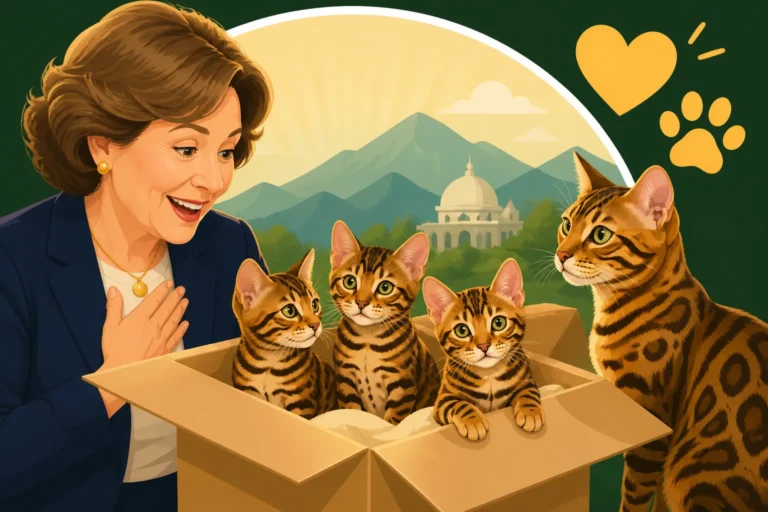
If you've ever gazed into the striking, wild eyes of a Bengal cat and wondered how such a magnificent creature came to be, you're not alone. Many prospective owners are absolutely fascinated by the origin story, and specifically, what happened when the very first domestic cat was crossed with an Asian Leopard Cat by the pioneering breeder, Jean Mill. It wasn't just a simple pairing; it was a carefully considered, often challenging, and ultimately groundbreaking endeavor that set the stage for the beloved breed we know today. This guide will delve deep into the fascinating details of those initial crosses and the incredible offspring they produced.
The Vision Behind the First Cross: Jean Mill's Goal
Imagine standing at the dawn of a new breed, with nothing but a bold idea and the patience of a saint. That was essentially the position Jean Mill found herself in when she embarked on her mission to create the Bengal cat. It wasn't just about making a pretty cat; her vision was much more profound and had practical applications that resonated with her deep understanding of felines. She wasn't just creating a pet; she was attempting to fuse the untamed beauty of the wild with the gentle companionship of a domestic cat.
The Asian Leopard Cat's Allure
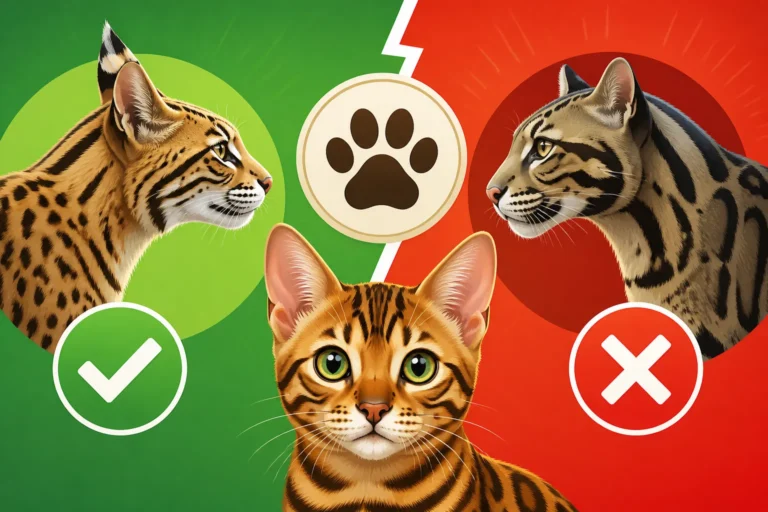
The obvious draw of the Asian Leopard Cat (ALC) was, of course, its stunning appearance. Those exquisite rosettes, the sleek, muscular body, and the confident stride were unlike anything seen in conventional domestic cats. People were, and still are, captivated by that "miniature leopard" look. But for Jean Mill, the ALC offered more than just aesthetics. She recognized its robust health and perhaps even perceived a natural resistance to certain feline diseases, a factor that had been noted in other research involving these wild felines. The idea was to bring this wild resilience into the domestic gene pool, creating a cat that was not only beautiful but also exceptionally hardy. She wanted to harness that primitive strength and beauty without sacrificing the loving nature we seek in a companion. This wasn't about simply taming a wild cat; it was about creating a domestic cat that carried the essence of the wild. If you've ever heard discussions about What an Asian Leopard Cat Is Behind Every Bengal Cat, you know this wild ancestry is key.
A Domestic Cat's Temperament
The challenge, and indeed the entire point, was to integrate the ALC's wild traits with the manageable, affectionate temperament of a domestic cat. No one wants a wild animal living in their home, no matter how beautiful it is. Jean Mill's goal was to produce a cat that looked like it belonged in the jungle but acted like it belonged on your lap (most of the time, anyway!). She carefully selected domestic shorthair cats for their sweet dispositions, their adaptability, and their proven ability to be wonderful companions. The first domestic cats used in her breeding program were not chosen at random; they were selected for specific traits that would complement the wild ALC genetics. This careful pairing was crucial to eventually achieving a cat that could thrive as a pet, integrating into family life rather than constantly trying to escape into the wilderness. It was a delicate balance, walking the line between preserving wild beauty and ensuring domestic suitability.
The Practicalities of the Initial Breeding
Making that first cross wasn't as simple as putting two cats together and hoping for the best. There were significant hurdles, both biological and behavioral, that Jean Mill had to navigate. Early generation breeding is a testament to perseverance and a deep understanding of animal behavior and genetics. It’s a far cry from the accidental litters that sometimes occur.
The Challenging First Pairings
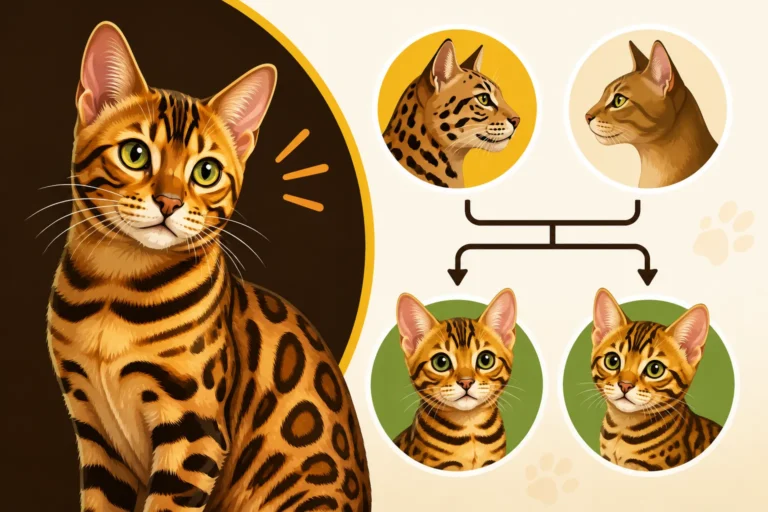
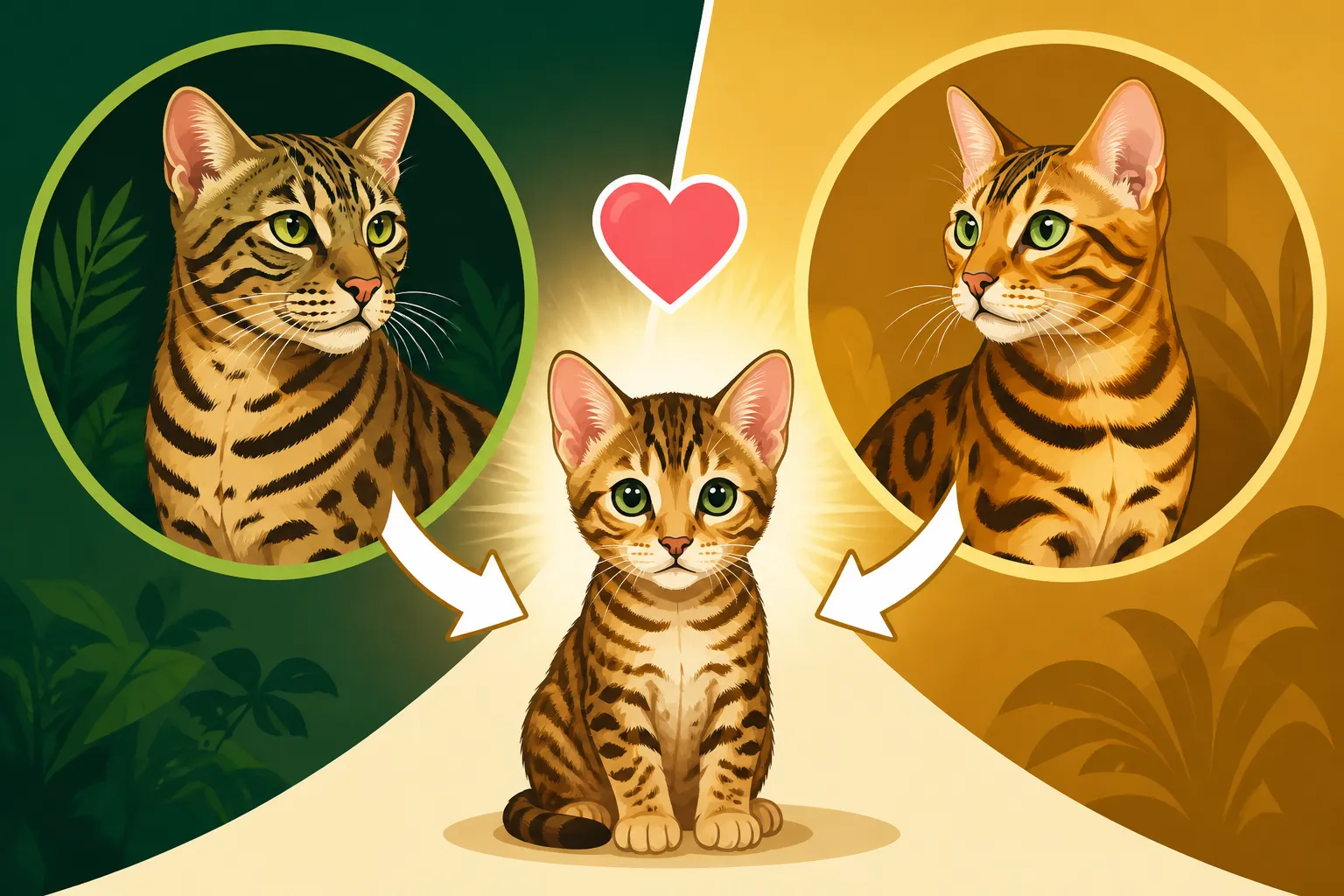
The initial pairings between the small, wild Asian Leopard Cat and a domestic cat were often fraught with difficulties. Imagine trying to get a wild animal, typically solitary and wary, to breed with a domesticated counterpart. Behaviorally, there could be aggression, fear, and a complete lack of interest from the ALC side. Physiologically, there could be size differences and different reproductive cycles. Jean Mill had to observe her animals keenly, understanding their individual personalities and natural rhythms to facilitate these first crucial matings. It wasn't always a smooth process, and certainly, failures were part of the learning curve. These first crosses were often dubbed "F1" or "first filial" generations, a term still used today to denote the direct offspring of an ALC and a domestic cat. Understanding What F1 Means in a Bengal Cat is essential to appreciating these beginnings.
Hybrid Vigor and Initial Health Observations
Despite the challenges, the first generation (F1) Bengal crosses often exhibited what is known as "hybrid vigor." This means they were typically robust, healthy, and often larger than expected, benefiting from the genetic diversity introduced by crossing two distinct species. While their temperament was certainly wilder than a typical domestic cat, their physical health was generally impressive. This initial hardiness was a positive sign that the foundation of the breed would be strong. It validated some of Jean Mill's initial thoughts about bringing the ALC's natural resilience into the domestic realm. Of course, this didn't mean they were immune to all health issues, but it did suggest a solid genetic base. This is a point where some owners might start to consider feeding their active F1 Bengals a high-quality diet, perhaps from a reputable brand available on Chewy, to support their robust nature.
Understanding the F1 Generation: What It Really Meant
The F1 Bengal cat is a truly unique creature, a living bridge between the wild and the domestic. It's not a cat for everyone, and understanding its distinct characteristics is crucial for anyone considering such a special animal. These cats carry a significant percentage of their wild ancestor's DNA, and it profoundly impacts their physical and behavioral traits.
Physical Traits of the First Filial Cross
When you look at an F1 Bengal, you immediately see the striking resemblance to its wild ancestor. They are typically larger and more muscular than a standard domestic cat, with pronounced rosettes, often called "ocelli," on their ears, which resemble false eye spots found on wild cats. Their coats are dense and silky, often with a coveted "glitter" effect that makes them shimmer in the light. They possess powerful hind legs, giving them an incredible jumping ability, and their heads often have that distinctive "wild" look, with smaller ears and large, almond-shaped eyes. Their tails are usually thick and relatively short, tapering to a rounded tip. If you're curious about the exact genetic makeup, discussions about How Much Asian Leopard Cat DNA an F1 Bengal Cat Has really shed light on why they look so wild. They are, in essence, truly miniature leopards walking around your home.
Temperamental Quirks and Challenges
Here's where the "wild" truly comes into play. F1 Bengals are not your average cuddly housecats. They are highly intelligent, incredibly energetic, and possess an intense prey drive. They often retain many wild behaviors, such as shyness with strangers, a strong preference for climbing to the highest points, and an insatiable curiosity that can lead to mischief. They are often vocal, using a range of chirps, growls, and trills that echo their wild heritage. Litter box training can be more challenging for F1s, as their wild instincts might lead them to prefer more natural substrates or areas. For owners, this means significant dedication to enrichment, space, and understanding their unique needs. It's not uncommon for F1 owners to invest heavily in interactive toys and puzzle feeders, perhaps even large bags of high-quality treats from Chewy, to keep these active minds engaged. Anyone researching How an Early Generation Bengal Cat Behaves Differently will quickly learn that these cats are a commitment.
Fertility and the F1 Male Riddle
One of the most significant biological outcomes of the first cross, and indeed the subsequent F2 and F3 generations, was the phenomenon of male sterility. It's a well-documented genetic quirk in hybrid animals: the F1, F2, and often F3 male Bengal cats are typically sterile. This means they cannot reproduce. This characteristic presented a major hurdle for Jean Mill and other early breeders, as it meant only the fertile F1 females could be bred back to domestic males to continue the lineage. It made the breeding process slower and more complex, requiring careful selection of subsequent generations to eventually achieve fertile males and fully domesticable temperaments. This is why discussions about Why F1 to F3 Bengal Cat Males Cannot Breed are so prevalent in the Bengal community. The female F1s, however, are usually fertile and were essential to moving the breed forward.
| Characteristic | Asian Leopard Cat (ALC) | Domestic Cat | F1 Bengal Cross (First Generation) |
|---|---|---|---|
| Appearance | Distinct rosettes, lean, wild | Varied, often tabby or solid | Striking rosettes, muscular, wild look |
| Size | Small to medium (wild cat) | Small to medium (pet cat) | Medium to large, robust |
| Temperament | Wild, solitary, wary | Affectionate, adaptable, social | Highly energetic, intelligent, often shy/wary |
| Vocalization | Chirps, growls, hisses | Meows, purrs, chirps | Wide range, often chirps, growls, trills |
| Prey Drive | Very high | Moderate to high | Very high, intense |
| Climbing Ability | Excellent | Good | Exceptional, seeks high places |
| Water Affinity | Often enjoys water | Varied, often dislikes | Often enjoys water, playful |
| Male Fertility | Fertile | Fertile | Usually sterile |
The Legacy of the First Cross: Laying the Foundation
Jean Mill's initial crosses were not just experiments; they were the critical first steps in establishing a new and recognized cat breed. Without these foundational F1 Bengals, the breed simply wouldn't exist as it does today. They provided the essential genetic blueprint.
The Path to Further Generations
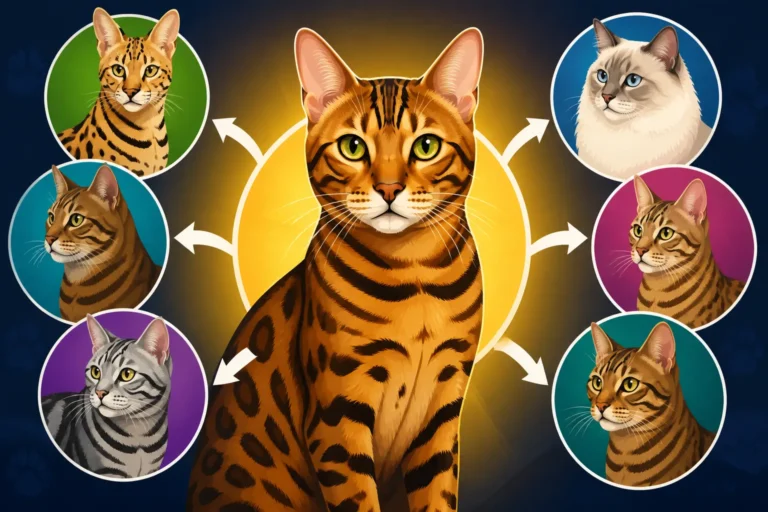
From those initial F1 crosses, breeders meticulously worked through subsequent generations. The F1 females were bred back to domestic Bengal stud cats (or other carefully chosen domestic cats) to produce F2s, then F3s, and so on. Each generation saw a gradual dilution of the wild temperament and an increase in domesticity, while still striving to retain the stunning appearance. The goal was to reach the "SBT" (Stud Book Tradition) generation, which is typically the fourth generation or later, where the cats are considered fully domestic and eligible for championship status in cat registries. This careful, generational breeding was crucial to ensuring the Bengal became a suitable pet while keeping its exotic look. This journey from F1 to SBT is central to the breed's history.
Early Breed Recognition and Standards
The success of these crosses eventually led to the recognition of the Bengal cat as a distinct breed. The International Cat Association (TICA) played a pivotal role in this, eventually accepting the Bengal cat for registration and later granting it championship status. This was a monumental achievement, solidifying the breed's place in the feline world. Breeders worked tirelessly to develop a breed standard, which describes the ideal physical traits and temperament of a Bengal cat. This standard ensures that breeders have a consistent guide to follow, maintaining the unique look and qualities that make the Bengal so special. If you're interested in showing your Bengal, understanding What the Bengal Cat Standard Asks For is paramount. The journey from a wild-domestic cross to a recognized and adored breed is truly remarkable, all stemming from Jean Mill's pioneering work. It's a testament to dedicated breeders and enthusiasts who saw the potential in those very first captivating hybrids.
Disclaimer
This article is for general informational purposes only and does not constitute professional advice. Laws, prices and regulations vary by location and change over time. Consult a qualified professional for guidance on your specific situation.