What the Bengal Cat’s Wild Ancestor Is Like
It's easy to look at a Bengal cat with their striking spots and energetic antics and wonder, "What exactly makes them tick?" Many of us fall in love with their wild appearance, but sometimes forget there's a real, untamed lineage behind that shimmering coat. This guide will delve deep into the life and habits of the Asian Leopard Cat, the captivating wild ancestor that gives our beloved Bengals their unique charm and challenges.
Getting to Know the Asian Leopard Cat (ALC)
When we talk about the Bengal cat's wild ancestor, we're talking about the Asian Leopard Cat, or ALC. These aren't just any wild cats; they are small, beautiful creatures that truly embody the spirit of the wild, and understanding them is key to understanding your Bengal.
What is the Asian Leopard Cat?
The Asian Leopard Cat, known scientifically as Prionailurus bengalensis, is a small wild cat native to various parts of Asia. Don't let the "leopard" in the name fool you into imagining a giant jungle cat; they are much smaller, often closer in size to a large domestic cat or a small bobcat. They inhabit a vast geographical range, stretching from the forests of Pakistan, India, and Southeast Asia, through China and even parts of Russia. This wide distribution means there's a lot of genetic diversity within the species, leading to variations in size, coat patterns, and even behavior depending on their specific region. It's this amazing genetic material that formed the foundation for our modern Bengal cat breed. You can truly see What an Asian Leopard Cat Is Behind Every Bengal Cat when you learn about their traits.
Physical Characteristics: Spotting the Wild Ancestor
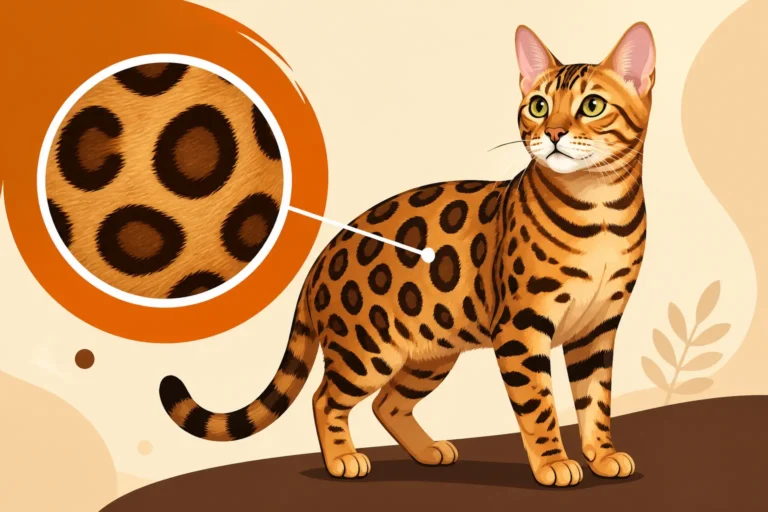
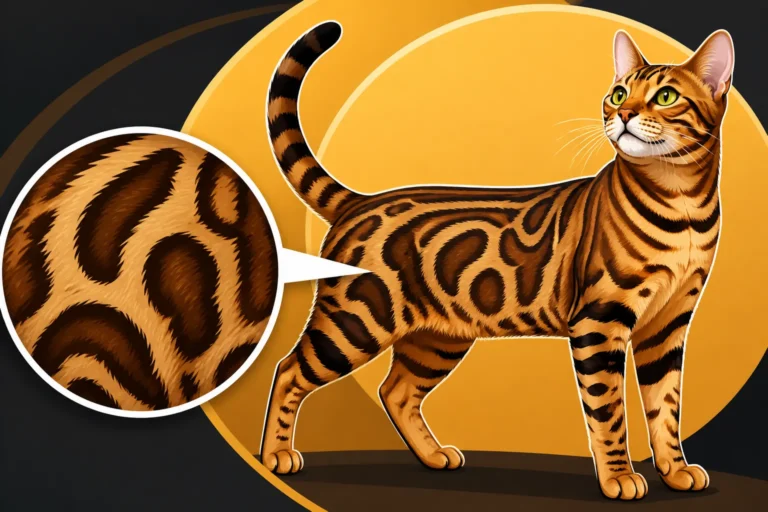
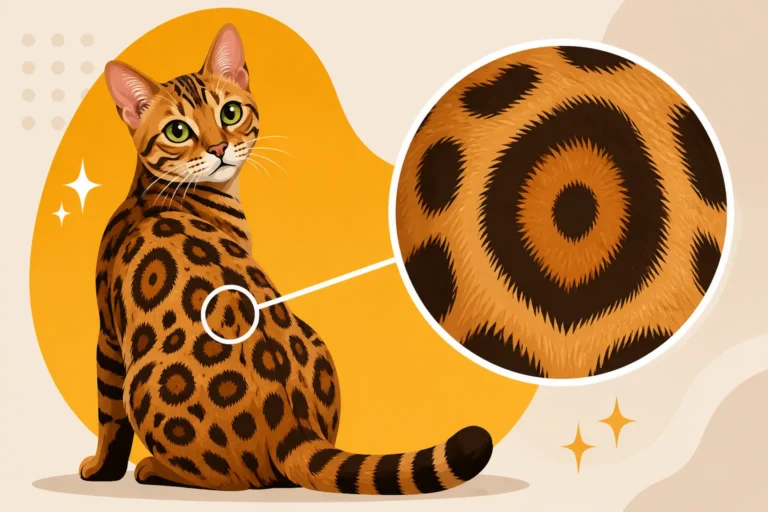
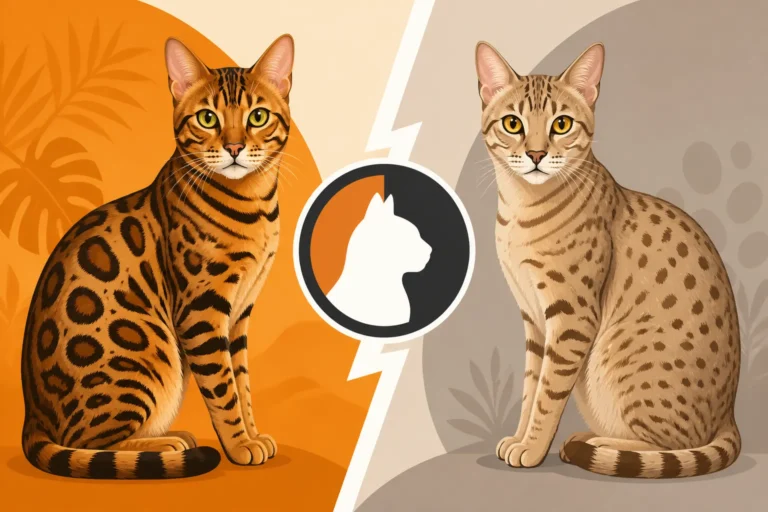
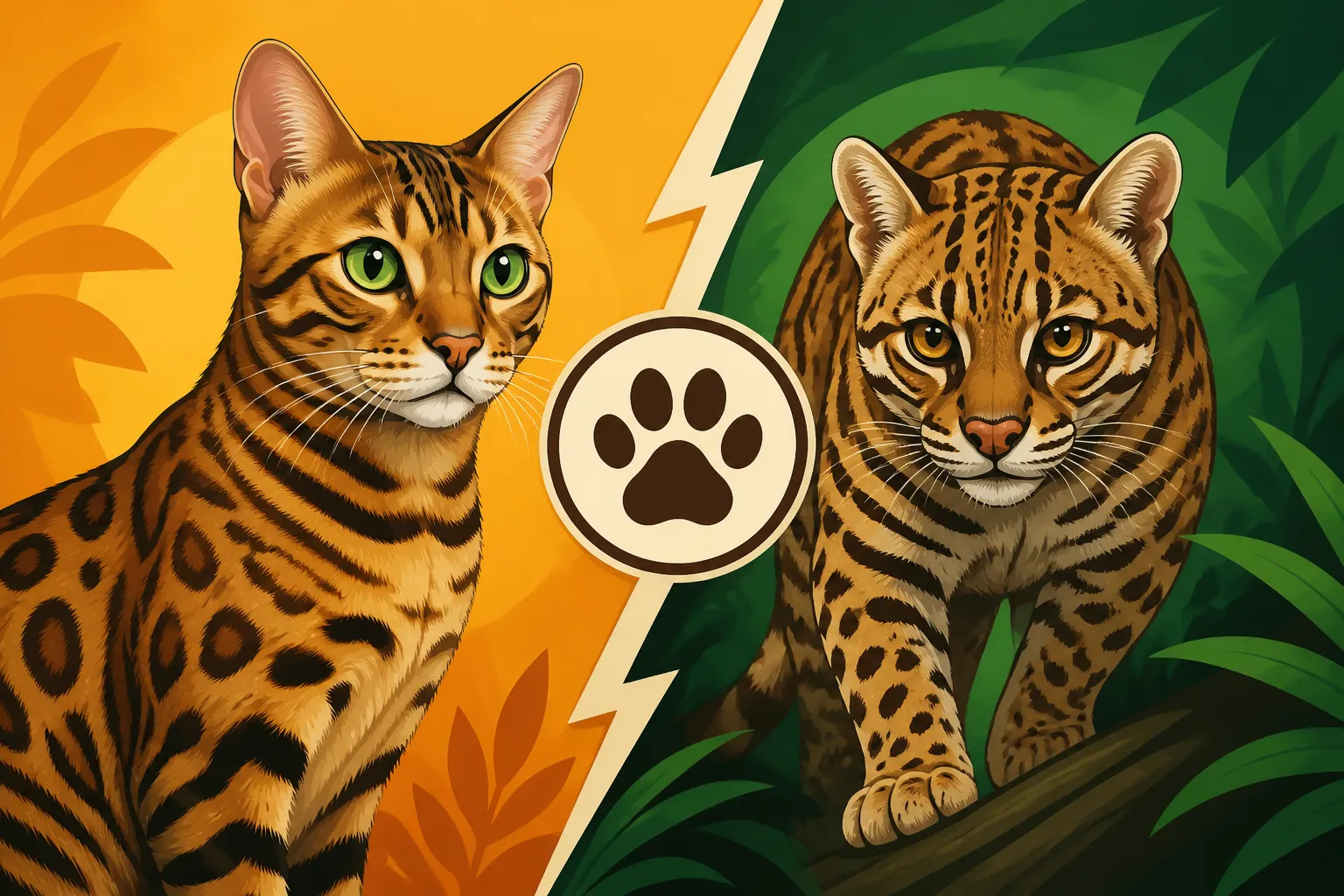
If you've ever seen a picture of an Asian Leopard Cat, you'll immediately notice the striking resemblance to a Bengal. Their coats are typically marked with beautiful, distinct spots, rosettes, or even marbled patterns, providing excellent camouflage in their natural habitats. These patterns vary in color from rusty brown to tawny yellow, often with a white or lighter belly that sports dark spots. Their heads are usually small and rounded, with medium-sized ears that often have a distinct white spot on the back, sometimes referred to as "ocelli," which are thought to act as "false eyes" to deter predators. Their eyes are typically large and expressive, with a striking depth. Unlike many domestic cats, ALCs tend to have a slightly longer body and a relatively short, thick tail. Their hind legs are often notably longer than their front legs, giving them a powerful, athletic stance perfect for leaping and climbing. When you compare your Bengal's physical attributes, you might pick up on many of these subtle wild traits that have been carefully preserved through generations.
Natural Habitat and Environment
The ALC is incredibly adaptable, which contributes to its widespread distribution. You can find them in a diverse array of habitats, from tropical rainforests and subtropical deciduous forests to coniferous forests, scrubland, and even agricultural areas, often near sources of water. They prefer areas with dense vegetation for cover, which helps them ambush prey and hide from larger predators. Their comfort in different climates, from the humid warmth of Southeast Asia to the chillier regions of Siberia, speaks volumes about their resilience. This adaptability is part of what makes the Bengal cat so robust, but it also explains why they often have such strong natural instincts, needing varied environments and enrichment even in a domestic setting. They are true survivors of the wild, always on the alert and incredibly resourceful.
The ALC's Wild Behavior and Temperament
Understanding the behavior of the Asian Leopard Cat isn't just a fun fact; it's crucial for any Bengal cat owner. Many of these instinctual behaviors, both endearing and challenging, echo in our domestic Bengals.
Solitary Hunters of the Wild
Asian Leopard Cats are primarily solitary and nocturnal hunters. They prefer to hunt under the cover of darkness, relying on their keen senses of sight and hearing to locate prey. Their diet in the wild is quite varied, consisting mainly of small rodents, birds, insects, amphibians, and reptiles. They are opportunistic predators, meaning they'll take whatever is available. Unlike many domestic cats who are content to bat at a toy, the ALC has a strong, inherent prey drive that manifests even in a pampered Bengal. This is why The Bengal Cat Is the Most Active Cat You Can Own and why they often thrive on interactive play that simulates hunting, like chasing a feather wand or solving a puzzle feeder from a place like Chewy. They use their agile bodies to stalk, pounce, and capture, demonstrating incredible coordination and stealth. This hunting instinct is deeply ingrained, shaping much of their natural behavior.
The ALC's Water Affinity
One of the most distinctive traits that often surprises new Bengal owners is their profound love for water. Unlike most domestic cat breeds who might tolerate a quick drink from a tap, many ALCs are known to be excellent swimmers and frequently hunt in water, catching fish, frogs, and other aquatic creatures. This isn't just a quirk; it's a survival mechanism in their natural habitats. When you see your Bengal enthusiastically playing in the sink, batting at a running faucet, or even attempting to join you in the shower, you're witnessing a direct link to their wild ancestors. A Bengal Cat Gets in the Shower With You isn't just a funny anecdote; it's a testament to this deep-seated, inherited trait. Providing access to safe water play, such as a cat fountain or a supervised shallow basin, can be a great way to enrich your Bengal's life and fulfill this innate desire.
Communication in the Wild
In the wild, ALCs communicate through a variety of vocalizations, scent marking, and body language. While they don't meow like a typical housecat, they employ a range of chirps, growls, hisses, and snarls. These sounds are used for territorial defense, to warn off rivals, or to communicate with mates during breeding season. While your Bengal might still "meow," you'll often notice a broader, more primitive vocabulary, including chirps, chuffs, and a distinctive yowl or bark that sounds far less domestic. The Bengal Cat Voice Is a Demand, Not a Greeting is a perfect description of how their wild communication style translates into their interactions with us. They also use scent marking extensively, rubbing against objects and spraying urine to establish their territory. While domestic Bengals are generally litter trained, these territorial instincts can sometimes manifest in spraying behavior if they feel stressed or their environment isn't secure.
Survival Strategies and Lifestyle
The life of an Asian Leopard Cat in the wild is one of constant adaptation and survival. These strategies have, in turn, shaped the core characteristics of the Bengal cat we know and love today.
Territorial Instincts and Ranging Behavior
Asian Leopard Cats are highly territorial animals. In the wild, they establish and maintain specific home ranges that they defend against intruders. The size of their territory can vary significantly depending on the availability of food and other resources, but it can be quite extensive for such a small cat. They use scent markings, claw marks on trees, and vocalizations to communicate their presence and warn off rivals. This strong territorial instinct often translates into a Bengal cat's need for ample space, vertical climbing opportunities, and a sense of ownership over their environment. This is why a secure outdoor enclosure, or "catio," can be an incredible asset for a Bengal, allowing them to survey their domain safely. Why a Bengal Cat Needs a Catio is more than just about safety; it's about fulfilling their deep-seated need for territory and exploration.
Reproduction and Rearing Young
In their natural environment, Asian Leopard Cats typically breed once or twice a year, though this can vary by region. Gestation usually lasts around 60 to 70 days, resulting in a litter of one to four kittens. The mother ALC is solely responsible for raising her young, teaching them essential hunting and survival skills. The kittens remain with their mother for several months, learning by observation and practice before venturing out to establish their own territories. This intensive rearing period instills vital instincts. In the early generations of Bengal cats (F1, F2, F3), the wild instincts of the ALC mothers are very pronounced, often leading to shy or less domesticated behavior in their offspring. It takes many generations of selective breeding to achieve the sweet, yet still wild-looking, temperament of an SBT (Stud Book Tradition) Bengal. How a Bengal Cat's Generation Is Counted directly relates to how much of this wild rearing instinct is present.
Challenges in the Wild
Life for an Asian Leopard Cat in the wild is fraught with challenges. They face threats from larger predators like leopards, tigers, and even pythons. Habitat loss and fragmentation due to human encroachment, deforestation, and agricultural expansion are significant concerns, reducing their available hunting grounds and safe havens. They also face risks from poaching for their fur and being caught in traps. This constant struggle for survival has honed their senses and instincts, making them incredibly alert, agile, and resilient. It underscores why providing a stimulating, secure, and enriched environment for our domestic Bengals is so vital, allowing them to express their natural behaviors without the harsh realities of the wild.
How the ALC Influences the Bengal Cat
Every single characteristic that makes a Bengal cat so captivating – from their looks to their energy – is a direct inheritance from their Asian Leopard Cat ancestors. It's truly fascinating to see how these wild traits manifest in our beloved house pets.
Inherited Traits: Looks and Build
The most obvious influence of the ALC on the Bengal cat is their stunning appearance. Those beautiful spots, rosettes, and marbled patterns? Straight from the wild. The unique "glitter" gene, which makes their coats shimmer as if dusted with gold, is also a trait passed down. Beyond the coat, the ALC contributes to the Bengal's athletic, muscular build. They often have longer hind legs than front, making them powerful jumpers. Their small, rounded heads, distinct ear markings, and large, expressive eyes are all hallmarks of their wild lineage. Even the texture of their coat, often described as a "pelt" rather than fur due to its short, silky, and close-lying nature, is an ALC characteristic. This means a Bengal typically sheds less than many other breeds. To understand the depth of this influence, it's worth exploring Why the Bengal Cat's Coat Came From the Asian Leopard Cat.
Behavioral Echoes in Domestic Life
The ALC's influence extends far beyond looks. Many of the behaviors that make Bengals so unique stem directly from their wild ancestry. Their insatiable curiosity and high energy levels are a direct echo of a species that constantly hunts and explores. The famous Bengal cat love for water, as we discussed, is another prime example. Their highly vocal nature, often expressed through chirps, chuffs, and demanding yowls rather than gentle meows, also traces back to their wild communication patterns. Furthermore, their extraordinary intelligence and problem-solving skills, vital for survival in the wild, mean that Bengals need constant mental stimulation. Without it, they can become bored and destructive, a common complaint among owners who don't understand these deeply ingrained needs. Providing engaging toys, puzzle feeders, and regular interactive play is essential to prevent a bored Bengal from redecorating your home in their own unique, wild way.
The Hybrid Vigor and Health
The process of creating the Bengal cat through hybridization with the Asian Leopard Cat brought with it what's known as "hybrid vigor." This often means that the initial crosses and subsequent generations can be quite robust and healthy due to the mixing of diverse gene pools. However, this doesn't mean Bengals are immune to all health issues. Like any breed, they have specific genetic predispositions that responsible breeders test for. For example, some Bengals can inherit conditions like Pyruvate Kinase Deficiency in a Bengal Cat or HCM Is What Kills Bengal Cats Early, which are important considerations. The ALC's gut, adapted to a varied wild diet, can also be quite sensitive, leading to issues like Chronic Diarrhea Is the Bengal Cat Complaint Nobody Warns About. Understanding the ancestral diet of the ALC, which is high in protein and moisture, helps inform the best nutritional choices for your Bengal, often leading owners to consider specialized diets or high-quality wet foods available at stores like Chewy.
Respecting the Wild Heritage in Your Bengal
Owning a Bengal cat is a unique experience, largely because you're bringing a piece of the wild into your home. Respecting and understanding their wild heritage is key to a happy and harmonious life together.
Meeting Their Instinctual Needs
Because of their ALC ancestry, Bengals have strong instinctual needs that differ from typical domestic cats. They require significant mental and physical exercise. This isn't a cat content to lounge on the sofa all day; they need to climb, run, hunt (through play), and explore. Providing ample vertical space with tall cat trees, wall shelves, and even enclosed outdoor areas like catios is paramount. Regular interactive play sessions with wand toys that simulate prey are crucial. Without these outlets, a Bengal can become frustrated, leading to destructive behaviors, excessive vocalization, or even aggression. Remember, the goal isn't to erase their wild instincts, but to provide safe and appropriate ways for them to express them within your home.
The Importance of Socialization
While their wild ancestors are solitary, proper socialization from a young age helps temper these instincts in a domestic Bengal. A well-socialized Bengal kitten learns to interact positively with humans, other pets, and new environments. Early exposure to various sights, sounds, and gentle handling helps them develop into confident, friendly companions. However, even with excellent socialization, a Bengal will retain a certain independent spirit and keen awareness of their surroundings. They are often incredibly intelligent and observant, learning quickly from their environment. This is why it's vital to begin positive training early, as their cleverness, inherited from their wild lineage, can be channeled productively. You might even find them learning tricks quickly! For more on this, check out How Intelligent a Bengal Cat Is.
Understanding the "Wild" in Your Pet
Ultimately, owning a Bengal cat means embracing the "wild" side that makes them so special. It means accepting that they might be more energetic, more vocal, and more demanding of your attention than a typical housecat. It means understanding their instinct to climb to the highest point in the room, to play in the bathtub, or to "hunt" your feet under the blankets. It's about providing an environment that caters to their natural tendencies while ensuring they are safe, loved, and properly cared for. While we've domesticated them over generations, the Asian Leopard Cat remains a profound influence, a constant reminder of the wild beauty and vibrant spirit residing within our stunning Bengal companions.
| Trait Category | Asian Leopard Cat (Wild Ancestor) | Bengal Cat (Domesticated Descendant) |
|---|---|---|
| Physical | Medium-sized, athletic, distinct spots/rosettes, white ocelli on ears. | Similar appearance, varied patterns, often with "glitter," muscular build. |
| Habitat | Wide range across Asia, dense vegetation, near water. | Adaptable to indoor living, but thrives with vertical space and enrichment. |
| Diet | Opportunistic hunter of small mammals, birds, fish, insects. | Needs high-protein, moisture-rich diet, often sensitive gut. |
| Behavior | Solitary, nocturnal, highly territorial, strong prey drive, loves water. | High energy, playful, curious, loves water, strong prey drive, can be vocal. |
| Socialization | Solitary, avoids humans. | Can be affectionate and social with proper upbringing; retains independence. |
| Vocalizations | Chirps, growls, hisses, snarls; less typical "meowing." | Wide range of chirps, chuffs, demanding yowls; some meowing. |
Disclaimer
This article is for general informational purposes only and does not constitute professional advice. Laws, prices and regulations vary by location and change over time. Consult a qualified professional for guidance on your specific situation.