What F1 Means in a Bengal Cat
One of the biggest mysteries for new Bengal cat enthusiasts often revolves around those intriguing "F" numbers. You see F1, F2, F3, and then suddenly SBT, and it can feel like you need a secret decoder ring just to understand what kind of cat you're even looking at. It's truly confusing when breeders and regulations throw these terms around without much explanation, leaving you wondering if you're looking at a wild animal or a cuddly house cat. This guide is going to strip away the confusion and dive deep into what an F1 Bengal cat truly means, from its unique ancestry to the realities of sharing your home with such a special feline.
Understanding the Bengal Cat's Unique Ancestry
Before we can truly grasp what an F1 Bengal cat is, we need to take a step back and understand where this remarkable breed came from. It’s a fascinating journey that began not in a plush cattery, but with scientific curiosity and the incredible genetics of a wild cat. This deep dive into their roots helps explain why Bengals are so different from your average tabby.
The Asian Leopard Cat: Wild Ancestor
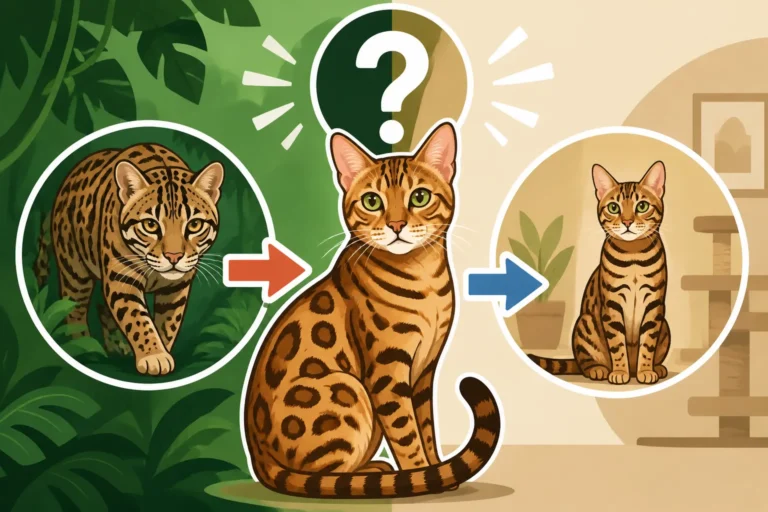
At the very heart of every Bengal cat, no matter how many generations removed, lies the Asian Leopard Cat (ALC), Prionailurus bengalensis. This isn't just a distant cousin; it's the direct, wild ancestor that gives the Bengal its stunning appearance and many of its distinctive personality traits. These beautiful wild cats are typically small, slender, and known for their striking spotted coats, much like miniature leopards, hence their name. They thrive in various habitats across Asia, from dense forests to scrubland, showcasing a resilience and hunting prowess that is deeply ingrained in their DNA.
The ALC isn't merely a pretty face; it carries unique genetic traits, including a remarkable resistance to certain feline diseases, which was part of the original scientific interest in cross-breeding them. When you look into a Bengal's eyes, or watch it move with such athletic grace, you're seeing echoes of this wild lineage. It's a powerful reminder that despite their domestic upbringing, a part of the jungle truly lives within them. Understanding the ALC is crucial to appreciating the unique nature of an F1 Bengal, as it is the generation closest to this magnificent wild cat. What an Asian Leopard Cat Is Behind Every Bengal Cat explores this fascinating ancestor in more detail.
The Genesis: First Crosses
The story of the Bengal cat truly begins with deliberate crosses between the wild Asian Leopard Cat and domestic house cats. This wasn't a random occurrence but a carefully considered project, notably by Jean Mill in the early 1960s, and later by Dr. Willard Centerwall, who used ALCs in a breeding program at Loma Linda University to study feline leukemia resistance. These pioneering efforts were the very first steps in creating what we now know as the Bengal breed. Imagine the challenge and excitement of bringing two such disparate worlds together – the untamed wild and the familiar domesticity.
The initial goal was multifaceted: some aimed to create a cat with the exotic beauty of a wild feline but the gentle temperament of a pet, while others focused on the scientific benefits. These first crosses were often fraught with difficulties, as wild animals and domestic ones don't always breed easily or produce fertile offspring. However, these foundational pairings laid the groundwork for every subsequent Bengal cat. It’s a testament to the dedication of these early breeders that we have the breed we do today. This process is fascinating, and you can learn more about how it all started in A Leopard Cat and a Housecat Made the First Bengal Cat.
Why 'Filial' Matters in Bengal Cats
The term "filial" is a fancy way of talking about generations in genetics, and for Bengal cats, it's absolutely paramount. It’s how we measure how many steps removed a particular Bengal is from its wild Asian Leopard Cat ancestor. Each "F" number directly tells you about that cat's immediate lineage. An F1 is one generation removed, F2 is two, and so on. This isn't just an arbitrary number; it has profound implications for a cat's temperament, physical characteristics, care requirements, and even its legality in certain areas.
When you're considering a Bengal, understanding the filial generation is arguably more important than almost any other factor. It influences everything from how much wild instinct you might expect to how much daily enrichment they’ll need. For instance, an F1 cat will inherently have a much stronger connection to its ALC heritage than an F5. This system helps prospective owners and breeders navigate the complexities of owning these magnificent animals, ensuring they're prepared for what comes with each generation.
Deciphering the "F1" Designation
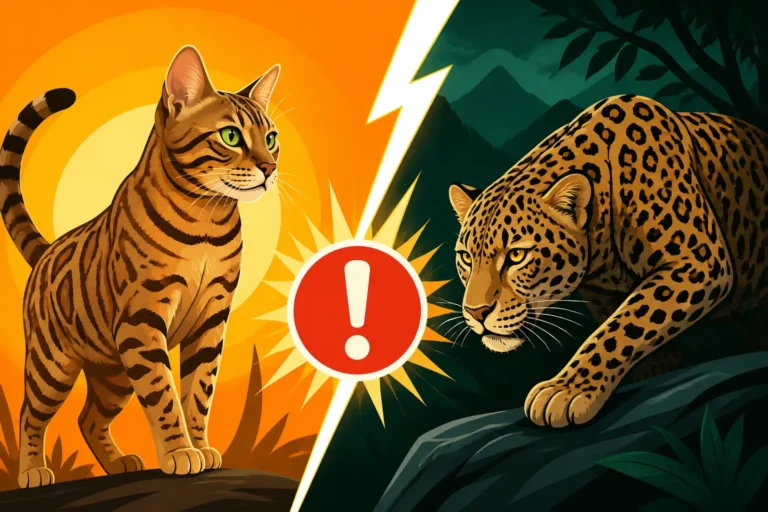
So, you've heard the term "F1 Bengal" and might picture a cat fresh from the jungle. While that's not quite accurate, the "F1" designation is indeed special, marking a crucial stage in the Bengal cat's development as a breed. It signifies a direct, immediate link to their wild heritage, setting them apart significantly from later generations.
The Direct Hybrid Definition
An F1 Bengal cat is, by definition, a first-generation hybrid. This means it is the direct offspring of a purebred Asian Leopard Cat (ALC) and a domestic cat. Typically, the mother is the ALC, and the father is a domestic cat, often a purebred Bengal or another suitable domestic breed chosen for its temperament and health. This specific pairing is what gives the F1 its unique status. They are literally the bridge between the wild and the domestic feline world, carrying a significant portion of their wild parent's genetics.
Because of this direct lineage, F1 Bengals are quite rare and require very specialized care. They are not just "big" or "wild-looking" domestic cats; they are fundamentally different in their instincts and needs. This direct hybridization is why they embody so many of the striking traits associated with the ALC, making them captivating but also demanding companions. It's a commitment that's not for the faint of heart, but incredibly rewarding for those prepared.
The Percentage of Wild DNA
When you talk about an F1 Bengal, you're looking at a cat that typically carries around 50% Asian Leopard Cat DNA. This isn't an exact science, as genetics can be a bit quirky, but it's a good general rule. That 50% isn't just a number; it translates into distinct physical and behavioral traits. They will exhibit the most pronounced "wild look," often larger in size with more intense patterning, a powerful build, and the characteristic small, rounded ears of their ALC parent. But it's not just physical.
That significant percentage of wild DNA also means a stronger instinctual drive. You might see heightened hunting instincts, more territorial behaviors, and a greater need for specific enrichment that mimics their natural environment. This is why you simply can't treat an F1 like a regular domestic cat – their genetic makeup dictates a very different set of needs and behaviors. Understanding How Much Wild DNA an F1 Bengal Cat Has really drives home the impact of this genetic blend.
The Legal and Ethical Implications of F1
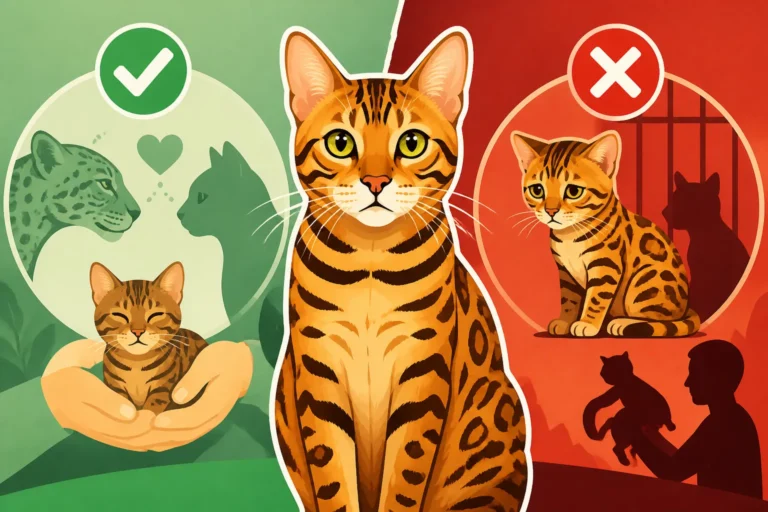
Due to their close proximity to their wild ancestors, F1 Bengal cats come with a unique set of legal and ethical considerations. In many regions, owning an F1 Bengal is either outright banned or heavily restricted, requiring special permits, enclosures, and extensive paperwork. This isn't to punish owners, but to ensure public safety and the well-being of the animal, as their semi-wild nature can pose challenges if not managed properly. Before even considering an F1, you absolutely must research your local and state laws. Why the Generation Number Decides Whether You Can Own a Bengal Cat offers a comprehensive look at these regulations.
Ethically, owning an F1 also brings significant responsibility. These aren't creatures to be acquired on a whim. Their complex needs mean they require dedicated owners who are prepared for a long-term commitment to providing an appropriate environment, specialized diet, and extensive socialization. There's a debate within the cat community about the ethics of breeding early-generation hybrids at all, focusing on the welfare of both the ALC parent and the F1 offspring. Responsible breeders prioritize health and temperament, but the inherent challenges remain.
Distinct Characteristics of an F1 Bengal Cat
The F1 Bengal cat is a creature of striking contrasts, inheriting a fascinating blend of traits from both its wild and domestic parents. These characteristics make them utterly unique, but also demand a specific type of owner and environment.
Temperament: A Bridge Between Worlds
The temperament of an F1 Bengal truly is a bridge between two worlds. You'll find incredible intelligence, intense curiosity, and a deep sensitivity that reflects their wild heritage. They are often less outwardly affectionate in a typical "lap cat" way than later generations, preferring to observe and interact on their own terms. However, they can form incredibly strong bonds with their chosen human companions, often displaying a fierce loyalty. This bond, though, usually requires significant effort and understanding from the owner.
Their playful nature is often more intense and primitive; think pouncing, stalking, and hunting games that last for hours. They can be wary of strangers and may take a long time to warm up to new people or situations. It's a common frustration for F1 owners to realize that their cat won't immediately cuddle like a standard house cat. They are not dogs, despite often being described as "dog-like" in their loyalty or ability to be leash-trained. Instead, they are highly independent, requiring respect for their space and their inherent wild instincts. How an Early Generation Bengal Cat Behaves Differently delves into more of these nuances.
Physical Traits: Closest to the Wild
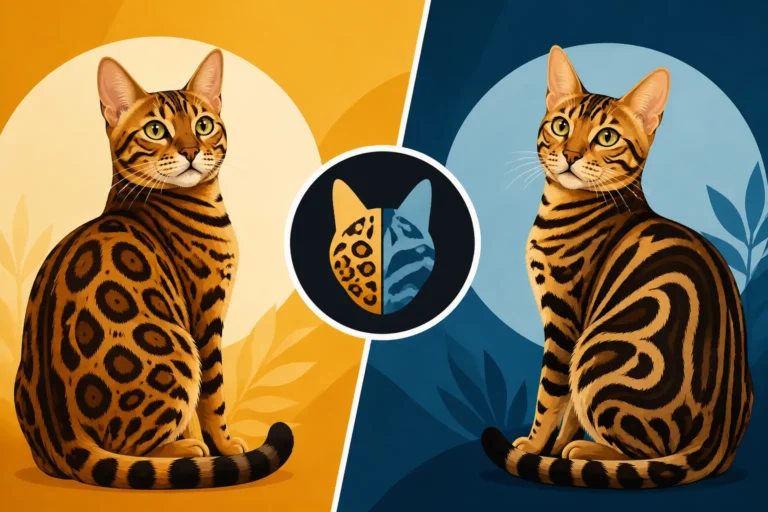
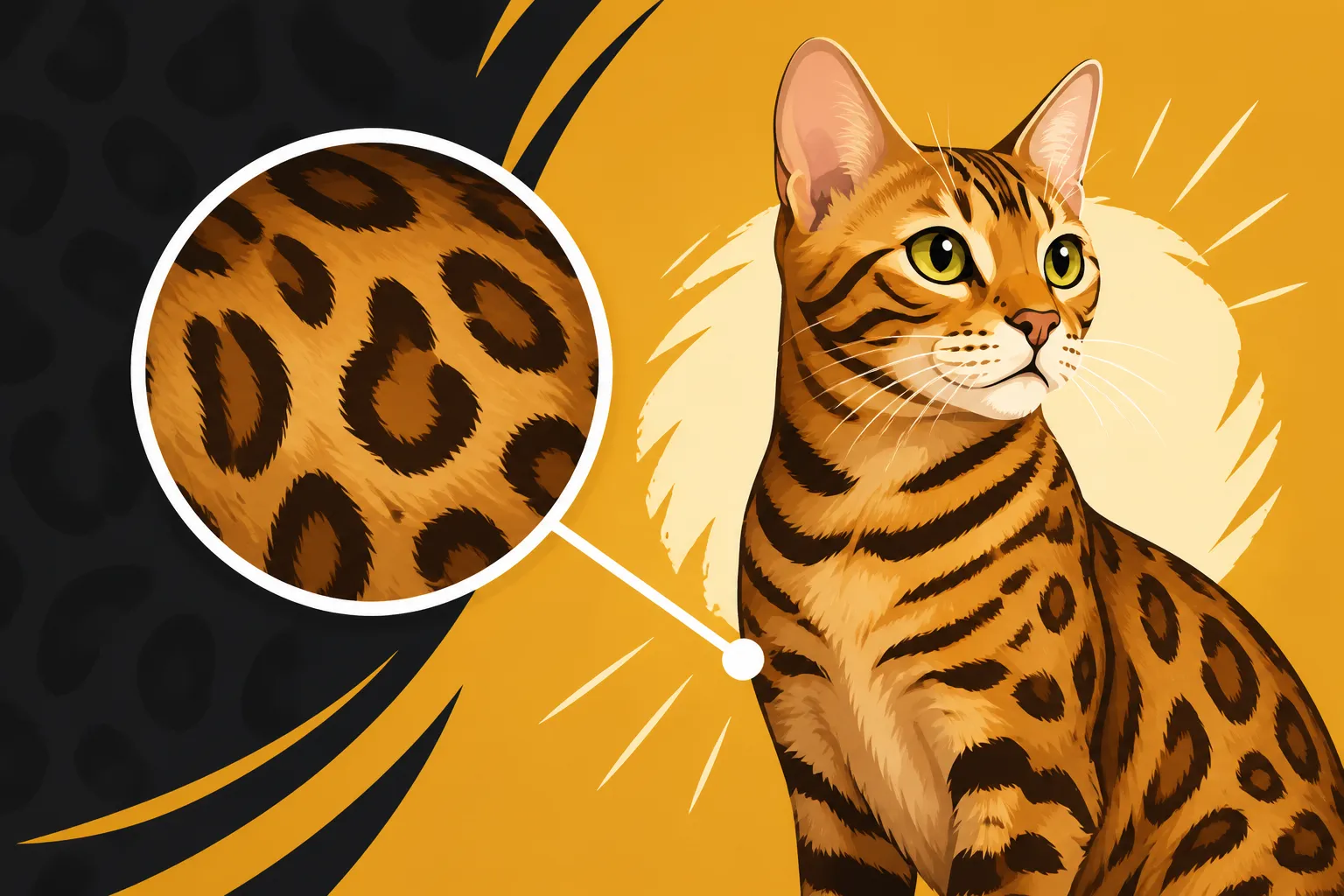
Physically, F1 Bengals are the closest you can get to the look of an Asian Leopard Cat. They are typically larger and more powerfully built than domestic cats, with a lean, muscular physique that speaks to their agility and strength. Their coat patterns are often exceptionally clear and vibrant, featuring rich rosettes or intricate marbling, often with a highly contrasting background and that signature "glitter" that makes their fur shimmer in the light. Their heads tend to be smaller in proportion to their bodies, with prominent whisker pads and often larger, more expressive eyes.
One of the most defining physical characteristics is their wild "pelt" coat – incredibly soft and smooth, lying close to the body, and often requiring minimal grooming. You might also notice their shorter tails, often thicker at the base, and their characteristic "wild" gait, a low-slung, powerful walk. While they possess breathtaking beauty, these physical traits aren't just for show; they are functional adaptations that have served their wild ancestors well for millennia.
Care Requirements: More Than a Regular Cat
Caring for an F1 Bengal cat is a whole different ballgame compared to owning a typical domestic cat. Their needs are amplified across the board, from diet to housing. You cannot simply expect them to thrive with a standard bowl of kibble and a few toys. They demand a high-quality, often high-protein diet, sometimes even raw, to sustain their energy levels and mimic what their wild ancestors would eat. Many F1 owners find themselves consulting with vets and nutritionists to ensure their cat is getting proper nourishment, often sourcing specialized food through retailers like Chewy.
Beyond food, their environment needs to be robust. Standard cat trees might not hold up to their powerful jumps and climbing prowess, and regular litter boxes can become quite the excavation sites. They need ample vertical space, strong scratching posts, and engaging toys that can withstand their intense play. Their intelligence also means they can quickly become bored, leading to destructive behaviors if their environment isn't stimulating enough. It's truly an investment in time, space, and resources.
Living with an F1 Bengal: The Reality
Bringing an F1 Bengal cat into your home isn't just about admiring their wild beauty; it's about fully embracing their unique needs and challenges. The reality of living with such an animal is often far more demanding than many prospective owners initially realize.
Specialized Environment and Enrichment
Due to their significant wild heritage, F1 Bengals require an environment that caters to their instinctual behaviors. This means more than just a few toys scattered on the floor. They need vast amounts of vertical space for climbing, exploring, and surveying their territory. Tall, sturdy cat trees that reach the ceiling are often a necessity, along with wall-mounted shelves and pathways. Many F1 owners invest in secure outdoor enclosures, known as catios, to allow their cats safe access to the outdoors without the risks of free-roaming. Why a Catio Is the Answer to a Bengal Cat explains why these are so crucial for Bengals, especially early generations.
Enrichment is not optional; it’s vital for their mental and physical well-being. Puzzle feeders are excellent for challenging their intelligence and hunting instincts, while interactive toys that mimic prey can keep them engaged for hours. Water play is another common enjoyment for them, so providing a pet-safe water fountain or even supervising them in a shallow bath can be part of their routine. Neglecting their need for stimulation can lead to boredom, stress, and destructive behaviors like excessive scratching, chewing, or even inappropriate elimination. Finding durable and engaging toys often involves searching specialized pet suppliers or large online retailers like Chewy.
Training and Socialization Challenges
Training and socialization are crucial for an F1 Bengal, but they also present significant challenges compared to domestic cats. While they are highly intelligent and can learn commands and tricks, their independent and sometimes wary nature means it takes immense patience and consistency. Clicker training often works well, leveraging their intelligence and natural curiosity. However, don't expect instant obedience; they are cats, after all, and F1s particularly march to the beat of their own drum.
Socialization, especially from a young age, is paramount to help them acclimate to human interaction and their environment. Early exposure to different people, sounds, and experiences in a positive, controlled manner can help them become more confident and less fearful. However, their inherent wariness of strangers often remains, and they may bond very strongly with one or two primary caregivers while remaining aloof with others. It's also important to consider that Whether an F1 Bengal Cat Uses a Litter Box can be a concern for some, requiring diligent training and appropriate litter box setups.
Health Considerations Specific to F1s
While Bengal cats, in general, are known for their robust health, F1s can have some specific considerations tied to their wild ancestry. Some F1s might have more sensitive digestive systems, requiring very particular diets to prevent chronic diarrhea or other gastrointestinal issues. It's not uncommon for owners to experiment with different high-quality, grain-free, or even raw food options, often consulting with veterinarians and finding suitable products on platforms like Chewy.
Additionally, certain wild traits, while appearing healthy, can mask underlying issues. For example, their natural stoicism can make it harder for owners to spot signs of discomfort or illness. Regular veterinary check-ups are essential, and it's important to find a vet experienced with hybrid breeds who understands their unique physiology. While the initial goal of breeding ALCs was partly for disease resistance, F1s are not immune to all common feline ailments, so a proactive approach to their health is always best.
The Journey Beyond F1: Subsequent Generations
Understanding the F1 is key, but it's also important to see how the breed evolves through subsequent generations. The "F" numbers are a roadmap, showing the progressive journey from wild hybrid to fully domesticated pedigree cat.
F2 and F3: Further Dilution of Wild Traits
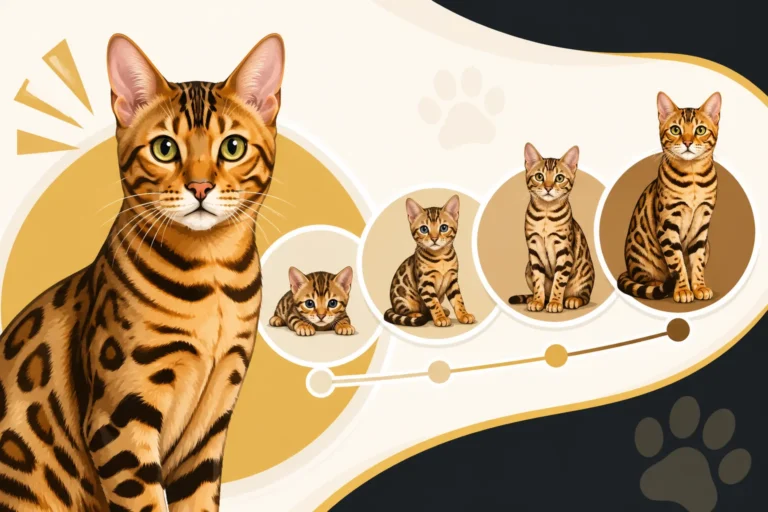
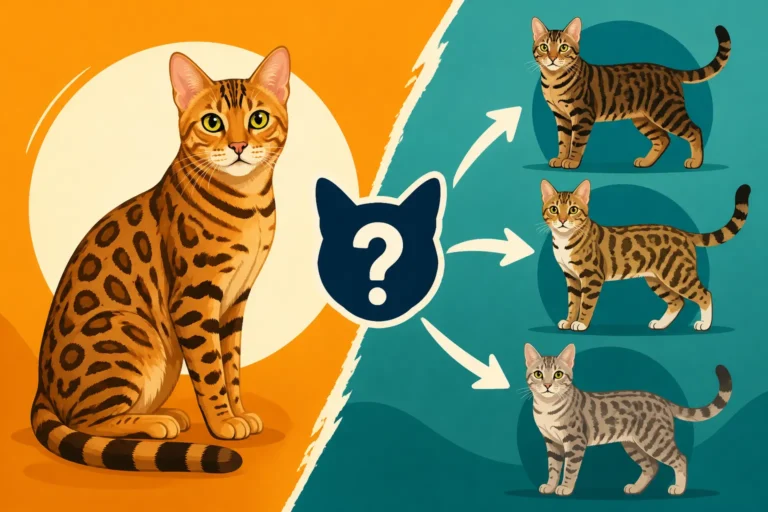
As you move beyond the F1 generation, into F2 and F3, you see a gradual "dilution" of the immediate wild traits. An F2 Bengal has one ALC grandparent, and an F3 has one ALC great-grandparent. This means they are progressively less wild in temperament and often slightly less extreme in their physical appearance. The intensity of their wild instincts, while still present, begins to soften.
F2s can still be quite demanding, requiring significant enrichment and consistent socialization, but often show a bit more inclination towards domestic cat behaviors. F3s are generally more predictable, often considered the "stepping stone" generation where the domestic temperament becomes more prominent, making them a better fit for a wider range of pet owners. While they still retain the stunning exotic look, the daily challenges of an F1 are significantly lessened in these generations. It's a testament to selective breeding that the Bengal can transition so gracefully. F1 to SBT: How a Bengal Cat's Generation Is Counted clearly outlines this fascinating progression.
SBT: The Fully Domesticated Bengal
The term "SBT" stands for "Stud Book Tradition," and it marks the point where a Bengal cat is considered fully domesticated and a recognized pedigree breed by associations like TICA (The International Cat Association). An SBT Bengal is at least four generations removed from its wild Asian Leopard Cat ancestor (F4 or later) and has a fully domestic Bengal pedigree on both sides for at least three generations. This means that an SBT Bengal is no longer a "hybrid" in the eyes of the registries but a purebred domestic cat.
SBT Bengals are the most common type found in pet homes. They retain the stunning wild look, the active and intelligent personality, and the love for water that makes Bengals famous, but with a temperament that is generally much more aligned with a typical domestic cat. They are often more outwardly affectionate, more adaptable to varied home environments, and generally easier to manage for first-time Bengal owners. This is the generation where the breed truly shines as an exotic yet lovable household companion.
Why Generation Matters for Pet Owners
For prospective pet owners, the generation number is absolutely critical. It’s not just a detail; it dictates the kind of cat you're bringing into your home and the lifestyle adjustments you'll need to make. If you're looking for a highly independent, intensely active cat that demands a significant commitment to specialized care and environment, an F1 or F2 might be for you. You'd need to be prepared for the legal implications and the behavioral nuances that come with such close wild lineage.
However, if you're seeking a cat with the exotic beauty and lively personality of a Bengal, but with a more predictable and domestic temperament, an SBT Bengal is almost certainly the right choice. They offer all the visual appeal and much of the intelligence without the intense demands of early generations. Understanding this distinction can prevent a lot of heartache and ensure both you and your Bengal find a happy, fulfilling life together.
| Feature | F1 Bengal Cat (First Generation) | SBT Bengal Cat (Stud Book Tradition) |
|---|---|---|
| Ancestry | Direct offspring of ALC x Domestic Cat | At least 4 generations removed from ALC, full Bengal pedigree |
| Wild DNA % | ~50% Asian Leopard Cat | Minimal, diluted over generations |
| Temperament | Stronger wild instincts, often wary, highly intelligent, independent | Generally more domestic, outgoing, intelligent, can be very affectionate |
| Physical Size | Often larger, more muscular, closest to ALC size | Varies, but typically within standard domestic cat size range |
| Legality | Often restricted or illegal in many areas, requires permits | Legal to own in most places, considered a domestic cat |
| Care Needs | Very high: specialized diet, extensive enrichment, secure enclosure | High: active breed needs plenty of play, good diet, regular cat care |
| Breeding Status | F1 males are typically sterile, females fertile (but challenging) | Both males and females are fertile, breed recognized by TICA |
| Suitability | Experienced owners, specific lifestyle, highly dedicated | General pet owners, active families, adaptable to various homes |
Disclaimer
This article is for general informational purposes only and does not constitute professional advice. Laws, prices and regulations vary by location and change over time. Consult a qualified professional for guidance on your specific situation.