When TICA Accepted the Bengal Cat
It's quite common for prospective Bengal cat owners to feel a bit lost in the maze of information surrounding this magnificent breed's origins and official status. You hear whispers of "wild cat hybrid" and then see them at cat shows, which can be confusing. This guide will delve into the journey of the Bengal cat, specifically focusing on how The International Cat Association (TICA) became the first major registry to wholeheartedly embrace and accept this unique and captivating breed, legitimizing its place in the feline world.
The Formative Years: From Wild Ancestry to Budding Breed
The Bengal cat's story is one of fascinating vision and persistent effort, beginning with a desire to merge the exotic allure of a wild feline with the gentle disposition of a domestic housecat. This wasn't just a casual experiment; it was a deliberate and often challenging undertaking that laid the groundwork for the breed's eventual acceptance by major cat registries. Understanding these early years is crucial to appreciating the significance of TICA's decision.
The Visionary Behind the Spots: Jean Mill's Early Endeavors
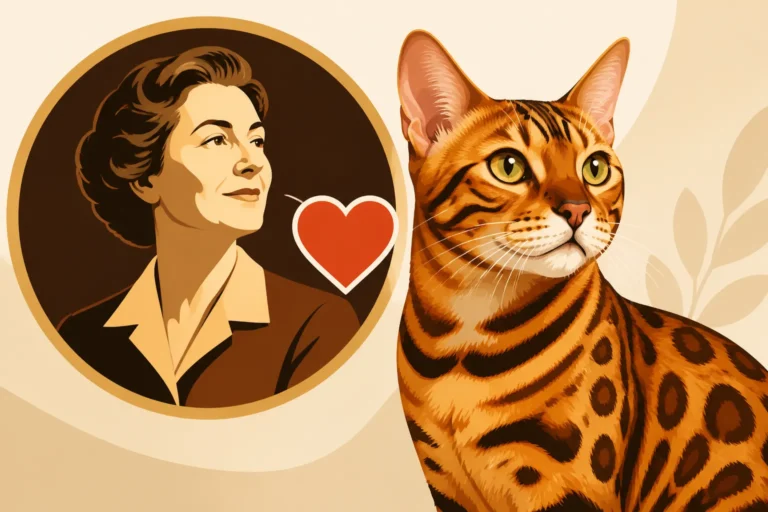
The pioneering spirit behind the Bengal cat breed was undoubtedly Jean S. Mill. Her journey began decades ago with a clear objective: to create a domestic cat with the striking appearance of a wild jungle cat, specifically the Asian Leopard Cat (ALC), but with the temperament of a beloved household pet. This wasn't just about aesthetics; Mill was also interested in the potential disease resistance observed in wild felines. Her initial crosses were made in the early 1960s, a time when the concept of a hybrid domestic cat was largely unheard of, and certainly not something readily accepted by the established cat fancy.
Imagine the challenges she faced! Breeding a small wild cat with a domestic cat isn't as simple as it sounds. The gestation periods can differ, the temperaments are vastly unalike, and even the basic social cues between the two species are poles apart. Mill dedicated years to carefully selecting and breeding these hybrids, working through the challenges of fertility (especially in early-generation males, as discussed in Why F1 to F3 Bengal Cat Males Cannot Breed) and temperament integration. Her dedication to refining these traits eventually led to the development of cats that consistently carried the desired spotted pattern and a more manageable disposition.
Scientific Foundations: The Loma Linda Leopard Cat Program
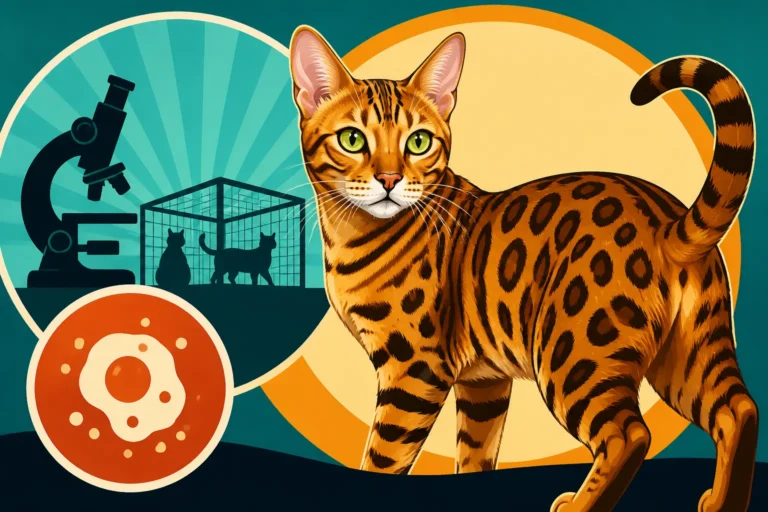
While Jean Mill was working on her breeding program, another significant event was unfolding that would inadvertently contribute to the Bengal cat's lineage. This involved a scientific research program at Loma Linda University led by Dr. Willard Centerwall. This program, which began in the 1970s, focused on studying feline leukemia virus immunity, utilizing Asian Leopard Cats and their hybrids with domestic cats. These hybrids, though bred for research, demonstrated a striking wild appearance combined with a more docile nature than their wild parents.
When the research program concluded, these "medical marvels" needed homes. Dr. Centerwall reached out to Jean Mill, recognizing her expertise and dedication to the development of exotic-looking domestic cats. Mill acquired several of these important foundation cats, integrating them into her breeding program. This infusion of new bloodlines, already proven to be several generations removed from their wild ancestors, provided a crucial boost to her efforts to create a stable and healthy breed, further solidifying the distinction from purely wild animals and helping answer the question of Who Jean Mill Was to the Bengal Cat.
The Initial Hurdle: Defining a "Domestic" Hybrid
One of the biggest obstacles the Bengal cat faced in its early days was the very definition of a "domestic" cat. Traditional cat registries had long-established criteria that primarily focused on breeds developed through selective breeding of existing domestic stock. The idea of introducing wild blood, even several generations back, was met with significant resistance and often outright skepticism. There was concern about unpredictable temperaments, health issues, and whether these cats could truly be considered pets.
Breeders of early generation Bengals, especially F1 (first generation from an ALC) and F2 cats, worked tirelessly to prove that with careful breeding and socialization, these animals could indeed be wonderful companions. They understood that the perception of the Bengal needed to shift from "wild animal" to "domestic breed with wild ancestry." This struggle for recognition highlighted the need for a forward-thinking registry willing to evaluate the breed on its merits, rather than adhering strictly to historical precedents. This ongoing debate about the domesticity of early generation Bengals is still something potential owners might wonder about, especially when considering How a Bengal Cat's Generation Is Counted.
TICA's Pivotal Role: Opening Doors for a New Breed
In the landscape of cat registries, TICA emerged as a beacon of progress and open-mindedness, particularly when it came to recognizing new and innovative breeds. This progressive stance proved to be exactly what the fledgling Bengal cat breed needed to gain legitimacy and propel it into the mainstream.
Why TICA Embraced the Bengal Cat
The International Cat Association (TICA) was founded in 1979 with a philosophy distinctly different from some of the older, more conservative cat associations. TICA aimed to be more inclusive and forward-thinking, embracing new breeds and colors that might have been overlooked elsewhere. This ethos made them the ideal organization for the Bengal cat, which represented a bold step in feline breeding. TICA recognized the beauty and unique characteristics of the Bengal cat and, crucially, understood the dedicated efforts of breeders like Jean Mill to create a truly domestic animal with an exotic look.
This willingness to look beyond traditional boundaries was paramount. TICA focused on observable traits, stable temperaments after a certain number of generations, and the commitment of breeders to health and genetic diversity. They were less concerned with the "how" of the breed's creation and more with the "what" it had become – a beautiful, active, and affectionate companion. This open-minded approach wasn't just beneficial for Bengals; it set a precedent for other developing breeds that sought recognition based on their unique attributes.
The First Step: Conditional Registration Status
The journey to full recognition is typically a multi-stage process, and for the Bengal cat, TICA's acceptance began with conditional registration status. This initial step allowed breeders to register their Bengal cats with TICA, formally documenting their pedigrees and establishing the breed's lineage. It was a critical moment because it gave breeders a legitimate platform to track their lines, ensuring genetic health and adherence to developing breed standards.
During this period, Bengals could participate in TICA cat shows, but only in the "New Breed and Color" class. This meant they could be judged against the emerging standard and receive feedback, but they weren't yet eligible for championship titles. This probationary period was essential for TICA to observe the breed's consistency in appearance, health, and temperament over time. It allowed the breeders to demonstrate the stability of their cats and prove that the Bengal was indeed a viable and consistent breed. Many breeders at this stage were working diligently to ensure their cats met the physical and behavioral ideals, often stocking up on high-quality food and enrichment items from places like Chewy to support their breeding stock and developing kittens.
Achieving Full Pedigree Recognition: Championship Status
The culmination of years of meticulous breeding, careful documentation, and consistent exhibition came in 1986. This was the landmark year When TICA Accepted the Bengal Cat for championship status. With this acceptance, Bengal cats were finally eligible to compete alongside other recognized breeds for championship titles, Best in Show honors, and other prestigious awards. This wasn't just a win for the breed; it was a testament to the dedication of its founders and breeders.
Achieving championship status meant that the Bengal cat was officially recognized as a stable, distinct, and legitimate domestic breed by a major international registry. It provided immense validation and opened doors for the breed to flourish. This milestone spurred further development, attracted more responsible breeders, and significantly increased the breed's visibility and popularity among cat enthusiasts worldwide. The question of How Old the Bengal Cat Breed Is can often be answered by pointing to this pivotal date, marking its formal entry into the global cat fancy.
The Impact of Official Acceptance: A New Era for Bengal Cats
TICA's decision to accept the Bengal cat for championship status was nothing short of revolutionary. It validated the breed, gave it a platform, and fundamentally altered its trajectory from a controversial hybrid to one of the most popular and recognized breeds in the world.
Establishing Breed Standards and Characteristics
One of the most profound impacts of TICA's acceptance was the formalization of the Bengal cat breed standard. Before official recognition, breeders might have had varying ideas about the "ideal" Bengal. TICA's standard provided a clear, consistent blueprint for what a Bengal cat should look like, how it should move, and even aspects of its temperament. This standard details everything from the shape of the head and ears to the texture of the coat and the ideal rosette patterns. This standardization was crucial for breeders, providing common goals and ensuring the breed developed consistently across different catteries.
This clear standard allowed judges to objectively evaluate Bengal cats at shows, reinforcing desirable traits and discouraging those that fell outside the breed's ideal. It helped to solidify the unique "wild look" that sets the Bengal apart, emphasizing its muscular build, distinctive spots or marbling, and captivating large eyes. The standard also provided guidelines for temperament, emphasizing an active, curious, and confident nature, but always with the underlying gentleness expected of a domestic companion. Potential owners can now find clear descriptions of What a Bengal Cat Looks Like by the Standard.
Fueling Popularity and Responsible Breeding Practices
With TICA's championship status, the Bengal cat's popularity skyrocketed. No longer relegated to the realm of experimental hybrids, these cats could now be confidently promoted as a pedigreed breed. This newfound legitimacy attracted a wider audience of prospective owners who were captivated by their exotic beauty and engaging personalities. The demand for Bengal kittens increased significantly, and with it, the number of dedicated breeders committed to upholding TICA's standards.
This surge in popularity also brought an increased focus on responsible breeding. Reputable breeders understood the importance of health testing for common Bengal-related issues like HCM (Hypertrophic Cardiomyopathy), PRA-b (Progressive Retinal Atrophy), and PK Deficiency (Pyruvate Kinase Deficiency). They actively worked to improve genetic diversity, carefully selecting breeding pairs to produce healthy, well-socialized kittens. TICA's framework provided the necessary guidelines and ethics, fostering a community of breeders committed to the breed's welfare, often sharing best practices and even sourcing specialized kitten food and supplements from reputable stores like Chewy to give their litters the best start.
Shaping the Future of Hybrid Breeds
The Bengal cat's success story with TICA was not just about one breed; it paved the way for others. TICA's progressive approach demonstrated that hybrid breeds, when developed with care and ethical breeding practices over several generations, could indeed achieve full domestic status and contribute positively to the diverse world of feline breeds. This set a precedent, encouraging the development and recognition of other hybrid breeds like the Savannah cat, which also blends wild ancestry with domestic traits.
The Bengal cat's journey proved that the genetic contribution of a wild ancestor, when carefully managed and bred back to domestic lines, could result in a stable, predictable, and beloved companion animal. It challenged traditional notions of what a "cat breed" could be, expanding the horizons of the cat fancy and inviting innovation. This shift in perspective continues to influence how new breeds are evaluated and accepted today, highlighting the significant role the Bengal played as a pioneer.
Beyond TICA: Other Registries and the Breed's Evolution
While TICA's acceptance was undeniably a monumental step for the Bengal cat, the breed's journey didn't stop there. Other feline registries have had their own unique perspectives, and the breed itself has continued to evolve and be refined by dedicated breeders worldwide.
Diverse Approaches from Other Feline Organizations
While TICA was the trailblazer, other cat registries eventually followed suit, albeit with varying timelines and sometimes different criteria. For example, the Governing Council of the Cat Fancy (GCCF) in the UK and Fédération Internationale Féline (FIFe) in Europe also recognized the Bengal, but their paths to full championship status might have been slower or involved different stages of provisional acceptance. Some registries maintained a more conservative stance, either not recognizing the breed at all or only recognizing later generations (SBT or Stud Book Tradition Bengals, which are at least four generations removed from the ALC ancestor).
The Cat Fanciers' Association (CFA), one of the oldest and largest registries in the United States, famously has not accepted the Bengal cat for championship status. Their philosophy tends to favor breeds with a long, established domestic lineage, and they generally do not recognize hybrid breeds. This highlights the diverse philosophies within the cat fancy and underscores just how significant TICA's early acceptance was, as it offered the Bengal a vital path to legitimacy that might have been closed off otherwise.
Maintaining the "Wild Look" While Ensuring Domestic Temperament
One of the ongoing challenges and triumphs in Bengal breeding is the delicate balance between preserving the breed's exotic, wild appearance and ensuring a consistently domestic temperament. Breeders work tirelessly to select for traits that emphasize the wild beauty – the distinctive rosetted patterns, the sleek, muscular body, and the confident, intelligent gaze – while meticulously ensuring that aggression, excessive shyness, or an inability to thrive in a home environment are bred out. This is where the concept of the What an SBT Means in a Bengal Cat generation becomes paramount, as these cats are considered fully domestic.
Early generation Bengals (F1-F3) often retain more of the wild cat's instincts, requiring very specialized care and handling. However, the goal of the breed program has always been to create a cat that looks wild but acts domestic. This commitment to temperament is just as important as the physical standard, guaranteeing that a Bengal will be a playful, affectionate, and interactive member of the family. Breeders focus on extensive socialization from kittenhood, often using enriching environments and plenty of interactive toys from stores like Chewy to bring out the best in their Bengals.
The Enduring Legacy of the Bengal Cat
Today, the Bengal cat is one of the most popular cat breeds globally, renowned for its striking looks and vivacious personality. Its journey from a novel hybrid to a fully recognized championship breed is a testament to the dedication of its founders and the forward-thinking approach of TICA. The breed continues to capture hearts with its unique combination of wild beauty and domestic charm.
The legacy of the Bengal cat extends beyond its own popularity. It stands as a symbol of what's possible when innovation meets dedication in the world of animal breeding. It encourages us to look at the potential of different genetic combinations and to continually strive for the health, welfare, and enrichment of our feline companions. The Bengal cat truly embodies a living piece of history, walking gracefully between the wild and the wonderfully domestic.
| Milestones in Bengal Cat Recognition by TICA | Description | Impact on Breed |
|---|---|---|
| Early 1980s | Initial Acceptance for Registration | Allowed breeders to formally track pedigrees and establish lines. Crucial for genetic health tracking and breed development. |
| 1983 | First Provisional Recognition | Bengals could participate in TICA shows in the "New Breed and Color" category, gaining exposure and feedback from judges. Acknowledged the breed's developing consistency. |
| 1986 | Championship Status Granted | The Bengal cat was recognized as a fully legitimate, pedigreed breed. Eligible for championship titles, significantly boosting popularity and attracting more responsible breeders. |
| Ongoing | Continued Standard Refinement & Education | Breeders continue to work within TICA's evolving standards, focusing on health, temperament, and maintaining the unique wild aesthetic. TICA remains a strong advocate for the breed. |
Disclaimer
This article is for general informational purposes only and does not constitute professional advice. Laws, prices and regulations vary by location and change over time. Consult a qualified professional for guidance on your specific situation.