Which Scientific Name the Bengal Cat’s Ancestor Carries
Navigating the world of hybrid cat breeds can feel like a tangled jungle, especially when you're trying to understand the exact lineage of a magnificent animal like the Bengal cat. Many aspiring owners or even current Bengal enthusiasts get confused about which "wild cat" is truly at the heart of their spotted companion. This guide will meticulously break down the scientific name of the Asian Leopard Cat, the foundational wild ancestor, and explain why understanding this classification is so important to appreciate the Bengal breed fully.
Understanding the Wild Ancestor: The Asian Leopard Cat
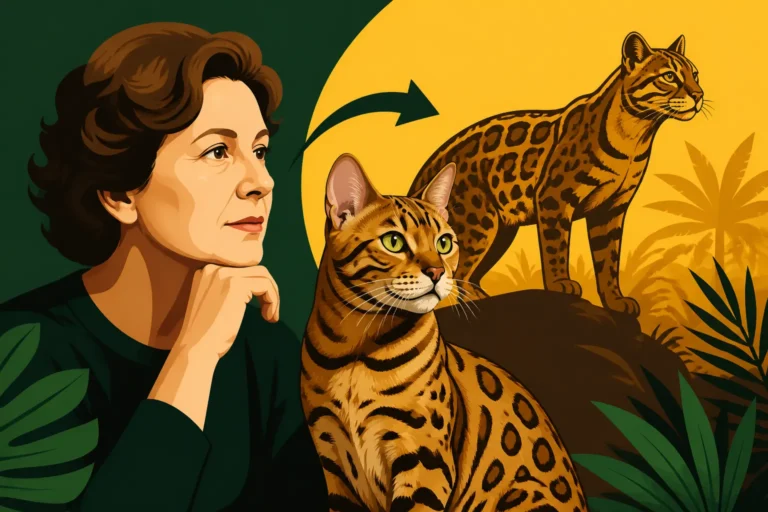
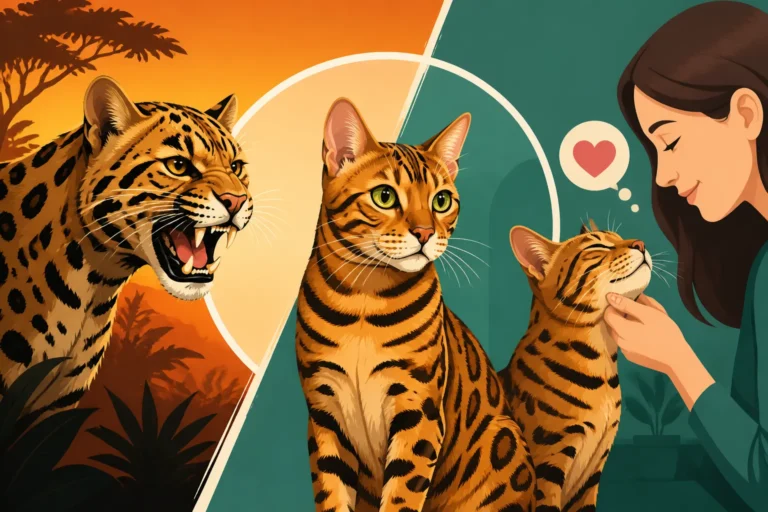
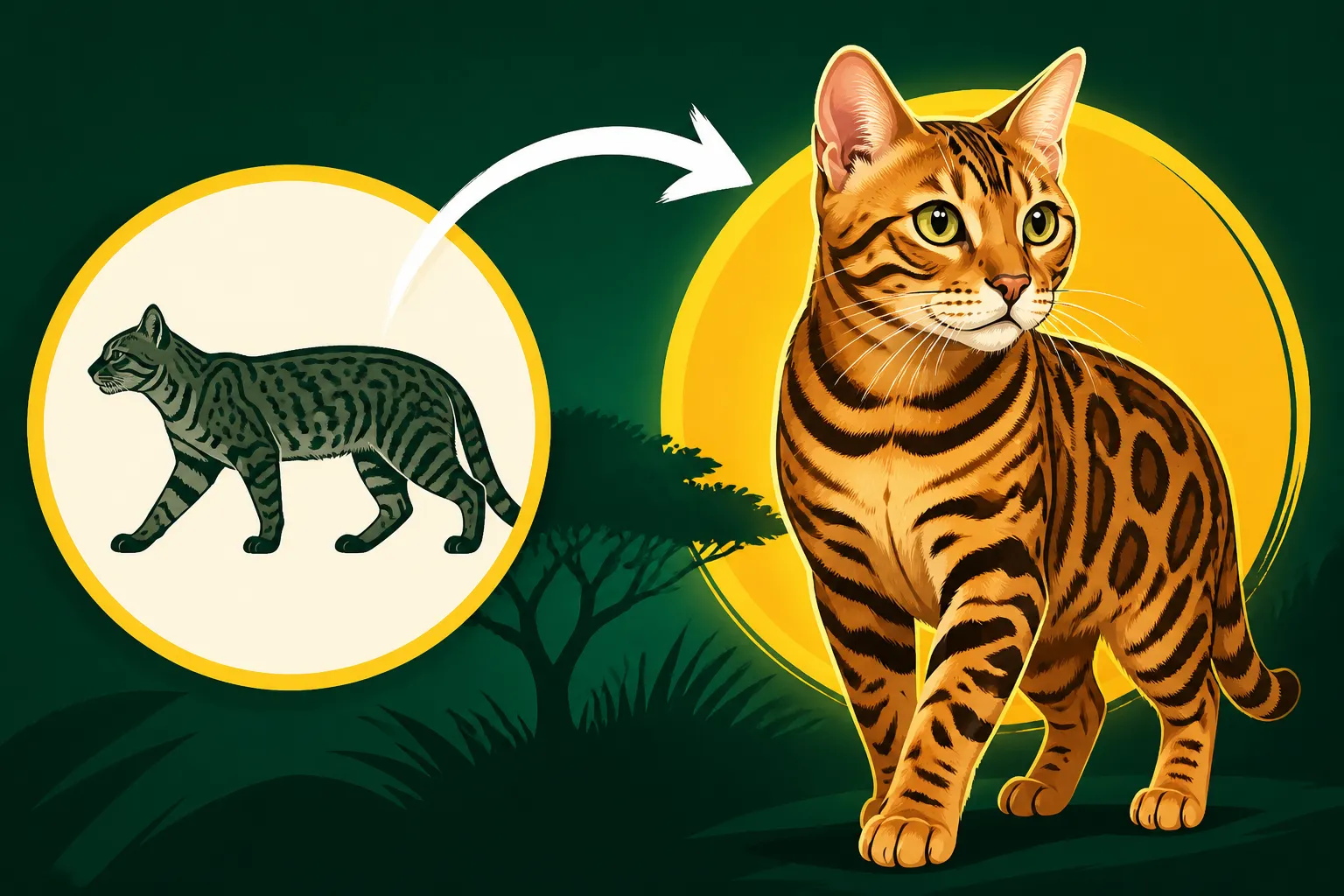
When you look at a Bengal cat, that striking coat, those captivating rosettes, and often that wild-eyed gaze, you're seeing a direct echo of its wild ancestor: the Asian Leopard Cat. This isn't just a marketing term; it's a genetic truth. Every single Bengal cat, no matter how many generations removed from its wild roots, carries the DNA of this specific small wild feline. Understanding this wild cat is the first step in truly appreciating your Bengal.
What Makes the Asian Leopard Cat Unique?
The Asian Leopard Cat, often abbreviated as ALC, isn't just any wild cat. It's a small, solitary, nocturnal creature native to South, Southeast, and East Asia. Imagine a house cat, but leaner, more muscled, with slightly longer legs and a distinctly more intense hunting focus. They thrive in a variety of habitats, from tropical rainforests to temperate forests, even agricultural land, showcasing an incredible adaptability. Their diet consists mainly of small rodents, birds, amphibians, and insects, making them formidable hunters in their natural environment. This predatory prowess is one of the key traits that breeders sought to integrate, in a diluted form, into the domestic Bengal cat. What an Asian Leopard Cat Is Behind Every Bengal Cat sheds more light on its role.
One of the most remarkable characteristics of the ALC, and a driving force behind the Bengal breed's creation, is its reported natural immunity to Feline Leukemia Virus (FeLV). Early research into hybridizing wild cats with domestic cats, particularly by Dr. Willard Centerwall at Loma Linda University, was initially focused on studying this resistance. While the exact scientific mechanisms are complex and still researched, this aspect played a significant role in the initial breeding programs. This also speaks to the incredible resilience and robustness that breeders hoped to pass on to the domestic feline population.
The Original Hybridization Journey
The journey to create the Bengal cat began when domestic cats were cross-bred with Asian Leopard Cats. This wasn't a casual endeavor but a deliberate, scientifically-driven project. The first filial generation, or F1, Bengal cats were directly half Asian Leopard Cat and half domestic cat. These early generations, particularly F1, F2, and F3, still exhibit many strong wild traits – not just in appearance, but also in temperament and behavior. They might be more wary of strangers, possess a louder, more demanding vocalization, and retain an incredible athleticism. As generations progress, the percentage of wild cat DNA diminishes, leading to the fully domesticated "SBT" (Stud Book Tradition) Bengal that most people bring into their homes today. However, that foundational wild spirit, albeit mellowed, remains.
Delving into the Scientific Classification of the ALC
To understand "Which Scientific Name the Bengal Cat's Ancestor Carries," we need to look at the formal biological classification system. Every living organism is given a unique two-part scientific name, known as binomial nomenclature, which helps scientists worldwide communicate precisely about species without confusion from common names.
The Genus and Species: Prionailurus bengalensis
The scientific name for the Asian Leopard Cat is Prionailurus bengalensis. Let's break that down.
-
Genus: Prionailurus
This genus includes several small Asian wild cat species, all characterized by their relatively small size, agility, and often a preference for wetlands or forested environments. Other cats in the Prionailurus genus include the Fishing Cat (Prionailurus viverrinus), the Flat-headed Cat (Prionailurus planiceps), and the Rusty-spotted Cat (Prionailurus rubiginosus). These cats share certain physical and behavioral characteristics that group them together within this genus, distinguishing them from other small wild cats in the Felis genus (which includes our domestic cat, Felis catus). -
Species: bengalensis
The species epithet bengalensis refers specifically to the Asian Leopard Cat. The name itself is derived from "Bengal," likely referring to the Bengal region of India where the species was first described, or where early specimens were found. It's crucial to understand that while the name "Bengal" is in the scientific name of the wild ancestor, it doesn't mean the wild cat is the Bengal domestic breed. Rather, the domestic Bengal breed was named after its wild ancestor. It's a common point of confusion, but the wild cat is simply called the Asian Leopard Cat, or ALC, with bengalensis as its species identifier. You can find out Where the Bengal Cat's Wild Ancestor Lives to see its wide distribution.
Understanding Subspecies of the Asian Leopard Cat
Just like there are different breeds of domestic dogs or cats, within a single wild species, there can be various subspecies. Subspecies are distinct populations within a species that share common characteristics and geographic ranges but can still interbreed. For the Asian Leopard Cat, there are quite a few recognized subspecies across its vast range, each with slight variations in size, coat pattern, and coloration adapted to their local environments.
For instance, you might encounter names like Prionailurus bengalensis euptilura (often found in the Russian Far East and Northeast China) or Prionailurus bengalensis javanensis (from Java and Bali). These subspecies designations are important for conservation efforts and for understanding the genetic diversity of the wild population. While the Bengal cat breed originated from various ALC subspecies, the exact subspecies lines can be complex due to early breeding records. The key takeaway is that the overall species, Prionailurus bengalensis, is the source of the domestic Bengal's wild charm.
Why the Scientific Name Matters for the Bengal Cat
Knowing the scientific name Prionailurus bengalensis isn't just a piece of trivia; it provides valuable insights into the Bengal cat breed itself. It highlights the direct lineage, informs discussions about behavior and health, and is crucial for understanding the legal status of hybrid cats.
Connecting to Bengal Cat Characteristics
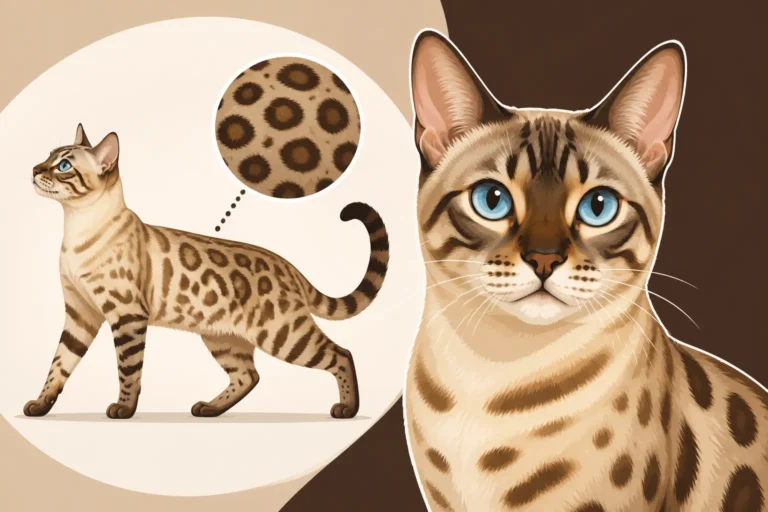
The "wild look" of the Bengal cat isn't just superficial. The scientific name reminds us that the physical traits, like the stunning rosetted or marbled coats, the powerful musculature, and the inquisitive, intelligent eyes, are directly inherited from Prionailurus bengalensis. This ancestry also explains some of their common behavioral quirks. For example, their love for water, their incredible climbing abilities, and their high energy levels can all be traced back to the traits that allowed the Asian Leopard Cat to thrive in its natural habitat. Many owners find their Bengals are fascinated by running water from a tap, or even enjoy a splash in the shower, a behavior quite unusual for most domestic cats but natural for some wild felines. This deep-seated connection to their wild heritage is what makes owning a Bengal such a unique experience.
Consider the energy levels. A typical domestic shorthair might be content with a few play sessions a day and plenty of naps. A Bengal cat, on the other hand, often seems to have an endless supply of energy, needing multiple engaging playtimes, vertical climbing opportunities, and often a Cat wheel for a Bengal Cat. This high drive directly relates to the activity levels of a small, agile predator like the ALC, which must constantly hunt and patrol its territory to survive. Providing enough mental and physical stimulation for a Bengal is paramount to preventing boredom and potential destructive behaviors. Many Bengal owners invest in durable toys and interactive feeders, often found at pet supply retailers like Chewy, to keep their intelligent cats engaged.
Legal and Ethical Considerations
The direct link to a wild species via its scientific name is paramount when discussing the legality and ethics surrounding Bengal cats. Because early generation (F1, F2, F3) Bengals are so close to their wild ancestor, many regions, states, and even cities have regulations or outright bans on owning them. These laws are often based on the classification of Prionailurus bengalensis as a wild, non-domestic animal. For example, some jurisdictions might require special permits or completely prohibit any cat with Prionailurus bengalensis blood up to a certain generation. Why the Generation Number Decides Whether You Can Own a Bengal Cat delves into this legal landscape.
It's why breeders emphasize the "SBT" (Stud Book Tradition) status for pet Bengals, meaning they are at least four generations removed from the original ALC cross. An SBT Bengal is considered fully domestic for registration purposes and is generally legal to own in most places where F1-F3 hybrids might be restricted. When purchasing a Bengal, always ask to see the pedigree papers, which will clearly list the generations and prove its SBT status. A reputable breeder will always provide this documentation and be transparent about the cat's lineage.
| Trait Aspect | Asian Leopard Cat (Prionailurus bengalensis) | Domestic Bengal Cat (SBT) |
|---|---|---|
| Temperament | Wild, solitary, wary, nocturnal, strongly predatory | Affectionate, playful, high energy, intelligent, social |
| Size & Build | Small (6-15 lbs), lean, athletic, large feet | Medium (8-15 lbs), muscular, athletic, agile |
| Coat Pattern | Rosettes, spots, high contrast | Rosettes, spots, marbling, glitter |
| Vocalization | Chirps, growls, hisses, some meows | Wide range of vocalizations, often loud and demanding |
| Water Affinity | Often comfortable with water, may hunt in shallow water | Many love water, play in sinks, drink from taps |
| Litter Training | Instinctually uses outdoor areas, marks territory | Fully litter trained, though may "bury" intensely |
| Legality | Wild animal, protected, illegal to own as pet | Generally legal as SBT, early generations often restricted |
Conservation and Awareness
Understanding the scientific name also indirectly helps with the conservation of the wild Asian Leopard Cat populations. By drawing a clear distinction between the domestic Bengal cat and its wild ancestor, we can better appreciate the need to protect Prionailurus bengalensis in its natural habitats. It helps prevent people from mistakenly thinking the ALC can be easily "tamed" or bred indiscriminately, which could lead to illegal trafficking or exploitation of wild cats. Organizations focused on wildlife conservation emphasize the importance of responsible breeding practices for domestic hybrids to ensure the wild populations are left undisturbed. This separation is crucial for the health of both the wild species and the domestic breed. Whether the Bengal Cat Threatens Wild Leopard Cats explores this topic further.
Dispelling Misconceptions and Protecting the ALC
Despite the Bengal cat's popularity, there are still many misconceptions swirling around its wild ancestry. Addressing these is vital for responsible pet ownership and for the welfare of both domestic Bengals and their wild relatives.
The Myth of the "Wild Pet"
One of the biggest misconceptions is that owning a Bengal cat means owning a "miniature leopard" that is somehow less domestic than other breeds. While their wild ancestry imbues them with unique traits and an undeniable energy, an SBT Bengal is, genetically and behaviorally, a domestic cat. They crave human companionship, use a litter box (though some are enthusiastic diggers, so a robust box from Chewy might be needed!), and enjoy cuddles just like any other cat. The term "wild" in their description refers to their appearance and perhaps a heightened version of typical cat behaviors, not to a untamable savage nature.
However, it's true that their intelligence and energy mean they require a dedicated owner. Someone expecting a docile lap cat might find a Bengal overwhelming. They need interactive play, climbing structures, and often benefit from How a Bengal Cat Gets On With a Dog or another feline companion to burn off energy and satisfy their social needs. They are not a "set it and forget it" kind of pet.
Protecting Prionailurus bengalensis in the Wild
The existence of the Bengal cat breed has, in some ways, raised awareness about the Asian Leopard Cat, but it also carries the responsibility of protecting the wild species. Prionailurus bengalensis faces various threats in its natural habitat, including habitat loss due to deforestation, human encroachment, and illegal poaching for its fur or as exotic pets. While the Bengal breed helps satisfy the demand for a "wild-looking" cat, reducing the incentive to take wild ALCs, continued vigilance and conservation efforts are crucial.
Reputable Bengal breeders today do not introduce new wild blood into their lines; the gene pool was established decades ago. Whether Bengal Cats Are Still Bred From Wild Cats clarifies this important point. This practice helps ensure that the wild populations remain undisturbed and that the domestic breed continues to evolve as a truly companion animal. The integrity of the breed and the well-being of the wild species both rely on ethical practices and informed owners. Supporting accredited zoos and conservation organizations that work to protect Prionailurus bengalensis and its habitats is a much more impactful way to celebrate this magnificent creature than to seek out illegal wild-caught animals.
Disclaimer
This article is for general informational purposes only and does not constitute professional advice. Laws, prices and regulations vary by location and change over time. Consult a qualified professional for guidance on your specific situation.