Signs a Bengal Cat Has Hemolytic Anemia
It can be incredibly distressing when your usually vibrant and energetic Bengal cat suddenly seems off, less playful, or just generally unwell. Many owners face the terrifying experience of noticing subtle changes, only to find their beloved companion is battling a serious underlying condition. This comprehensive guide is here to help you understand the specific signs that might indicate your Bengal cat has hemolytic anemia, a condition often linked to their unique genetic makeup, so you can act quickly and confidently.
Unpacking Hemolytic Anemia in Your Bengal Cat
Hemolytic anemia isn't just a vague term for being "a bit anemic"; it's a specific type of anemia where your cat's red blood cells are actively being destroyed faster than their body can produce new ones. For Bengal cats, this often points back to a particular genetic vulnerability.
The Vital Role of Red Blood Cells
Think of your cat's red blood cells as tiny, dedicated delivery trucks, tirelessly ferrying oxygen from the lungs to every single cell and tissue throughout their body. They're absolutely crucial for energy production, organ function, and generally keeping your cat active and healthy. These amazing cells are produced in the bone marrow and typically have a lifespan of about 70 days in a cat before they're naturally recycled. When everything is working as it should, there’s a delicate balance: old cells are removed, and new ones are created to replace them.
Anemia, in its simplest form, means there aren't enough healthy red blood cells or hemoglobin (the oxygen-carrying protein within them) to do their job properly. This deficit starves the body's tissues of oxygen, leading to a cascade of problems. With hemolytic anemia, the issue isn't just a lack of production, but a rampant destruction, turning that careful balance into a crisis where destruction far outweighs creation.
How Pyruvate Kinase Deficiency Triggers Hemolytic Anemia
For Bengal cats, one of the most common causes of hemolytic anemia is a genetic condition known as Pyruvate Kinase (PK) Deficiency. This inherited disorder specifically impacts the metabolism of red blood cells. Pyruvate kinase is an enzyme that's essential for red blood cells to produce energy. Without enough functional pyruvate kinase, these cells can't maintain their integrity; they become fragile and break down prematurely, leading to their destruction in a process called hemolysis. If you're wondering Which Enzyme PK Deficiency Removes From a Bengal Cat, it's precisely this vital one.
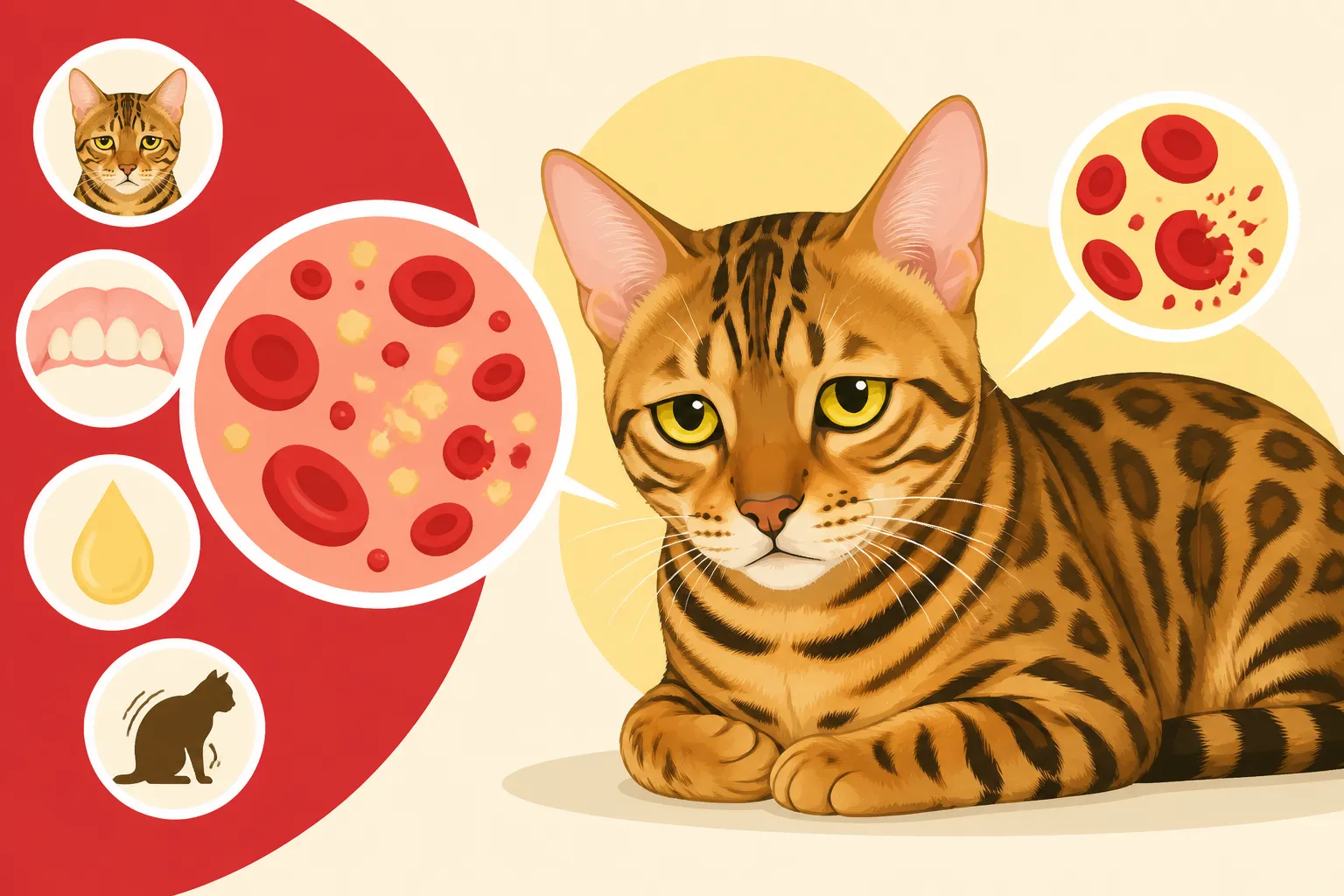
The devastating cycle begins when the abnormal red blood cells, lacking sufficient energy, become rigid and are flagged by the body's immune system as defective. The spleen, a major organ involved in filtering blood and removing old or damaged red blood cells, goes into overdrive, destroying these compromised cells at an accelerated rate. This rapid destruction is what leads directly to the hemolytic anemia, as the bone marrow simply can't keep up with the demand for new red blood cells. Understanding How PK Deficiency Destroys a Bengal Cat's Red Cells is key to grasping the severity of this condition.
Why Some Bengals Are More Susceptible
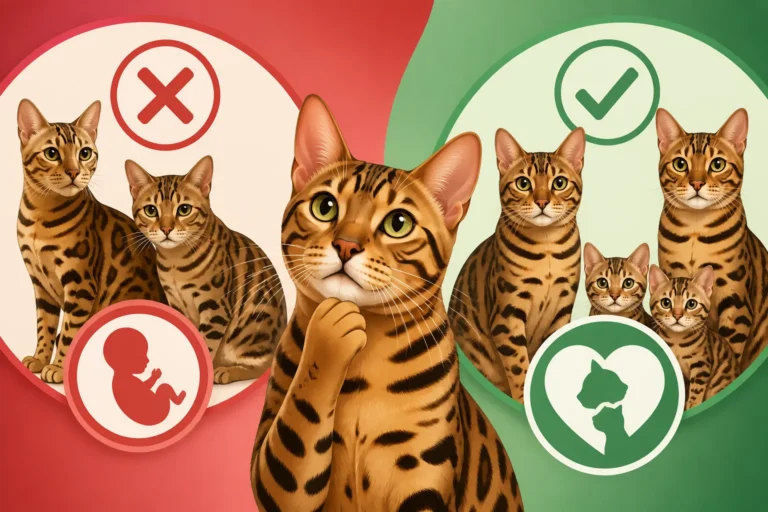
PK Deficiency is an inherited condition, meaning it’s passed down from a cat's parents. It's an autosomal recessive trait, which sounds complicated but essentially means a Bengal cat must inherit two copies of the defective gene (one from each parent) to actually develop the disease and show symptoms. Cats with only one copy of the gene are considered "carriers"; they won't typically show symptoms themselves, but they can pass the gene on to their offspring. This is why responsible breeders are so diligent about genetic testing.
While PK Deficiency is found in other cat breeds, Bengal cats are particularly known for it, alongside breeds like Abyssinian and Somali cats. This makes understanding the genetic risk even more critical for Bengal owners. Estimates suggest that What Percentage of Bengal Cats Carry PK Deficiency can vary, but it's significant enough that all breeding Bengals should be tested. This genetic predisposition means that if your Bengal cat is showing signs of anemia, PK Deficiency should be high on your vet's list of possibilities.
Early Warning Signals You Might Miss
Catching hemolytic anemia early in your Bengal cat can make a world of difference. These initial signs are often subtle, easily mistaken for general malaise or just a "bad day," but knowing what to look for can prompt timely veterinary intervention.
Subtle Shifts in Energy and Playfulness
Your Bengal cat is, by nature, a dynamo of energy. They're known for their boundless curiosity, athletic prowess, and an almost dog-like eagerness to play, fetch, and explore. If your typically vivacious Bengal starts to slow down, even a little, it's a significant red flag. You might notice they're not as enthusiastic about their favorite wand toy, or they spend more time napping in a sunbeam instead of scaling their cat tree. Perhaps their bursts of activity are shorter, or they seem to tire more quickly after a game.
This decrease in energy isn't just about being a bit lazy; it's directly tied to the lack of oxygen reaching their muscles and organs. Their body is working harder just to perform basic functions, leaving less in the tank for their usual antics. They might become less interested in interacting with you or other pets, preferring solitude. Sometimes, owners describe it as their cat just "losing their spark." If your Bengal, who usually chases a laser pointer with gusto, suddenly lies there blinking at it, it’s a sign to pay close attention.
Changes in Eating Habits and Body Condition
Anemia affects overall bodily function, and a cat's appetite is often one of the first things to be impacted. You might notice your Bengal cat isn't finishing their meals, or they might pick at their food with less enthusiasm than usual. Some cats might even refuse food altogether, leading to noticeable weight loss over time. This can be especially concerning for Bengal cats, who are naturally lean and muscular.
Beyond just the quantity of food, changes in hydration can also occur. A cat that feels unwell might drink less, leading to mild dehydration, or conversely, in some cases of anemia, they might drink more due to organ strain. Keep a close eye on their litter box habits too – any changes in stool consistency or frequency could be related. As the condition progresses, a duller coat might also become apparent, as their body diverts resources away from non-essential functions like maintaining a glossy pelt. Signs a Bengal Cat Is Anemic often include these subtle, yet persistent, changes in their daily routine.
The Color Clues in Gums and Eyes
This is one of the most critical visual cues, and it requires a deliberate check. Healthy cat gums should be a vibrant, bubblegum pink. In a Bengal cat with hemolytic anemia, the gums will appear noticeably paler, often described as a washed-out pink, off-white, or even yellowish. This pallor is a direct result of the reduced number of red blood cells circulating in their system. To check, gently lift your cat's upper lip. It’s best to do this when they are calm and relaxed, so you can get an accurate baseline.
You should also check their mucous membranes, such as the inside of their eyelids. Gently pull down the lower eyelid to expose the tissue; it should also be pink. If it looks pale, it's another indicator. While the classic sign of anemia is pallor, sometimes with hemolytic anemia, you might also see a slight yellowish tint to the whites of their eyes (sclera) or their gums. This yellowing, known as jaundice, occurs when the rapidly destroyed red blood cells release bilirubin, a yellow pigment, into the bloodstream faster than the liver can process it. If you've ever wondered Why a PK Deficient Bengal Cat's Gums Look Pale, it's precisely because of this oxygen deprivation.
Recognizable and Severe Symptoms
As hemolytic anemia progresses and the red blood cell count drops further, the symptoms become more pronounced and alarming. These are the signs that typically prompt an emergency vet visit.
Jaundice: A Yellow Tint to Skin and Eyes
Jaundice is a hallmark sign of advanced hemolytic anemia, particularly in conditions like PK Deficiency where red blood cells are being rapidly destroyed. As we touched on earlier, when red blood cells break down, they release a pigment called bilirubin. The liver is usually responsible for processing and excreting this bilirubin, but when red blood cells are destroyed at an accelerated rate, the liver can become overwhelmed, leading to a buildup of bilirubin in the bloodstream. This excess bilirubin then stains the body's tissues yellow.
You might first notice jaundice as a yellowing of the whites of your Bengal cat's eyes (sclera). Gently lifting their lips to inspect their gums will likely reveal a yellowish tint there as well, not just pallor. In some cases, you might even see a subtle yellow discoloration on their skin, particularly in areas with less fur, like the inside of their ears or on their belly. This isn't just a cosmetic issue; it indicates a severe systemic problem, signaling that the hemolytic process is in full swing and requires immediate medical attention.
Respiratory Distress and Labored Breathing
When your Bengal cat's body isn't getting enough oxygen due to a lack of red blood cells, their heart and lungs try to compensate. The heart will beat faster, trying to circulate the remaining oxygen-carrying cells more quickly, and the lungs will work harder to take in more oxygen. This compensatory effort manifests as noticeable changes in breathing.
You might observe your cat breathing more rapidly, even when at rest. Their breaths might become shallow or, conversely, very deep and labored. You might see their chest and belly heaving, or their nostrils flaring with each breath. In severe cases, they might even start breathing with an open mouth, which is a significant emergency sign in cats. Unlike dogs, open-mouth breathing in a cat is rarely normal and almost always indicates a serious problem. You may also notice a change in the color of their tongue or gums, which might appear bluish (cyanotic) if they are severely oxygen-deprived, though this is a very grave sign.
Weakness, Fainting, and Collapse
As the oxygen deprivation becomes profound, your Bengal cat’s body systems will start to fail, leading to overt signs of weakness and potential collapse. They may become extremely lethargic, struggling to even lift their head or stand up. Walking might become difficult, characterized by a wobbly gait or a reluctance to move at all. You might notice Why a PK Deficient Bengal Cat Has Good Days and Bad, as the severity of the anemia can fluctuate, but when it's bad, it's really bad.
In the most severe cases, your Bengal cat might faint or collapse. This is a terrifying experience for any pet owner. A collapse indicates that their brain is not receiving enough oxygen, causing a temporary loss of consciousness and muscle tone. This is an absolute emergency and requires immediate veterinary intervention. At this point, their body is in crisis, and rapid stabilization is critical.
Distinguishing Hemolytic Anemia from Other Health Issues
The symptoms of hemolytic anemia can overlap with those of several other feline health problems. This is why a professional diagnosis from a veterinarian is crucial. Understanding the nuances, however, can help you provide your vet with valuable information.
Anemia vs. Other Causes of Lethargy
Lethargy is a common symptom across a wide spectrum of feline illnesses, from a simple cold to serious chronic diseases. So, how do you differentiate the lethargy caused by anemia from other culprits? With anemia, the lethargy is specifically tied to the lack of oxygen. Your cat isn't just tired; they are genuinely weak and unable to exert themselves. Their movements might be slow and deliberate, and they might even struggle with tasks that were once easy, like jumping onto a couch. This profound weakness differentiates it from the milder fatigue seen with less severe conditions.
Other causes of lethargy might include pain, fever, kidney disease, heart disease, or even certain infections. While these can also cause a general decline in energy, they don't necessarily present with the pale gums or jaundice characteristic of hemolytic anemia. If you suspect anemia, the pale mucous membranes are your key indicator, even before a vet performs a blood test.
Jaundice from Hemolysis vs. Liver Disease
Both hemolytic anemia and primary liver disease can cause jaundice, which can make initial diagnosis tricky. In hemolytic anemia, the jaundice results from the overwhelming release of bilirubin due to rapid red blood cell destruction. The liver, though healthy, simply can't keep up. In contrast, primary liver disease means the liver itself is damaged or malfunctioning, and thus cannot process bilirubin effectively, leading to its accumulation.
A vet will look for other accompanying symptoms to differentiate. For example, if it's hemolytic anemia, you'd expect to see pale gums alongside the yellowing, indicative of the low red blood cell count. With liver disease, while jaundice is present, the gums might not be as pale, or other specific liver enzyme elevations would be more pronounced on blood work. Your vet will conduct specific blood tests, including a complete blood count (CBC) to check red blood cell levels, and a biochemistry panel to evaluate liver function, distinguishing between these two causes of jaundice.
Breathing Difficulties: Heart vs. Blood
Rapid or labored breathing can be incredibly frightening to witness and can point to either severe anemia or a serious cardiac condition like hypertrophic cardiomyopathy (HCM), which is unfortunately common in Bengals. In the case of severe anemia, the breathing difficulties stem from the body's desperate attempt to get more oxygen to vital tissues. The lungs work harder because the blood isn't carrying enough oxygen.
With heart disease, specifically HCM, the heart muscle thickens, making it less efficient at pumping blood. This can lead to fluid buildup in the lungs (pulmonary edema) or around the lungs (pleural effusion), both of which severely impair oxygen exchange and cause respiratory distress. Signs a Bengal Cat Has Heart Disease include coughing, panting, and general weakness, which overlap with anemia. To differentiate, a vet would listen to the cat's heart for murmurs or abnormal rhythms, and potentially recommend a chest X-ray to look for fluid in the lungs or an echocardiogram to assess heart structure and function. A blood test for anemia, specifically looking at red blood cell volume (hematocrit), would also be crucial to determine if the breathing issues are primarily due to blood or heart pathology.
When to Act: Seeking Prompt Veterinary Attention
If you suspect your Bengal cat is showing any signs of hemolytic anemia, it’s not something to wait on. Prompt veterinary care is absolutely essential for a positive outcome.
What to Expect at the Vet: Diagnostic Steps
When you bring your Bengal cat to the vet with concerns about anemia, they will perform a thorough physical examination, paying close attention to your cat's mucous membrane color, heart rate, respiratory rate, and palpating their abdomen. This initial assessment helps them gauge the severity of the situation.
The next crucial step is diagnostic testing. This typically begins with a complete blood count (CBC), which will confirm the presence and severity of anemia by measuring red blood cell count, hemoglobin, and hematocrit (the percentage of red blood cells in the blood). They'll also look at red blood cell morphology to see if there are any abnormal cells or signs of regeneration. A blood smear might show specific red blood cell abnormalities consistent with hemolysis. A biochemistry panel will assess organ function, including the liver and kidneys, and evaluate bilirubin levels. To pinpoint the cause of hemolytic anemia, especially in a Bengal, your vet will likely recommend a specific genetic test for Pyruvate Kinase Deficiency. This involves a simple cheek swab or blood sample that is sent to a specialized lab. This test can confirm if your cat is affected, a carrier, or clear. This helps them determine How a Vet Confirms PK Deficiency in a Bengal Cat and rule out other causes.
Emergency Situations Requiring Immediate Care
Certain symptoms warrant an immediate trip to an emergency veterinary clinic, even if it's after hours. These include:
- Sudden Collapse or Fainting: This is a critical sign of severe oxygen deprivation to the brain.
- Severe Lethargy and Weakness: If your cat can barely move, can't stand, or is unresponsive.
- Open-Mouth Breathing or Severe Labored Breathing: As mentioned, this is a serious emergency in cats.
- Profound Paleness or Yellowing: If their gums are white or a deep yellow, and it developed rapidly.
In these situations, time is of the essence. Your cat might need oxygen therapy, intravenous fluids to support their circulation, and potentially even a blood transfusion to replace lost red blood cells. A blood transfusion can be life-saving and immediately improve oxygen delivery, buying time for further diagnosis and treatment. While the cost can be a concern, knowing What a Bengal Cat's Blood Transfusion Costs might help you prepare for emergency decisions.
Proactive Screening for At-Risk Bengal Cats
If you own a Bengal cat, especially if you're considering breeding or just want peace of mind, proactive screening for PK Deficiency is highly recommended. Many responsible Bengal breeders will already have their breeding cats tested and can provide documentation, but if you're unsure of your cat's genetic status, you can arrange for testing through your vet. This simple DNA test can determine if your Bengal is clear, a carrier, or affected by PK Deficiency. Understanding What the Bengal Cat PK Deficiency Test Costs is a small price to pay for such vital information.
Knowing your cat's PK Deficiency status allows you to make informed decisions about their care and breeding. If your cat is a carrier, it means they won't develop the disease themselves but could pass it on to kittens if bred with another carrier. If your cat is affected, then you are aware of the potential for them to develop hemolytic anemia and can work with your vet to monitor them closely and intervene early if symptoms arise. This proactive approach is a cornerstone of responsible Bengal cat ownership.
Managing a Bengal Cat with Hemolytic Anemia
While a diagnosis of hemolytic anemia can be frightening, particularly if it's due to an incurable genetic condition like PK Deficiency, there are strategies and supportive care measures to help your Bengal cat live as comfortably and happily as possible.
Long-Term Treatment and Supportive Care
Unfortunately, there is no cure for Pyruvate Kinase Deficiency itself; you cannot replace the missing enzyme. Therefore, treatment focuses on managing the symptoms of hemolytic anemia and providing supportive care to improve your cat's quality of life. This often involves a multi-faceted approach, tailored to the individual cat's needs and the severity of their condition.
Your veterinarian might prescribe medications to stimulate red blood cell production, such as corticosteroids to suppress any immune-mediated destruction of red blood cells (even if PK Deficiency is the primary cause, secondary immune responses can sometimes occur). Iron supplements might also be recommended if there's an iron deficiency, which can exacerbate anemia. In cases where the spleen is overactive in destroying red blood cells, a splenectomy (surgical removal of the spleen) might be considered. This procedure can significantly reduce the rate of red blood cell destruction and dramatically improve the cat's quality of life and lifespan. However, it's a major surgery and comes with its own risks and considerations. Discussing How a Bengal Cat With PK Deficiency Is Treated with your vet will help you understand the options.
Regular veterinary check-ups are paramount for monitoring your Bengal cat's blood counts, assessing their overall health, and adjusting treatments as needed. These check-ups might involve blood tests every few weeks or months, depending on the stability of their condition. It's important to remember that How Long a PK Deficient Bengal Cat Lives can vary greatly depending on the severity of their condition and the success of management strategies.
Nutritional Strategies and Supplementation
Nutrition plays a crucial supportive role for a Bengal cat with hemolytic anemia. A high-quality, easily digestible diet rich in protein and essential nutrients is vital. Your vet might recommend a prescription diet formulated for cats with anemia or specific dietary sensitivities. These diets are often more palatable to encourage eating, which is critical when a cat's appetite might be suppressed due to illness.
Supplementation can also be beneficial. Folic acid and B vitamins, particularly B12, are important for red blood cell production. Iron supplements are often prescribed if iron deficiency is detected, but these should only be given under veterinary guidance, as too much iron can be toxic. Omega-3 fatty acids, known for their anti-inflammatory properties, might also be suggested to support overall health. Always consult your vet before adding any supplements to your Bengal cat's diet, as inappropriate supplementation can do more harm than good. Providing a consistent and appealing feeding routine can also encourage your cat to eat, perhaps offering smaller, more frequent meals.
Financial Considerations and Pet Insurance
Caring for a Bengal cat with a chronic condition like PK Deficiency-related hemolytic anemia can involve significant costs. Diagnostic tests, ongoing medications, potential surgeries like splenectomy, and emergency interventions such as blood transfusions can add up quickly. This is where pet insurance can be an absolute lifesaver. Companies like Healthy Paws offer comprehensive coverage that can help offset these substantial veterinary bills, allowing you to focus on your cat's health rather than the financial strain.
It’s always a good idea to research pet insurance options early in your cat’s life, ideally before any chronic conditions are diagnosed, as pre-existing conditions are typically not covered. However, even if your cat has received a diagnosis, there might still be policies available that offer coverage for future, unrelated issues or provide some level of support. When choosing a plan, consider factors like annual limits, deductibles, and reimbursement percentages. Having a robust pet insurance plan from a provider like Healthy Paws can provide immense peace of mind, ensuring you can afford the best possible care for your beloved Bengal cat throughout their life. It means you can make decisions based on what’s best for your cat, not just your wallet.
Disclaimer
This article is intended for informational purposes only and does not constitute veterinary advice. Always consult with a qualified veterinarian for any health concerns or before making any decisions about your pet's medical care.