Why a PK Deficient Bengal Cat’s Gums Look Pale
Finding your beloved Bengal cat's gums looking pale can send a jolt of fear through any pet parent. It’s a stark visual cue that something isn't right, often indicating a serious underlying health issue. For Bengal cats, one such concern that often leads to this alarming symptom is Pyruvate Kinase Deficiency, a genetic condition that impacts their red blood cells. This guide will walk you through exactly why this happens, what it means for your feline friend, and how to recognize and manage this challenging diagnosis.
Understanding Pyruvate Kinase Deficiency in Bengal Cats
Pyruvate Kinase Deficiency, or PK deficiency, is one of those genetic curveballs that can pop up in our beautiful Bengal cats, causing a lot of worry and confusion for their families. It’s not something you’d typically expect or even know to look for, until those tell-tale symptoms start to show.
What PK Deficiency Actually Is
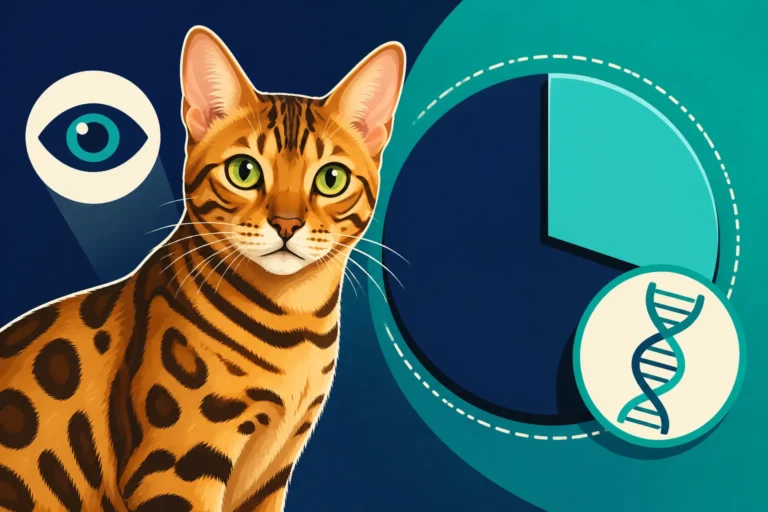
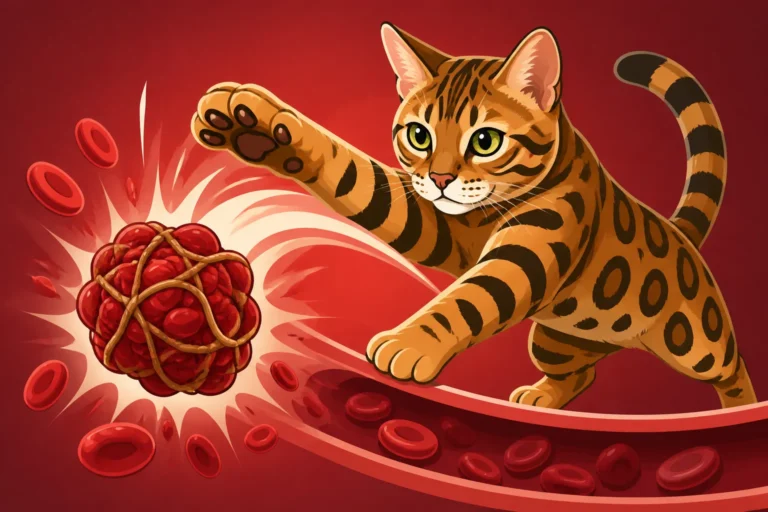
At its heart, PK deficiency is a genetic disorder that affects the pyruvate kinase enzyme, which is absolutely crucial for the survival and function of red blood cells. Think of red blood cells as tiny, diligent workers whose main job is to transport oxygen from the lungs to every tissue and organ in the body. They need energy to do this, and the pyruvate kinase enzyme is a key player in the metabolic pathway that produces this energy. Without a properly functioning pyruvate kinase enzyme, red blood cells become fragile and don't live as long as they should. They essentially run out of steam, break down prematurely, and can’t carry out their vital oxygen-delivery duties. This premature destruction of red blood cells is known as hemolytic anemia, and it's the root cause of many of the symptoms you might observe in an affected Bengal.
For Bengal cat owners, understanding Which Enzyme PK Deficiency Removes From a Bengal Cat can help shed light on the deeper science behind this condition, making it less abstract and more tangible. It’s a genetic hand-me-down, meaning it’s inherited from the cat’s parents. Both parents must be carriers of the mutated gene for a kitten to inherit two copies and therefore be affected by the disease. If a cat only inherits one copy, they are a carrier but typically don’t show symptoms, although they can pass the gene on to their offspring.
How This Genetic Condition Affects Bengals
The Bengal breed, known for its stunning appearance and energetic personality, is unfortunately one of the breeds identified as being susceptible to PK deficiency. This isn't to say every Bengal will have it, but the gene is present in the breed's genetic pool. When a Bengal cat is affected by PK deficiency, their red blood cells are constantly being destroyed, leading to chronic anemia. This anemia isn't a one-off event; it’s an ongoing battle for their body to produce enough healthy red blood cells to compensate for those being lost.
The impact can vary wildly from one cat to another. Some Bengals might experience mild, intermittent episodes of anemia, while others can suffer from severe, life-threatening crises. The severity often dictates How PK Deficiency Destroys a Bengal Cat's Red Cells and the clinical signs. The disease usually manifests in young adulthood, though the precise age can vary. Owners might notice subtle changes at first, perhaps a slight decrease in energy or an off-day here and there. Over time, as the red blood cell destruction continues, these signs become more pronounced and concerning. It’s a progressive condition, which means vigilance and early intervention are absolutely key to managing it effectively. This is where pet insurance, like a plan from Healthy Paws, can become a lifeline, helping to cover the often-unpredictable and significant costs associated with diagnosing and managing such a chronic illness.
The Direct Link Between PK Deficiency and Pale Gums
When we talk about pale gums, we're really talking about a visible symptom of a much larger, internal issue: anemia. It’s one of the clearest and most worrying signs a Bengal cat owner can observe.
The Role of Red Blood Cells and Oxygen
To really grasp why pale gums are such a big deal, let's circle back to those hardworking red blood cells. Each red blood cell contains a protein called hemoglobin, which is what gives blood its characteristic red color. Hemoglobin is also the component responsible for binding with oxygen in the lungs and releasing it to the body's tissues. Think of hemoglobin as the oxygen taxi service for your cat's entire body. When there aren't enough healthy red blood cells, or if the red blood cells present aren't functioning correctly (as is the case with PK deficiency), the amount of oxygen being delivered to tissues significantly drops. This condition, a reduction in the number of red blood cells or the amount of hemoglobin, is what we call anemia.
In a Bengal cat with PK deficiency, the fragile red blood cells are constantly breaking down. This means the oxygen taxi service is running with fewer vehicles, leading to a general oxygen deficit throughout the body. The body tries to compensate, of course, but it can only do so much. The visible mucous membranes, like the gums, rely on a rich supply of oxygenated blood to maintain their healthy pink or red hue.
Why Anemia Causes Pale Gums
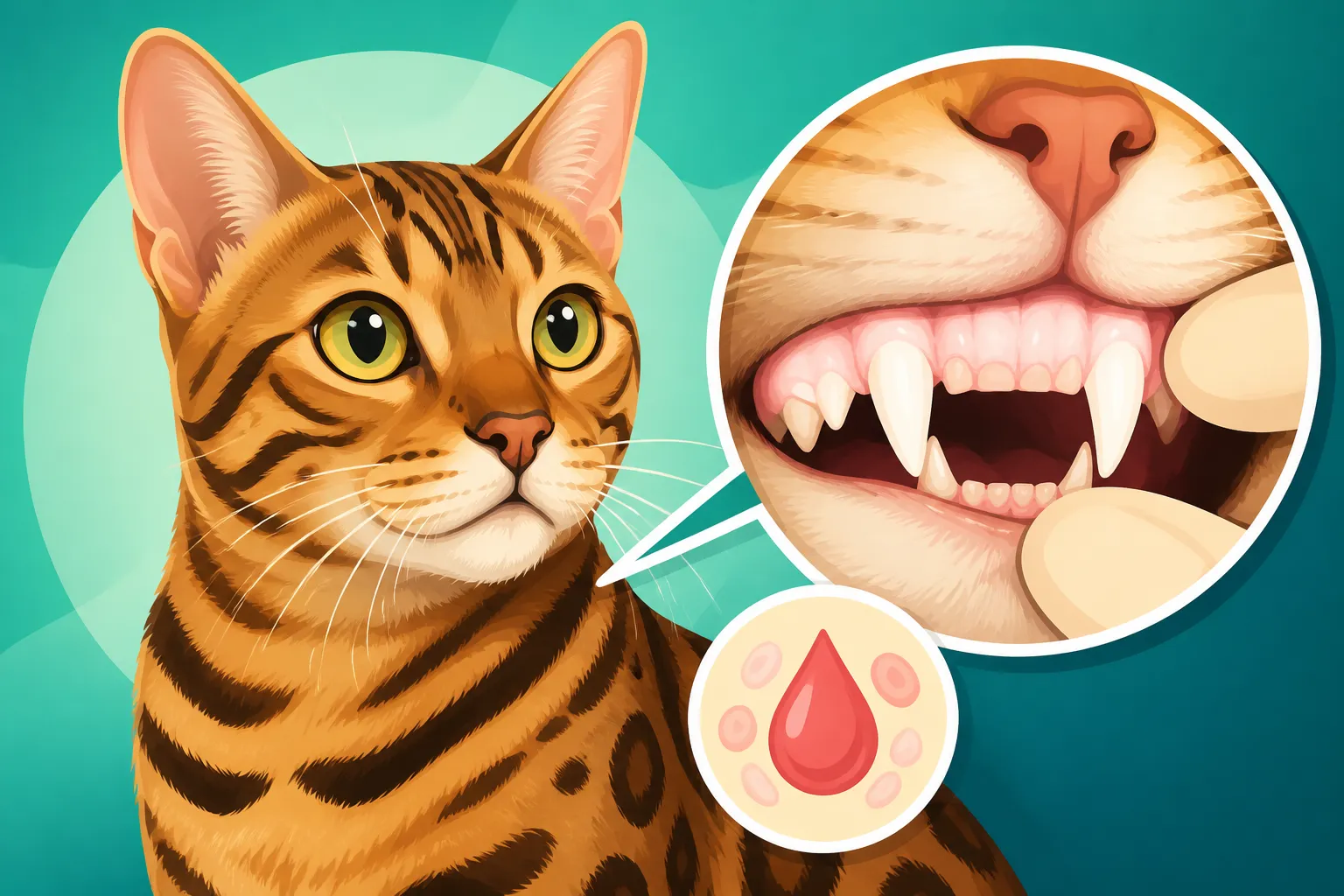
So, why exactly do those gums turn pale? It's quite direct: the paleness is a direct reflection of the lack of circulating red blood cells and, consequently, the reduced oxygenation of the blood flowing through the tiny capillaries in the gum tissue. Healthy cat gums should be a vibrant, salmon-pink color. You can get a good idea of your own cat's normal gum color by gently lifting their lip.
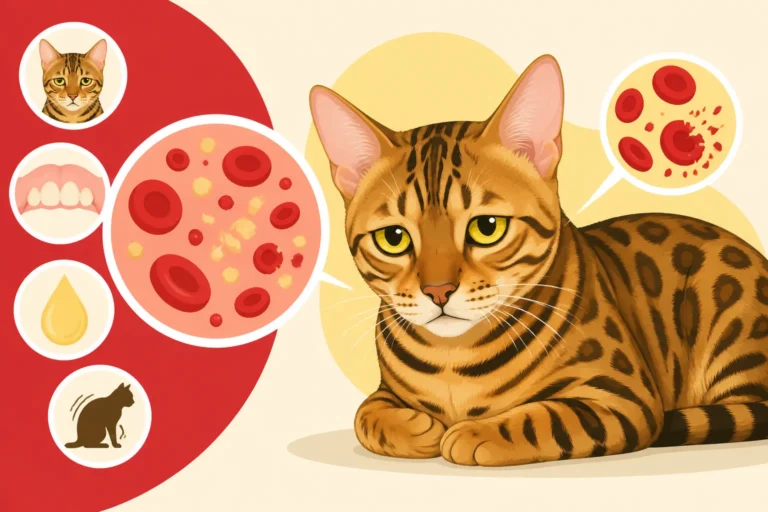
When a Bengal cat has PK deficiency and is experiencing an anemic episode, the gums will appear much lighter – ranging from a very light pink to almost white or grey. This isn't just a cosmetic change; it's a critical indicator that the body is not getting enough oxygen. Imagine trying to drive a car with barely any fuel; everything slows down and eventually stops. Similarly, when the body's tissues are deprived of oxygen, they can't function properly. This paleness can also be observed in other mucous membranes, such as the inner eyelids, though the gums are often the easiest and most noticeable place for owners to check.
This paleness is an emergency signal. If you observe it, especially in conjunction with other symptoms, it’s crucial to seek veterinary attention immediately. Prompt action can make a significant difference in the outcome for your Bengal. Understanding Signs a Bengal Cat Is Anemic can empower you to recognize these vital clues early on.
Recognizing Other Signs of Anemia and Seeking Diagnosis
Pale gums are a huge red flag, but they are rarely the only symptom of anemia. Being attuned to the more subtle changes in your Bengal cat's behavior and physical condition can lead to earlier detection and better outcomes.
Beyond Pale Gums: Other Red Flags to Watch For
Anemia caused by PK deficiency in Bengal cats manifests in several ways, often due to the body struggling with a lack of oxygen. Besides pale gums, here are some other critical signs that should prompt an immediate veterinary visit:
- Lethargy and Weakness: Your usually boisterous Bengal might become unusually quiet, less interested in play, and sleep more. They may seem weak or tire quickly after minimal exertion. This can be one of the earliest and most heartbreaking changes to observe.
- Reduced Appetite and Weight Loss: A cat that isn't feeling well will often lose interest in food. Persistent disinterest in meals or a noticeable drop in weight can be concerning.
- Increased Heart Rate (Tachycardia) or Breathing Rate (Tachypnea): The body tries desperately to compensate for the lack of oxygen by making the heart pump faster and the lungs work harder. You might notice your cat's chest heaving more than usual, even at rest.
- Jaundice: In some cases of hemolytic anemia, the rapid destruction of red blood cells releases bilirubin, a yellow pigment. The liver can sometimes struggle to process this quickly enough, leading to a yellow discoloration of the gums, whites of the eyes, or skin. This can sometimes occur simultaneously with paleness.
- Dark Urine: If hemoglobin is released into the bloodstream and filtered by the kidneys, it can lead to very dark, reddish-brown urine. This is a severe sign of red blood cell destruction.
- Enlarged Spleen or Liver: In chronic cases, these organs work overtime to filter out damaged red blood cells, which can sometimes lead to them becoming enlarged and palpable during a vet examination.
It’s important to remember that The Age PK Deficiency Shows in a Bengal Cat can vary, but these signs often become apparent during young adulthood, typically between six months and five years of age. Any combination of these symptoms, especially the sudden onset of profound lethargy or pale gums, warrants urgent veterinary care.
The Veterinary Diagnostic Process
When you bring your Bengal cat to the vet with concerns about anemia, the diagnostic process will typically begin with a thorough physical examination, where your vet will check for pale mucous membranes, listen to the heart and lungs, and palpate the abdomen. The next crucial step involves blood tests.
A complete blood count (CBC) is fundamental. This test will reveal if your cat is anemic by measuring the red blood cell count, hemoglobin levels, and packed cell volume (PCV) or hematocrit. A low PCV is a definitive indicator of anemia. However, a CBC alone won't tell the whole story. To determine the cause of the anemia, your vet will look for specific markers of red blood cell regeneration. If the bone marrow is responding to the anemia by producing new red blood cells, it suggests a hemolytic process.
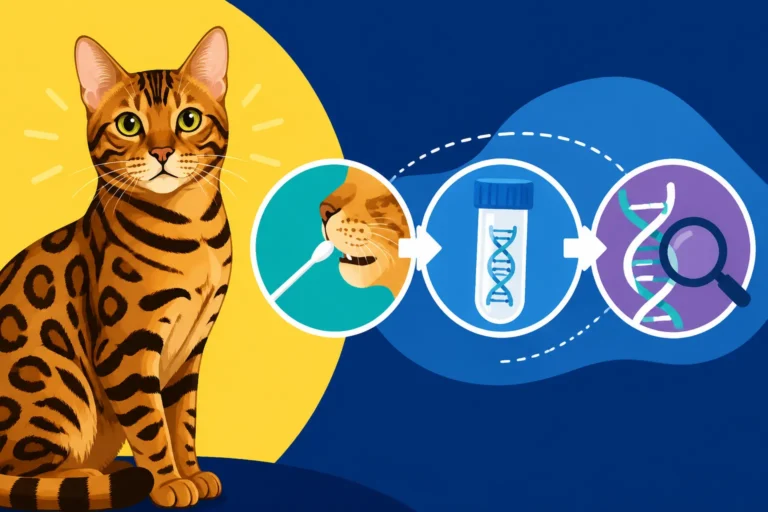
For a definitive diagnosis of PK deficiency, a DNA test is necessary. This test screens for the specific genetic mutation responsible for the disease in Bengal cats. It’s typically done using a cheek swab or a blood sample. This genetic test is critical because it confirms the underlying cause and helps distinguish PK deficiency from other types of anemia, which might have different treatments or prognoses. Knowing How a Vet Confirms PK Deficiency in a Bengal Cat can help you understand the steps involved and advocate for your cat's testing. It's often recommended that all breeding Bengals be tested for PK deficiency to prevent passing the gene on. For pet owners, if your cat is displaying symptoms, testing is crucial for proper management.
Getting an Accurate Diagnosis
Getting an accurate diagnosis is paramount. Without it, you might be treating symptoms without addressing the root cause, leading to frustration and continued health issues for your Bengal. If your cat tests positive for PK deficiency, it provides a clear understanding of what you're dealing with. This knowledge allows your veterinarian to create a tailored management plan focused on supporting your cat through anemic episodes and minimizing their impact.
It’s also wise to discuss the financial implications with your vet. Diagnostic tests, potential emergency treatments like blood transfusions, and ongoing care can quickly add up. This is where having pet insurance, such as a plan from Healthy Paws, can be incredibly beneficial. It can help alleviate the stress of unexpected vet bills, allowing you to focus on your cat's health without financial constraints looming large. An early and accurate diagnosis, backed by comprehensive care, gives your Bengal the best chance at a good quality of life despite the condition.
Managing Life with a PK Deficient Bengal Cat
Discovering your Bengal has PK deficiency can be daunting, but with proper management and a dedicated care routine, many affected cats can still lead fulfilling lives. It’s all about understanding the condition and being prepared to support your feline friend.
Treatment and Supportive Care
Unfortunately, there's no cure for PK deficiency itself, as it's a genetic defect. However, the focus of veterinary care shifts to managing the hemolytic anemia and supporting your cat through any crises. The specific approach will depend entirely on the severity of their symptoms and the frequency of anemic episodes.
- Blood Transfusions: In severe, acute anemic crises, a blood transfusion can be life-saving. This provides your cat with healthy red blood cells to rapidly increase their oxygen-carrying capacity. While effective in the short term, transfusions aren't a long-term solution but rather a critical intervention during emergencies.
- Spleen Removal (Splenectomy): The spleen is a major organ involved in filtering and removing old or damaged red blood cells. In some cases of chronic hemolytic anemia, including PK deficiency, an overly active spleen can contribute to the excessive destruction of red blood cells. Removing the spleen (splenectomy) has been considered as a treatment option for some cats to reduce the rate of red blood cell destruction. However, the effectiveness of this procedure for PK deficiency in Bengal cats varies, and it carries its own set of risks. Your vet will discuss whether this is a viable option for your individual cat, considering the potential benefits against the surgical risks. For more detailed information, exploring Whether a Spleen Removal Helps a Bengal Cat can provide further insights.
- Supportive Medications: While direct treatment for PK deficiency is limited, your vet might prescribe medications to manage secondary symptoms or complications. This could include appetite stimulants if your cat isn't eating, or specific diets to ensure they're receiving adequate nutrition. In some instances, corticosteroids might be considered to suppress the immune system if there's an immune-mediated component contributing to red blood cell destruction, though this is less common with pure PK deficiency.
- Minimizing Stress: Stress can sometimes trigger or worsen anemic episodes. Providing a calm, stable, and enriched environment for your Bengal cat is always beneficial, but especially so for one with a chronic health condition. This means consistent routines, quiet spaces, and gentle handling.
The costs associated with emergencies like blood transfusions or potential surgeries can be substantial. This is where having a reliable pet insurance plan, such as those offered by Healthy Paws, can provide immense peace of mind. Knowing that you have financial support for critical care allows you to make decisions based on your cat’s needs, rather than your wallet.
Long-Term Outlook and Quality of Life
The long-term outlook for a Bengal cat with PK deficiency can be variable. Some cats might experience only mild, intermittent anemia and live relatively normal lifespans with careful monitoring. Others might suffer from more severe, frequent episodes that significantly impact their quality of life and shorten their lifespan. It's a condition known for its "good days and bad days," and understanding How Long a PK Deficient Bengal Cat Lives involves acknowledging this variability.
Regular veterinary check-ups are essential for monitoring your cat's condition. Your vet will likely recommend periodic blood tests to keep an eye on their red blood cell count and overall health. Catching a drop in red blood cells early can help prevent a full-blown crisis. You’ll become the expert on your own cat’s subtle cues – changes in energy, appetite, or even the slight paleness of their gums that signals an upcoming dip.
It's also important to remember that Whether a PK Carrier Bengal Cat Gets Sick is different. Carriers usually do not exhibit symptoms of the disease themselves, but they can pass the gene to their offspring. This highlights the importance of genetic testing for breeding cats to gradually eliminate the gene from the breed line.
Living with a PK deficient Bengal means being incredibly observant and responsive to their needs. Providing a high-quality diet, a stress-free home, and plenty of love and affection will always be paramount. While it presents challenges, with proactive and compassionate care, you can help your Bengal cat with PK deficiency enjoy as full and happy a life as possible.
| Symptom Category | Specific Indicators of Anemia in Bengal Cats |
|---|---|
| Oral/Mucous Membranes | Pale pink to white gums, pale inner eyelids |
| Energy & Behavior | Lethargy, increased sleeping, reduced play, weakness, reluctance to move |
| Breathing & Heart | Rapid breathing (tachypnea), increased heart rate (tachycardia) |
| Appetite & Weight | Reduced appetite, disinterest in food, weight loss |
| Urinary | Dark or reddish-brown urine (indicates hemoglobin in urine) |
| Other Visual Cues | Yellowish tinge to gums/eyes (jaundice, if liver affected) |
Disclaimer
The information provided in this article is for educational purposes only and is not intended to be a substitute for professional veterinary advice, diagnosis, or treatment. Always seek the advice of your veterinarian or other qualified health provider with any questions you may have regarding a medical condition.