Distal Neuropathy in a Bengal Cat
It's incredibly disheartening when your energetic Bengal cat, known for their boundless zest for life, starts showing signs of struggling with their movement. You watch them leap and bound one day, only to notice an odd stumble or a hesitant jump the next, and a sinking feeling hits you. This guide is here to shed light on distal neuropathy, a neurological condition that can affect Bengal cats, helping you understand its signs, diagnosis, and how best to support your feline friend.
Understanding Distal Neuropathy in Bengal Cats
Distal neuropathy, while perhaps not as commonly discussed as some other Bengal cat health issues, is a condition that warrants every owner's attention. When you notice something is "off" with your cat's usual grace and agility, it's natural to worry, and understanding what might be happening is the first step toward getting them the help they need.
What Exactly is Distal Neuropathy?
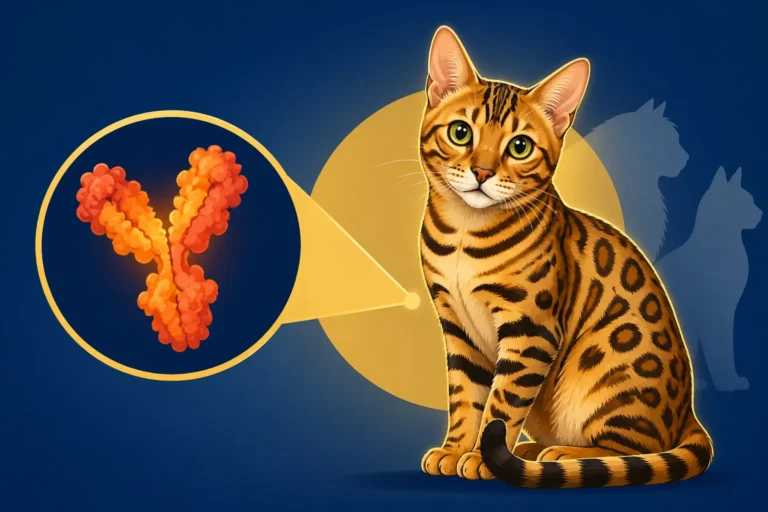
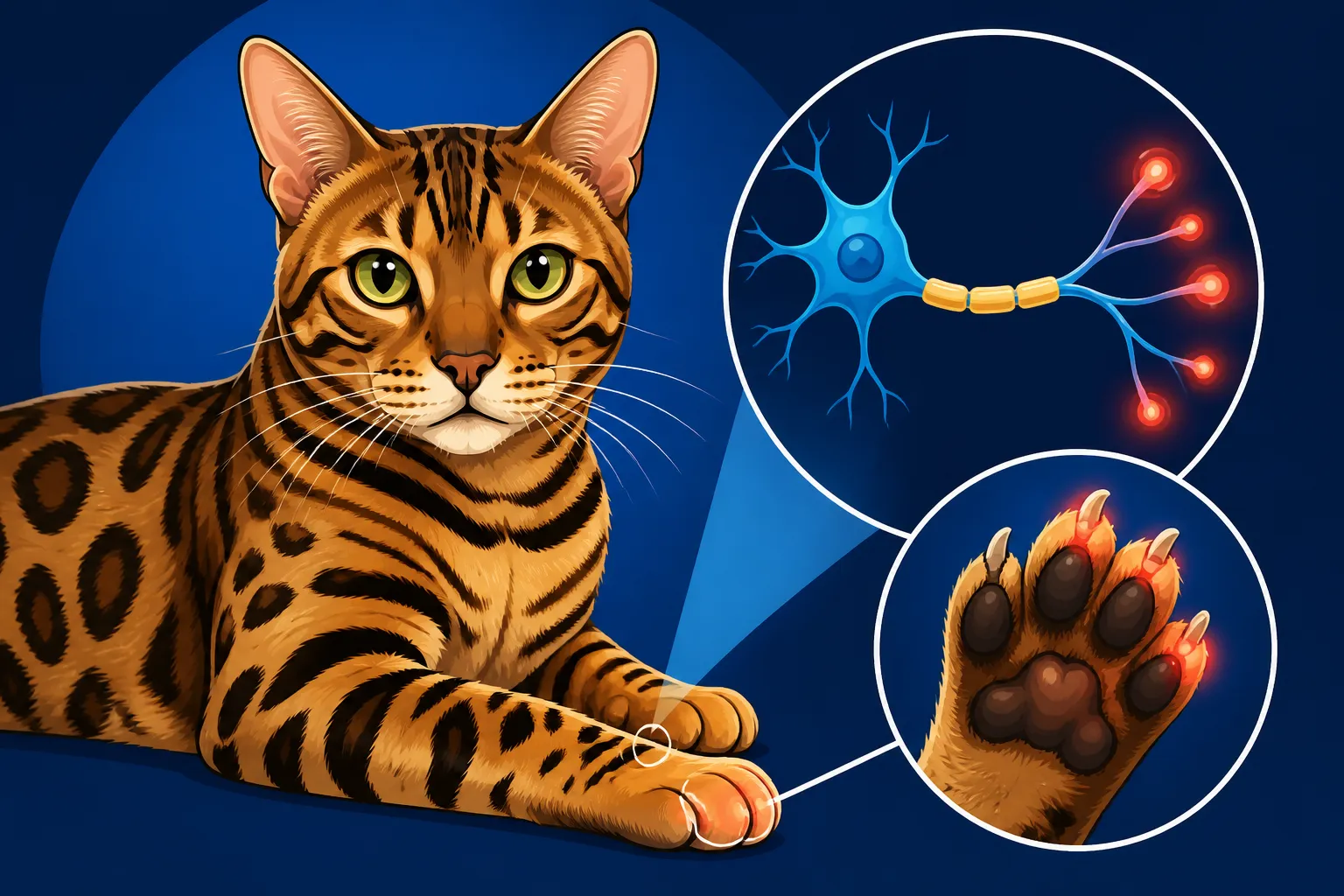
At its core, distal neuropathy refers to a disorder affecting the peripheral nerves, specifically those farthest from the brain and spinal cord – think of the nerves that extend into your cat's paws and lower limbs. These nerves are like the electrical wiring of the body, carrying signals back and forth between the brain and muscles. When they become damaged or dysfunctional, these signals can get disrupted or even completely cut off. This means the brain might struggle to tell the muscles in the legs to move correctly, or the paws might not be able to send sensory information, like touch or pain, back to the brain efficiently.
For a Bengal cat, whose entire existence seems to revolve around incredible athleticism and keen senses, this nerve damage can be particularly impactful. Imagine not being able to fully trust your footing, or feeling a strange tingling or numbness in your extremities – it would be incredibly disorienting and frustrating. The condition can manifest as either motor issues (difficulty moving) or sensory issues (loss of feeling), or a combination of both, making everyday activities like walking, jumping, or even just standing comfortably a real challenge.
Why Bengal Cats? Exploring the Genetic Link
It's a question many Bengal owners ask when faced with specific health concerns: "Why my Bengal?" While distal neuropathy can occur in various cat breeds and even other animals due to a multitude of causes (like nutritional deficiencies, toxins, or other underlying diseases), there's growing evidence suggesting a genetic predisposition for certain forms of neuropathy in specific breeds, including Bengal cats. This doesn't mean every Bengal will develop it, but rather that the breed, perhaps due to its unique genetic makeup and lineage, might carry genes that increase susceptibility.
The exact genetic markers or mechanisms for all types of distal neuropathy in Bengal cats are still areas of active research, but the recurring pattern points towards an inherited component. This is similar to how certain breeds are predisposed to conditions like Pyruvate Kinase Deficiency in a Bengal Cat or HCM Is What Kills Bengal Cats Early. It highlights the importance of responsible breeding practices and why knowing your cat's lineage, when possible, can be so valuable. While we don't yet have a definitive "gene test" for this specific neuropathy in Bengals, recognizing this potential predisposition helps veterinarians consider it earlier in the diagnostic process. This understanding helps validate why your seemingly healthy and active Bengal might suddenly start exhibiting these puzzling symptoms.
Recognizing the Early Warning Signs
Spotting distal neuropathy can be tricky because cats, especially active and resilient ones like Bengals, are masters at hiding discomfort. They often try to compensate for weakness or pain, making subtle changes easy to miss. However, as a dedicated Bengal owner, you're uniquely positioned to notice when your cat’s usual vibrant energy and coordinated movements begin to falter.
Subtle Changes in Gait and Movement
The most common early indicators of distal neuropathy often involve how your Bengal moves. You might notice a subtle shift in their walk, a hesitant quality to their jumps, or a general awkwardness that wasn't there before. For example, rather than their usual fluid, powerful strides, they might start to "bunny hop" with their hind legs, moving them together instead of independently. This often happens because they're trying to minimize weight-bearing on weakened limbs or struggling with coordination.
Another common sign is "high stepping," where they lift their paws unusually high, almost as if they're trying to clear an invisible obstacle. Conversely, you might see "paw dragging," where a paw doesn't lift completely off the ground, causing it to scuff, especially noticeable on rougher surfaces or carpet. Climbing and jumping, which are usually second nature to a Bengal, might become difficult or even avoided altogether. They might misjudge distances, fall more often, or hesitate before attempting to leap onto a favorite shelf. These seemingly minor changes, especially if they persist or worsen, are critical clues. It’s easy to dismiss a single stumble as clumsiness, but a pattern indicates something more significant is at play.
Behavioral Shifts and Sensory Indicators
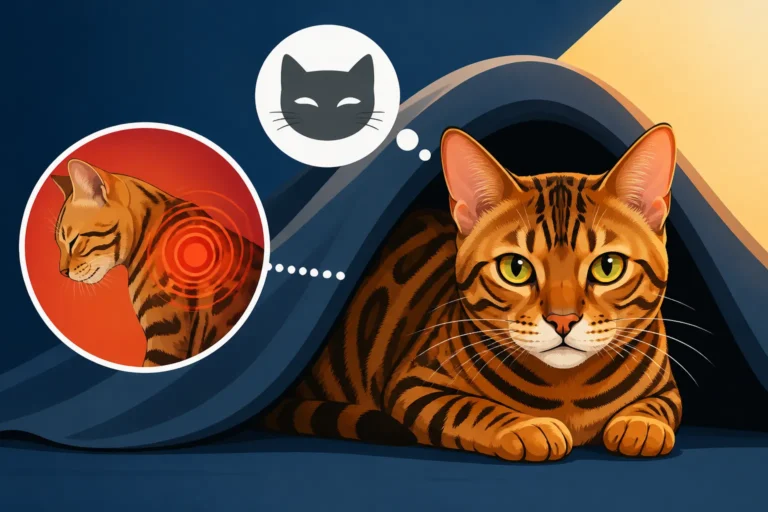
Beyond physical movement, distal neuropathy can lead to noticeable changes in your Bengal's behavior. A cat experiencing discomfort or loss of sensation might become less interested in playing or engaging in their usual energetic antics. Their once insatiable curiosity might wane, and they might spend more time resting or even hiding. You might find them less keen on using their scratching posts, or perhaps even reluctant to jump into their litter box if their hind legs are significantly affected, potentially leading to accidents outside the box.
Sometimes, sensory nerve damage can cause a strange tingling or numbness, leading a cat to lick, chew, or even overgroom their paws and lower legs excessively. While this could be indicative of allergies or other skin issues, if coupled with gait changes, it points more strongly to neurological discomfort. As the condition progresses, you might start to observe muscle wasting, particularly in the hind limbs. The once taut, muscular appearance of their legs might give way to a thinner, less defined look. Their purr might become less frequent, or they might vocalize more often with plaintive meows, trying to communicate their distress. Observing these combined physical and behavioral changes is paramount for an early diagnosis.
The Diagnostic Journey for Distal Neuropathy
Once you notice those worrying signs, the next step is a trip to the vet. It can be a frustrating process, as many conditions can present with similar symptoms, and pinning down a neurological issue requires a thorough and methodical approach. Don’t be afraid to advocate for your Bengal and seek specialist opinions.
The Initial Vet Visit and Physical Examination
Your first visit will involve a comprehensive physical examination by your primary veterinarian. They’ll likely observe your Bengal's gait, reflexes, and overall demeanor. They’ll check for obvious signs of injury, pain, or discomfort in the limbs, spine, and joints. This might involve palpating muscles, checking joint flexibility, and assessing proprioception – your cat's awareness of their body's position in space. For example, they might gently flip your Bengal's paw to see how quickly they right it, testing their neurological response. Your vet will ask you detailed questions about the onset of symptoms, how they've progressed, and any other changes you've observed, no matter how small.
During this stage, your vet will also want to rule out more common causes of lameness or weakness, such as injuries, arthritis, or even nutritional imbalances that can affect nerve health. They might recommend initial blood tests to check for systemic illnesses or deficiencies. It's an important starting point to gather general health information and ensure no obvious non-neurological issues are missed. Remember, a Bengal's natural agility can sometimes mask subtle problems, so an experienced eye is key. Building a good relationship with your vet, or a vet experienced with the specific challenges of Bengal cat health, is incredibly valuable.
Advanced Diagnostics: Electromyography (EMG) and Nerve Conduction Studies (NCS)
If the initial examination points towards a neurological issue, your vet will likely recommend consulting with a veterinary neurologist and performing more advanced diagnostic tests. This is where conditions like distal neuropathy truly start to reveal themselves. Two primary tests in this category are Electromyography (EMG) and Nerve Conduction Studies (NCS). An EMG involves inserting tiny needle electrodes into specific muscles to record their electrical activity, both at rest and during voluntary movement. Abnormal patterns can indicate nerve damage affecting those muscles.
Nerve Conduction Studies, on the other hand, measure how quickly and efficiently electrical signals travel along nerves. Small electrodes are placed on the skin over a nerve, and a mild electrical stimulus is applied. The speed at which the signal travels down the nerve and the strength of the muscle response are measured. If the signal is slow or weak, it suggests nerve damage. These tests can be incredibly precise in identifying the location and type of nerve damage, differentiating between conditions that primarily affect the nerve itself (neuropathy) versus those affecting the muscle (myopathy). Because these tests require specialized equipment and expertise, they are usually performed under sedation by a board-certified veterinary neurologist. The information gleaned from an EMG and NCS is often crucial for a definitive diagnosis of distal neuropathy.
Ruling Out Other Conditions and Differential Diagnoses
The symptoms of distal neuropathy can, unfortunately, overlap with a wide range of other health problems, which is why the diagnostic process needs to be so thorough. It’s not uncommon for a vet to consider several possibilities before landing on a diagnosis. For instance, problems with the spine, such as disc disease or spinal cord compression, can cause hind limb weakness and incoordination. Orthopedic issues like Patellar Luxation in a Bengal Cat or hip dysplasia can also mimic gait abnormalities, making it difficult for an owner to discern the underlying cause without professional help.
Metabolic conditions, certain toxins, or even nutritional deficiencies can also manifest as neurological symptoms. For example, severe thiamine deficiency, though rare in well-fed cats, can cause neurological signs. Some autoimmune diseases or certain types of cancer can also affect the nervous system. This is why your vet might also suggest imaging like X-rays or even an MRI to examine the spine and joints, or additional blood work to check for systemic diseases. The goal is to systematically eliminate other potential causes until the pieces of the puzzle align, confirming distal neuropathy as the most likely diagnosis. This comprehensive approach ensures that your Bengal receives the most accurate and effective treatment plan.
| Symptom Category | Distal Neuropathy (Potential) | Spinal Issue (e.g., Disc Disease) | Patellar Luxation (Knee Cap) | Arthritis (Joint Pain) |
|---|---|---|---|---|
| Gait Changes | Bunny hopping, high stepping, paw dragging, clumsiness, difficulty jumping/climbing | Weakness, paralysis in hind limbs, stumbling, back arching, reluctance to move | Intermittent limping, skipping steps, holding leg up | Stiffness, decreased range of motion, reluctance to jump |
| Pain Level | Variable; can be neuropathic pain or weakness | Often acute and severe, especially in disc disease | Mild to moderate, sometimes none if low grade | Chronic, worse in cold/damp weather, stiffness after rest |
| Muscle Wasting | Can be present, especially in later stages | Can be present in affected limbs | Less common, more joint instability | Can be present due to disuse |
| Behavioral Changes | Reduced activity, reluctance to play, excessive licking/chewing of paws | Hiding, vocalization, aggression when touched, reluctance to use litter box | Mild activity reduction, avoids jumping | Reluctance to play, decreased grooming, irritability |
| Reflexes | May be diminished or absent | May be diminished or absent below lesion | Usually normal, but gait affected | Normal, but pain on manipulation |
Managing and Treating Distal Neuropathy
Receiving a diagnosis of distal neuropathy can feel overwhelming, but it's important to remember that you're not alone. While a full cure might not always be possible, particularly if the condition is genetic or progressive, there are many strategies to manage symptoms, slow progression, and significantly improve your Bengal's quality of life. The focus shifts to supportive care and adaptive strategies, much like how we approach Caring for a Bengal Cat Past Ten when age-related changes begin to surface.
Supportive Care and Environmental Modifications
Making thoughtful adjustments to your home environment can have a profound impact on a Bengal cat struggling with distal neuropathy. Their natural instinct to climb and jump might be hindered, so providing safe, accessible alternatives is crucial. Consider placing ramps or pet stairs next to furniture like sofas and beds, allowing them to reach their favorite spots without strenuous jumping that could lead to falls or further injury. Non-slip mats or rugs placed on slick flooring (hardwood, tile) can provide much-needed traction, preventing slips and helping them feel more secure as they walk.
Accessible litter boxes are also vital. If your Bengal has difficulty stepping over high edges, switch to a low-entry box or even cut a small entrance in an existing one. Elevated food and water bowls can make eating and drinking more comfortable, reducing the need for them to bend down awkwardly. Physical therapy, often guided by a veterinary physiotherapist, can be incredibly beneficial. This might include gentle range-of-motion exercises, massage to maintain muscle tone and circulation, and even hydrotherapy (under supervision) to allow movement with less weight bearing. These interventions not only support physical well-being but also help maintain a sense of normalcy and comfort for your beloved cat. Regularly monitoring how your cat hides pain is also important to adjust supportive care.
Medical and Nutritional Approaches
When it comes to the medical side of managing distal neuropathy, a veterinarian, particularly a neurologist, will tailor a plan based on the specific type and severity of your Bengal's condition. This might involve various medications. Anti-inflammatory drugs could be prescribed if there's an inflammatory component to the nerve damage, while specific nerve pain medications (neuropathic pain relievers) can help alleviate discomfort if your cat is experiencing tingling, burning, or other sensations associated with nerve issues. Sometimes, certain supplements like B vitamins, particularly B12, are recommended due to their role in nerve health and function, though their efficacy varies depending on the underlying cause.
Dietary considerations also play a role. A balanced, high-quality diet is always important, but in some cases, a vet might suggest a specialized diet rich in omega-3 fatty acids, which have anti-inflammatory properties and can support neurological health. If a nutritional deficiency was identified as a contributing factor, supplementation would be a key part of the treatment plan. It's a long-term commitment, often requiring regular check-ups to adjust medication dosages, monitor for side effects, and assess the overall effectiveness of the treatment. This ongoing care emphasizes the importance of understanding What a Bengal Cat's Yearly Bloodwork Should Cover to catch any other issues and monitor organ function, especially if medications are involved.
Living with a Bengal Cat with Distal Neuropathy
Adapting to life with a Bengal cat with distal neuropathy is a journey of patience, love, and continuous adjustment. It shifts your focus from their wild leaps to celebrating their everyday comforts, ensuring they remain happy and engaged despite their physical limitations.
Ensuring Quality of Life and Emotional Well-being
Even with physical challenges, your Bengal cat's emotional well-being is paramount. They still possess that sharp Bengal intelligence and desire for interaction, so mental stimulation remains crucial. Puzzle feeders, interactive toys that don't require extensive physical exertion, and consistent playtime using wand toys (adapted to their mobility) can help keep their minds sharp and prevent boredom or frustration. Gentle grooming sessions, which Bengals usually tolerate well because of their unique A Bengal Cat's Coat Is a Pelt, Not Fur, can also be a wonderful bonding experience and a chance to check for new sores or sensitivities.
The emotional bond you share is incredibly powerful. Your calm reassurance and consistent routine can significantly reduce their stress and anxiety about their changing abilities. Celebrate small victories – a successful climb up a ramp, a moment of comfortable rest, or an enthusiastic purr. Understand that their pace has changed, and allow them to explore and interact on their own terms, providing safe spaces where they feel secure. Many owners wonder Whether a Bengal Cat With PRA-b Lives a Normal Life; similarly, with distal neuropathy, while "normal" is redefined, a rich, fulfilling life is absolutely achievable with dedicated care.
The Importance of Regular Vet Check-ups and Monitoring
Living with a chronic condition like distal neuropathy means that regular veterinary check-ups become an even more integral part of your Bengal's routine. These appointments aren't just for adjusting medications or therapies; they're essential for monitoring the progression of the disease, identifying any new symptoms, and addressing secondary issues that might arise. Your vet, or a veterinary neurologist, will assess their gait, muscle mass, reflexes, and overall comfort levels, making adjustments to their care plan as needed. This proactive monitoring ensures that your cat always receives the most appropriate and up-to-date treatment.
These ongoing veterinary visits can, understandably, incur significant costs over time. This is where pet insurance, like a comprehensive plan from Healthy Paws, can be an absolute lifesaver. Knowing that a significant portion of diagnostic tests, specialist consultations, medications, or even physical therapy sessions might be covered can alleviate a tremendous amount of financial stress, allowing you to focus purely on your Bengal's care without worrying about the bill. It’s an investment in peace of mind and your cat's long-term health, ensuring they can access the best care available throughout their life.
Finding Support: Community and Resources
Navigating a challenging health issue like distal neuropathy can feel isolating, but remember that you're part of a larger community of Bengal cat enthusiasts and pet owners. Online forums, social media groups dedicated to Bengal cats or feline neurological conditions, and local pet support groups can be invaluable resources. Connecting with other owners who are experiencing similar challenges can provide emotional support, practical tips, and a sense of camaraderie. You might find innovative ideas for home modifications, discover new therapies, or simply find comfort in sharing your experiences with people who truly understand.
Additionally, don't hesitate to lean on your veterinary team for information and guidance. They can often direct you to reputable resources, educational materials, or even local support networks. Organizations focused on feline health or specific neurological conditions may also offer a wealth of information. Remember, your dedication to your Bengal is admirable, and seeking support from both professional and peer networks can empower you to provide the best possible care for your unique companion.
Disclaimer
This article is intended for informational purposes only and does not constitute medical advice. Always consult with a qualified veterinarian or veterinary specialist for any health concerns or before making any decisions about your pet's medical care.