Patellar Luxation in a Bengal Cat
It's incredibly disheartening when your energetic Bengal cat, known for its boundless leaps and graceful movements, starts showing signs of discomfort or an unusual hitch in their stride. This subtle change can be a huge worry, and often, it points to a common orthopedic issue called patellar luxation. This guide is dedicated to helping you understand this condition fully, from why your athletic Bengal might be prone to it, to identifying the symptoms, and navigating the diagnostic and treatment paths to ensure your beloved companion can keep pouncing and playing for years to come.
Understanding Patellar Luxation in Bengal Cats
Patellar luxation might sound like a mouthful, but in simple terms, it means your cat's kneecap isn't staying where it should. It's a common orthopedic condition that affects many breeds, and given the Bengal's unique physiology and active lifestyle, it's something every owner should be aware of.
What Exactly is Patellar Luxation?
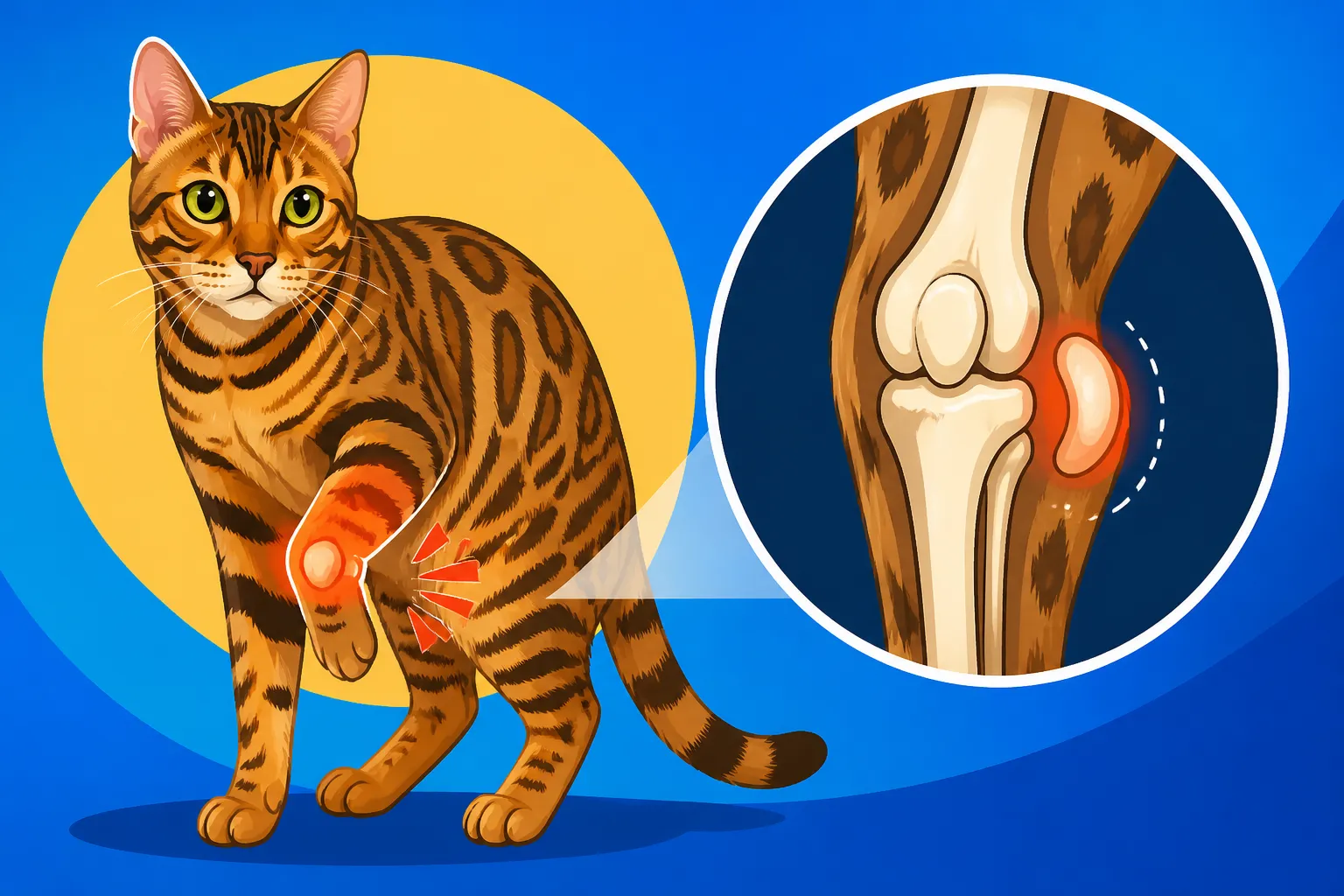
Let's get a little anatomical for a moment, but I promise to keep it clear. The patella is your cat's kneecap, a small bone that sits in a groove called the trochlear groove, located on the end of the femur (thigh bone). This kneecap is part of a larger mechanism that includes the quadriceps muscles, the patellar ligament, and the tibia (shin bone). When everything is working correctly, the patella slides smoothly up and down this groove as your cat flexes and extends its knee, allowing for efficient movement.
However, in patellar luxation, the kneecap dislocates or "slips" out of this groove. This can happen either towards the inside of the leg (medial luxation), which is the most common form in cats and small dogs, or towards the outside (lateral luxation). When the kneecap pops out, it can prevent the leg from fully extending, leading to pain and an awkward gait. Imagine your own kneecap suddenly shifting out of place – it's certainly not comfortable! Over time, this repeated slipping can cause wear and tear on the joint surfaces, leading to more significant problems like arthritis.
Why Bengal Cats Are More Susceptible
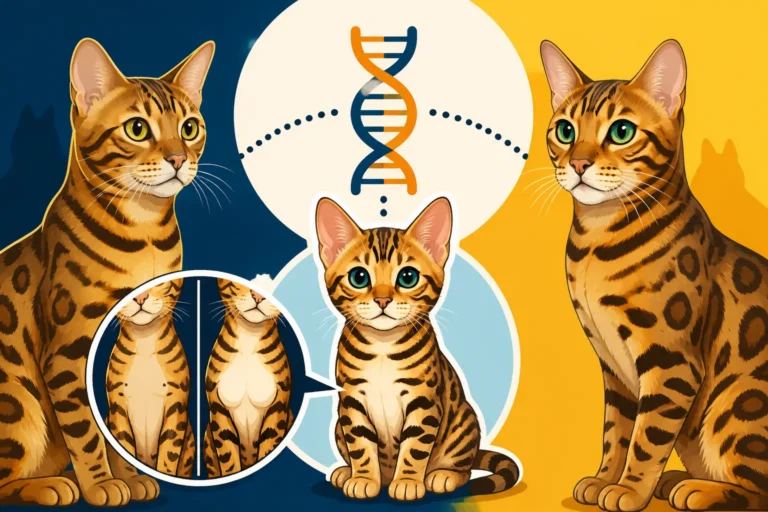
It's natural to wonder why a breed as agile and seemingly robust as the Bengal might be prone to such a condition. While patellar luxation can occur due to trauma in any cat, it's often an inherited, developmental issue, meaning your Bengal was born with a predisposition to it. The underlying problem typically isn't just the kneecap itself, but an abnormality in the alignment of the leg bones—the femur might be slightly bowed, or the trochlear groove might be too shallow, allowing the patella to easily slip out.
Bengals, with their incredibly athletic and high-energy nature, are constantly jumping, climbing, and running. While their agility is a huge part of their charm, this constant, high-impact activity can exacerbate an already existing structural weakness in the knee. Think of it this way: if the track isn't built quite right, a race car is more likely to derail. The vigorous lifestyle of a Bengal can make a subtle genetic predisposition much more apparent and problematic. It's also worth noting that while some breeds are known more for other joint issues, like the tendency for Whether Hip Dysplasia Affects Bengal Cats in some larger cat breeds, patellar luxation is a concern across a broader spectrum, including our beloved Bengals, due to these specific structural and genetic factors.
Recognizing the Signs and Symptoms
One of the biggest challenges with feline health issues is that cats are masters at hiding pain and discomfort. This instinct, a holdover from their wild ancestors, means that by the time you notice something is wrong, your Bengal might have been struggling for a while. Being vigilant about subtle changes in their behavior and movement is key.
Subtle Hints and Obvious Limps: Early Indicators
Often, the first sign of patellar luxation in a Bengal cat is an intermittent "skip" or a "bunny hop" in their gait. You might notice them running, then suddenly picking up one back leg for a few steps, shaking it, and then putting it back down as if nothing happened. This happens when the kneecap slips out, and then with a quick shake or extension of the leg, it slips back into place. It can be so quick and seemingly harmless that many owners initially dismiss it, thinking their cat just misstepped or is being playful.
As the condition progresses, or if the luxation is more severe, the lameness becomes more pronounced and frequent. Your Bengal might become reluctant to jump onto furniture they used to scale effortlessly, avoid using stairs, or show a general decrease in their usual exuberant activity levels. They might even hold the affected leg up completely, refusing to put weight on it. Because Bengals are so good at being stoic, it's crucial to understand How a Bengal Cat Hides Pain. Any subtle change in their incredible athleticism, even a slight hesitation before a jump or a less enthusiastic chase of a wand toy, could be an early indicator. Observing them closely during play and movement will give you the best chance of spotting these initial signs.
Advanced Stages and Secondary Issues
If patellar luxation is left unaddressed, the symptoms will inevitably worsen. The intermittent skipping can turn into persistent lameness, where your cat struggles to bear weight on the affected limb for extended periods. You might observe them trying to avoid putting weight on the leg entirely, leading to muscle atrophy (wasting) in the affected thigh, making one leg look visibly thinner than the other.
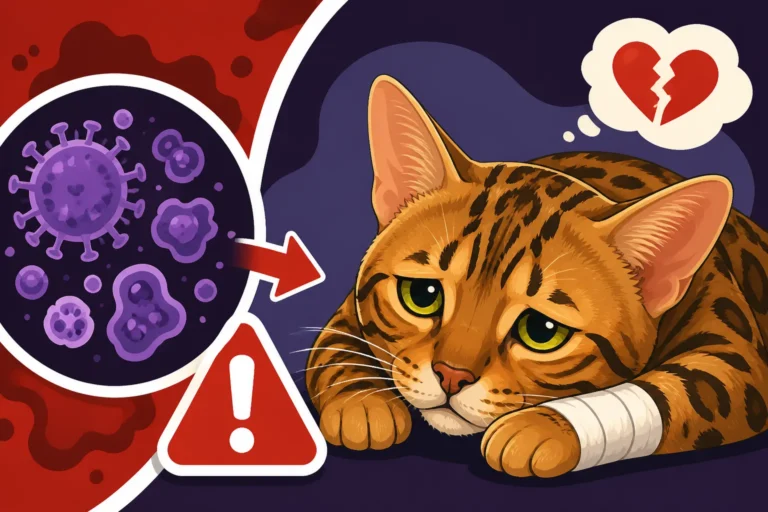
Pain responses, which are often subtle in cats, might become more obvious. Your Bengal might cry out when the knee is touched, or even lash out with a bite or scratch if they're in severe discomfort. The constant friction of the kneecap slipping in and out of the groove can lead to chronic inflammation and, eventually, debilitating osteoarthritis. This secondary arthritis causes persistent pain, stiffness, and further limits mobility, significantly impacting your Bengal's quality of life. At this point, even simple actions like using the litter box or grooming themselves can become challenging. Recognizing these signs, especially the specific way a Bengal's kneecap slips, can be vital for early intervention. If you notice any of these more advanced symptoms, it's imperative to seek veterinary attention promptly.
Diagnosing Patellar Luxation Accurately
When you bring your Bengal cat to the vet with concerns about their limping or skipping, the diagnostic process will typically begin with a thorough physical examination. This is where your veterinarian's expertise in orthopedic assessment truly shines.
The Veterinary Examination Process
During the physical exam, your vet will carefully palpate, or feel, your Bengal's knees. They'll gently manipulate the patella, trying to move it out of its normal groove. By flexing and extending the knee and applying slight pressure, they can often feel if the kneecap is prone to slipping and how easily it dislocates. This hands-on assessment also allows them to gauge the degree of muscle development, identify any swelling or pain around the joint, and check for crepitus (a gritty sound or feel) that might indicate arthritis.
Your vet will also observe your Bengal's gait, both walking and sometimes trotting, to see how they bear weight and if the characteristic "skip" is present. They'll assess how well your cat stands and moves, looking for any abnormalities in stance or posture. Based on these findings, they will grade the severity of the luxation, which is a crucial step in determining the best course of action. This grading system provides a standardized way to describe the condition:
| Grade | Description | Clinical Signs | Treatment Indication |
|---|---|---|---|
| Grade 1 | The patella can be manually luxated but returns to its normal position spontaneously. | Often asymptomatic or very occasional, mild skip. No significant pain. | Conservative management, monitoring. Rarely needs surgery. |
| Grade 2 | The patella luxates spontaneously or can be manually luxated, and remains luxated until manually reduced or the animal extends the limb. | Intermittent lameness, more frequent skipping. Mild pain, sometimes difficulty extending limb. | Conservative or surgical, depending on frequency and pain. |
| Grade 3 | The patella is permanently luxated but can be manually reduced back into the trochlear groove. | Consistent lameness, abnormal crouched gait. Moderate to severe pain, significant discomfort. | Surgical correction usually recommended. |
| Grade 4 | The patella is permanently luxated and cannot be manually reduced. | Severe, persistent lameness, often unable to extend leg. Significant pain and impaired mobility. | Surgical correction is essential, but prognosis may be guarded. |
This detailed examination is a vital part of a wellness exam, ensuring that no subtle health issues are overlooked.
Imaging and Further Diagnostics
While a physical examination is incredibly informative, imaging techniques are often necessary to get a full picture of your Bengal's knee health. X-rays are the most common diagnostic tool used in these cases. They allow your veterinarian to visualize the bone structures, including the depth of the trochlear groove, the alignment of the femur and tibia, and to check for any signs of arthritis, such as bone spurs or joint space narrowing, which can develop due to the abnormal joint mechanics. X-rays can also help rule out other potential causes of lameness, such as fractures or other orthopedic conditions.
In more complex situations, or if there's uncertainty about the extent of the damage, your vet might recommend advanced imaging like a CT scan or MRI. These can provide a more detailed view of the soft tissues, cartilage, and ligaments around the knee. However, for most routine cases of patellar luxation, good quality X-rays, often taken at specific angles, are usually sufficient. It’s always best to have these diagnostics performed by, or interpreted with the input of, an experienced veterinarian or an orthopedic specialist who has a deep understanding of feline anatomy and common breed-specific conditions.
Treatment Options for Patellar Luxation
Once your Bengal cat has been diagnosed with patellar luxation, your vet will discuss the various treatment options. The approach will largely depend on the grade of luxation, the severity of your cat's symptoms, their age, and your lifestyle.
Non-Surgical Management and Conservative Approaches
For Bengal cats with Grade 1 luxation, or even some mild Grade 2 cases where the symptoms are infrequent and pain is minimal, a conservative, non-surgical approach might be recommended. The primary goals here are pain management, reducing inflammation, and supporting joint health. Your vet might prescribe non-steroidal anti-inflammatory drugs (NSAIDs) during flare-ups to alleviate pain and swelling. Long-term, joint supplements containing ingredients like glucosamine, chondroitin, and omega-3 fatty acids can be beneficial in supporting cartilage health and reducing inflammation, potentially slowing the progression of arthritis.
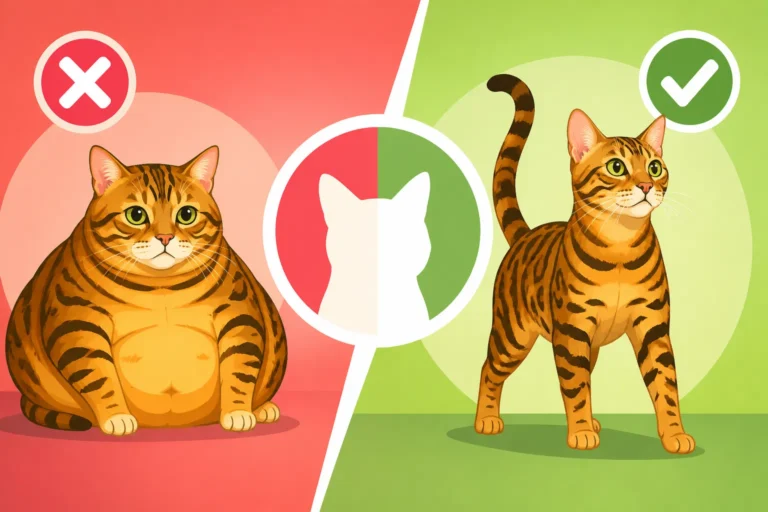
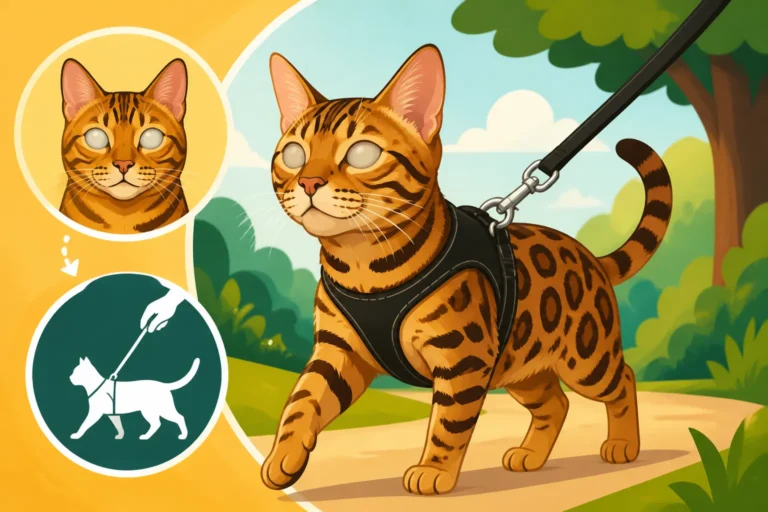
Weight management is also critically important. Even a few extra pounds can put significant stress on an already compromised joint, so keeping your Bengal at a lean, healthy weight is paramount. Controlled exercise, such as short, gentle walks on a harness and leash, or limited indoor play sessions, can help maintain muscle tone without putting excessive strain on the knee. High-impact activities like intense jumping or quick turns should be avoided. Physical therapy, including gentle range-of-motion exercises and massage, can also be taught to you by a vet or a certified rehabilitation therapist to help maintain flexibility. This ongoing care can certainly add up, and many owners find that having pet insurance, such as a policy from Healthy Paws, is a huge relief when managing these recurring costs for long-term health conditions. This kind of financial support can really make a difference over What a Bengal Cat Costs Over Its Lifetime.
Surgical Intervention and Recovery
For Bengal cats with more severe luxation (typically Grade 2 with persistent clinical signs, or Grade 3 and 4), surgical correction is often the most effective treatment. The aim of surgery is to permanently realign the patella within its trochlear groove, restoring normal knee function. Several surgical techniques can be employed, often in combination:
- Trochleoplasty: This involves deepening the trochlear groove, creating a more secure channel for the kneecap to sit in.
- Tibial Crest Transposition: The tibial crest, which is the bony bump where the patellar ligament attaches to the shin bone, is cut and repositioned to a more appropriate alignment, preventing the kneecap from pulling out of place.
- Lateral Imbrication: This technique involves tightening the joint capsule on the side opposite to the luxation, further securing the kneecap in its groove.
The decision on which technique or combination of techniques to use will be made by an orthopedic veterinary surgeon. While the thought of When a Bengal Cat Needs Knee Surgery can be daunting, the prognosis after surgery is generally good, with many cats regaining excellent use of their limb. However, post-operative care is crucial for success. This typically involves strict activity restriction for several weeks, pain medication, and potentially a course of physical therapy to strengthen the muscles and restore full range of motion. It’s a dedicated process, but seeing your Bengal bounce back makes it all worthwhile. Again, these surgical procedures and the subsequent recovery care can be quite expensive, and having comprehensive pet insurance from a provider like Healthy Paws can significantly ease the financial burden, allowing you to focus on your cat's recovery.
Managing Life with a Bengal Cat and Luxating Patella
Bringing your Bengal cat home after a diagnosis or surgery for patellar luxation means making some thoughtful adjustments to their daily life. Your goal is to support their recovery and long-term joint health, while still allowing them to express their natural, albeit modified, zest for life.
Environmental Adjustments and Support
Your Bengal's environment plays a huge role in managing their condition. While these cats are renowned for their incredible jumping abilities, it's wise to make high places more accessible or, in some cases, less tempting. Consider providing ramps or sturdy pet stairs for accessing favorite window perches, beds, or cat trees. Non-slip mats on hard flooring can also prevent slips and falls that might exacerbate the knee issue. If your Bengal loves to jump into the bathtub or shower with you, assess if the slick surfaces pose a risk and consider alternatives for their water play.
Ensure their litter boxes are easily accessible, perhaps opting for lower-sided boxes if they're struggling to step over high edges. Comfortable, orthopedic bedding can also provide pressure relief for their joints during rest. Modifying their highly energetic play is also important. Instead of encouraging massive leaps and aggressive pouncing, focus on interactive toys that promote gentler movements, or controlled leash walks. It's a bit like making your home accessible for a human with mobility issues, and sometimes, insights from situations like How to Rearrange a Home for a Blind Bengal Cat can even inspire creative solutions for pets with other physical challenges, reminding us how adaptable our homes can be for their needs.
Long-Term Care and Prognosis
Patellar luxation, especially if it leads to arthritis, often requires lifelong management. Regular veterinary check-ups are essential to monitor the condition of the knee, assess for any signs of arthritis progression, and adjust pain management or supplements as needed. Your vet can advise on the frequency of these visits, which may vary from every six months to annually, aligning with How Often a Bengal Cat Needs a Wellness Exam. Maintaining a healthy weight continues to be paramount throughout your Bengal's life to minimize stress on their joints.
Even after successful surgery, there's a possibility that arthritis might still develop over time, or even worsen in an already arthritic joint. This means a proactive approach to joint health, including continued use of supplements and potentially anti-inflammatory medications as prescribed, will likely be a permanent part of their routine. While it's a significant commitment, ensuring your Bengal lives comfortably through their senior years, even if Whether an Aging Bengal Cat Gets Stiff, is a testament to your bond. Bengal cats can live The Twelve to Sixteen Years a Bengal Cat Gets, and with diligent care, even those with patellar luxation can enjoy a full, happy life. Knowing that a trusted pet insurance provider like Healthy Paws is there to help cover the costs of these ongoing treatments, medications, and vet visits can offer tremendous peace of mind, making the decision that Whether a Bengal Cat Is Worth the Money a resounding yes for many devoted owners.
Disclaimer
Please remember, the information provided in this article is intended for educational purposes only and should not be taken as professional veterinary advice. Always consult with a qualified veterinarian for any health concerns or before making any decisions regarding your Bengal cat's care or treatment plan.