Which Enzyme PK Deficiency Removes From a Bengal Cat
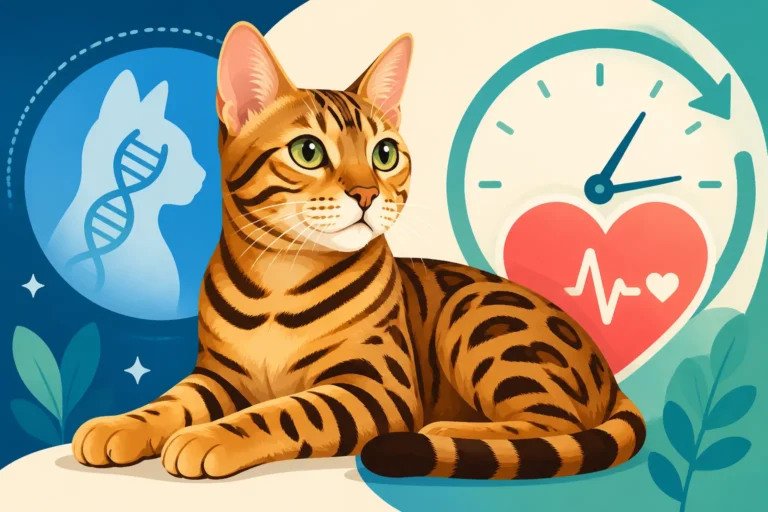
It's incredibly worrying when you hear about genetic health issues in your beloved Bengal cat, especially when terms like "enzyme deficiency" get thrown around. The truth is, understanding what's actually happening on a cellular level can make a huge difference in how you approach care and manage expectations for your furry family member. For Bengal cats, one such concern is Pyruvate Kinase Deficiency, a condition that specifically targets a crucial enzyme, impacting their red blood cells and overall health.
Understanding Pyruvate Kinase Deficiency in Bengal Cats
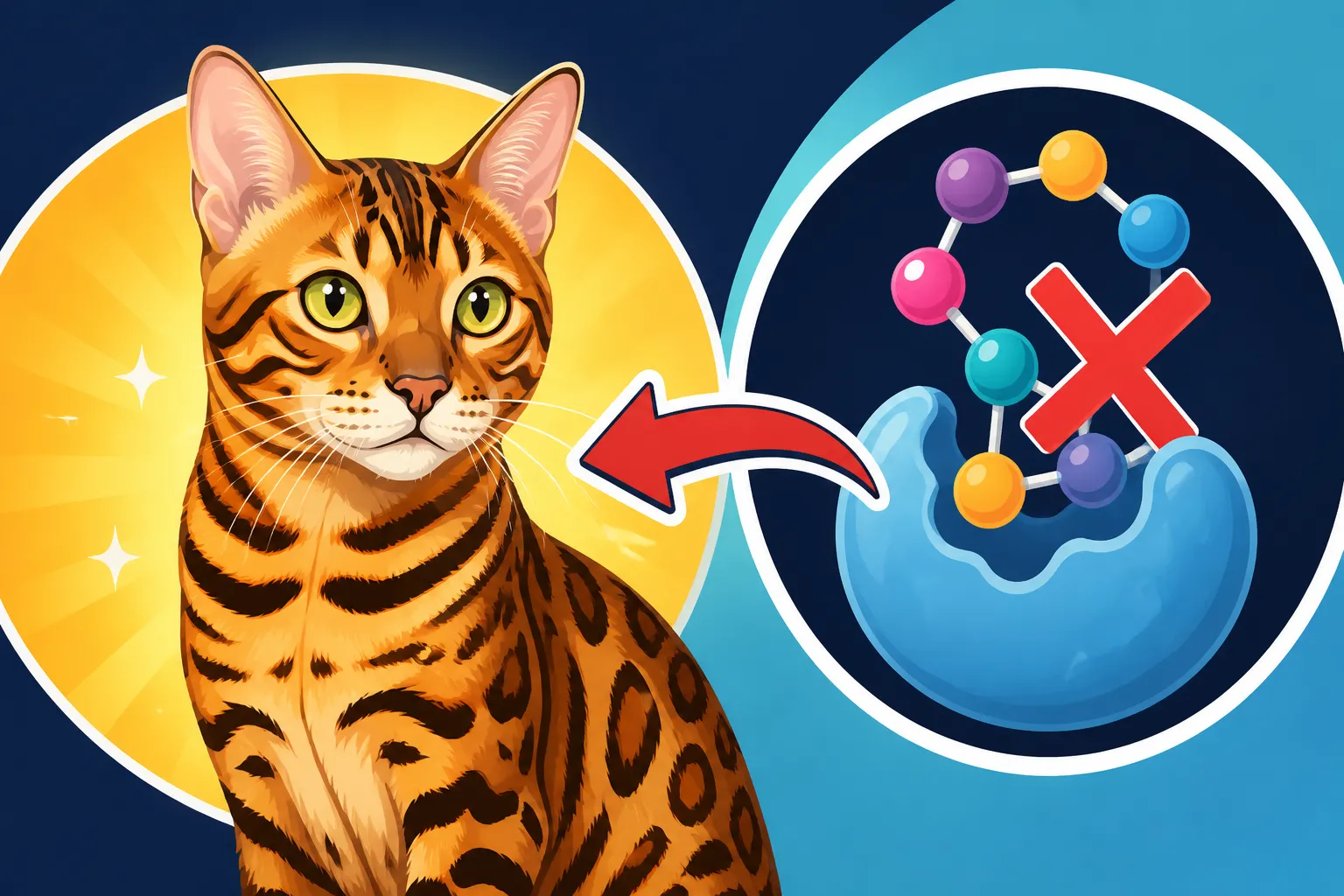
Pyruvate Kinase Deficiency (PKD) is a hereditary metabolic disorder that affects several cat breeds, including our active and vivacious Bengals. When we talk about what enzyme PK deficiency removes, or rather, what it lacks, we're referring to a vital enzyme called pyruvate kinase. This isn't just some obscure chemical name; it's a critical player in the energy production process within your cat's red blood cells. Think of it like a tiny, indispensable worker in a factory, and without it, the whole production line grinds to a halt.
Normally, pyruvate kinase is responsible for the final step in glycolysis, a metabolic pathway that generates energy (ATP) for cells. Red blood cells, in particular, rely heavily on this process to maintain their integrity and function properly. They need this energy to keep their membranes stable and carry oxygen efficiently throughout the body. Without sufficient pyruvate kinase, these red blood cells become fragile and prone to premature destruction, leading to a condition known as hemolytic anemia. This loss of vital red blood cells means less oxygen delivered to tissues and organs, which can cause a cascade of health problems. It's a fundamental issue, and understanding What PK Deficiency Does to a Bengal Cat helps us grasp the severity of its impact.
The Role of Pyruvate Kinase in Red Blood Cells
To really get a handle on why pyruvate kinase is such a big deal, let's zoom in on what it does inside a red blood cell. Imagine a red blood cell as a small, flexible bag designed to carry oxygen. For this bag to maintain its shape, stay flexible enough to squeeze through tiny capillaries, and generally survive its 70-day lifespan (in cats), it needs a constant supply of energy. This energy comes primarily from glucose metabolism, and pyruvate kinase is the gatekeeper of a crucial step in that pathway.
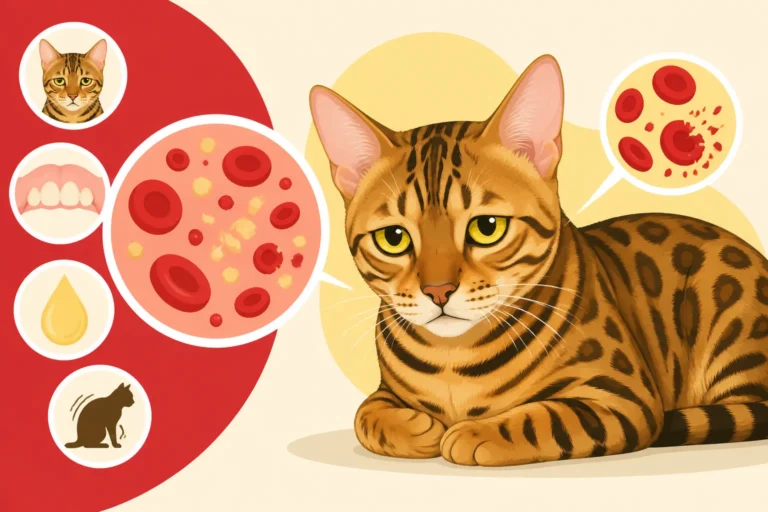
When the enzyme is deficient, the red blood cells can't produce enough ATP. Without this energy, their cell membranes become weak and stiff. They can no longer maintain their normal shape and integrity. Instead of flowing smoothly, they become brittle and rupture easily, often while still circulating in the bloodstream or when passing through the spleen, which acts as a filter for old or damaged red blood cells. This premature destruction is the hallmark of hemolytic anemia, and it's precisely How PK Deficiency Destroys a Bengal Cat's Red Cells. This isn't just about a few cells; it's a systemic breakdown that impacts how much oxygen your Bengal's body can transport, leading to fatigue, weakness, and other more severe symptoms.
Genetic Inheritance of PK Deficiency
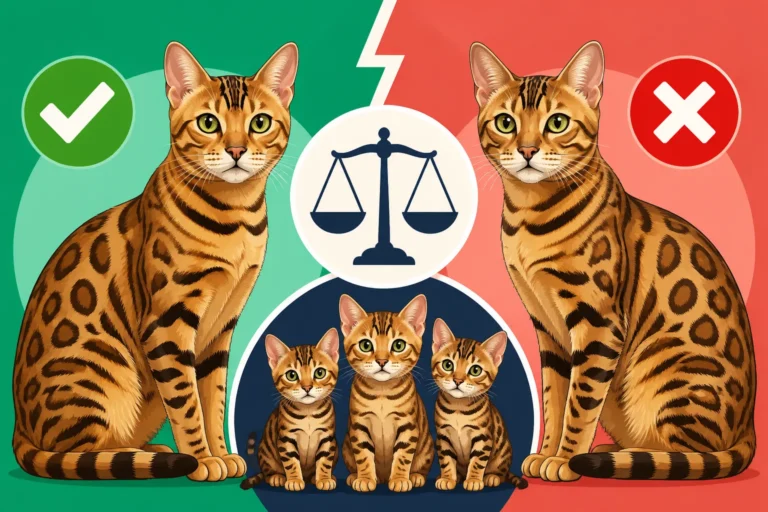
Pyruvate Kinase Deficiency isn't just a random occurrence; it's a genetic condition, meaning it's passed down from parents to offspring. It operates on an autosomal recessive inheritance pattern. This fancy term simply means that a cat needs to inherit two copies of the defective gene – one from each parent – to actually develop the disease. If a cat inherits only one copy of the defective gene and one normal gene, it becomes a "carrier." A carrier cat won't show any symptoms of the disease itself because the single normal gene produces enough pyruvate kinase to keep their red blood cells healthy. However, they can still pass that defective gene on to their kittens.
This is why responsible breeding is so incredibly important for Bengal cats. If two carrier cats are bred together, there's a 25% chance with each kitten that it will inherit two copies of the defective gene and therefore be affected by PKD. There's a 50% chance it will be a carrier, and a 25% chance it will be completely clear. Many breeders now screen their breeding cats for the PK deficiency gene to prevent this from happening. If you're considering a Bengal, always ask your breeder about genetic testing, including What a Bengal Cat Breeder Should Have Tested. Knowing the genetic status of parent cats is crucial for predicting the health outcomes of kittens.
The Health Impact of Pyruvate Kinase Deficiency
The direct health impact of PKD on a Bengal cat stems from the chronic hemolytic anemia it causes. This isn't usually a sudden, dramatic event, but rather a long-term, fluctuating condition. Cats with PKD will have periods where they feel relatively well, interspersed with "anemic crises" where their red blood cell count drops significantly. These crises can be triggered by stress, illness, or even just the natural wear and tear on their already fragile red blood cells.
When the anemia is severe, your Bengal might show a range of symptoms. They could become lethargic, weak, and noticeably less active than their usual bouncy selves. You might also notice pale gums, a rapid heartbeat, or even an enlarged spleen – an organ that works overtime to remove the damaged red blood cells. In more severe cases, jaundiced skin or eyes can appear due to the breakdown products of red blood cells. It's truly heartbreaking to see a cat you love suffering from such a debilitating condition. Learning to recognize Signs a Bengal Cat Has Hemolytic Anemia early can make a huge difference in managing their comfort and care.
Clinical Signs and Progression
The signs of PK deficiency in Bengal cats can be subtle at first, often appearing in kittenhood or early adulthood, typically between 6 months and 5 years of age. Some cats might be mildly affected and only show symptoms during times of stress or illness, while others might suffer from more severe, life-limiting anemia from a young age. This variability makes diagnosis challenging without genetic testing.
Common clinical signs include:
- Lethargy and Weakness: Your once-energetic Bengal might seem unusually tired, less interested in play, or reluctant to jump and climb.
- Pale Mucous Membranes: Check their gums, the inside of their eyelids, or their paw pads. If they are lighter pink or even whitish, it’s a strong indicator of anemia.
- Weight Loss and Poor Appetite: An anemic cat may not have the energy to eat or digest food properly, leading to a decline in body condition.
- Increased Heart Rate and Respiratory Rate: The heart and lungs work harder to compensate for the lack of oxygen-carrying red blood cells.
- Jaundice: Yellowing of the skin, gums, or whites of the eyes can occur if red blood cells are destroyed at a very rapid rate.
- Enlarged Spleen or Liver: These organs become enlarged as they try to process the rapidly breaking down red blood cells.
- Dark Urine: The breakdown products of red blood cells (bilirubin) can be excreted in the urine, giving it a darker appearance.
The episodic nature of the disease, where cats have good days and bad days, can make it frustrating for owners to pinpoint the problem. However, keeping a close eye on your cat’s activity levels and physical appearance can help you alert your vet to potential issues.
Diagnosis and Testing
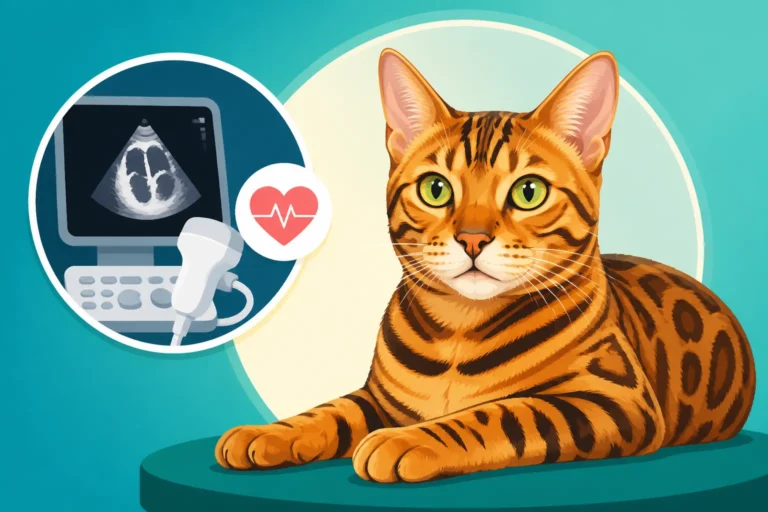
If you suspect your Bengal might have PK deficiency, or even if you're just being proactive, your vet will likely recommend a few tests. The first step usually involves a complete blood count (CBC) to check for anemia and assess the red blood cells. However, definitive diagnosis comes from genetic testing. This is a simple, non-invasive process, usually done with a cheek swab or a blood sample. The sample is then sent to a specialized lab that can detect the specific genetic mutation responsible for PK deficiency.
This genetic test is incredibly accurate and can identify affected cats (those with two copies of the gene) and carriers (those with one copy). It’s an invaluable tool for breeders to ensure they aren’t passing on this debilitating condition, and for pet owners, it provides clarity and allows for proactive management. Early diagnosis can truly impact How Long a PK Deficient Bengal Cat Lives and how well they live it. If you're getting a kitten, asking Whether a Bengal Cat Kitten Comes PK Tested should be high on your list of questions for a reputable breeder.
Treatment and Management for PKD
Living with a Bengal cat affected by Pyruvate Kinase Deficiency can be challenging, but effective management strategies can significantly improve their quality of life. There is no cure for PKD, as it's a genetic defect, but treatment focuses on managing the symptoms of anemia and supporting the cat through anemic crises.
One of the primary goals is to keep your cat as comfortable and stable as possible during these episodes. This often involves supportive care, which may include:
- Blood Transfusions: In severe anemic crises, a blood transfusion can be life-saving, providing a temporary boost of healthy red blood cells. This is often done in emergency situations when the cat's red blood cell count drops dangerously low.
- Corticosteroids: These medications might be used to suppress the immune system, especially if there's an immune-mediated component contributing to red blood cell destruction, although this is less common with primary PKD.
- Spleen Removal (Splenectomy): In some cases, a splenectomy might be considered. The spleen is a major site where fragile red blood cells are removed from circulation. Removing it can sometimes extend the lifespan of red blood cells and reduce the severity of anemia, though it's a significant surgery and not always a guaranteed solution.
- Iron Supplements: While not a direct treatment for the underlying enzyme deficiency, iron supplements can help the body produce new red blood cells more efficiently, particularly if there's any concurrent iron deficiency.
- Dietary Support: A high-quality, easily digestible diet is crucial. Some vets might recommend diets rich in specific nutrients that support red blood cell production.
- Stress Reduction: Minimizing stress in your cat's environment can help prevent anemic crises, as stress can sometimes exacerbate the condition. A calm, predictable routine is often beneficial.
It's vital to work closely with your veterinarian to develop a tailored treatment plan. Regular check-ups and blood work are essential to monitor your Bengal's condition and adjust interventions as needed. While the prognosis for cats with PKD can vary widely, with dedicated care, many can live several years, though often with a reduced lifespan compared to unaffected Bengals. For serious conditions like this, having pet insurance like Healthy Paws can be a real lifesaver, helping to cover the often-high costs associated with transfusions, medications, and specialized care. Knowing How a Bengal Cat With PK Deficiency Is Treated helps you prepare for what might be needed.
Life as a Carrier and Prevention
The good news is that if your Bengal cat is a carrier for PK deficiency, they typically won't experience any health problems related to the condition. Whether a PK Carrier Bengal Cat Gets Sick is a common concern, but generally, carriers lead perfectly normal, healthy lives because their single functional gene produces enough enzyme for healthy red blood cell function. The real importance of identifying carriers lies in preventing the spread of the disease through breeding.
Responsible breeders will always test their cats for PK deficiency (and other genetic conditions) before breeding them. If a cat is identified as a carrier, they should ideally only be bred with a cat that is genetically clear (non-carrier). This ensures that no affected kittens are produced. If two carriers were to be bred, there would be a 25% chance of producing an affected kitten, which is something conscientious breeders strive to avoid at all costs. The genetic tests are straightforward and affordable, especially compared to the emotional and financial burden of caring for an affected cat. You might wonder What the Bengal Cat PK Deficiency Test Costs, but it's a small price for peace of mind.
Here’s a summary table of the genetic outcomes:
| Parent 1 Genetic Status | Parent 2 Genetic Status | Offspring Probabilities |
|---|---|---|
| Clear (N/N) | Clear (N/N) | 100% Clear |
| Clear (N/N) | Carrier (N/PK) | 50% Clear, 50% Carrier |
| Clear (N/N) | Affected (PK/PK) | 100% Carrier |
| Carrier (N/PK) | Carrier (N/PK) | 25% Clear, 50% Carrier, 25% Affected |
| Carrier (N/PK) | Affected (PK/PK) | 50% Carrier, 50% Affected |
| Affected (PK/PK) | Affected (PK/PK) | 100% Affected |
This highlights why genetic testing of breeding animals is paramount to eradicating these hereditary conditions from our beloved Bengal breed. Preventing affected kittens is far better than treating them, and this responsibility falls on both breeders and informed prospective owners. What Percentage of Bengal Cats Carry PK Deficiency can vary, but widespread testing helps manage these numbers effectively.
Living With a Bengal Cat With PK Deficiency
Discovering your Bengal has PK deficiency can be devastating, but it's not necessarily a death sentence. Many affected cats can live fulfilling lives with diligent care and medical management. The key is to be proactive, work closely with your veterinary team, and understand that their needs will be different from a perfectly healthy cat. This might mean more frequent vet visits, careful monitoring at home, and being prepared for potential anemic episodes.
Having a good relationship with a vet who understands Bengal cats and their specific genetic predispositions is incredibly important. They can guide you through dietary adjustments, supplement recommendations, and help you recognize the subtle signs that your cat might be entering an anemic crisis. It's a journey, and you'll become incredibly tuned into your cat's well-being. Thinking ahead about veterinary expenses is always wise; services like Healthy Paws can provide financial support for ongoing medical needs, allowing you to focus on your cat's health rather than the bill.
Ongoing Care and Monitoring
Ongoing care for a Bengal with PK deficiency revolves around consistent monitoring and a calm, stable home environment. Regular veterinary check-ups are non-negotiable, often more frequent than for a healthy cat. Your vet will likely recommend periodic blood tests to monitor their red blood cell count and overall health. This can help you and your vet spot any trends or early signs of an impending anemic crisis.
At home, you become the primary observer. Pay close attention to your cat's energy levels, appetite, gum color, and breathing. Any significant change should warrant a call to your vet. Some owners even keep a daily journal to track these observations, which can be incredibly helpful for veterinarians trying to understand the episodic nature of the disease. Providing a quiet, stress-free environment, access to fresh water, and a consistent, high-quality diet are all foundational elements of their care. Avoiding situations that might cause undue stress, like sudden changes in routine or exposure to new environments without careful introduction, can also be beneficial.
Lifestyle Adjustments and Quality of Life
While a Bengal with PK deficiency might not be able to scale the highest cat trees or play for hours on end like their healthy counterparts, they can still enjoy a very good quality of life with appropriate adjustments. It's about meeting them where they are and focusing on enrichment that suits their energy levels.
Instead of intense, prolonged play sessions, perhaps shorter, more frequent bursts of play with their favorite wand toy. Vertical space is still important for Bengals, so ensure they have accessible climbing structures, but perhaps with easier ramps or lower perches if they're particularly weak. Creating cozy, secure resting spots where they feel safe and undisturbed is also crucial, as they will need more rest than average.
Remember, a Bengal cat's personality, intelligence, and affection don't diminish with a health condition. They still crave interaction, mental stimulation, and love. Focusing on gentle playtime, puzzle feeders, and plenty of cuddle time can help maintain their spirits and bond with you. Many owners find immense joy in caring for a special needs cat, and the love returned is immeasurable. Pet insurance plans from providers like Healthy Paws can greatly reduce the financial stress of chronic illness, ensuring you can always afford the best care for your beloved companion, no matter what curveballs life throws your way. The journey with a cat facing Pyruvate Kinase Deficiency in a Bengal Cat can be challenging, but also incredibly rewarding.
Disclaimer
This article is intended for informational purposes only and does not constitute veterinary advice. Always consult with a qualified veterinarian for any health concerns or before making any decisions related to your pet's health and treatment.