Which Breeds Share the Bengal Cat’s PK Mutation
Discovering that your beloved Bengal cat might be at risk for a serious genetic condition like Pyruvate Kinase Deficiency (PKD) can be incredibly worrying. It's natural to wonder if this is a Bengal-specific issue or if other breeds face the same challenges. The truth is, while Bengal cats are certainly known for carrying the PK mutation, they aren't alone in this genetic lottery. Understanding which other breeds share this particular genetic thread is vital for responsible pet ownership and breeding.
Unpacking Pyruvate Kinase Deficiency in Bengal Cats
Pyruvate Kinase Deficiency, often simply called PKD, is a bit of a mouthful, but understanding what it means for your feline friend is crucial. It’s a hereditary condition that directly impacts a cat’s red blood cells, those tiny, hardworking cells responsible for carrying oxygen throughout the body. When a cat has PKD, their red blood cells are more fragile and have a shorter lifespan than they should, leading to a type of anemia that can range from mild to life-threatening.
For Bengal cat owners, this information can be particularly unsettling. You bring home a lively, energetic Bengal, full of personality and charm, only to learn there's this underlying genetic possibility. It's not about how well you care for them; it's a predisposition passed down through generations. This is why many responsible breeders are so diligent about genetic testing, and why it's something every potential Bengal owner should be aware of. You want to give your feline the best life possible, and knowledge is always the first step.
The Role of Pyruvate Kinase and What Happens When It's Missing
At a cellular level, pyruvate kinase is an enzyme that plays a critical role in glycolysis, which is the metabolic pathway that generates energy for cells. Specifically, it's essential for the red blood cells to produce ATP, their main energy source. Think of it like a tiny, specialized engine within each red blood cell that keeps it running smoothly and efficiently.
When a cat is deficient in this enzyme, that "engine" isn't working correctly. The red blood cells don't have enough energy to maintain their integrity, becoming fragile and breaking down prematurely. This process is called hemolysis, and it’s the root cause of the anemia seen in cats with PKD. Unlike some forms of anemia that are triggered by external factors or illness, this is an intrinsic problem with the cells themselves, meaning it’s always present, even if the symptoms aren't always glaringly obvious. The body tries to compensate by producing new red blood cells, but it’s a constant uphill battle, leading to chronic, regenerative anemia.
Understanding the Genetic Hand-Me-Down of PK Deficiency
PK Deficiency is an autosomal recessive genetic disorder. If you're not a genetics expert, don't worry, I'll break it down. "Autosomal" simply means the gene responsible is located on a non-sex chromosome, so it affects both male and female cats equally. "Recessive" is the key part: it means a cat must inherit two copies of the faulty gene – one from each parent – to actually develop the disease.
Cats can be categorized into three groups:
- Clear: These cats have two normal copies of the gene and cannot develop the disease or pass it on.
- Carrier: These cats have one normal copy and one copy of the faulty gene. They are perfectly healthy themselves and will not show any signs of PKD. However, they can pass the faulty gene on to their offspring. This is often where things get tricky, as a healthy carrier might unknowingly pass the gene on. You might want to learn more about Whether a PK Carrier Bengal Cat Gets Sick.
- Affected: These cats have inherited two copies of the faulty gene (one from each carrier parent) and will develop PKD. The severity can vary, but they will experience the health challenges associated with the condition.
The implications for breeding are clear: if two carrier cats are bred together, each kitten has a 25% chance of being affected, a 50% chance of being a carrier, and a 25% chance of being clear. This makes genetic testing incredibly important for breeders who want to ensure the health of their lines and avoid producing affected kittens. Owners also benefit from knowing their cat’s status, especially if any unusual symptoms arise or if they're considering breeding (though responsible pet contracts usually require spaying/neutering).
Beyond Bengals: Other Feline Breeds Sharing the PK Mutation
It's a common misconception that certain genetic health issues are exclusive to a single breed. While some conditions do have a stronger association, the world of feline genetics is often more interconnected than we realize. The PK mutation, for instance, isn't just a Bengal cat concern. It pops up in quite a few other breeds, underscoring the importance of widespread genetic screening and shared knowledge among breeders and owners.
This shared genetic vulnerability points to common ancestry or widespread presence of the mutation in the cat gene pool before distinct breeds were fully established. Just like humans, cats share a vast majority of their DNA, and sometimes a particular mutation can find its way into multiple lineages.
The Family Tree of PK-Affected Breeds
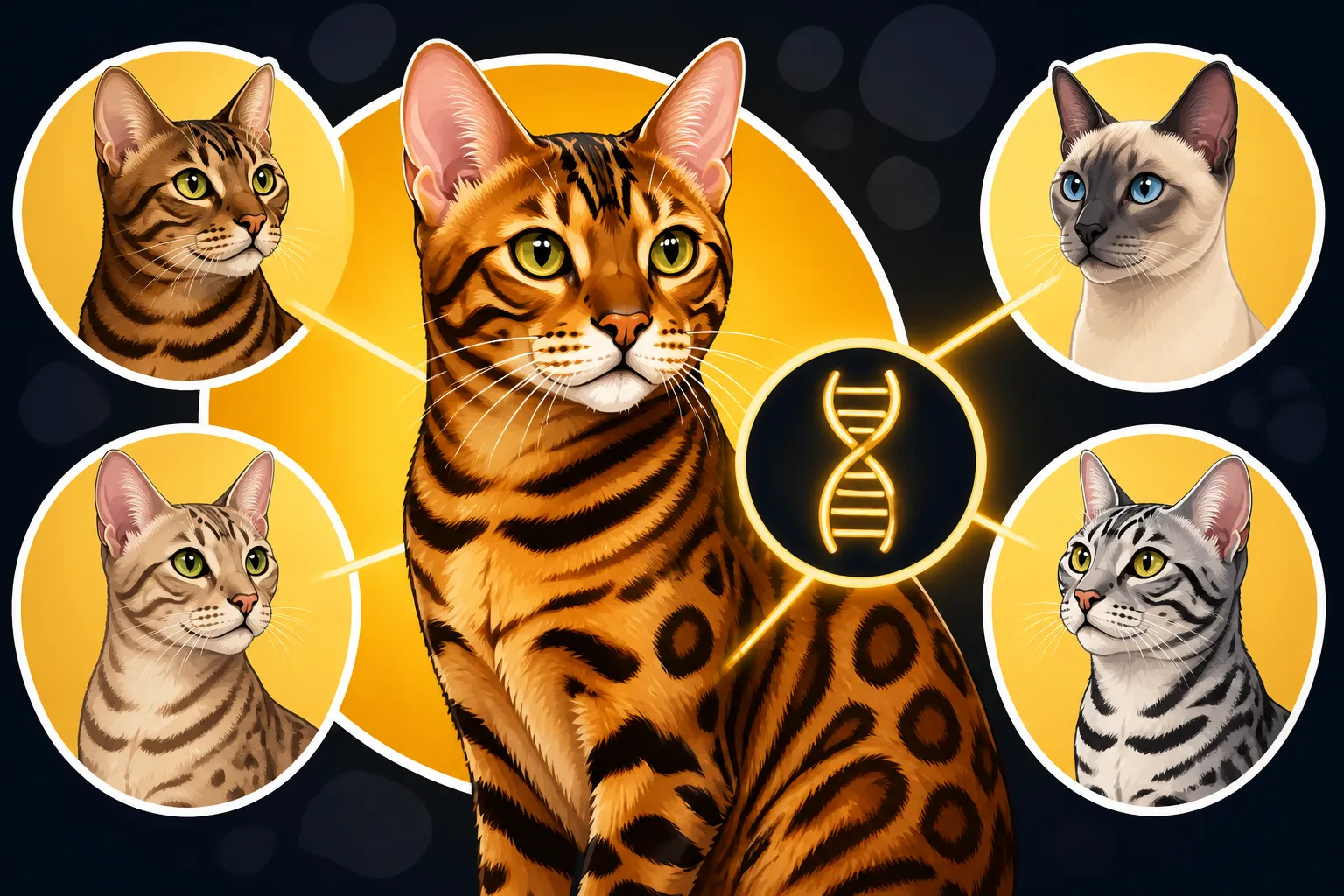
Beyond the Bengal, several other well-known cat breeds have been identified as carrying the same specific pyruvate kinase deficiency mutation. This isn't a different kind of PK deficiency; it's the exact same genetic error that can be found in a Bengal.
Here are some of the breeds that share this PK mutation:
- Abyssinian: This ancient and elegant breed, known for its ticked coat and active nature, is among the most well-known carriers of the PK mutation. In fact, many early studies on feline PK Deficiency focused on Abyssinians.
- Somali: Often described as a long-haired Abyssinian, the Somali naturally shares much of its genetic heritage with its short-haired cousin, including the predisposition to PK Deficiency.
- Egyptian Mau: This strikingly spotted breed, with its distinctive "M" marking on the forehead and green eyes, also carries the PK mutation. Their athletic build and wild appearance sometimes draw comparisons to Bengals, though they are a distinctly different, ancient breed.
- Singapura: Known for being one of the smallest cat breeds, the Singapura is also on the list of breeds that can carry this specific genetic mutation.
- Maine Coon: This gentle giant of the cat world, famous for its impressive size and shaggy coat, has also been found to carry the PK mutation, though perhaps less commonly associated with it than the Abyssinian or Bengal.
- Norwegian Forest Cat: Another large, long-haired breed built for cold climates, the "Wegie" can also carry the PK gene.
- LaPerm: This breed, known for its unique curly coat, is also included in the roster of those susceptible to the PK mutation.
This list isn't exhaustive, and new genetic findings are always emerging, but it highlights that this isn't a rare, isolated issue. It's a genetic concern that crosses various breed lines, sometimes with historical links, and sometimes simply due to how genetic mutations spread through a population over time. If you're wondering How Many Bengal Cats Carry PK Deficiency, it helps to know other breeds are in a similar situation.
Why This Shared Genetic Thread Exists Across Breeds
The presence of the same PK mutation across such a diverse range of cat breeds often sparks curiosity about its origins. There are a few primary reasons why a single genetic anomaly might be shared among different populations of purebred cats.
Firstly, shared foundational ancestors play a significant role. Many modern cat breeds, especially those developed in the last century, drew from a relatively small pool of domestic cats in their early breeding programs. If a common ancestor, even one far back in the pedigree, carried this mutation, it could have been unknowingly passed down through subsequent generations and into various emerging breeds. For example, some breeds might have been outcrossed with others at certain points in their development, introducing new genetic material, including mutations.
Secondly, the mutation itself might simply be widespread in the general domestic cat population. While we typically associate these tests with purebreds, the genes don't discriminate. When specific breeds were established by selecting for certain traits, if the founder cats happened to be carriers, the mutation would become concentrated within that breed's gene pool. Over time, without targeted genetic testing, it becomes endemic.
Finally, in the case of Bengal cats, their heritage includes the wild Asian Leopard Cat. However, the specific PK mutation found in Bengals and these other domestic breeds is not believed to originate from the Asian Leopard Cat. Instead, it was introduced into the Bengal gene pool from the domestic cat breeds used in the foundational crosses. This means that while Bengal cats have a wild heritage, this particular genetic issue likely came from their domestic side. Understanding What PK Deficiency Does to a Bengal Cat becomes even more important when considering its shared history.
Knowing this history isn't just academic; it reinforces the importance of genetic testing across all these breeds. It's a testament to the interconnectedness of our feline companions and a call to action for breeders and owners alike to prioritize genetic health.
| Breed | PK Deficiency Status (Likely) | Common Association |
|---|---|---|
| Bengal | Carrier / Affected | High |
| Abyssinian | Carrier / Affected | High |
| Somali | Carrier / Affected | High |
| Egyptian Mau | Carrier / Affected | Moderate |
| Singapura | Carrier / Affected | Moderate |
| Maine Coon | Carrier / Affected | Lower |
| Norwegian Forest Cat | Carrier / Affected | Lower |
| LaPerm | Carrier / Affected | Lower |
Note: "Likely" refers to the breed having a known incidence of the specific PK mutation, not that every individual in the breed is affected or a carrier. "Common Association" reflects general awareness of the condition within the breed community.
The Crucial Role of Genetic Testing for All At-Risk Breeds
Given that Pyruvate Kinase Deficiency is a shared genetic concern across multiple beloved breeds, the significance of genetic testing simply cannot be overstated. It's the most powerful tool we have to identify carriers and affected cats, allowing us to make informed decisions that safeguard the health of individual pets and the future of entire breed lines. For anyone bringing a new kitten into their home, or for a responsible breeder looking to maintain the integrity of their cattery, testing is not just a recommendation—it's an absolute necessity.
Navigating Genetic Testing for PK Deficiency
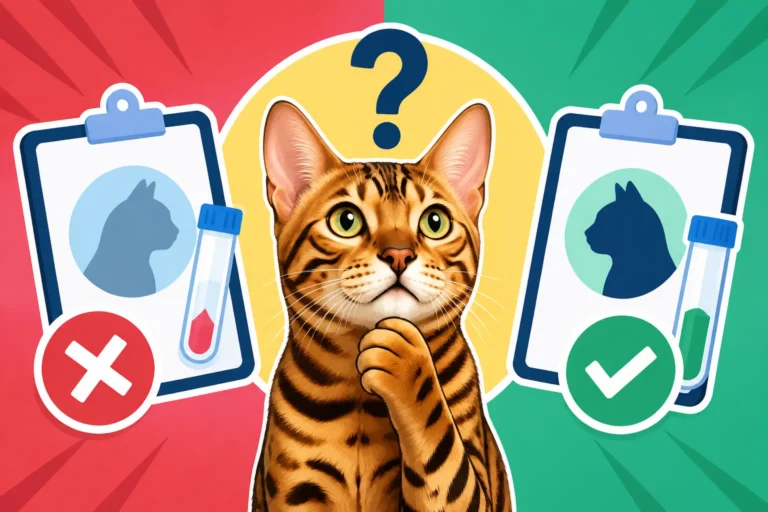
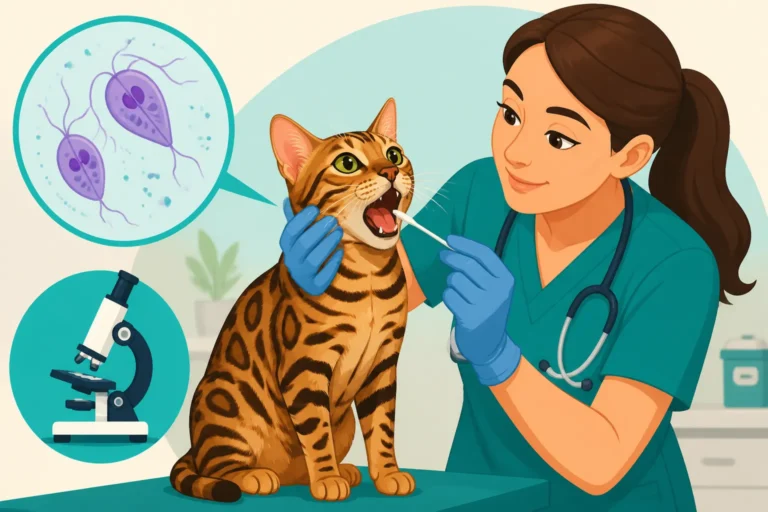
The good news is that testing for PK Deficiency is remarkably straightforward and non-invasive. Most commonly, it involves a simple cheek swab or a small blood sample sent to a specialized veterinary genetics laboratory. These labs use DNA analysis to determine if a cat is clear, a carrier, or affected by the PK mutation.
When you're looking for a breeder, especially for a Bengal or any of the other at-risk breeds, one of the first questions you should ask is about their genetic testing protocols. Reputable breeders will not only test all their breeding cats but will also be transparent about the results, often providing copies of the official lab reports for both parents of a kitten. This due diligence ensures that they are actively working to prevent the inheritance of conditions like PK Deficiency. Companies like Wisdom Panel and Optimal Selection offer comprehensive genetic panels that include testing for PK Deficiency, making it easier for breeders and owners to get a full picture of their cat’s genetic health.
It's equally important for pet owners to understand that even if a cat isn't intended for breeding, knowing its PK status can be incredibly valuable. While carriers won't develop the disease, knowing a kitten comes from clear parents provides immense peace of mind. If you've adopted a cat of unknown origin from a rescue, or even an adult Bengal, considering a DNA test can be a proactive step in understanding their potential health risks down the line. Many pet insurance providers, such as Healthy Paws, offer coverage that could assist with the diagnostic and treatment costs associated with genetic conditions, but understanding your cat's predispositions upfront is always a better position to be in.
Making Informed Decisions: Breeding and Pet Ownership
For breeders, genetic testing for PK Deficiency is a cornerstone of ethical practice. The goal is to eliminate affected cats from the breeding pool and, ideally, to reduce the number of carriers over time while maintaining genetic diversity. This doesn't necessarily mean removing all carriers from a breeding program. Sometimes, a carrier cat may possess other highly desirable traits that are valuable to the breed. In such cases, a responsible breeder would only breed that carrier with a cat that is known to be clear of the mutation. This ensures that no affected kittens are produced, as all offspring would either be clear or carriers themselves, but none would develop the disease. For more detailed information, check out Whether a PK Carrier Bengal Cat Can Be Bred.
For potential pet owners, asking about PK testing results should be as standard as asking about vaccination records. A breeder who is hesitant to share results, or claims testing isn't necessary, should raise a red flag. When adopting a kitten, knowing that both parents are clear provides the highest level of assurance. If a kitten’s parents are carriers, and the kitten itself has been tested and found to be clear, that’s also perfectly acceptable. The main thing to avoid is unknowingly bringing home an affected cat or, if you plan to breed (which should only be done responsibly by experienced individuals), breeding two carriers together.
This proactive approach not only spares individual cats from suffering but also contributes to the long-term health and vitality of these magnificent breeds. It's a commitment to the well-being of our feline companions that resonates deeply within the Bengal community and beyond. Knowing your cat's genetic predispositions allows you to plan for their health care, and in the unfortunate event of an illness, having pet insurance like Healthy Paws can provide much-needed financial support for treatment.
Living with a PK Deficient Cat: Support and Care Considerations
While preventing PK Deficiency through responsible breeding and genetic testing is paramount, understanding how to care for an affected cat is equally important for those who find themselves with a PK-deficient feline. Living with a cat affected by Pyruvate Kinase Deficiency requires vigilance, a close relationship with your veterinarian, and a commitment to supportive care to ensure they can lead as comfortable and happy a life as possible.
It's a challenging situation, but with the right approach, affected cats can often have periods of relatively normal activity, punctuated by episodes of anemia. The key is understanding the disease's progression and being prepared to act when symptoms flare up. Many owners find that despite the health challenges, these cats bring immense joy and love into their homes.
Recognizing the Signs and Seeking Veterinary Care
The signs of PK Deficiency can be somewhat subtle in their early stages or can come and go, which is why owners need to be observant. The most common symptom is anemia, which can manifest in several ways. You might notice your cat is unusually lethargic or tired, less interested in play, or generally less active than usual. Another tell-tale sign is pale gums, which are usually a healthy pink color. This pallor indicates a lack of red blood cells circulating adequately. You might find it helpful to read about Signs a Bengal Cat Is Anemic.
Other symptoms can include:
- Weight loss: Despite a good appetite, some affected cats struggle to maintain weight.
- Jaundice: A yellowish tint to the skin, gums, or whites of the eyes, caused by the breakdown of red blood cells.
- Splenomegaly: An enlarged spleen, as the spleen works overtime to filter out damaged red blood cells.
- Lack of growth: Kittens born with the condition may fail to thrive.
If you observe any of these signs, especially if you know your cat's breed is at risk or its parents were carriers, it's crucial to seek veterinary attention immediately. Your vet will conduct blood tests, including a complete blood count (CBC), to confirm anemia and rule out other causes. They might also recommend specific tests for PK Deficiency to confirm the diagnosis if genetic testing wasn't done previously. Early diagnosis allows for a proactive approach to management and can significantly improve an affected cat's quality of life. Knowing How Long a PK Deficient Bengal Cat Lives can help you prepare for their specific care needs.
Long-Term Management for Affected Felines
Unfortunately, there is no cure for Pyruvate Kinase Deficiency; it's a lifelong condition. Treatment focuses on supportive care to manage the anemia and any associated symptoms. This can involve a variety of approaches tailored to the individual cat's needs:
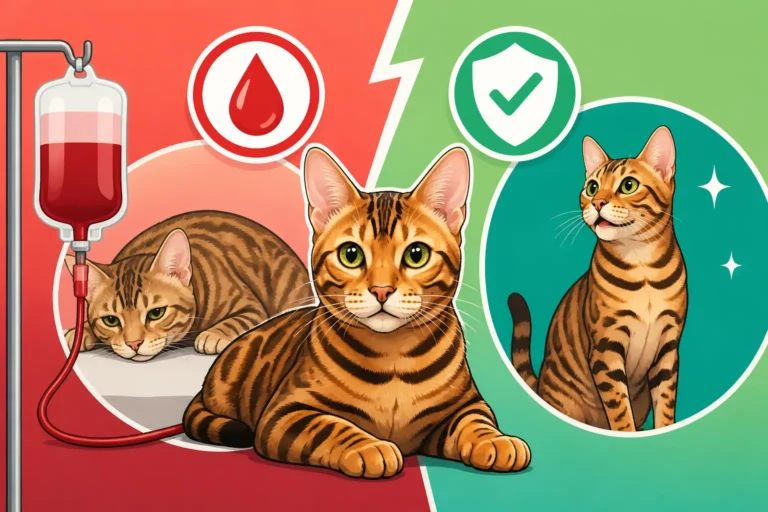
- Blood Transfusions: During severe anemic crises, blood transfusions can be life-saving, providing a temporary boost of healthy red blood cells.
- Splenectomy: In some cases, surgical removal of the spleen (splenectomy) may be considered. The spleen is a major site of red blood cell destruction, and removing it can sometimes prolong the lifespan of the fragile red blood cells, reducing the severity of anemia. However, this is a significant surgical procedure and not always suitable for every cat.
- Nutritional Support: A high-quality, easily digestible diet is important, and your vet might recommend specific dietary supplements to support red blood cell production.
- Stress Reduction: Minimizing stress in the cat's environment can help prevent anemic flare-ups. A calm, consistent routine is beneficial.
- Regular Veterinary Check-ups: Frequent monitoring of blood parameters is essential to track the progression of the disease and intervene quickly when necessary. This allows your vet to adjust the management plan as your cat's needs change.
Living with a PK deficient cat requires dedication, but it’s a journey many owners embrace wholeheartedly. Having a good relationship with your vet and considering pet insurance, such as Healthy Paws, can certainly alleviate some of the financial burden associated with ongoing care and potential emergency treatments. This ensures that you can focus on providing the love and support your special feline companion deserves throughout their life.
Disclaimer
The information provided in this article is for general informational purposes only and does not constitute veterinary advice. Always consult with a qualified veterinarian for any health concerns or before making any decisions related to your pet's health and treatment.