Whether a Bengal Cat Breeder Shows Echo Results
One of the biggest anxieties for anyone welcoming a new Bengal cat into their home is the fear of hidden health issues, especially serious genetic conditions like Hypertrophic Cardiomyopathy (HCM). It’s incredibly frustrating when you’re trying to do your due diligence and a breeder isn’t completely upfront about the health screening they perform. This comprehensive guide will walk you through why it’s not just important, but absolutely essential, for a Bengal cat breeder to show you tangible echocardiogram (echo) results for their breeding cats, and what to look for when you see them.
Understanding HCM and Its Impact on Bengal Cats
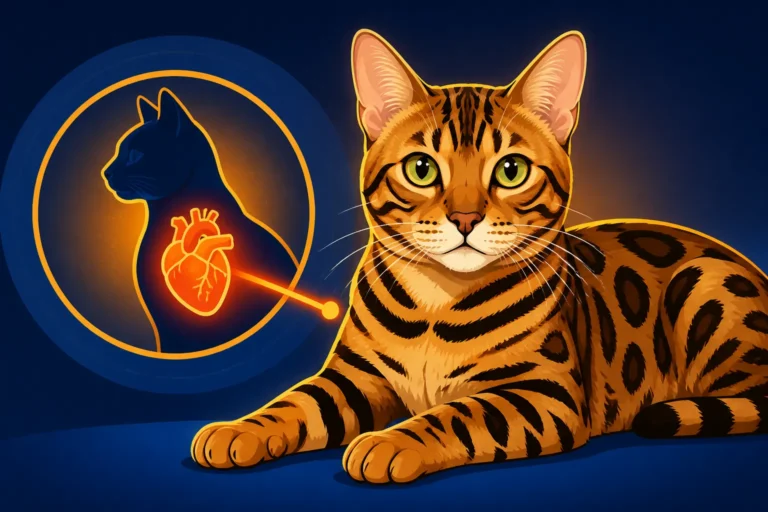
Hypertrophic Cardiomyopathy (HCM) is a heartbreaking reality in the feline world, and unfortunately, Bengal cats are not immune. This condition is the most common heart disease in domestic cats, causing the muscular walls of a cat's heart to thicken, which makes it harder for the heart to pump blood effectively. It's a progressive disease, meaning it tends to worsen over time, and can lead to serious complications like congestive heart failure, blood clots, and sudden death.
Imagine the devastation of bringing home a lively, beautiful Bengal kitten, only to find out months or a few years down the line that they’re silently suffering from a severe heart condition. This isn't just a financial burden; it's an emotional one that no pet owner should have to face unknowingly. The insidious nature of HCM is that often, there are no outward signs in the early stages, making routine screening by breeders absolutely critical to catch it before it progresses or is passed on. Knowing What HCM Does to a Bengal Cat's Heart can help you appreciate the importance of these screenings.
Why HCM is a Concern for Bengal Cats
While HCM can affect any cat breed, certain breeds, including the Bengal, are genetically predisposed to it. This means there's a higher incidence of the disease within these populations, and it can run in specific family lines. It's not a simple case of "good luck, bad luck"; careful breeding practices are paramount to minimizing the risk. Responsible breeders actively work to identify and remove affected cats from their breeding programs to safeguard the future health of the breed. Without this diligence, the prevalence of HCM could escalate, leading to more heartache for countless families.
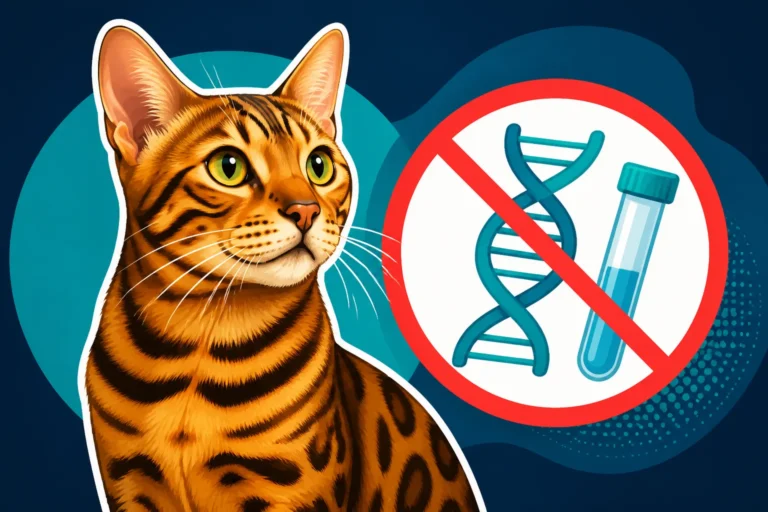
The underlying genetic mutations responsible for HCM in Bengal cats are complex and not fully understood, which further complicates prevention efforts. Unlike some breeds where a specific gene test exists, Why There Is No Bengal Cat HCM Gene Test is a crucial piece of information for prospective owners. This lack of a simple DNA test means that breeders must rely on other diagnostic tools to assess the heart health of their cats, making regular veterinary examinations and specialized screenings even more vital.
The Limitations of Genetic Testing for Bengal Cat HCM
It's a common misconception that all genetic diseases have a straightforward DNA test. For Bengal cats and HCM, this isn't the case. While genetic tests exist for HCM in some breeds, like the Maine Coon, the specific genetic markers identified in those breeds are not relevant to Bengals. This means a Bengal cat cannot simply have a cheek swab sent off to a lab to definitively say whether they carry the gene for HCM. This reality places a much heavier emphasis on physical screening methods.
Because there isn't a universally applicable genetic test for Bengal cat HCM, breeders must depend on more involved, and often more expensive, diagnostic procedures. This is where echocardiograms come in. Without a genetic test, the responsibility for diligent screening falls squarely on the breeder's shoulders to prevent unknowingly passing on a potentially fatal condition. This also means you, as a prospective owner, need to be extra vigilant in ensuring your breeder is following the most rigorous screening protocols available.
The Critical Role of Echocardiograms in Breeder Screening
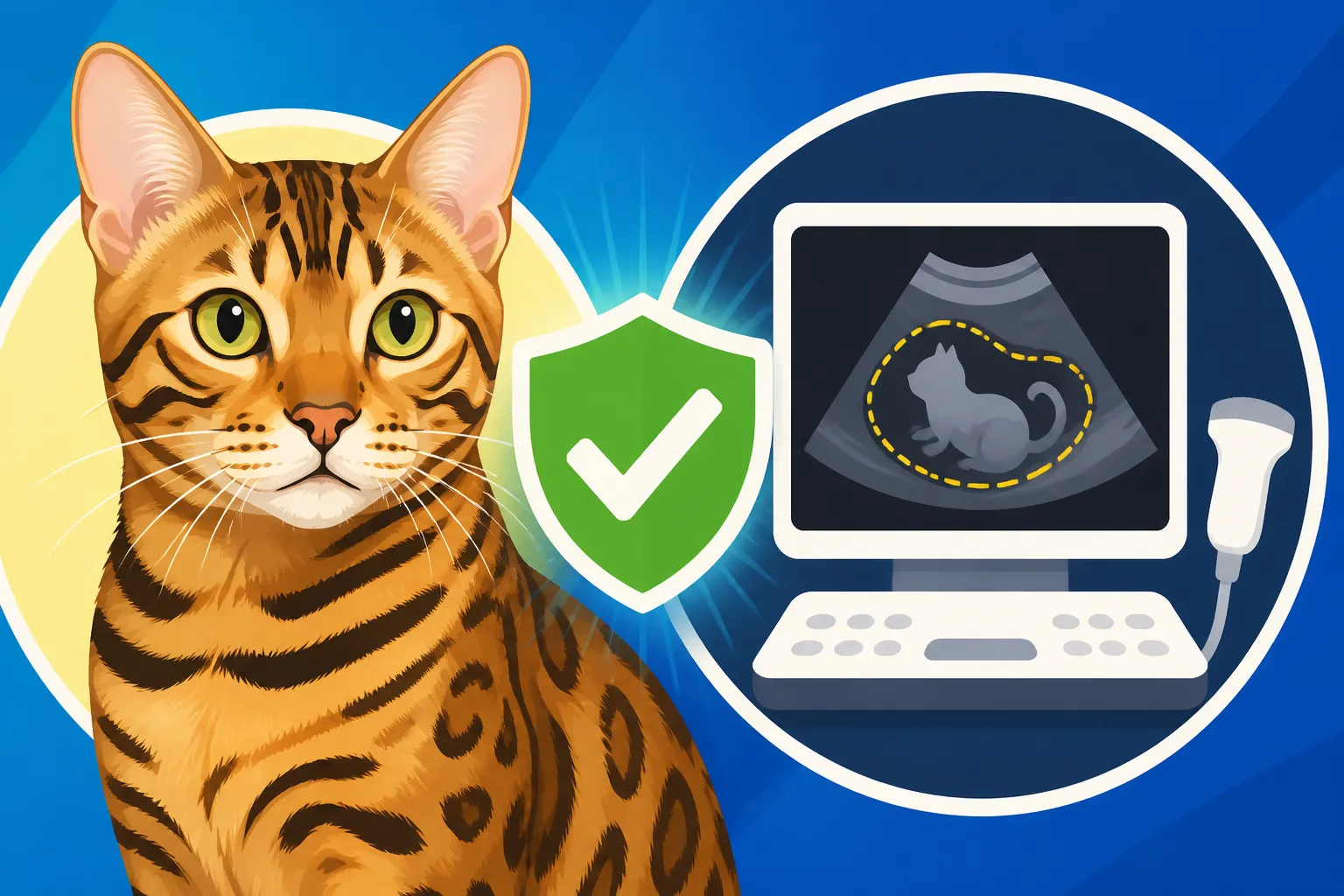
An echocardiogram is essentially an ultrasound of the heart. It’s a non-invasive procedure that allows a veterinary cardiologist to visualize the heart's structure and function in real-time. Think of it like a sophisticated surveillance camera giving a detailed view of all the heart's moving parts – the chambers, valves, and the thickness of the muscle walls. This is the gold standard for diagnosing HCM in cats, precisely because it offers a direct look at the physical changes in the heart that define the disease.
For Bengal cat breeders, these echo screenings aren't just a suggestion; they are a fundamental part of ethical breeding. Without regular echocardiograms, there's simply no reliable way to confirm the heart health of a breeding cat. A breeder who truly cares about the health of their lines and the well-being of the kittens they produce will invest in these screenings. It's a commitment to transparency and responsible animal husbandry, and it directly impacts the longevity and quality of life for every kitten born. For more information, you might be interested in What a Bengal Cat Breeder Should Have Tested.
What an Echocardiogram Reveals About a Bengal Cat's Heart
During an echocardiogram, the veterinary cardiologist uses sound waves to create a dynamic image of the heart. They can measure the thickness of the ventricular walls, assess the size of the heart chambers, and observe how efficiently the valves are opening and closing. They're specifically looking for any thickening of the left ventricular wall, which is the hallmark of HCM. The cardiologist can also detect other anomalies like valvular regurgitation (leaky valves) or fluid accumulation around the heart, providing a comprehensive picture of cardiac health.
A "clear" echo result means that at the time of the scan, the cat showed no signs of HCM or other significant heart abnormalities. This doesn't mean the cat is guaranteed never to develop HCM, as it can be a late-onset disease, but it significantly reduces the risk, especially when breeding cats are screened regularly throughout their breeding careers. It's a snapshot of heart health, and a very important one at that. Understanding How a Bengal Cat's Echo Is Performed can help you feel more comfortable with the process.
Why Regular Screening is Essential for Breeding Cats
HCM can develop at any age, which means a single clear echo isn't a lifetime guarantee, especially for a breeding animal. For this reason, reputable breeders will have their breeding cats screened annually by a board-certified veterinary cardiologist. This consistent re-evaluation is crucial because a cat that was clear at two years old might develop subtle signs of HCM by age four. By catching these changes early, breeders can make informed decisions about their breeding program, preventing the propagation of the disease.
Consider the dedication involved. Breeders are not only absorbing the financial cost of these yearly exams—and What a Bengal Cat's Echo Costs can add up over time—but also the time and effort to travel to a specialist. This continuous commitment is a strong indicator of a breeder's integrity and genuine concern for the health of their cats and kittens. It demonstrates a proactive approach to breed health that goes beyond minimal requirements, ensuring a healthier future for Bengal cats. Knowing How Often a Bengal Cat Needs an Echo is key.
Why a Reputable Breeder Must Show Echo Results
It’s one thing for a breeder to say their cats are "HCM clear" or "screened regularly." It's an entirely different thing for them to physically show you the documentation. In the world of responsible breeding, transparency is everything. You're not just buying a kitten; you're investing in a healthy, happy companion, and you deserve to see the evidence that the breeder has done everything in their power to ensure that. Any hesitation or refusal to provide these documents should be a major red flag, signaling that they might have something to hide, or simply aren't following best practices.
Think about it this way: if a breeder is truly proud of their health testing and has nothing to hide, why wouldn't they want to share that information with you? It's a testament to their dedication and ethical standards. A breeder who readily provides full copies of echocardiogram reports, complete with the veterinary cardiologist’s signature and findings, is demonstrating a level of accountability that sets them apart. This isn't just about avoiding problems; it's about building trust and ensuring the long-term well-being of their cats and your future pet.
Transparency as a Marker of Ethical Breeding Practices
Transparency isn't just a nice-to-have; it's a cornerstone of ethical breeding. When a breeder openly shares health documentation, it shows they stand behind the health of their animals and are committed to improving the breed. This includes providing not just the most recent echo report, but ideally, a history of clear echoes for both parents, going back several years if they've been breeding for a while. This historical data provides a more complete picture, as HCM can have a late onset.
An ethical breeder understands that potential owners are making a significant commitment, both financially and emotionally. They know that offering tangible proof of health screenings provides peace of mind. This commitment extends beyond just handing over a kitten; it means being a resource and a supporter for the lifetime of your pet. If a breeder is evasive or only gives verbal assurances, it’s fair to question their overall commitment to responsible breeding.
Understanding and Interpreting Echo Results
When a breeder shows you an echo result, don't be afraid to ask questions. You're looking for a report signed by a board-certified veterinary cardiologist, not just a general vet. The report should clearly state that no evidence of HCM was found. Terms like "Normal Echocardiogram" or "No evidence of Hypertrophic Cardiomyopathy" are what you want to see. Don't settle for vague statements like "vet checked clear" or "heart sounded fine," as a stethoscope can often miss early signs of HCM.
It's also important to note the date of the echo. Ideally, the breeding cat should have had a clear echo within the last 12-18 months. An older report, while good to see as part of a history, doesn't guarantee current health. If you're unsure about anything on the report, a good breeder will be happy to walk you through it and explain the findings. This open dialogue is part of the trust-building process. For more on this, check out When a Bengal Cat Should Have Its First Echo.
What to Ask Your Potential Bengal Cat Breeder
When you're interacting with a potential breeder, it’s your right and responsibility to ask detailed questions about their health screening practices. Don't feel shy or intrusive; a good breeder will appreciate your thoroughness and willingness to be an informed pet parent. The more questions you ask, the more you’ll learn about their program and whether it aligns with your expectations for responsible breeding. This isn't just about avoiding a sick cat; it's about finding a reputable breeder who supports the long-term health of the breed.
Remember, you're not interrogating them, but engaging in a conversation to ensure you're making the best decision for your future feline companion. Pay attention not just to what they say, but how they say it. Are they confident and knowledgeable, or do they seem hesitant or defensive? Their demeanor can be just as telling as their answers. It's about building a trusting relationship with someone who will likely be a resource for you for years to come. Many resources, including Which Questions to Ask a Bengal Cat Breeder, can provide further guidance.
Specific Questions About Health Screening
Here's a list of specific questions you should ask your breeder regarding HCM and echo screenings:
- "Have both parents of this litter been screened for HCM? Can I see copies of their most recent echocardiogram reports, performed by a board-certified veterinary cardiologist?"
- "How often are your breeding cats screened for HCM?" (The answer should ideally be annually.)
- "What is the health history of your breeding lines regarding HCM and other genetic conditions?" (A truly transparent breeder will be open about any instances of HCM in their lines, even if it’s distant, and how they’ve worked to breed away from it.)
- "What other health tests do you perform on your breeding cats, such as for PRA-b and PK Deficiency?" (These are other genetic conditions relevant to Bengals that do have DNA tests. Knowing PRA-b Blinds a Bengal Cat by Two and There Is a DNA Test and Pyruvate Kinase Deficiency in a Bengal Cat is important.)
Remember to actually look at the documents. Don't just take their word for it. Ensure the reports have the correct cat's name, microchip number, and the date of the scan.
The Importance of a Health Guarantee and Insurance
Beyond seeing the echo results, a reputable breeder will offer a health guarantee for their kittens. This guarantee should cover serious genetic or congenital conditions, including HCM, for a reasonable period, usually the first year or two of life. Read this guarantee carefully and understand its terms before committing. It should outline what recourse you have if your kitten develops a covered condition.
Even with the most rigorous screening and a good health guarantee, health issues can still arise. This is where considering pet insurance like Healthy Paws comes into play. Pet insurance can provide a crucial safety net for unexpected veterinary bills, giving you peace of mind that you can afford the best care for your Bengal cat should they face an illness or injury not covered by a breeder's guarantee, or if it manifests later in life. Companies like Healthy Paws offer various plans that can help cover costs from accidents to serious illnesses, making responsible pet ownership more manageable. When thinking about the long-term, consider How Long a Bengal Cat Lives on Average and the potential health costs over that lifespan.
Here’s a table summarizing key health tests and what you should expect from a reputable Bengal breeder:
| Health Condition | Screening Method | What to Ask For From Breeder | Frequency for Breeding Cats | Importance |
|---|---|---|---|---|
| Hypertrophic Cardiomyopathy (HCM) | Echocardiogram (Cardiac Ultrasound) | Copies of board-certified cardiologist's reports for both parents (dated within 12-18 months) | Annually or every 1-2 years | Crucial for preventing heart disease in offspring |
| Progressive Retinal Atrophy (PRA-b) | DNA Test (oral swab) | Copies of DNA test results for both parents (showing "N/N Clear") | Once (unless parents are carriers, then re-test all kittens) | Prevents blindness in kittens |
| Pyruvate Kinase Deficiency (PK-Def) | DNA Test (oral swab) | Copies of DNA test results for both parents (showing "N/N Clear") | Once (unless parents are carriers, then re-test all kittens) | Prevents severe anemia in kittens |
| Chronic Diarrhea / Parasites | Fecal Tests | Information on recent fecal tests and deworming protocols for parents and kittens | Regular checks/as needed | Ensures kittens are free from common gut issues |
This table clearly outlines the minimum expectations you should have. A breeder who provides this documentation readily is likely a breeder you can trust. Remember, your peace of mind and your kitten's future health are worth the extra effort in vetting your breeder. You want to make sure you are not just buying a kitten, but ensuring you are avoiding a situation like HCM Is What Kills Bengal Cats Early.
Disclaimer
Please remember that this information is intended for educational purposes only and should not be considered a substitute for professional veterinary advice. Always consult with a qualified veterinarian for any health concerns or before making any decisions about your pet's health or treatment.