Whether a Breeder Should Treat a Bengal Cat Before Sale
Bringing a brand-new Bengal kitten home is such an exciting time, filled with dreams of playful antics and purring cuddles. But amidst all that joy, a nagging worry often surfaces: "Is my kitten truly healthy?" It's a completely valid concern, especially given the unique nature of Bengal cats, and many new owners feel a bit overwhelmed by the health journey that starts even before their little leopard-spotted friend steps paw in their home. This guide will meticulously explore whether a responsible Bengal cat breeder should treat a kitten before sale, detailing what to expect, what to look for, and how to safeguard your new companion's well-being from day one.
The Critical Role of a Bengal Cat Breeder in Kitten Health
A truly reputable Bengal cat breeder isn't just someone who produces beautiful kittens; they are the initial guardians of these animals' health and well-being. Their practices, from the moment a kitten is conceived to the day it leaves for its forever home, lay the foundation for a long, healthy, and happy life. It's an immense responsibility, and understanding what this entails can empower you as a prospective owner to make the best choices.
More Than Just a Cute Face: Why Early Health is Paramount
When you first see those adorable little rosettes or mesmerizing marbled patterns on a Bengal kitten, it's easy to get swept away by their beauty. But beneath that stunning coat lies a complex little creature whose health needs meticulous attention from the start. Kittens are incredibly vulnerable, with developing immune systems that need all the support they can get. A healthy start prevents myriad problems down the line, from common parasites to more serious genetic conditions. If a kitten begins its life struggling with illness, it can set a precedent for chronic issues, affect its growth, and even impact its long-term temperament and socialization. This early window is absolutely critical for physical development, ensuring strong bones, a robust immune system, and proper organ function. Skipping corners here means risking lifelong challenges for the cat and significant heartbreak and expense for the new owner.
Understanding the Basics: What a Responsible Breeder Should Do
A responsible Bengal cat breeder adheres to a strict protocol of care for their breeding cats and their offspring. This isn't just good practice; it's a moral obligation to the animals they bring into the world. At a minimum, this includes ensuring the breeding pair is healthy and free from known genetic issues, providing a clean and stimulating environment for the kittens, and implementing a comprehensive health plan. This plan typically involves regular veterinary check-ups for the queen and her litter, proper nutrition, and a robust vaccination and deworming schedule. They should be transparent about any health issues that arise within the litter and how they are being addressed. For instance, if a kitten has a bout of diarrhea, a good breeder investigates the cause and treats it promptly, rather than simply hoping it resolves on its own. They understand that even minor issues can escalate quickly in young kittens.
Essential Health Treatments and Screenings Before Your Bengal Kitten Comes Home
When you're preparing to welcome a Bengal kitten into your home, it's vital to know what health interventions they should have already received. A responsible breeder will have a clear, documented health protocol for all their kittens, and they should be able to provide you with these records without hesitation.
Vaccinations and Parasite Prevention: Non-Negotiables for Young Kittens
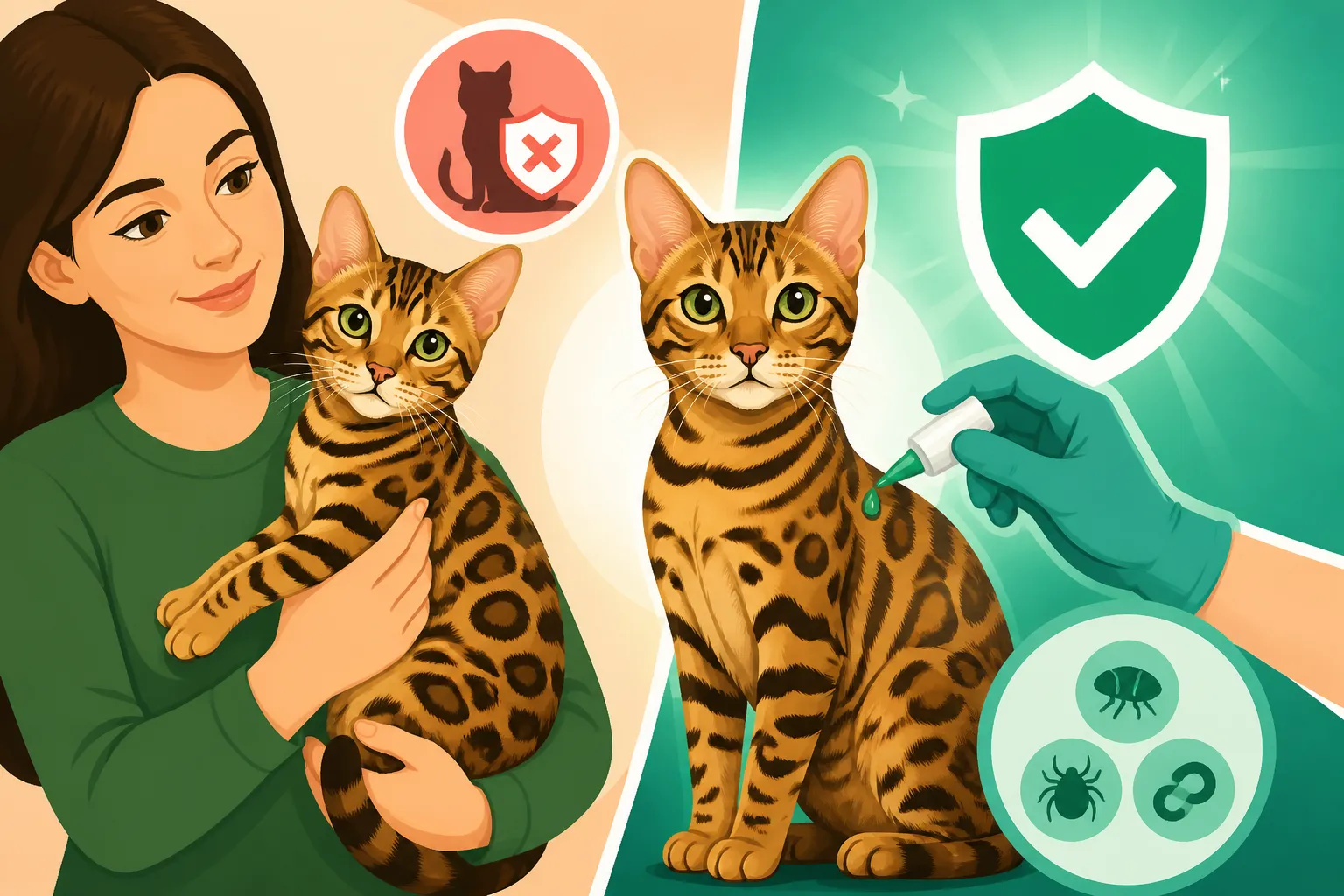
One of the most fundamental aspects of pre-sale care is a solid vaccination and deworming schedule. Kittens are typically vaccinated against common feline diseases like Feline Panleukopenia (distemper), Feline Viral Rhinotracheitis (herpesvirus), and Feline Calicivirus, often starting around 6-8 weeks of age, with boosters following every 3-4 weeks until they are around 16 weeks old. A responsible breeder will have administered at least the first set of these core vaccinations before the kitten goes home, and sometimes even the second, depending on the kitten's age at pickup. They should provide a veterinary record showing these dates and the vaccines used.
Equally important is parasite prevention. Kittens are notoriously susceptible to intestinal parasites like roundworms, hookworms, and even protozoa like Coccidia. A good breeder will implement a regular deworming schedule, often starting as early as two weeks of age and repeating every two weeks until the kittens are older. They should also perform fecal tests to check for other, more stubborn parasites. For example, if you're concerned about issues like What Tritrichomonas Does to a Bengal Cat or How a Bengal Cat's Giardia Is Treated, a diligent breeder will have already tested for and addressed these before offering the kitten for sale. You want a kitten whose system has been cleared of these common burdens, giving them the best chance to thrive.
Navigating Genetic Testing: What to Look For and Ask About
Bengal cats, like many purebreds, can be predisposed to certain genetic conditions. A cornerstone of ethical breeding is genetic health screening of the parent cats. This is where you, as a prospective owner, need to be proactive. Ask the breeder about the genetic tests they perform on their breeding cats. Key conditions to inquire about include:
- Progressive Retinal Atrophy (PRA-b): This is a genetic eye disease specific to Bengals that causes blindness. Breeders should test their breeding cats to ensure they are not carriers or affected. You can learn more about What PRA-b Does to a Bengal Cat's Sight and ask Whether a Breeder Must Show a Bengal Cat's PRA-b Result.
- Pyruvate Kinase Deficiency (PK-Def): This is a genetic blood disorder that can lead to anemia. Similar to PRA-b, parents should be tested.
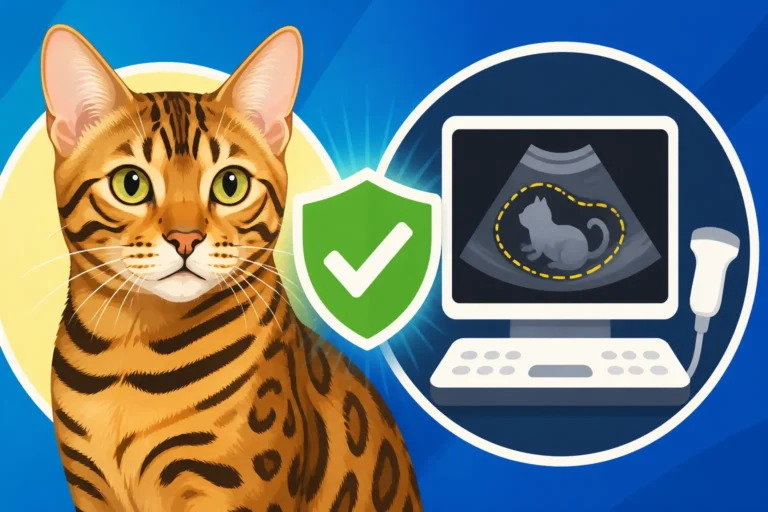
- Hypertrophic Cardiomyopathy (HCM): This is a form of heart disease common in many cat breeds, including Bengals. While there isn't a genetic test for Bengal HCM like there is for Maine Coons, breeders should have their breeding cats regularly screened via echocardiogram by a veterinary cardiologist.
A reputable breeder will not only perform these tests but will be eager to show you the results for both parents. This transparency is crucial. Knowing What a Bengal Cat Breeder Should Have Tested helps you understand the breeder's commitment to the long-term health of their lines. A breeder who dismisses genetic testing or can't produce documentation should be a red flag. Sometimes, breeders also run a broader health panel. Ask What a Full Bengal Cat DNA Panel Costs and whether the breeder passes these costs on.
Addressing Parasites Like Giardia and Tritrichomonas
It’s an unfortunate reality that kittens can sometimes carry parasites that aren't always cleared by routine deworming. Giardia and Tritrichomonas foetus are two such culprits that can cause persistent, frustrating diarrhea in kittens and young cats. You might find yourself wondering Whether a Bengal Cat Kitten Arrives With Diarrhea, and while a healthy kitten shouldn't, these parasites are sometimes present without obvious symptoms until stress triggers a flare-up.
A responsible breeder understands the impact these can have and will take proactive steps. This usually involves:
- Routine Fecal Testing: Sending off fecal samples to a lab is the only way to definitively identify these microscopic nasties.
- Targeted Treatment: If Giardia or Tritrichomonas is found, specific medications are required to treat them. Metronidazole is often used for Giardia, while Ronidazole is the go-to for Tritrichomonas. It’s not uncommon for a breeder to treat an entire litter if one kitten tests positive, as these parasites spread easily.
- Environmental Control: These parasites can persist in the environment, so rigorous cleaning and disinfection protocols are essential in a cattery.
It's fair to ask your breeder what their protocol is for these specific parasites. While some breeders might argue that a small amount of Giardia is common and doesn't always require treatment, a truly dedicated breeder will aim for a parasite-free kitten, especially before sale, to prevent unnecessary stress and vet visits for the new owner. Given that Chronic Diarrhea Is the Bengal Cat Complaint Nobody Warns About, a breeder who proactively addresses these issues sets you and your kitten up for success.
The Importance of Breeder Transparency and Your Kitten's Health Guarantee
Choosing a Bengal cat breeder isn't just about picking a kitten; it's about forming a relationship built on trust and transparency. A reputable breeder will provide you with all the necessary information and support, making you feel confident in the health and lineage of your new family member.
Deciphering Health Contracts and Guarantees
Every responsible breeder will have a written contract that outlines the terms of sale, including a health guarantee. This document is your primary protection, and you should read it thoroughly and ask questions about anything you don't understand. A good health guarantee typically covers:
- Initial Health Period: This usually states that the kitten is guaranteed to be free of infectious diseases for a short period after purchase (e.g., 48-72 hours). This allows you to take your new kitten to your own vet for a check-up, often a mandatory step in the contract, to confirm its health. If a serious issue is found, the contract might offer a refund or replacement.
- Genetic Health Guarantee: This is often a longer guarantee, covering genetic defects like PRA-b or HCM for a specified number of years. For example, if your Bengal developed HCM at a young age, and the breeder guaranteed against it, they might offer a replacement kitten or a partial refund.
- Spay/Neuter Clause: Most pet contracts require you to spay or neuter your Bengal kitten by a certain age, often to prevent backyard breeding.
- Return Policy: What happens if, for unforeseen circumstances, you cannot keep the cat? A responsible breeder will often require the cat to be returned to them rather than surrendered to a shelter.
It's important to understand the specifics. Some guarantees might only offer a replacement kitten, while others might provide financial compensation for veterinary treatment up to the purchase price. Don't be shy about clarifying every detail; this contract protects both you and the breeder. Many new owners wonder about How Long a Bengal Cat Waitlist Runs, and while you might be eager to get your kitten, never let that eagerness rush you into signing a contract you don't fully comprehend.
Here's a simplified table comparing common breeder practices:
| Feature/Practice | Reputable Breeder Expectation | Less Responsible Breeder Tendency | Your Action Required |
|---|---|---|---|
| Vaccinations | At least first core vaccine series, documented | May skip vaccines or lack proper records | Demand vet records; schedule vet check post-purchase |
| Deworming | Multiple rounds, documented, potentially fecal tests | Minimal deworming, no fecal tests | Inquire about schedule; bring fecal sample to your vet |
| Genetic Testing | Parents screened for PRA-b, PK-Def, regular HCM echoes; results provided | No testing or evasive answers; no results | Request proof of parent testing; verify results |
| Parasite Treatment | Proactive testing and treatment for Giardia/Tritrichomonas if needed | Ignores or denies common parasites; no pre-emptive treatment | Ask specific questions; consider immediate fecal test at your vet |
| Health Guarantee | Comprehensive written contract, clear terms, initial & genetic coverage | Vague verbal promises, short or no guarantee, restrictive terms | Read carefully, ask questions, ensure your vet checks kitten |
| Transparency | Welcomes questions, open about cattery, provides documentation | Defensive, secretive, avoids showing records or living conditions | Be wary of any secrecy; trust your gut feeling |
The Power of Proactive Communication with Your Breeder is Key
Think of your relationship with your breeder as a partnership. From the moment you express interest, you should feel comfortable asking questions – lots of them! A good breeder will appreciate your thoroughness because it shows you're serious about providing a good home. Ask about their cattery environment, the kitten's diet (important for Which Food Settles a Bengal Cat's Stomach), their socialization practices, and of course, all aspects of their health protocols.
Don't hesitate to inquire about the specific health history of the kitten you're interested in, or even its parents. If a breeder is evasive, gets defensive, or makes you feel like your questions are an imposition, that’s a significant red flag. They should be a resource for you for years to come, offering advice and support. This open dialogue ensures that you have a clear understanding of your kitten's background and any potential health considerations, which is vital for managing their care from the very first day home.
Handling Unexpected Health Issues After Bringing Your Bengal Home
Despite a breeder's best efforts, sometimes health issues can arise after a kitten has settled into its new home. This isn't necessarily a sign of a bad breeder, but rather a reminder that living creatures are unpredictable. What matters most is how prepared you are and how you react.
Preparing for the Unexpected: Pet Insurance and Emergency Funds
Even with the most rigorous health checks from a reputable breeder, life with a Bengal cat, or any pet, can throw you curveballs. Kittens, particularly, can be prone to sudden illnesses or accidents as they explore their new environment. This is where pet insurance becomes a real lifeline. Companies like Healthy Paws offer various plans that can cover everything from unexpected illnesses and accidents to hereditary conditions, depending on the policy. Imagine your Bengal kitten suddenly developing an illness requiring urgent veterinary care; the bills can quickly add up. Having pet insurance can alleviate the financial stress, allowing you to focus on your kitten's recovery.
Beyond insurance, it's always a wise idea to have an emergency fund specifically for your pet. This could be a separate savings account or simply a designated portion of your general emergency fund. Even minor issues, like a persistent cough or a sudden allergic reaction, can result in vet visits, diagnostics, and medication costs. While a Bengal cat kitten needs to build muscle, a sudden illness can set back its development. Being financially prepared means you can make decisions based on your pet's needs, not just your wallet, ensuring your little leopard gets the best possible care without delay.
What to Do If Your New Bengal Kitten Becomes Unwell
It's every new pet owner's nightmare: your adorable, lively kitten suddenly seems off. If your new Bengal kitten starts showing signs of illness – be it lethargy, loss of appetite, vomiting, persistent diarrhea, trouble breathing, or any other concerning symptom – immediate action is crucial.
- Contact Your Veterinarian: This should be your very first step. Describe the symptoms clearly and follow your vet's advice. They might ask you to bring your kitten in immediately.
- Notify Your Breeder: Inform your breeder as soon as possible. A good breeder will want to know if one of their kittens is unwell, not just to uphold their health guarantee, but also to monitor their lines and potentially prevent similar issues in future litters. They might offer advice, support, or even financial assistance depending on your contract.
- Provide All Documentation: Bring your kitten's health records from the breeder, including vaccination dates, deworming history, and any genetic test results. This information is invaluable to your vet.
- Consider Diagnostic Tests: Your vet may recommend tests like blood work, fecal tests, or even X-rays to diagnose the problem. Be prepared for these costs, especially if you haven't yet secured pet insurance. For conditions like severe diarrhea, pinpointing the cause is key, and it might require specific lab tests.
- Follow Treatment Plans Diligently: Whether it's medication, a special diet, or follow-up appointments, adhere strictly to your vet's instructions.
Remember, early intervention is often key to a swift recovery. Don't wait to see if symptoms improve on their own, especially with a young kitten. Staying calm, organized, and proactive is the best way to ensure your Bengal kitten gets back to its playful, healthy self.
Disclaimer
The information provided in this article is for general informational purposes only and does not constitute veterinary advice. Always consult with a qualified veterinarian for any health concerns or before making any decisions about your pet's medical care.