Whether a Bengal Cat Recovers From Distal Neuropathy
It’s absolutely heartbreaking when your once-acrobatic Bengal cat starts to show signs of weakness or an unsteady gait, leaving you wondering what’s happening to your energetic companion. Watching them struggle with movements they once performed with effortless grace can be a truly worrying experience, and when a diagnosis like distal neuropathy comes into play, a major question naturally arises: can a Bengal cat truly recover from this challenging condition? This comprehensive guide aims to shed light on distal neuropathy in Bengal cats, exploring what recovery might look like and how you can best support your beloved feline.
Understanding Distal Neuropathy in Bengal Cats
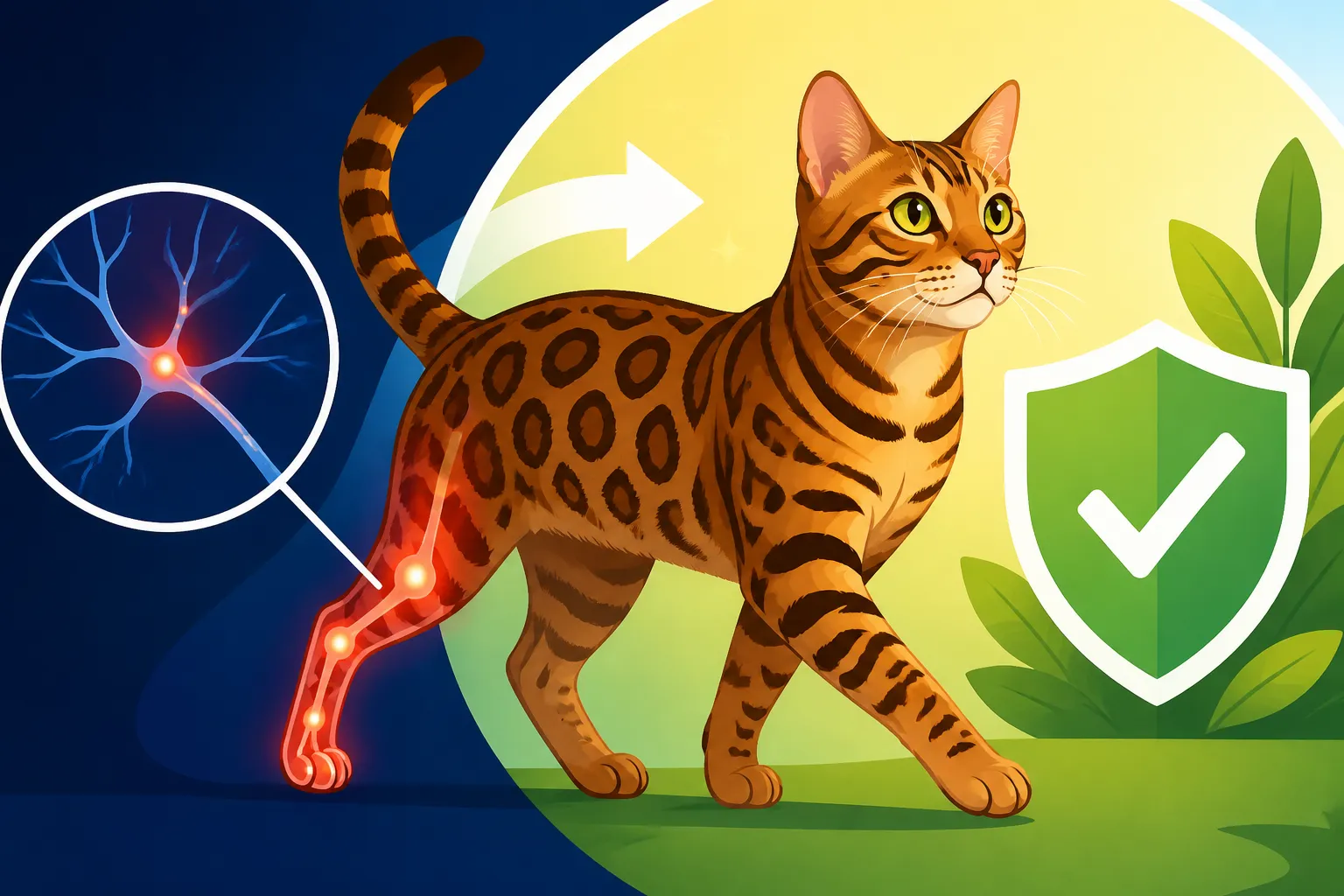
Distal neuropathy is a neurological condition that can affect cats, including our active Bengal friends, and it’s one that can significantly impact their quality of life. It’s a disorder of the peripheral nerves, specifically those that reach the furthest, or "distal," parts of the limbs – think paws, lower legs, and sometimes even the tail. These nerves are crucial for transmitting signals between the brain and muscles, allowing for movement and sensation. When they’re damaged, those signals get interrupted, leading to a host of problems.
What is Distal Neuropathy?
At its core, distal neuropathy involves the degeneration of nerve fibers, particularly the axons, in the extremities. Imagine your cat's nervous system as a vast network of electrical wires; in distal neuropathy, the insulation or the wire itself starts to fray or break down in the lines leading to the paws. This damage can make it difficult for your Bengal to control their limbs, leading to weakness, loss of coordination, and even muscle wasting over time. It’s not just about mobility; sensation can also be affected, making it harder for them to feel their paws or detect changes in temperature or pressure. This can be particularly tough for a breed known for its agility and constant motion.
Common Symptoms and Early Signs
Recognizing the early signs of distal neuropathy can be tricky because cats are so good at hiding discomfort. However, for a Bengal, whose energy levels are usually through the roof, any subtle change in their movement or activity should raise a flag. You might notice your typically agile Bengal struggling to make a jump onto their favorite cat tree, or perhaps a subtle tremor in their hind legs when they stand still. They might start dragging their paws slightly, leading to wear and tear on the tops of their claws or knuckles. Other signs can include a noticeable weakness, especially in the hind limbs, where they might crouch lower than usual, or stumble more frequently. Over time, you could observe muscle wasting, where their once strong leg muscles appear thinner. Sometimes, changes in their meow or even breathing patterns can be related to nerve issues, though these are less common initial signs. If you notice any of these changes, it’s always best to consult your vet. Early detection can make a significant difference in how the condition progresses and is managed. For more general information on keeping your cat healthy, you might find our guide on How Often a Bengal Cat Needs a Wellness Exam helpful.
The Underlying Causes of Distal Neuropathy
Distal neuropathy isn’t a standalone disease but often a symptom of something deeper happening within your Bengal’s body. Pinpointing the exact cause is crucial for effective treatment. One of the more common causes can be a genetic predisposition, though research is ongoing for specific Bengal cat links. Nutritional deficiencies, particularly certain B vitamins, can also play a role, impacting nerve health. Sometimes, exposure to certain toxins, whether in their environment or in certain medications, can lead to nerve damage. Then there are underlying diseases: conditions like diabetes mellitus, kidney disease, or even certain types of cancer can manifest with neurological symptoms, including distal neuropathy. Inflammatory conditions, immune-mediated diseases, and even certain viral infections could also contribute. It’s a complex puzzle, and your veterinarian will need to perform a thorough investigation to try and identify the root cause. This is why a detailed history of your cat's health and environment is so vital during the diagnostic process.
The Road to Diagnosis and Treatment for Your Bengal
When your Bengal cat starts exhibiting symptoms that point to distal neuropathy, the journey to understanding and managing the condition begins with your veterinarian. This path can sometimes feel long and frustrating, involving various tests and specialist consultations, but remember, each step is about gathering information to give your cat the best possible outcome.
Getting an Accurate Diagnosis
The diagnostic process for distal neuropathy is multifaceted. It typically starts with a comprehensive neurological examination by your primary vet, who will assess your Bengal’s reflexes, gait, muscle mass, and sensory responses. They’ll be looking for signs of weakness, tremors, and any pain response. Following this, a battery of blood tests will likely be recommended, including a full chemistry panel and complete blood count, to rule out systemic diseases like diabetes or kidney issues. Our guide on What a Bengal Cat's Yearly Bloodwork Should Cover goes into more detail about general bloodwork. Your vet might also suggest specific tests for infectious diseases.
If the initial workup is inconclusive, or if the neurological signs are pronounced, your vet may refer you to a veterinary neurologist. This specialist can perform more advanced diagnostics such as nerve conduction velocity (NCV) studies, which measure how quickly electrical signals travel along the nerves, and electromyography (EMG), which evaluates muscle electrical activity. In some cases, a muscle or nerve biopsy might be necessary, where a small tissue sample is taken and examined under a microscope to identify specific nerve damage patterns. These specialized tests are invaluable but can be costly, making a robust pet insurance plan, such as one from Healthy Paws, a really smart investment. Having that financial support can alleviate a significant burden during an already stressful time.
Treatment Approaches for Managing the Condition
Once a diagnosis is made, treatment largely depends on identifying and addressing the underlying cause. If, for instance, a nutritional deficiency is found, dietary changes and supplements become key. If diabetes is the culprit, managing blood sugar levels is paramount. Sometimes, however, the specific cause remains elusive, or the damage is irreversible. In such cases, treatment shifts to supportive care aimed at managing symptoms and improving your Bengal’s comfort and quality of life.
This can include various medications to help with pain, inflammation, or nerve function. Physical therapy, which might involve gentle exercises, massage, and passive range of motion, is incredibly beneficial to maintain muscle strength and flexibility, and prevent further atrophy. Some cats may benefit from acupuncture or laser therapy to help with pain and nerve regeneration. Environmental modifications, which we’ll discuss later, are also a crucial part of the management strategy. Regular follow-up appointments with your vet or neurologist are essential to monitor your cat's progress and adjust treatments as needed. The goal is to keep your Bengal as comfortable and mobile as possible, helping them enjoy their life.
The Role of Nutritional Support and Supplements
Nutrition plays a vital, often underestimated, role in supporting a Bengal cat with distal neuropathy. A high-quality, balanced diet is fundamental for overall health, but specific dietary adjustments and supplements can specifically target nerve health and recovery. Your vet might recommend a diet rich in B vitamins (especially B1, B6, and B12), as these are critical for nerve function and repair. Antioxidants like Vitamin E and C can help protect nerve cells from damage. Omega-3 fatty acids, found in fish oil, are known for their anti-inflammatory properties and can support neurological health. Some vets might also suggest supplements like Alpha-lipoic acid or Acetyl-L-carnitine, which have shown promise in supporting nerve function, particularly in conditions like diabetic neuropathy.
However, it’s crucial to emphasize that you should never start any supplements or make significant dietary changes without consulting your veterinarian. Some vitamins can be toxic in high doses, and supplements can interact with medications or exacerbate other health conditions. Your vet can provide tailored recommendations based on your Bengal’s specific needs, the underlying cause of their neuropathy, and their overall health profile. They might even suggest a specific prescription diet formulated for neurological support. Properly managed nutrition, alongside other treatments, can be a cornerstone in helping your Bengal cope with and potentially improve from distal neuropathy.
Navigating Recovery: What to Expect
When your Bengal cat is diagnosed with distal neuropathy, the word "recovery" can mean different things to different people. It's a journey, not a destination, and managing expectations is key. For a cat known for its boundless energy, seeing them affected by a neurological condition is particularly tough, and understanding the nuances of improvement is crucial for both you and your furry friend.
Factors Influencing Recovery
The potential for recovery and the extent of that recovery in a Bengal cat with distal neuropathy are influenced by a multitude of factors. First and foremost is the underlying cause. If the neuropathy is due to a treatable condition, like a nutritional deficiency, and that cause is effectively addressed, the chances of significant improvement, or even a full recovery, are much higher. However, if the cause is degenerative, genetic, or related to an incurable disease, the focus shifts more towards management and slowing progression.
Severity of nerve damage also plays a huge role; mild damage is, understandably, more likely to improve than extensive, long-standing damage. The age of your cat can be a factor, with younger cats often having a better capacity for nerve regeneration than older ones, although older cats can still show remarkable improvement with dedicated care, as discussed in our article on Caring for a Bengal Cat Past Ten. Promptness of diagnosis and treatment is another critical element; the sooner the intervention, the less time the nerves have to degenerate irreversibly. Finally, your commitment to ongoing therapy, whether it’s physical therapy, medication, or dietary changes, profoundly impacts the outcome. It's a team effort between you, your vet, and your resilient Bengal.
The Reality of "Recovery" for a Bengal Cat
Here's where we need to be realistic and empathetic. For many Bengal cats with distal neuropathy, "recovery" doesn't necessarily mean a complete return to their pre-neuropathy state of boundless energy and effortless acrobatics. While some might experience a full reversal if the underlying cause is highly treatable and caught early, for most, it involves a spectrum of improvement.
More often, recovery means significant improvement in quality of life. This might look like regaining better control over their limbs, being able to walk more steadily, jump onto low surfaces, or experience less pain. It's about minimizing the progression of the disease and maximizing their comfort and functional ability. They might always have some residual weakness or an altered gait, but they can still lead happy, fulfilling lives. It’s about celebrating the small victories – a stronger step, a successful climb onto a favorite perch, or less stumbling. It's important to set realistic goals and focus on what your individual cat can achieve, rather than what they might have lost. This perspective can help manage your own emotional journey alongside your cat's physical one.
Long-Term Management and Quality of Life
Living with a Bengal cat affected by distal neuropathy means embracing a long-term management strategy focused on maintaining their comfort and independence. Environmental modifications are key – think non-slip rugs on slick floors, ramps or steps for accessing furniture they used to jump onto, and ensuring food, water, and litter boxes are easily accessible without too much effort. You might even consider a larger, low-entry litter box to make it easier for them to get in and out.
Ongoing physical therapy is often a cornerstone of long-term care. This could involve daily gentle exercises prescribed by a vet, massage, or even hydrotherapy, where the buoyancy of water helps them exercise with less weight bearing. Regular vet check-ups are non-negotiable to monitor their condition, adjust medications, and catch any new issues early. These check-ups are also crucial to assess their comfort levels, as cats are masters at How a Bengal Cat Hides Pain. A discussion with your vet about potential long-term care costs, including ongoing medication or physical therapy, might also lead you back to considering how a pet insurance plan like those offered by Healthy Paws can help ease the financial burden over the years. Ultimately, ensuring your Bengal feels loved, safe, and stimulated, despite their physical limitations, is paramount for their overall quality of life.
Living with a Bengal Cat Affected by Distal Neuropathy
Bringing a Bengal cat into your life means welcoming a whirlwind of energy, intelligence, and a dash of wild charm. When distal neuropathy affects them, it can feel like a profound challenge, but it doesn't mean the end of their vibrant spirit. Adapting your home and your routine can make all the difference in ensuring they continue to thrive.
Creating a Safe and Accessible Home Environment
One of the biggest impacts of distal neuropathy is on your Bengal's mobility. Their trademark agility and love for heights can be severely hampered. Your role as an owner shifts to becoming their personal accessibility expert. Start by evaluating your home from their perspective. Are there slippery floors that could cause falls? Consider placing non-slip rugs, especially in high-traffic areas or near their favorite lounging spots.
Think about vertical access. If your Bengal used to leap onto windowsills, cat trees, or your bed, those jumps might now be difficult or dangerous. Invest in ramps or sturdy pet steps to provide safe pathways. Lower their favorite perches if possible, or create new, easily accessible resting spots. Ensure their food and water bowls are within easy reach and don't require them to stretch or balance precariously. Similarly, litter boxes should have low sides to allow for easy entry and exit, preventing painful straining. Blocking off stairs or supervising stair use can also prevent falls. Remember, the goal is to reduce frustration and physical strain, allowing your cat to move around their environment with dignity and ease.
Enrichment and Mental Stimulation
Even with physical limitations, a Bengal cat's mind remains sharp and active. Boredom can lead to anxiety, destructive behaviors, and a decline in overall well-being. Therefore, providing ample mental stimulation and appropriate enrichment is more important than ever. Puzzle feeders are fantastic for engaging their minds and can be adapted for cats with reduced mobility by making the "puzzle" easier to solve or placing it at an accessible height.
Gentle, interactive play sessions, using wand toys they can bat at from a seated position, or toys that roll slowly, can still provide joy and exercise without overtaxing their weakened limbs. Consider introducing new scents or textures for them to explore. Regular cuddle time and verbal interaction are also crucial, reinforcing your bond and providing comfort. If your Bengal enjoys supervised outdoor access in a catio, ensure it's equally accessible and safe. A stimulated mind helps compensate for a body that might not be as capable, ensuring your Bengal maintains their zest for life. Many of these aspects of care contribute to a longer life, aligning with considerations in topics like The Twelve to Sixteen Years a Bengal Cat Gets.
The Emotional Toll on Owners
Let's be honest, watching your beloved Bengal cat struggle with a condition like distal neuropathy takes a significant emotional toll on you, their owner. It's perfectly normal to feel a range of emotions: sadness, frustration, worry, and even guilt, wondering if there was something you could have done differently. The constant vigilance, the adjustments to daily life, and the financial strain of ongoing treatments can be exhausting. When faced with extensive veterinary bills, whether for diagnostics or long-term management, the emotional stress can be compounded by financial anxiety. This is another area where having a good pet insurance policy, such as through Healthy Paws, can offer a lifeline, allowing you to focus on your cat's care rather than the cost.
It’s crucial to acknowledge these feelings and give yourself grace. You are doing your best for your cat, and that is what truly matters. Seek support from your veterinary team, who can provide not just medical advice but also emotional understanding. Connecting with other cat owners who have managed similar conditions can also be incredibly helpful. Remember that your Bengal cat feeds off your energy, so finding ways to manage your own stress will ultimately benefit them too. Be patient, be present, and continue to shower them with love; it’s the most powerful medicine of all.
Managing Distal Neuropathy: A Quick Guide
| Feature | Acute Onset | Chronic/Progressive | Treatment Focus | Prognosis |
|---|---|---|---|---|
| Symptoms | Sudden weakness, stumbling, pain | Gradual weakness, muscle atrophy, altered gait | Address underlying cause, symptom management | Varies, dependent on cause and severity |
| Underlying Causes | Toxins, acute injury, severe nutritional deficit | Degenerative conditions, genetic, systemic diseases | Supportive care, physical therapy, nutrition | Often involves long-term management, improvement possible |
| Diagnostic Urgency | High, immediate vet visit | Moderate, consistent monitoring | Rapid identification and removal of cause | Stabilization, slowing progression |
| Rehabilitation | Intensive short-term therapy | Ongoing, adaptive therapy | Recovery of function, pain control | Enhancing quality of life, maintaining mobility |
| Cost Implications | Emergency care, immediate diagnostics | Long-term medication, regular specialist visits | Pet insurance (e.g., Healthy Paws) highly beneficial | Variable, but often substantial over time |
Disclaimer
The information provided in this guide is intended for general informational purposes only and does not constitute veterinary medical advice. Always consult with a qualified veterinarian for any health concerns or before making any decisions related to your Bengal cat's health and treatment.