Hawaii Bans Every Bengal Cat, Whatever the Generation
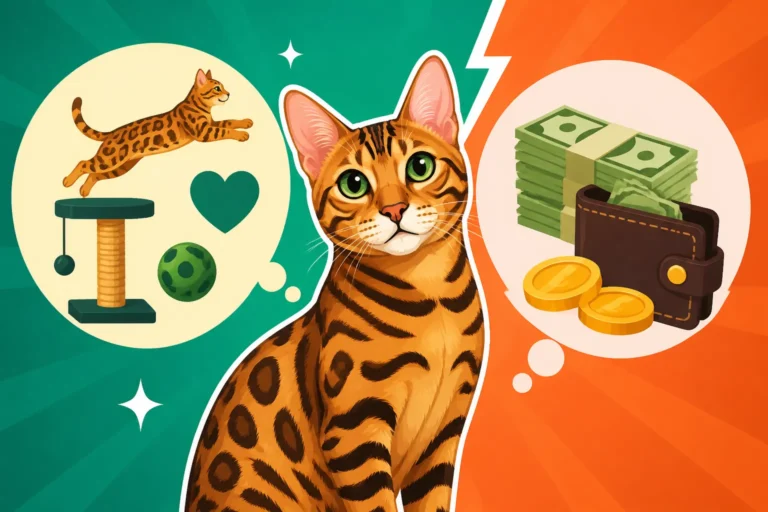
Moving to a new state can be an exciting adventure, full of dreams of sunshine, new opportunities, and fresh starts. But for Bengal cat owners eyeing the stunning shores of Hawaii, that dream often crashes head-first into a cold, hard truth: Hawaii bans every Bengal cat, whatever the generation. This isn't just a minor hurdle; it's a complete, non-negotiable roadblock that can leave devoted pet parents feeling utterly heartbroken and confused about their beloved companion's future. This comprehensive guide will meticulously break down Hawaii's unique and stringent regulations, explore the underlying reasons for this ban, and discuss the profound implications for current and prospective Bengal cat owners.
Understanding Hawaii's Stance on Bengal Cats
For many aspiring Bengal cat owners, the idea of bringing their spotted companion to paradise seems natural. However, Hawaii has a distinct and unwavering policy when it comes to certain animal species, and the Bengal cat falls squarely into a prohibited category. It's a reality that often blindsides people, assuming that a domestic cat breed, recognized by major registries, would be universally accepted. But Hawaii operates on a different set of rules, deeply rooted in its delicate ecological balance and stringent biosecurity measures.
The Legal Landscape: Why the Ban Exists
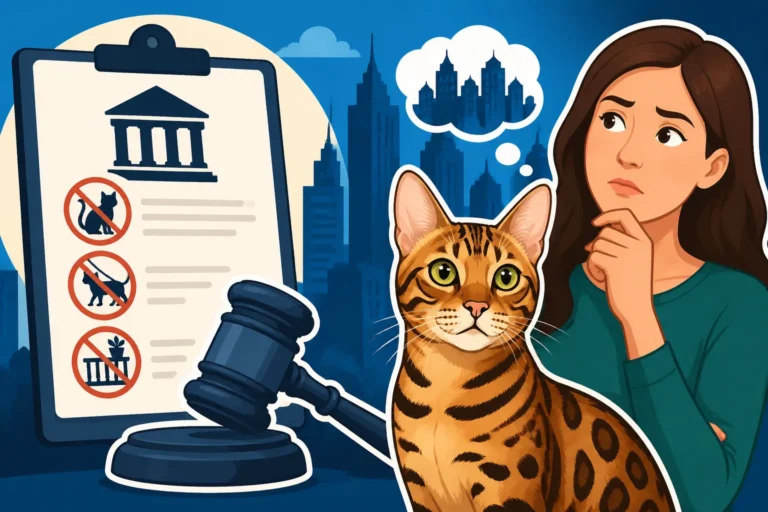
Hawaii’s stance isn't an arbitrary decision, nor is it a judgment on the Bengal cat's temperament or desirability as a pet. Instead, it’s a protective measure, woven into the fabric of the state's agricultural and environmental laws. The core issue lies in the Bengal cat's lineage, specifically its direct ancestor: the Asian Leopard Cat. Because the Bengal breed originated from a cross between a wild species and a domestic cat, Hawaii classifies them as "wild or feral undomesticated" animals, or hybrids with wild lineage, regardless of how many generations removed they are from that initial cross. This legal framework is designed to prevent the introduction of species that could potentially wreak havoc on the islands' unique and fragile ecosystems, which have evolved in relative isolation for millions of years.
The state’s Department of Agriculture (HDOA) views any animal with recent wild ancestry with extreme caution. They don't differentiate between an F1 Bengal cat, which is a direct cross, and an SBT (Stud Book Traditional) Bengal, which is typically four or more generations removed from the Asian Leopard Cat. From Hawaii’s perspective, the genetic link to a wild animal, no matter how dilute, poses an unacceptable risk. This strict interpretation means that many of the nuanced discussions about How a Bengal Cat's Generation Is Counted or The Bengal Cat Is the Hybrid Most Registries Fully Accept that occur in the broader cat community simply don't apply to Hawaii's laws.
The "Hybrid" Definition in Hawaii
Hawaii's definition of a "hybrid" animal is far-reaching and covers any animal that has a wild ancestor within a certain number of generations, or even if it merely appears wild. For Bengal cats, the fact that What an Asian Leopard Cat Is Behind Every Bengal Cat is not only widely known but also proudly celebrated by breeders and enthusiasts, becomes their undoing in the Aloha State. The HDOA considers the Asian Leopard Cat a "restricted animal," and any animal exhibiting traits of or having lineage from a restricted animal falls under the same restrictions.
This means that even if your Bengal cat acts like the sweetest, most domesticated lap cat imaginable, its genetics and physical appearance—its distinctive spots, rosettes, and athletic build—are enough to trigger the ban. The law doesn't care if your cat is microchipped, has all its vaccinations, or has lived its entire life indoors. It cares about its species classification. This broad interpretation makes it almost impossible to argue for an exception, as the very essence of the Bengal breed's appeal, its wild look, is precisely what makes it prohibited under Hawaiian law.
The Specifics of the Ban: No Generations Exempt
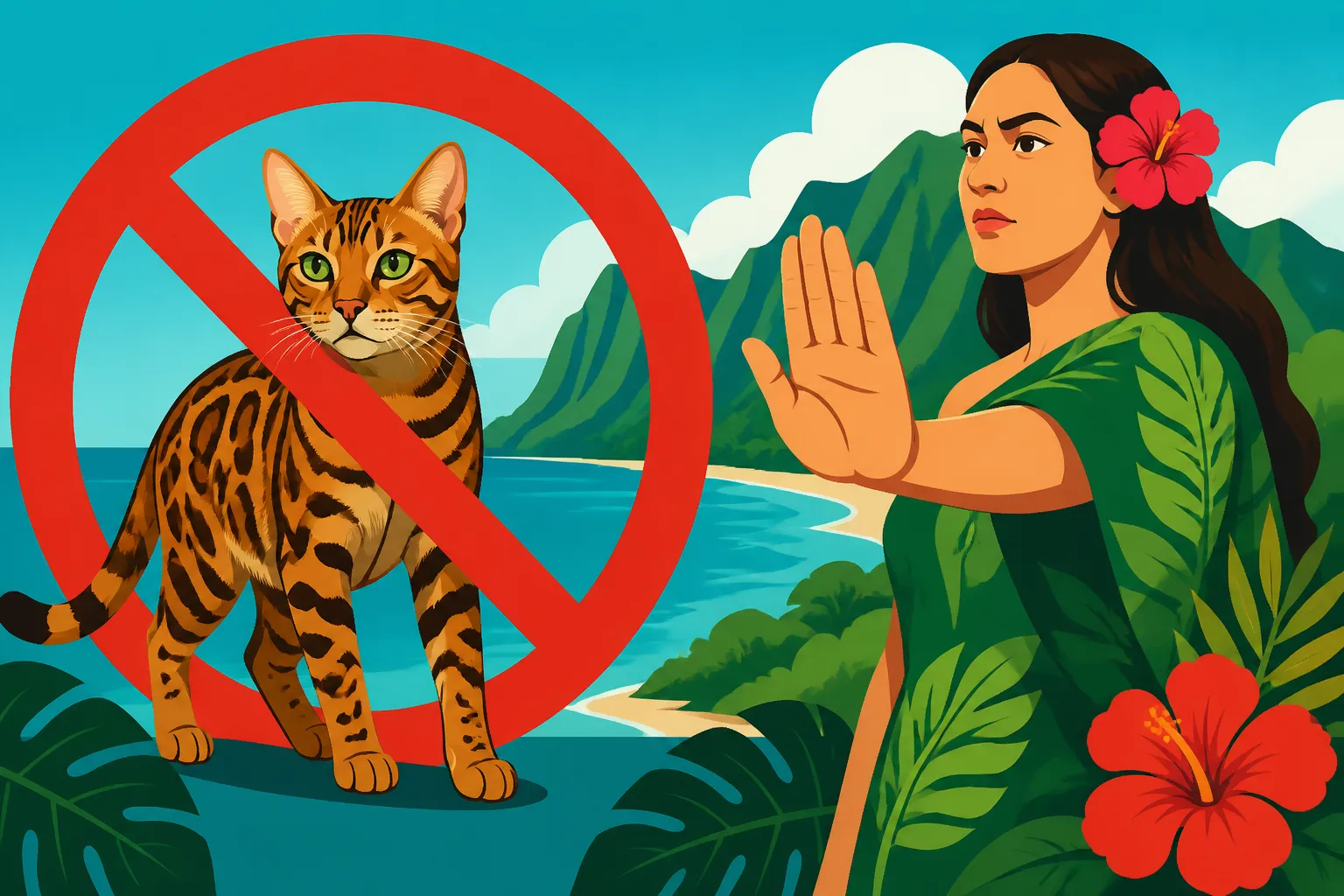
One of the most frustrating aspects for potential Bengal cat owners is the absolute nature of Hawaii's ban. Unlike some other states or cities that might draw the line at a specific filial generation (F1, F2, F3), allowing later generations like SBT Bengals, Hawaii makes no such distinction. The law states clearly that any animal resulting from the crossbreeding of a domestic cat with an Asian Leopard Cat is prohibited. This effectively means every Bengal cat.
This blanket ban can be a significant source of confusion and disappointment. Many people researching Whether a Bengal Cat Is Legal in Your State find that while some areas restrict early generations, most allow SBT Bengals. Hawaii is an outlier in its uncompromising stance. It doesn't matter if your Bengal is an F5, F10, or F20 – the ban applies. This is crucial information for anyone considering a move to the islands, as it means there's no legal pathway to bring a Bengal cat into the state, regardless of how far removed it is from its wild ancestor. It’s a complete and total prohibition designed to maintain the ecological integrity of the islands.
The Core Reasons Behind Hawaii's Strict Regulations
To truly understand why Hawaii has such a stringent ban on Bengal cats, we need to look beyond just the legal definition and delve into the unique environmental context of the Hawaiian Islands. These islands are not just beautiful; they are incredibly fragile ecosystems, teeming with endemic species found nowhere else on Earth. The state’s laws are fundamentally driven by a deep-seated commitment to preserving this natural heritage.
Protecting Native Ecosystems
Hawaii is a biodiversity hotspot, home to thousands of native plant and animal species that have evolved in isolation over millennia. Many of these species are incredibly vulnerable to competition, predation, and disease from introduced species. The introduction of non-native animals, even seemingly harmless domestic pets, can have catastrophic consequences. The fear with Bengal cats, stemming from their Asian Leopard Cat lineage, is that they might retain certain wild traits or instincts that could be detrimental to native wildlife.
Imagine a Bengal cat, known for its high energy and prey drive, if it were to escape into the Hawaiian wilderness. How an Early Generation Bengal Cat Behaves Differently is a topic of much discussion among breeders, with early generations often showing more pronounced wild instincts. Even though SBT Bengals are considered fully domesticated, the concern is that traits like superior hunting skills, adaptability, or a higher drive to explore could lead to them hunting native birds, insects, or small mammals that have no natural defenses against such a predator. The state takes a very cautious "better safe than sorry" approach because once an invasive species establishes itself, it is incredibly difficult, if not impossible, to eradicate. The ecological cost of such an introduction would be immeasurable.
Concerns About Feral Cat Populations
Hawaii already grapples with a massive and devastating problem: rampant feral cat populations. These unowned, free-roaming domestic cats pose an enormous threat to native bird species, monk seals, and other vulnerable wildlife. The state spends significant resources trying to manage and mitigate the impact of these existing feral populations. Introducing a new cat breed, especially one with a wild lineage and potentially enhanced survival traits, is seen as an unnecessary and dangerous gamble.
The concern is not just about a single Bengal cat escaping, but about the possibility of a breeding population establishing itself in the wild. If Bengal cats, even inadvertently, contributed to the existing feral cat problem, it could exacerbate the destruction of native wildlife. The state's biosecurity measures are designed to prevent any new threat from entering, even if the risk seems small. They've seen firsthand the damage that seemingly innocuous introductions can cause, and they are committed to avoiding a repeat scenario with hybrid breeds like the Bengal cat.
Preventing the Introduction of New Pathogens
Beyond the direct threat of predation, there's another crucial concern: disease. Introducing any new animal to an isolated ecosystem carries the risk of bringing in novel pathogens, parasites, or diseases that the native wildlife, or even existing domestic animals, have no immunity to. While all incoming pets to Hawaii face stringent quarantine and health checks, the state maintains an extra layer of caution for animals with wild genetics.
The specific fear is that a Bengal cat, due to its wild ancestor, might be a carrier for diseases or parasites that are either rare, unknown, or more virulent in wild populations, and which could then spread to other animals on the islands. While domestic cats are regularly screened for common diseases, the unique genetic makeup of a hybrid could theoretically present unforeseen health risks. This emphasis on disease prevention is part of a broader biosecurity strategy to protect Hawaii's agricultural industry, human population, and animal health from external threats. It's a comprehensive approach that views prevention as the best and only cure.
What Happens If You Try to Bring a Bengal Cat into Hawaii
The allure of Hawaii is powerful, and it's easy to overlook or misunderstand the strict pet import laws until you're faced with them directly. Many people assume that if their cat is a beloved pet, surely there must be a way. Unfortunately, when it comes to Bengal cats, the path is blocked, and attempting to circumvent the rules carries severe penalties.
The Entry Process and Required Permits
For any cat entering Hawaii, there is a rigorous multi-step process, which includes microchipping, multiple rabies vaccinations, blood tests, and a mandatory waiting period, culminating in a health certificate issued by a licensed veterinarian. This is for standard domestic cats. For restricted animals, which include Bengal cats, the process is far more complex, requiring special import permits from the HDOA before the animal even steps foot on a plane.
However, for Bengal cats, these permits are simply not issued. The HDOA's list of restricted animals explicitly includes "any cat with a cross of a wild feline." This means that you cannot legally apply for, or obtain, a permit to bring a Bengal cat into Hawaii. There are no exceptions for companion animals, no special waivers, and no loopholes. The system is designed to prevent these animals from entering, and it works. This is why it's vital for prospective residents to understand Why Hawaii Bans Every Bengal Cat long before making any relocation plans.
Consequences of Non-Compliance
The Hawaiian authorities take their biosecurity laws incredibly seriously. Attempting to bring a Bengal cat into the state without proper authorization, or misrepresenting its breed, can lead to severe consequences. These aren't just minor infractions; they can result in substantial fines, legal action, and, most devastatingly, the confiscation and potential euthanasia of your beloved pet.
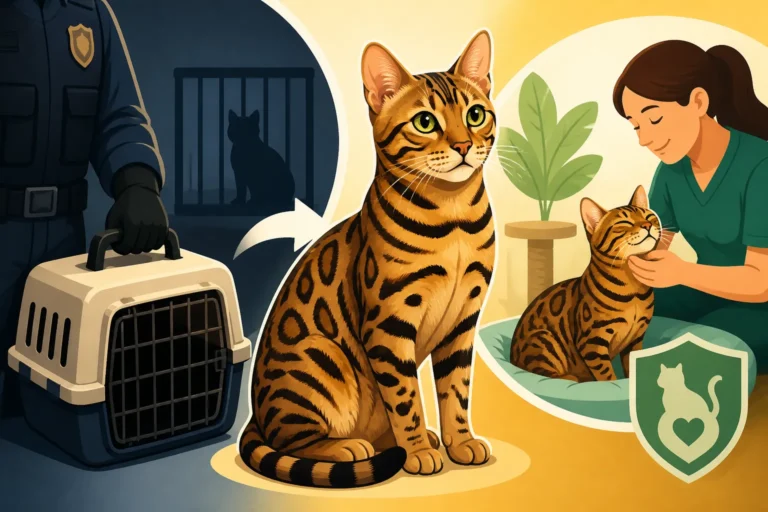
Imagine landing at Daniel K. Inouye International Airport in Honolulu, bags packed, excitement in the air, only to have your Bengal cat flagged during agricultural inspection. The agents are highly trained to identify prohibited species. What Happens If You Ship a Bengal Cat to Hawaii illegally is a grim scenario: your cat would be immediately seized. You could face thousands of dollars in fines, and you would be given a choice: either arrange for the cat to be immediately shipped out of Hawaii at your own expense, or it would be humanely euthanized. There is no middle ground, no plea bargain, and no leniency for ignorance of the law. This harsh reality underscores the importance of thorough research and strict adherence to the regulations.
The Role of Agricultural Inspection
The agricultural inspection process in Hawaii is famously rigorous, often surprising visitors with its thoroughness. Every incoming flight, ship, and piece of cargo is subject to inspection, specifically looking for prohibited plants, animals, and agricultural products. This is where many attempts to bring in restricted animals are caught. The HDOA has dedicated staff at ports of entry whose job it is to identify and intercept illegal biological material.
These inspectors are well-versed in identifying various cat breeds and are particularly alert to species with wild lineage. The distinctive appearance of a Bengal cat, with its wild spots and glittery coat, makes it relatively easy to distinguish from a standard domestic shorthair, even to a less experienced eye. They are not simply waving people through; they are actively protecting the state from potential invasive species and diseases. Trying to "sneak" a Bengal cat in is a high-stakes gamble with your pet's life and your own legal standing, almost certainly doomed to fail at the inspection point.
Living in Hawaii with an Existing Bengal Cat
For those who already own a Bengal cat and dream of moving to Hawaii, the news of the ban can be a devastating blow. It often means a choice between their dream home and their cherished pet. While some people hope for exceptions or grandfathering clauses, the reality in Hawaii is much starker.
Grandfathering Clauses and Proving Residency
Unfortunately, when it comes to restricted animals like Bengal cats in Hawaii, there are typically no grandfathering clauses. This means that even if you owned your Bengal cat for years in another state where it was perfectly legal, its status does not change upon your arrival in Hawaii. The ban applies to the animal itself, regardless of its history or your prior ownership. There isn't a mechanism to register an existing Bengal cat or prove its long-standing residency from another location to gain an exemption.
This can be incredibly frustrating, especially if you consider your pet a family member. The state's position is clear: the risk to the ecosystem outweighs individual pet ownership rights in this specific context. Attempts to petition or appeal these regulations typically meet with little success, as the underlying policy is deeply entrenched and broadly supported by environmental agencies and the public keen to protect native species. This often means that families must make an agonizing choice, a decision that can be emotionally draining and financially burdensome.
Challenges of Owning an Illegal Pet
Some individuals, out of desperation or a refusal to part with their pet, might consider attempting to keep a Bengal cat in Hawaii illegally. This is a perilous path fraught with immense risks. Beyond the initial threat of confiscation at entry, living with an illegal pet means constant anxiety and secrecy. You would likely be unable to take your cat to a veterinarian, as reputable vets are aware of and adhere to state laws regarding restricted animals and would be obligated to report its presence. This means no routine check-ups, no emergency care, and no vaccinations, putting your pet's health and welfare at severe risk.
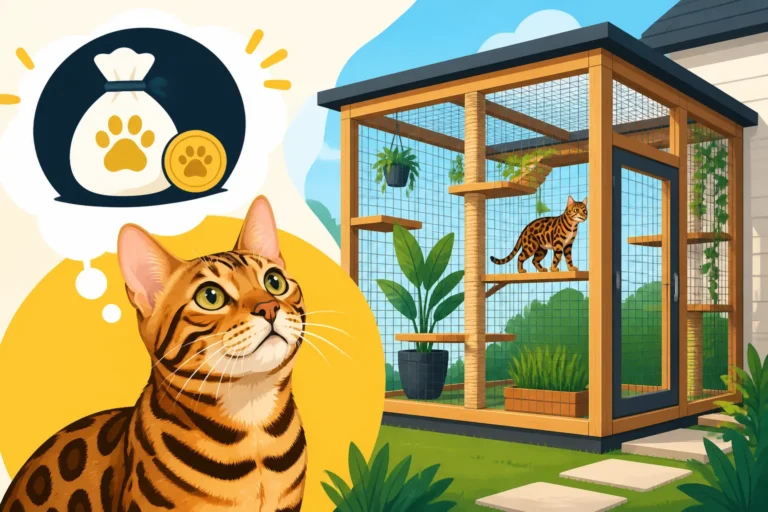
Furthermore, an illegal pet cannot be insured. If your Bengal were to become ill or injured, you'd be looking at astronomical out-of-pocket costs with no recourse for help from providers like Healthy Paws or other pet insurance companies, because the pet itself is illegally owned. The stress of keeping such a secret, constantly fearing discovery, and denying your pet proper veterinary care or even outdoor enrichment (like a catio, often recommended for active Bengals) can take a huge toll on both you and your cat.
Considering Relocation for Your Bengal
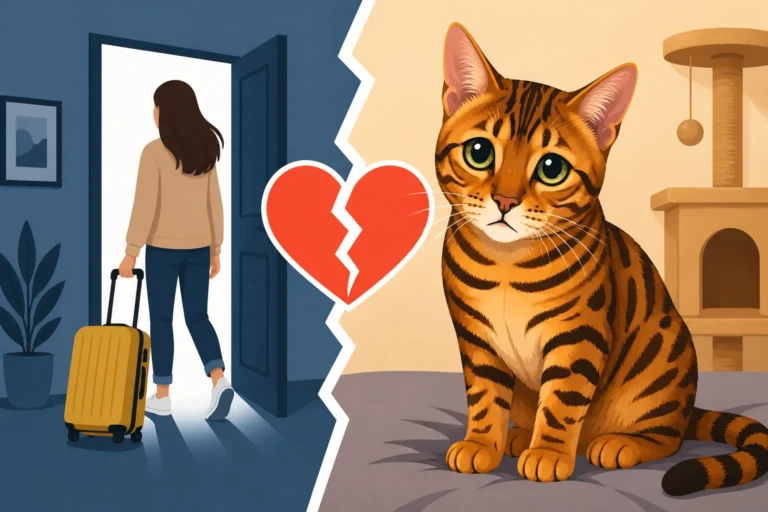
Given the absolute nature of the ban, for many Bengal cat owners, the only viable option to both move to Hawaii and ensure their pet's safety is to arrange for their Bengal cat to live elsewhere. This might mean entrusting them to family members or close friends on the mainland, or even going through the heartbreaking process of rehoming them. While incredibly difficult, this approach ensures the cat remains safe, legal, and able to receive proper care.
If you choose this route, thoroughly vet the new home environment. Ensure the caregivers understand the Bengal cat's unique needs for activity and enrichment. You might even consider setting up a dedicated fund for their care, including food, toys, and veterinary visits, to ease the burden on those caring for your pet. This decision is never easy, but it is often the most responsible choice in the face of such strict and unyielding laws. It allows you to pursue your Hawaiian dream while knowing your beloved cat is safe and well cared for, albeit far away.
The Ethical and Practical Dilemmas for Bengal Cat Owners
The Hawaii ban creates a profound ethical and practical dilemma for Bengal cat owners. It forces them to confront difficult decisions, often balancing personal dreams against the welfare of their beloved pets. This situation highlights the complex relationship humans have with animals and the varying legal landscapes that govern pet ownership.
The Heartbreak of Separation
For many pet owners, their Bengal cat is more than just an animal; it's a cherished family member. The thought of being forced to separate from them due to a relocation ban is nothing short of heartbreaking. Owners describe feelings of grief, guilt, and anger when faced with this impossible choice. The bond with a Bengal cat, known for its intelligence, playful nature, and vocal personality, can be incredibly strong, making the idea of parting with them almost unbearable.
This emotional toll is often overlooked in discussions of animal import laws, but it's a very real consequence. Families may be split, friendships tested, and individuals left grappling with profound emotional distress. It's not just about a "pet"; it's about a companion who has shared years of their life, offering comfort, joy, and unconditional affection. The abrupt and forced termination of this relationship for reasons beyond one's control can be one of the most painful aspects of Hawaii's Bengal cat ban.
Finding Alternatives: Rescues and Rehoming
When keeping a Bengal cat isn't an option, and family or friends can't take them in, owners often turn to the difficult task of rehoming. This process requires careful thought and due diligence to ensure the cat goes to a loving and suitable home. Resources like Where to Find a Bengal Cat Rescue can be invaluable during this time, connecting owners with organizations experienced in placing Bengals. These rescues understand the breed's specific needs, which include a high activity level and a need for mental stimulation, ensuring a better match for the cat's next chapter.
When rehoming, it's essential to be transparent about the cat's history, health records, and temperament. Prepare a detailed profile, include photos, and be ready to answer many questions from potential adopters. While emotionally challenging, finding a responsible rescue or a carefully vetted private home can provide peace of mind that your Bengal will thrive, even if it's not with you. This might also involve ensuring the new owner has access to quality food.
The Long-Term Impact on the Breed's Perception
The blanket ban in Hawaii, and similar restrictions in other localized areas, can subtly shape the public perception of the Bengal cat breed. While intended for ecological protection, it can inadvertently reinforce the idea that Bengals are "wild" or "dangerous," even when later generations are thoroughly domesticated. This perception can lead to challenges for Bengal owners elsewhere, potentially impacting insurance availability, housing restrictions, or even general acceptance in communities.
It also raises broader questions about hybrid animal ownership and the responsibility of breeders and owners to understand and respect local regulations. While the Bengal cat is a beautiful and often well-adjusted companion, these bans serve as a stark reminder that its wild lineage, however distant, continues to influence its legal status in certain sensitive environments. This isn't to say that Whether a Bengal Cat Is Worth the Money is diminished, but rather that prospective owners need to be acutely aware of regional laws before committing to the breed, especially if they foresee future relocations.
Navigating Pet Ownership in Hawaii: Beyond Bengal Cats
Hawaii's strict regulations extend far beyond just Bengal cats, encompassing a wide range of animals and requiring a unique approach to pet ownership for any species. Understanding these broader rules is essential for anyone considering moving to the islands with pets, or acquiring one once there.
Other Restricted and Banned Animals
The HDOA maintains a comprehensive list of restricted animals, which includes various types of exotic birds, reptiles, amphibians, and mammals. The criteria for restriction often involve potential invasiveness, threat to agriculture, risk of disease, or danger to public safety. For example, snakes are completely prohibited, as they could decimate native bird populations. Certain breeds of dogs are also sometimes restricted by county ordinances, though not by state law in the same way as Bengal cats.
Before even dreaming of bringing any pet to Hawaii, it is absolutely critical to check the current HDOA regulations thoroughly. Do not assume that because an animal is legal on the mainland, it will be legal in Hawaii. The consequences for attempting to import a restricted animal are severe, as detailed in What Happens If You Move With an Illegal Bengal Cat, and apply broadly across all prohibited species. This proactive research can prevent immense heartache and legal trouble down the line.
Hawaii's Strict Quarantine Laws for All Pets
Even if your pet is a regular domestic dog or cat and not on the restricted list, Hawaii has some of the strictest animal import (quarantine) laws in the world. These laws are designed to keep rabies, a deadly disease, out of the state, as Hawaii is currently rabies-free. For a pet to avoid a 120-day quarantine period upon arrival, it must meet a very specific set of requirements, including:
- Microchipping: The pet must be microchipped with an ISO-compliant chip. Why a Bengal Cat Should Be Microchipped is important not just for identification but for legal compliance too.
- Rabies Vaccinations: Two rabies vaccinations administered at least 30 days apart, with the most recent one given more than 30 days before arrival but not more than the vaccine's validity period.
- FAVN Rabies Blood Test: A blood test (Fluorescent Antibody Viral Neutralization, or FAVN) must be performed by an approved lab, with passing results. This test must be done at least 30 days after the second rabies shot and at least 90 days before arrival.
- Waiting Period: A minimum of 30 days between the last rabies vaccination and the FAVN test, and then a 90-day waiting period from the date the successful FAVN sample was received at the lab until the pet's arrival in Hawaii.
- Health Certificate: An original health certificate issued by a licensed veterinarian within 14 days of arrival.
- Arrival Notification: An official notification of arrival with all documents submitted to the HDOA at least 10 days before the pet's arrival.
Failure to meet any of these criteria will result in the pet being subject to the full 120-day quarantine, which can be stressful for the animal and expensive for the owner. There are also designated ports of entry where direct release is possible; otherwise, the animal will need to be transported to the main quarantine facility.
Responsible Pet Ownership in a Unique Environment
Beyond the entry requirements, responsible pet ownership in Hawaii carries additional considerations. The islands' climate, unique hazards, and community dynamics require a thoughtful approach. Owners must be vigilant about parasites like heartworm and fleas, which thrive in tropical environments. The warm weather means pets are more susceptible to heatstroke, and access to fresh water and shade is paramount.
Furthermore, awareness of local wildlife is crucial. Even domestic animals can pose a threat to native birds or ground-nesting species if allowed to roam freely. The risk of interaction with feral animal populations is also higher, increasing exposure to diseases or injuries. Therefore, keeping pets secure, whether indoors or in a well-constructed and escape-proof outdoor enclosure (like a catio, which Bengal cats often adore), is not just good practice but a civic duty in Hawaii. This responsible approach ensures the well-being of your pet while also contributing to the preservation of Hawaii's irreplaceable natural environment.
The Financial and Emotional Cost of Hawaii's Ban
The ban on Bengal cats in Hawaii isn't just a legal inconvenience; it carries significant financial and emotional costs for owners caught in its wake. These costs can range from unexpected expenses to profound personal distress, making the decision to relocate an incredibly difficult one.
Potential Fines and Legal Fees
As mentioned previously, attempting to import a Bengal cat into Hawaii without authorization can lead to severe financial penalties. Fines for violating agricultural import laws can easily run into thousands of dollars, and this doesn't even include potential legal fees if the state decides to prosecute. The financial burden can be crippling, especially for families already dealing with the expense of a cross-country move.
Beyond the initial fines, there are the costs associated with the cat's confiscation. If the animal is seized, the owner is responsible for the expenses of its care, housing, and eventual re-exportation or euthanasia. This means paying for services that you fundamentally disagree with or that go against your wishes for your pet. It’s a punitive system designed to strongly deter any attempts at non-compliance, ensuring that the financial disincentive is powerful enough to make people think twice.
The Cost of Rehoming or Relocation
If you choose the responsible path of rehoming your Bengal cat or sending it to live with family/friends on the mainland, there are still considerable financial implications. Shipping a pet across the country can be expensive, involving airline fees, specialized carriers, and veterinary clearances. If a family member takes the cat, you might choose to contribute to its ongoing care, including food, veterinary bills, and enrichment toys.
Should rehoming be the only option, while many rescues operate on donations or minimal fees, the emotional cost of this decision is incalculable. It's not a simple transaction; it's the severing of a deep bond. Even if you secure a wonderful new home for your Bengal, the process of finding it, preparing the cat, and saying goodbye is a significant emotional investment that can leave lasting scars. This is a practical cost that often goes unbudgeted but weighs heavily on owners.
The Unquantifiable Emotional Toll
Ultimately, the most profound cost of Hawaii's Bengal cat ban is emotional. It's the anxiety and stress of realizing you might have to choose between your dream life in paradise and your beloved companion. It's the grief of separation, the guilt of not being able to keep your pet, and the lingering sadness that can accompany such a forced parting. This emotional toll can impact mental health, strain relationships, and overshadow the joy of a new beginning in Hawaii.
For many, their pet is a source of comfort and stability, and losing that can be incredibly destabilizing during an already stressful life event like a major move. The unquantifiable emotional toll is a testament to the deep bonds we form with our animals, and the difficult realities that arise when legal restrictions intersect with personal attachments. While Hawaii's laws are in place for valid ecological reasons, their impact on individual pet owners is undeniably profound and often devastating.
| Factor | Legal Bengal Cat Ownership on Mainland | Legal Bengal Cat Ownership in Hawaii |
|---|---|---|
| Generation Restrictions | Varies by state/city (often F4/SBT allowed) | None allowed (blanket ban) |
| Import Permits | Generally not required for SBT | Not issued for any generation |
| Fines for Non-Compliance | Rare, unless local ban violated | Substantial, often thousands of dollars |
| Pet Insurance Coverage | Widely available (e.g., Healthy Paws) | Not available for illegal pets |
| Veterinary Access | Standard | Extremely difficult, often impossible |
| Risk of Confiscation | Low, if legal in location | High, especially at points of entry |
| Emotional Impact | Normal pet ownership | High stress, potential heartbreak of separation |
| Ecological Impact | Minimal perceived risk | High perceived risk to native species |
Disclaimer
This article is for general informational purposes only and does not constitute professional advice. Laws, prices and regulations vary by location and change over time. Consult a qualified professional for guidance on your specific situation.