What an SBT Bengal Cat Costs
Bringing a Bengal cat into your home is an incredibly exciting prospect, but it’s no secret that these stunning felines come with a unique set of financial considerations. Many aspiring owners are caught off guard by the varying costs, especially when looking at a Standard Bengal Type (SBT) Bengal, which represents the domestic generations. This guide is here to meticulously break down the various financial aspects involved in bringing home and caring for an SBT Bengal cat, from the initial purchase price to the long-term expenses, helping you budget wisely for this magnificent breed.
Understanding the "SBT" Designation and Its Impact on Price
When you're looking at Bengal cats, you'll often hear terms like F1, F2, F3, and SBT. These aren't just fancy designations; they directly relate to how much "wild" ancestry a particular Bengal carries and, consequently, how much they might cost and how they behave. Understanding what SBT means is crucial for setting your expectations.
What "SBT" Truly Means for a Bengal Cat
The term "SBT" stands for "Standard Bengal Type." It refers to Bengal cats that are at least four generations (F4) removed from their wild Asian Leopard Cat ancestor. This means an SBT Bengal has been selectively bred over several generations to possess the desirable physical traits of the wild cat – those stunning rosettes, that sleek, glittered coat, and athletic build – but with the sweet, predictable temperament of a domestic housecat. They are fully domestic and eligible for championship status in cat registries. This distinction is vital because early-generation Bengals (F1, F2, F3) still retain a significant percentage of wild blood and tend to have more pronounced wild instincts, making them quite different to live with and, often, subject to different legal restrictions. If you're looking for a companion that's reliably well-adjusted to a typical home environment, an SBT Bengal is usually the way to go. You can read more about What SBT Stands For in a Bengal Cat to get a clearer picture of this important classification.
Factors Influencing the Initial Purchase Price of an SBT Bengal
So, you've decided an SBT Bengal is for you. Now, let's talk about that initial sticker price. It's not just a flat fee; several factors contribute to what you'll pay. A well-bred SBT Bengal from a reputable breeder isn't cheap, and for good reason. The breeder invests heavily in health testing, quality food, proper care for their breeding cats and kittens, and maintaining excellent facilities.
Think about the breeder's reputation and experience. Are they dedicated to improving the breed, participating in shows, and truly prioritizing the health and temperament of their cats? This level of commitment translates into higher costs, but also a healthier, more well-socialized kitten for you. Lineage plays a role too – a kitten from a champion bloodline or particularly desirable genetic traits might command a higher price. The quality of the cat's pattern, such as distinct rosettes or intense glitter in the coat, can also significantly affect the price tag. For instance, stunning donut rosettes or exceptional contrast will generally cost more than a less defined pattern. You'll find that these pricing nuances are part of the detailed conversation around What a Bengal Cat Kitten Costs From a Breeder and how features like What Rosettes and Glitter Add to a Bengal Cat's Price. Always ask to see proof of health screening for the parents, not just a vague assurance.
Essential Upfront Costs Beyond the Kitten Itself
Getting your new SBT Bengal kitten home is just the first step. Before your little wildcat-in-miniature even sets paw inside, you'll need to prepare your home and budget for several other crucial upfront expenses. These aren't optional extras; they're foundational to your cat's well-being and your peace of mind.
Initial Veterinary Care and Health Screenings
Even if your breeder provides initial vaccinations and a health guarantee, your kitten will need its first visit to your veterinarian very soon after coming home. This initial check-up is vital to establish a baseline of health, complete any remaining vaccination series, and ensure your new family member is thriving. Your vet will likely recommend deworming, microchipping (if not already done by the breeder), and possibly a fecal test, especially if your kitten has recently traveled or is from a multi-cat environment.
Beyond these basics, you might consider discussing further health screenings based on the Bengal breed's known predispositions. While a reputable breeder will perform extensive genetic testing on their breeding cats for conditions like Pyruvate Kinase Deficiency (PK-Def), Progressive Retinal Atrophy (PRA-b), and regularly screen for Hypertrophic Cardiomyopathy (HCM) through echocardiograms, sometimes follow-up or routine checks are part of your responsibility. Remember, a thorough breeder provides documentation for tests like those mentioned in What a Bengal Cat Breeder Should Have Tested. It’s an investment in early detection and preventative care, which can save you significant heartache and expense down the line.
Setting Up Your Home: Supplies and Enrichment
Bengals are not your average couch potato cats. They are incredibly active, intelligent, and curious creatures that require a rich, stimulating environment to truly thrive. This means your initial setup costs for supplies and enrichment will likely be more substantial than for a less demanding breed. Forget flimsy cardboard scratchers; your Bengal will need sturdy, tall scratching posts, perhaps even several of them, made of durable materials like sisal.
A good, robust cat tree is not just furniture; it's essential vertical territory for climbing and observing. Bengals love to climb, so investing in a tall, stable cat tree or even wall-mounted shelves is a must. For ideas on what to look for, check out Which Cat Tree a Bengal Cat Needs. Don't forget durable toys that can withstand rigorous play, interactive puzzle feeders to challenge their minds, and multiple litter boxes. While they're tidy cats, their energetic digging can make a mess of smaller, uncovered boxes, so look for large, high-sided options. To see what types work best, refer to Which Litter Box Survives a Bengal Cat. For all these essentials, and many more, you'll find a vast selection online at retailers like Chewy, which can often deliver right to your door. Investing upfront in high-quality, durable items will prevent you from constantly replacing chewed-up or broken toys and scratchers.
Ongoing Monthly and Yearly Expenses for an SBT Bengal
The initial cost of your Bengal kitten and setting up your home is just the beginning. Owning an SBT Bengal means committing to ongoing expenses that support their unique needs and high-energy lifestyle for the entirety of their potentially long life.
The Cost of a Premium Diet for an Active Bengal
Bengals are athletic cats with high metabolisms, stemming from their wild ancestry. This means they generally thrive on a high-protein diet that fuels their incredible energy levels. Skimping on food quality can lead to health issues down the road, resulting in more expensive vet bills. Expect to invest in premium wet food, high-quality kibble, or even a balanced raw diet. The protein content is key; understanding Which Protein Percentage Suits a Bengal Cat can help guide your choices.
Many owners opt for a combination of wet and dry food to ensure adequate hydration and nutritional balance. Some even venture into raw feeding, which can be fantastic for their health but also requires careful research and preparation to be nutritionally complete. For those considering it, resources like Whether a Raw Diet Suits a Bengal Cat's Gut can provide valuable insights. Fresh food delivery services can cater to a Bengal's dietary needs, although these premium options will naturally be a higher expense compared to standard supermarket brands. Factor in the cost of healthy treats for training and enrichment, and you'll see that a Bengal's food budget can be significantly higher than that of a less active, standard domestic cat.
Routine Veterinary Care and Preventative Health
Just like us, our feline companions need regular check-ups to stay healthy. For an SBT Bengal, routine veterinary care is paramount. This includes annual wellness exams, booster vaccinations, and regular parasite prevention (flea, tick, and heartworm medication, depending on your region and your cat's lifestyle). Your vet will also likely recommend annual dental check-ups and cleanings, especially as your Bengal ages. Dental disease is a common problem in cats, and preventative care is far less costly and stressful than treating advanced issues.
As your Bengal matures and enters their senior years, their veterinary needs may increase. Older cats often require more frequent check-ups, specialized blood work, and management for age-related conditions like arthritis or kidney disease. Understanding How Often a Bengal Cat Needs a Wellness Exam and being aware of potential issues like Whether a Bengal Cat Gets Dental Disease can help you plan for these ongoing health investments. These routine visits are not just about addressing problems; they're about maintaining optimal health and catching any issues early, which is the best way to ensure your Bengal lives a long, vibrant life.
Enrichment, Grooming, and Miscellaneous Supplies
The need for enrichment doesn't stop after the initial setup. Bengals are constantly seeking new challenges and outlets for their energy. You'll find yourself rotating toys, upgrading scratching posts, and potentially investing in new interactive gadgets to keep their sharp minds engaged. A cat wheel, for example, can be a fantastic way for an active Bengal to burn off energy indoors, though it represents a significant one-time cost. Understanding How Much Enrichment a Bengal Cat Actually Needs will help you prioritize these expenses.
While Bengal cats are remarkably low-maintenance when it comes to grooming – their short, pelt-like coats shed very little and don't typically mat, as highlighted in A Bengal Cat Needs Almost No Grooming – you'll still have some minor costs. Nail clippers for regular trims, a soft brush for occasional grooming sessions (more for bonding than necessity), and ear cleaner are good to have on hand. Don't forget the ongoing cost of litter, which for an active digger like a Bengal, can go surprisingly quickly! And if your Bengal is a water enthusiast, you might find yourself needing to replenish water toys or investing in a sturdy water fountain that can withstand their playful paws.
The Critical Role of Pet Insurance and Unexpected Costs
Even with the best breeding, diet, and preventative care, life happens. Accidents and illnesses can strike any pet, and for a breed with specific predispositions like the Bengal, pet insurance becomes a critical financial buffer.
Understanding Pet Insurance for a Bengal Cat
Pet insurance is not just a luxury; for many Bengal owners, it's a necessity. These agile, adventurous cats can sometimes get themselves into scrapes, whether it's a fall from a high perch or an unexpected encounter during a supervised outdoor excursion. More importantly, while reputable breeders strive to eliminate genetic health issues, certain conditions are still more prevalent in the breed.
Accident and illness plans typically cover a percentage of veterinary costs for unexpected events, from broken bones to sudden illnesses. Some plans also offer wellness add-ons for routine care, though the primary benefit lies in covering those large, unforeseen bills. When researching providers like Healthy Paws, look carefully at what's covered, deductibles, reimbursement percentages, and any waiting periods. It's especially important to ask about coverage for breed-specific conditions or inherited diseases. Many owners wonder Whether Insurance Covers a Bengal Cat, and the answer is usually yes, but with varying terms. Getting a policy while your Bengal is young and healthy is usually the best approach to avoid exclusions for pre-existing conditions.
Preparing for Potential Health Issues Specific to Bengals
Despite careful breeding, Bengals, like many purebreds, have certain health concerns that owners should be aware of. Hypertrophic Cardiomyopathy (HCM) is a heartbreaking cardiac disease that can affect Bengals, and while breeders screen for it, it can still manifest unexpectedly. Learning about HCM Is What Kills Bengal Cats Early underscores the importance of being prepared. Pyruvate Kinase Deficiency (PK-Def) and Progressive Retinal Atrophy (PRA-b) are genetic conditions that can be screened for via DNA tests, but even carriers can pass them on if not carefully managed.
Then there are conditions that aren't strictly genetic but seem to affect Bengals more often, such as chronic diarrhea, which can sometimes be a persistent and expensive puzzle to solve. For more on this, check out Chronic Diarrhea Is the Bengal Cat Complaint Nobody Warns About. Diagnosing and treating these issues can involve specialist consultations, advanced imaging, medication, and even surgery, all of which incur significant costs. Having pet insurance can alleviate the financial burden during these stressful times, allowing you to focus on your cat's recovery rather than worrying about the veterinary bill.
Comparing SBT Bengal Costs to Other Generations and Options
When considering the cost of an SBT Bengal, it's helpful to understand how their price point fits into the broader spectrum of Bengal cats and other adoption avenues. This comparison can highlight the unique value and considerations that come with an SBT.
Price Differences: SBT vs. Early Generations (F1-F3)
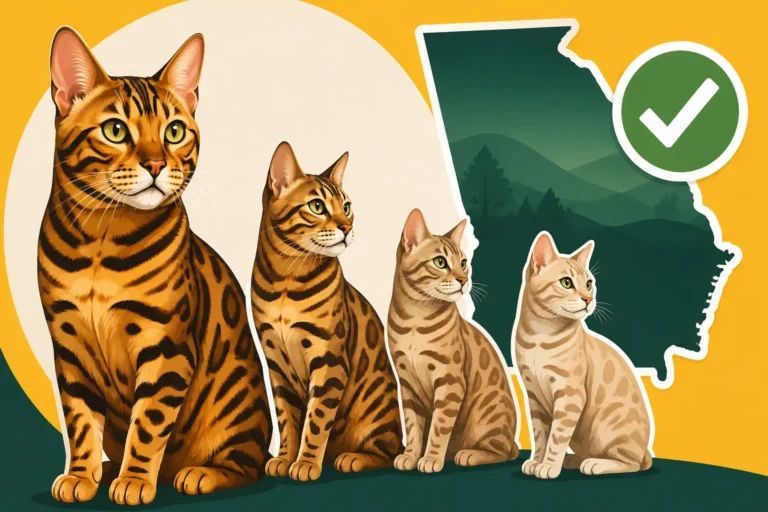
You might see price tags for F1, F2, or F3 Bengal cats that are significantly higher than those for SBTs. These "early generation" Bengals are much closer to their wild Asian Leopard Cat ancestors, making them rarer and often subject to different legal regulations. The scarcity, combined with the specialized care and knowledge required to raise and place them, drives their price up considerably. For example, an F1 Bengal, being a direct cross, will command a premium due to its strong wild traits and the challenges involved in breeding it.
However, these early generations are generally not suited for most pet homes due to their more intense wild instincts and sometimes unpredictable behavior, making them more of a niche choice for experienced owners or those with specific facilities. The general recommendation is that SBTs (F4 and beyond) are the ideal generation for a domestic pet. This tiered pricing structure, where the closer to the wild cat, the higher the price, is clearly outlined in guides like The F1 to F5 Price Ladder for a Bengal Cat. Additionally, the sterility of early generation males, as discussed in Why F1 to F3 Bengal Cat Males Cannot Breed, also impacts breeding programs and, indirectly, availability and pricing.
The Value Proposition of a Reputable SBT Breeder
While the initial cost of an SBT Bengal from a reputable breeder might seem high compared to adopting a domestic shorthair from a shelter, it’s an investment in a specific set of traits: predictable temperament, known health history, and often, extensive socialization. A good breeder will provide health guarantees, a detailed contract, and lifelong support, offering peace of mind that a cheaper, casually bred kitten might not. They conduct comprehensive health screenings on their breeding animals, ensuring you're less likely to face costly genetic health issues down the line.
Conversely, "backyard breeders" or individuals selling Bengals without proper registration or health testing might offer lower prices, but this often comes with significant risks. Kittens from these sources can suffer from genetic diseases, parasites, or behavioral issues due to poor socialization, leading to enormous veterinary bills and heartbreak. It's often debated Whether a Backyard Bred Bengal Cat Is Really One in terms of quality and adherence to breed standards. Rescues can be a fantastic option for finding an older Bengal in need of a home, sometimes at a lower adoption fee, but these cats might come with their own history or health challenges that require patience and additional investment. Ultimately, the cost from a reputable SBT breeder often reflects the value of their expertise, dedication, and the quality of the companion they provide.
Here's a general overview of the typical cost considerations for an SBT Bengal cat:
| Cost Category | Initial Outlay | Ongoing (Monthly/Yearly) |
|---|---|---|
| Purchase Price | High | N/A |
| Initial Vet Care | Medium to High | N/A |
| Food & Treats | Medium | Medium to High |
| Litter & Supplies | Medium | Medium |
| Enrichment (Toys, Trees, Wheel) | Medium to High | Medium (replacements) |
| Routine Vet Care | N/A | Medium |
| Pet Insurance | N/A | Medium |
| Unexpected Vet Bills | Potentially Very High | Potentially Very High |
| Pet Sitting/Boarding | N/A | Variable |
Remember, these are general estimations, and actual costs will vary widely based on your location, chosen products, specific vet, and your Bengal's individual needs.
Disclaimer
This article is for general informational purposes only and does not constitute professional advice. Laws, prices and regulations vary by location and change over time. Consult a qualified professional for guidance on your specific situation.