Whether a Backyard Bred Bengal Cat Is Really One
It's a really common, and frankly, heartbreaking scenario: you've fallen head over heels for the striking beauty and vibrant personality of the Bengal cat, maybe you've even found one advertised for a price that seems too good to be true. But then the nagging question starts – is this "Bengal" cat, especially one from a less-than-transparent source, truly the breed you believe it to be? This guide is here to cut through the confusion and help you understand what truly defines a Bengal cat, how to spot the red flags of a "backyard breeder," and why authenticity matters for both your peace of mind and your future furry family member's well-being.
What Defines a "Real" Bengal Cat Anyway?
The allure of the Bengal cat is undeniable, with their wild looks and energetic personalities. But what exactly makes a Bengal a "Bengal" rather than just a very pretty spotted domestic cat? It boils down to their unique heritage, meticulous documentation, and adherence to a recognized breed standard. Without these foundational elements, you're looking at something else entirely, no matter how charming it might be.
The Foundation: Asian Leopard Cat Heritage
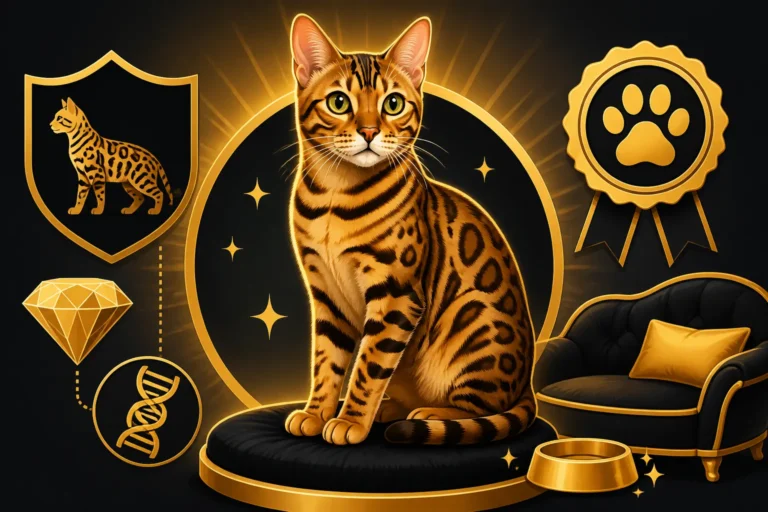
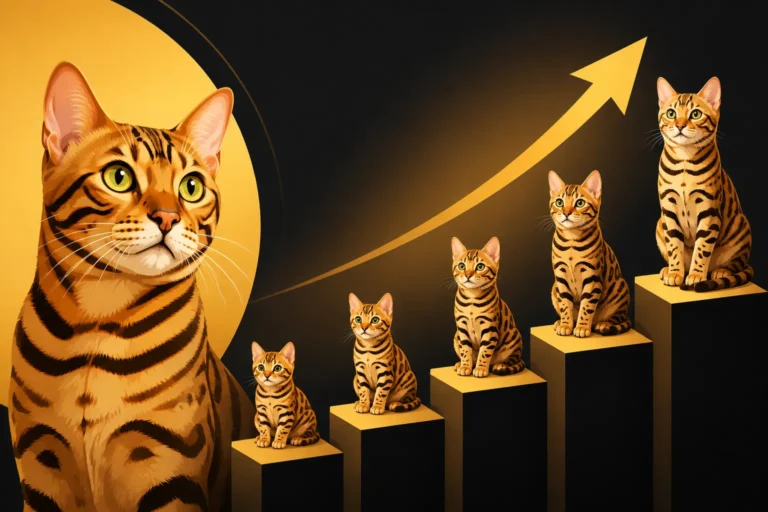
At the heart of every true Bengal cat is its wild ancestor, the Asian Leopard Cat (ALC). This isn't just a fun fact; it's the very definition of the breed. The Bengal was created by crossing domestic cats with ALCs, resulting in a hybrid breed that carries the stunning patterns and athletic build of its wild forebears. These initial crosses are what we call "filial" generations, abbreviated as F1, F2, F3, and so on.
An F1 Bengal is a direct cross between an ALC and a domestic cat. An F2 has an F1 parent, and an F3 has an F2 parent. The magic truly happens when you get to the "SBT" generation – meaning Stud Book Tradition. These are Bengal cats that are at least four generations removed from their wild ancestor (F4 or later) and have only Bengal cats in their recent pedigree. This specific generational count is crucial because it indicates a level of domestication and predictability in temperament that you simply won't find in earlier generations, which are often restricted by law.
When you're looking at a true Bengal, you're looking at a lineage that can be traced back through these specific crosses. This isn't just about showing off a fancy pedigree; it's about understanding the genetic makeup and the unique traits that come with it. A cat without this documented heritage, no matter how much it resembles a Bengal, is essentially a domestic cat with Bengal-like markings. It might be beautiful, but it won't carry the full genetic package that makes a Bengal, well, a Bengal. This is why understanding F1 to SBT: How a Bengal Cat's Generation Is Counted is so important.
The Role of Pedigrees and Registries
Just like with purebred dogs, legitimate Bengal cats come with papers – a pedigree. This document is essentially the cat's family tree, meticulously detailing its ancestors for multiple generations. The pedigree confirms its lineage, including its ALC heritage and its progression through the filial generations to SBT status.
The primary international registry for Bengal cats is The International Cat Association (TICA). When a breeder tells you their cats are "TICA registered," it means their cattery and their breeding cats meet specific standards set by the association. More importantly, it means the kittens themselves can be registered, confirming their lineage and authenticity.
A "papered" Bengal means you receive a registration certificate and a pedigree, proving your cat's breed and ancestry. An "unpapered" Bengal, on the other hand, is a massive red flag. Even if the breeder claims they "just don't bother with the papers" or "it costs too much," it almost always means the cat isn't a true Bengal, or if it is, the breeder isn't reputable enough to be registered, which implies many other corners are being cut. Without a proper pedigree, you have no verifiable proof of your cat's heritage, breed, or even its actual age in some cases. Trust me, it's not just a piece of paper; it's a testament to the breeder's dedication and the cat's genuine lineage. It’s also the only way to genuinely confirm How to Find a Bengal Cat's Generation on Its Pedigree.
Meeting the Breed Standard
Beyond the papers, a real Bengal cat also physically embodies a specific breed standard. This standard, set by TICA, describes the ideal characteristics of the breed, from head shape to tail length, and most famously, their coat pattern and texture.
When you hold a true Bengal, you'll immediately notice the difference. Their coat isn't just "fur"; it's a short, dense "pelt" that feels incredibly soft, almost like silk, and often has a unique "glitter" effect where the tips of the hairs catch the light. Their patterns are distinctive, typically rosettes (like miniature leopard spots) or marbled patterns, with high contrast against a lighter background. These rosettes aren't just random spots; they have specific shapes, often referred to as arrowhead, paw print, or donut rosettes.
Their build is muscular and athletic, with hind legs often slightly longer than their front, giving them a powerful, agile appearance. Their head is typically broad, with small, rounded ears and striking, intelligent eyes often rimmed with "mascara" markings. They should have a thick, medium-length tail that tapers to a rounded tip.
A cat that doesn't meet these standards, even if it has some spotting, is unlikely to be a purebred Bengal. "Backyard breeders" often breed cats that only superficially resemble Bengals, leading to offspring that lack the definitive physical traits, temperament, and health profiles of the breed. It’s worth looking up What a Bengal Cat Looks Like by the Standard to really get a feel for these unique characteristics.
The Red Flags of a "Backyard Breeder"
So, you know what a real Bengal should be. Now, let's talk about how to spot the "backyard breeders" who often mislead prospective owners. This isn't just about snobbery; it's about ensuring you get a healthy, well-adjusted companion and don't inadvertently support irresponsible practices.
Lack of Health Testing and Transparency
This is, without a doubt, one of the biggest red flags. Reputable Bengal breeders invest heavily in the health of their breeding cats and kittens. This means rigorous health testing for genetic diseases common in the breed, such as:
- Hypertrophic Cardiomyopathy (HCM): A serious heart condition that can lead to sudden death. Breeders should regularly scan their breeding cats' hearts via echocardiogram by a board-certified veterinary cardiologist. HCM Is What Kills Bengal Cats Early
- Progressive Retinal Atrophy (PRA-b): A genetic eye disease that causes blindness. A DNA test can identify carriers and affected cats.
- Pyruvate Kinase Deficiency (PK-Def): A genetic blood disorder that can cause anemia. A DNA test is available.
A "backyard breeder" will often claim their cats are "healthy" or "vet checked," but they rarely, if ever, provide documentation of these specific genetic tests for the parents. They might offer a vague health guarantee or none at all. When you ask for proof of parentage testing, specifically for echoes and DNA panels, a reputable breeder will be happy to show you actual paperwork from certified veterinary cardiologists and genetic labs. They'll also be transparent about any known issues in their lines.
If a breeder balks at providing these documents, or claims they “don't believe in” such tests, run, don't walk. You're likely looking at a cat that could carry serious genetic predispositions, leading to heartbreaking and incredibly expensive health issues down the line. While good food and supplies can help support a healthy lifestyle, they can't reverse genetic diseases or compensate for a lack of foundational health screening. Understanding What a Bengal Cat Breeder Should Have Tested is critical before committing to a kitten.
Questionable Living Conditions and Socialization
Visiting the breeder's home or cattery (if they're open to it, which good breeders usually are, by appointment) is incredibly insightful. Pay close attention to the environment:
- Cleanliness: Is the facility clean, odor-free, and well-maintained? A reputable breeder takes pride in a sanitary environment. Backyard operations often have cluttered, dirty spaces, sometimes with strong ammonia smells from inadequate litter box cleaning.
- Space and Enrichment: Are the cats and kittens provided with adequate space to play, climb, and explore? Bengals are highly active and need lots of vertical space, scratching posts, and stimulating toys. A lack of these indicates a lack of understanding of the breed's needs, leading to bored and potentially destructive cats.
- Socialization: Are the kittens friendly, curious, and comfortable interacting with people? Reputable breeders spend significant time socializing their kittens, handling them regularly, and exposing them to household sights and sounds. Backyard breeders often keep their cats isolated, resulting in shy, fearful, or even aggressive kittens that are ill-prepared for life as a pet. This can lead to behavioral problems like fear-biting or hiding, which are incredibly difficult to overcome. If a kitten comes home already exhibiting chronic diarrhea, it can often point to stress or parasites from unsanitary conditions, directly related to Whether a Bengal Cat Kitten Arrives With Diarrhea.
If you find yourself meeting kittens in a dingy garage, a cramped spare room, or an outdoor shed, you're likely dealing with a backyard breeder. Their priority is quantity over quality, and the welfare of the animals often takes a backseat.
Unrealistic Pricing and Sales Practices
The price of a purebred Bengal cat reflects the significant investment a reputable breeder makes in health testing, quality food, vet care, proper facilities, and the time spent socializing their kittens. Expect to pay a fair price for a truly well-bred Bengal. If you see Bengal kittens advertised for a fraction of the typical price, that's a huge red flag.
Backyard breeders often try to entice buyers with unbelievably low prices, knowing that many people are looking for a bargain. They cut corners on everything mentioned above – health testing, quality food, veterinary care, registration fees, and even proper housing. That "bargain" kitten often comes with hidden costs in the form of future vet bills for genetic diseases or behavioral rehabilitation.
Furthermore, reputable breeders will typically have a detailed contract outlining health guarantees, spay/neuter agreements (for pet kittens), and a commitment to take the cat back if things don't work out. They'll ask you many questions to ensure their kitten is going to a good home. Backyard breeders, on the other hand, are often focused on a quick sale. They might not have a contract, won't ask about your living situation, and may even push you to take a kitten that's too young to leave its mother. Beware of anyone who doesn't seem to care where their kittens are going. If you're seeing a price that seems too good to be true, it’s worth considering Whether a Bengal Cat Under a Thousand Is a Warning.
Why Authenticity Matters Beyond Bragging Rights
Some might argue, "A cat is a cat, who cares if it's a real Bengal or not?" While any cat can bring joy, understanding the authenticity of a Bengal cat goes far beyond mere bragging rights or fancy papers. It profoundly impacts the cat's health, temperament, and your experience as an owner.
Predictable Temperament and Behavior
One of the main reasons people fall in love with Bengals is their unique personality. They're often described as dog-like, highly intelligent, incredibly active, and endlessly curious. They love to play, fetch, climb, and famously, adore water. This distinctive temperament is a direct result of their specific genetic heritage and generations of careful breeding focused on maintaining these traits while ensuring a domestic disposition. The Bengal Cat Is the Most Active Cat You Can Own is not an exaggeration – it's a breed characteristic.
When you get a cat from a backyard breeder or one with an unverified lineage, you're rolling the dice on temperament. You might get a cat that looks like a Bengal but acts nothing like one – perhaps it's shy, destructive from boredom, or lacks that characteristic zest for life. Worse, you could end up with a cat that inherited some of the less desirable "wild" traits without the benefit of proper socialization and selective breeding, leading to challenges with litter box habits, aggression, or extreme shyness. A genuine Bengal's personality is a significant part of its appeal, and you pay for that predictability.
A true Bengal thrives on interaction and enrichment. They'll need things like a cat wheel, tall climbing structures, and plenty of interactive toys. If you mistakenly get a "Bengal" that doesn't have this inherent drive, you might find yourself with a beautiful but bored and frustrated feline, or one that constantly seeks to escape because its energy isn't being properly channeled.
Health Guarantees and Lifelong Support
As we discussed, reputable breeders health test their cats. This isn't just about preventing disease in the current litter; it's about making informed breeding decisions to improve the health of the breed as a whole. When you purchase a kitten from such a breeder, you often receive a health guarantee against certain genetic conditions for a specified period. This means if a serious genetic health issue arises, the breeder will work with you, whether that's financial assistance or taking the cat back.
A backyard breeder offers no such assurances. If your "Bengal" develops HCM at two years old, or goes blind from PRA-b, you're entirely on your own for the veterinary costs. These can quickly escalate into thousands of dollars for diagnostics, medications, and ongoing care. This is where pet insurance, like Healthy Paws, can be invaluable, but even then, a history of unknown health issues from a backyard breeder might complicate coverage or lead to pre-existing condition exclusions. A comprehensive What a Bengal Cat's DNA Panel Costs upfront might seem like a lot, but it pales in comparison to the costs of treating preventable genetic diseases.
Furthermore, a reputable breeder becomes a lifelong resource. They've spent years, sometimes decades, working with the breed. They understand Bengal behavior, nutrition, and health nuances. If you have questions about litter box issues, diet, or sudden behavioral changes, they're often the first and best place to turn for advice. Backyard breeders disappear the moment the money changes hands, leaving you adrift.
Understanding the True Cost and Commitment
Purchasing a Bengal cat, even at a seemingly high initial price from a reputable breeder, is an investment in a predictable, healthy, and well-socialized companion. The upfront cost for a truly authentic Bengal represents the breeder's dedication to the breed, the health and welfare of their animals, and the future quality of the kitten you're bringing home.
On the flip side, buying a cheap "Bengal" from a backyard breeder can be a false economy. The initial saving can quickly be swallowed up by vet bills for preventable illnesses or behavioral issues stemming from poor breeding practices or lack of early socialization. Consider the total Fifteen Years of a Bengal Cat, Priced Out; the purchase price is just a small fraction of the lifetime cost. You might find yourself spending far more in the long run trying to address these problems, financially and emotionally.
A true Bengal also requires a specific level of commitment regarding enrichment and diet. Their high energy and intelligence mean they need constant mental and physical stimulation to prevent boredom and destructive behaviors. They also thrive on a high-protein diet, which can be more expensive than generic cat food. If you haven't budgeted for these ongoing needs, even a genuine Bengal can become a challenge. A backyard-bred cat might have an even more sensitive stomach due to poor genetics or early diet, necessitating even more specialized (and costly) food.
| Feature | Reputable Bengal Breeder | Backyard Breeder / Unverified Source |
|---|---|---|
| Genetic Lineage | Documented F1-SBT pedigree, TICA registered | Often no pedigree, vague claims of "Bengal mix" |
| Health Testing | Provides proof of parentage tests (HCM echo, PRA-b, PK-def) | Claims "vet checked," no specific test results offered |
| Kitten Health | Health guarantee, first vaccines, dewormed | Variable health, potential parasites, vague guarantees |
| Socialization | Kittens raised in home, well-handled, friendly | Kittens may be shy, fearful, or poorly handled |
| Living Conditions | Clean, spacious, enriched environment | Often cramped, unsanitary, lacking stimulation |
| Contract | Detailed sales contract, spay/neuter clause | Minimal or no contract, quick sale focus |
| Pricing | Reflects investment in health, care, lineage (higher) | Often significantly lower, "too good to be true" |
| Support | Lifelong resource for advice and questions | Disappears after sale, no ongoing support |
| Temperament | Predictably active, intelligent, dog-like | Unpredictable, may lack typical Bengal traits, potential issues |
Ultimately, while the internet is awash with beautiful pictures of spotted cats, a "backyard bred Bengal" is often just a domestic cat with some Bengal characteristics, or a poorly bred Bengal from an irresponsible source. When you're seeking a Bengal, you're looking for a specific package of beauty, intelligence, and athleticism that comes from careful, ethical breeding. Don't let a lower price tempt you into a decision that could lead to heartache and significant expenses down the road. Do your homework, ask the tough questions, and prioritize the welfare and authenticity of your future companion.
Disclaimer
This article is for general informational purposes only and does not constitute professional advice. Laws, prices and regulations vary by location and change over time. Consult a qualified professional for guidance on your specific situation.