What a Full Bengal Cat DNA Panel Costs
Bringing a Bengal cat into your life is an absolute joy, but it's also a significant commitment, especially when it comes to understanding their unique health needs. Many new and prospective owners feel a little lost wading through all the information about breed-specific health tests, and the question of "what does it all cost?" is often at the forefront. This guide will walk you through what a full Bengal cat DNA panel entails, what factors influence its expense, and why it's such a crucial investment in your spotted companion's future.
Understanding the Bengal Cat DNA Panel
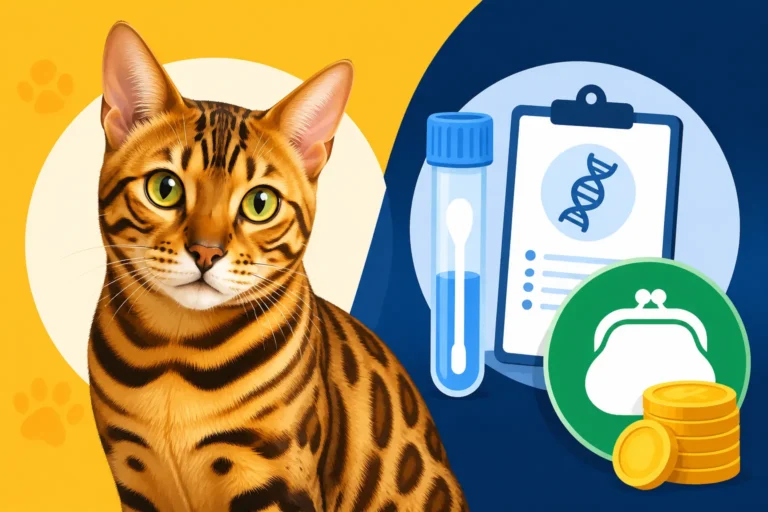
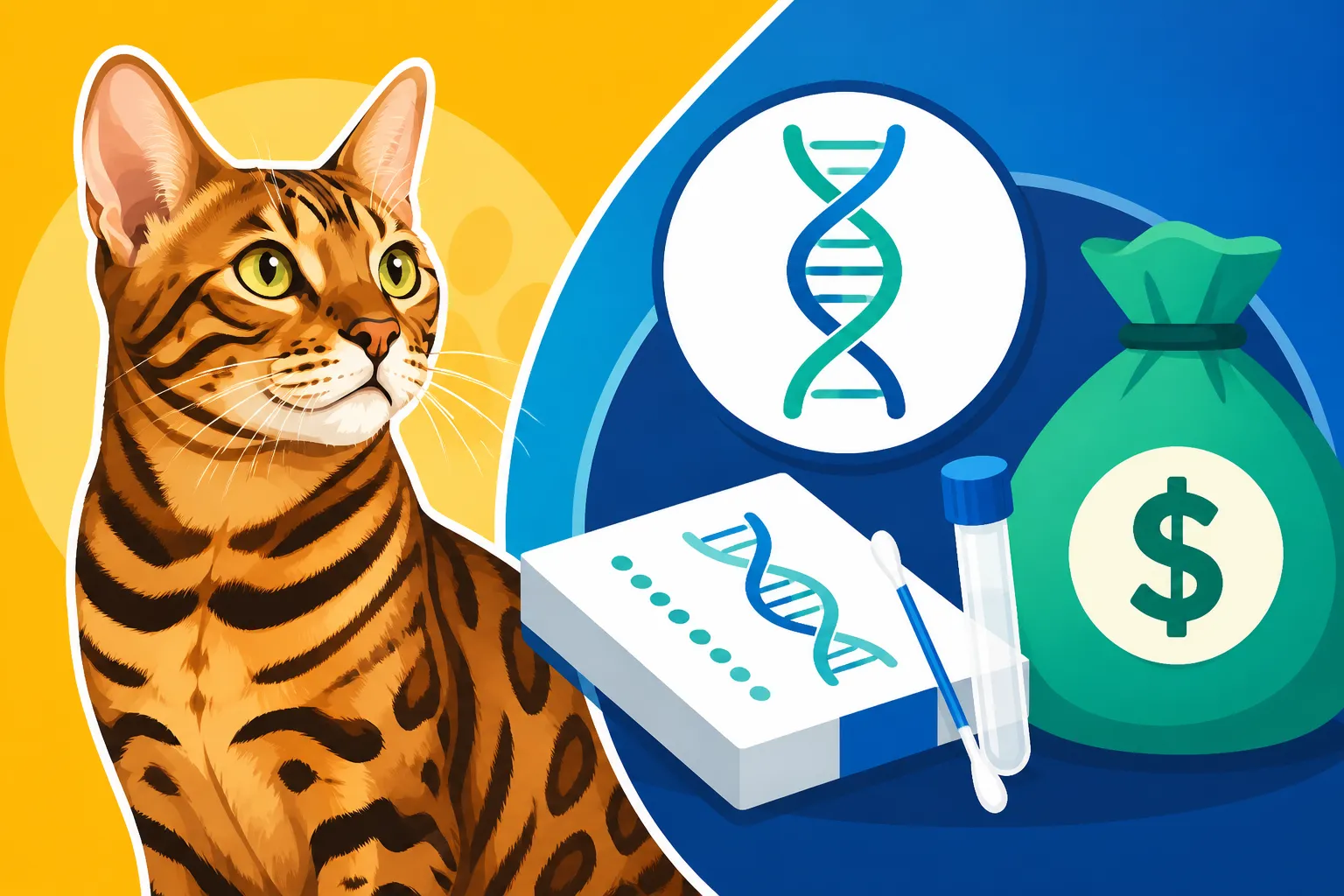
When we talk about a "full Bengal cat DNA panel," we're really referring to a comprehensive set of genetic tests designed to identify inherited diseases and traits specific to the breed. It’s not just one test, but usually a bundle offered by specialized veterinary genetics laboratories. Think of it as a peek into your cat's genetic blueprint, revealing potential predispositions that wouldn't be apparent from just looking at them. For a breed as active and captivating as the Bengal, understanding their genetic makeup is vital for responsible ownership and breeding.
What Specific Diseases Do These Panels Cover?
The beauty of a DNA panel is its breadth. While a traditional vet visit focuses on current symptoms, a DNA panel looks ahead, identifying markers for conditions that might develop later in life or that a cat could pass on to offspring. The most common and critical diseases covered for Bengal cats typically include Progressive Retinal Atrophy (PRA-b) and Pyruvate Kinase Deficiency (PK Deficiency).
PRA-b is a devastating genetic eye disease that, unfortunately, can lead to blindness in Bengal cats. Imagine your vibrant, adventurous Bengal gradually losing their sight – it's heartbreaking to consider. Knowing if your cat is a carrier or affected can help you prepare and adapt their environment, or, for breeders, make informed decisions to prevent passing it on. You might be interested to learn more about What PRA-b Does to a Bengal Cat's Sight and The Age a Bengal Cat With PRA-b Goes Blind.
PK Deficiency, on the other hand, affects red blood cells and can cause a form of anemia. Cats with this condition can suffer from lethargy, weakness, and jaundice, with symptoms sometimes waxing and waning. While the condition can be managed, early detection through a DNA panel is incredibly important for long-term care and understanding. We often get questions like What PK Deficiency Does to a Bengal Cat and Signs a Bengal Cat Is Anemic.
Beyond these primary concerns, many panels also screen for other genetic markers that might be less common but still relevant, such as specific blood types, coat color genes (which can be fun to know for pet owners and essential for breeders), and even some neurological conditions. While there isn't a reliable gene test for every Bengal cat health concern, like Hypertrophic Cardiomyopathy (HCM) — Why There Is No Bengal Cat HCM Gene Test is a common question — these DNA panels cover a significant portion of known genetic risks.
Why Every Bengal Cat Deserves This Test
Even if your Bengal is a beloved pet and not intended for breeding, these DNA panels offer immense peace of mind and proactive care opportunities. Knowing your cat's genetic predispositions allows you and your veterinarian to monitor for specific symptoms, initiate early interventions if necessary, and develop a tailored wellness plan. For instance, if your cat is a carrier for PRA-b, you'll know to pay extra attention to their vision as they age, perhaps scheduling regular eye exams earlier than usual.
For those considering bringing a Bengal kitten home, reputable breeders will already have their breeding cats tested and should readily provide results for the kitten's parents. This transparency is crucial. If a breeder shows you copies of these health test certificates, it's a huge green flag, indicating they are serious about the health of their lines. You should always ask Which Health Results a Bengal Cat Breeder Must Show and Whether a Bengal Cat Kitten Comes With Test Certificates. It's a key part of ensuring you're getting a healthy companion and not unknowingly contributing to the spread of genetic diseases.
Factors Influencing the Cost of a DNA Panel
The price tag for a full Bengal cat DNA panel isn't set in stone. It can fluctuate quite a bit based on several factors, including the laboratory you choose, the comprehensiveness of the panel, and whether you're testing an individual cat or multiple animals as part of a cattery. It’s not just a simple swab; there’s a whole process of analysis behind it that reflects the specialized scientific work involved.
The Scope of the Panel
Some laboratories offer "mini" panels that might only cover one or two major diseases like PRA-b and PK Deficiency. These are generally less expensive. However, a "full" panel often includes a much broader array of tests – sometimes dozens of genetic markers for various conditions, traits, and blood types. The more markers included, the more comprehensive the genetic picture you get, and typically, the higher the investment.
For a breeder, a more extensive panel provides invaluable information for making responsible breeding decisions, especially if they are looking to introduce new lines or plan pairings carefully. They might be looking at markers for coat color to predict kitten patterns, or assessing carriers status to avoid breeding two carriers together, a scenario that often results in affected kittens. For example, understanding How Two Carriers Produce a Blind Bengal Cat is essential for responsible breeding.
The Testing Laboratory
Just like human medical tests, different veterinary genetic laboratories have different pricing structures. Some labs specialize in specific breeds, while others offer broad panels for many cat breeds. A well-established lab with a strong reputation for accuracy and quick turnaround times might have a slightly higher cost, but often, that comes with the confidence in reliable results. Many breeders have preferred labs they work with consistently, as they often have a deeper understanding of the specific genetic quirks of the Bengal breed. It's always a good idea to research and compare services if you're undertaking this yourself. We always recommend checking with your vet for their recommendations, as they may have established relationships with certain labs.
Geographic Location and Additional Services
While DNA testing is typically done via mail-in kits, your geographic location can indirectly influence costs if your veterinarian charges a fee for collecting the sample or interpreting the results. Most DNA tests require a simple cheek swab, which can often be done at home with the right kit, or by your vet during a routine visit. If you opt for a vet to collect the sample, you'll incur their office visit fee in addition to the lab's testing cost.
Some labs also offer expedited processing for an extra charge, which can be tempting if you're waiting on crucial breeding information or anxiously awaiting results for a sick cat. Consider if these additional services are truly necessary for your situation or if standard processing time is perfectly adequate.
Here's a simplified breakdown of factors affecting the cost:
| Factor | Impact on Cost | Considerations |
|---|---|---|
| Panel Scope | More tests = Higher cost | "Mini" panels for specific diseases vs. "Full" panels with dozens of markers. |
| Testing Lab | Varies by reputation, services, and specialization | Reputable labs might cost more but offer reliability and expertise. |
| Sample Source | DIY (home swab) vs. Vet-collected | Vet fees for collection add to the total. |
| Expedited Results | Optional extra cost for faster turnaround | Only needed if results are time-sensitive for breeding or critical health decisions. |
| Discounts | Group rates for breeders / multiple cats | Some labs offer reduced rates for testing multiple animals at once. |
Where to Get a Bengal Cat DNA Panel Done
Finding a reputable place to conduct a DNA panel for your Bengal cat is key. This isn't a task for just any generic lab; you want one with a proven track record in feline genetics, specifically for breed-specific diseases. Your veterinarian is usually your first and best resource, but there are also well-known specialized laboratories that cater directly to pet owners and breeders.
Consulting Your Veterinarian
Your vet is your trusted partner in your cat's health journey. They can guide you on which specific tests are most relevant for your Bengal, help you collect the DNA sample (usually a non-invasive cheek swab), and handle the shipping logistics. More importantly, they can help you interpret the results once they come in. A positive result for a genetic marker doesn't always mean immediate illness, but it does mean a conversation about proactive monitoring, lifestyle adjustments, or potential medical interventions down the line. They can also connect you with specialists if needed. For instance, if you get a positive for PRA-b, your vet might recommend an ophthalmologist to monitor your cat's vision.
Specialized Genetic Laboratories
There are several highly respected genetic testing laboratories that serve the cat community. These labs often offer comprehensive Bengal-specific panels. They provide easy-to-use home collection kits, complete with sterile swabs and clear instructions. You simply collect the sample and mail it back.
When choosing a lab, look for ones that are widely recognized within the cat fancy community and by veterinary professionals. They should provide clear explanations of what each test covers and how to interpret the results. Always check their website for their current panel offerings and detailed instructions on how to order and submit samples. Some even provide sample reports so you know what to expect.
Beyond the Initial Cost: The Value and Implications
While the upfront cost of a full Bengal cat DNA panel might seem like a chunk of change, it's truly an investment in your cat's well-being and a testament to responsible pet ownership. It's about more than just a number; it's about gaining valuable knowledge that can prevent suffering, prolong life, and inform crucial decisions.
Proactive Health Management
Knowing your Bengal's genetic predispositions allows you to be incredibly proactive with their health. If you discover your cat is a carrier or is affected by a condition like PK Deficiency, you can work with your vet to monitor their red blood cell counts regularly. This might mean more frequent vet visits or specific dietary considerations. For example, ensuring they get all their essential nutrients might involve carefully chosen supplements or specific high-quality foods. This kind of vigilance can significantly improve their quality of life and potentially extend their lifespan.
Consider the mental relief of knowing you've done everything possible to understand your cat's inherent health risks. It's far better to be prepared for a potential issue than to be caught off guard and face an emergency situation with no prior warning. This forward-thinking approach aligns with the overall commitment to Caring for a Bengal Cat Past Ten and ensuring they have a long, healthy life, perhaps even up to The Twelve to Sixteen Years a Bengal Cat Gets.
Informing Breeding Decisions and Preserving the Breed
For Bengal breeders, DNA panels are non-negotiable. They are a fundamental tool for maintaining the health and integrity of the breed. By testing all breeding cats, breeders can avoid pairing two carriers of a recessive gene, thereby preventing affected kittens from being born. This responsible practice helps reduce the incidence of genetic diseases in future generations, strengthening the breed as a whole. Questions like Whether Two PRA-b Carrier Bengal Cats Should Be Bred are answered directly by these tests.
A breeder who invests in extensive DNA testing is demonstrating a deep commitment to their cats and the future of the Bengal breed. It's a clear sign of ethical breeding practices, and it ultimately benefits every kitten buyer who trusts that breeder. When you're looking for a kitten, asking about parental DNA testing isn't just a good idea, it's essential. This due diligence ensures that the What a Bengal Cat Breeder Should Have Tested question has been addressed.
The Role of Pet Insurance
This is where pet insurance can really shine. While a DNA panel is typically an upfront cost not covered by insurance (as it's often considered a preventative screening or a pre-existing condition if a marker is found before coverage starts), the results of the panel can profoundly impact future veterinary care. If the panel reveals a predisposition to a condition, and your cat subsequently develops symptoms, pet insurance could help mitigate the costs of ongoing treatment, medications, and specialist visits.
Companies like Healthy Paws offer various plans that can help manage unexpected veterinary bills for illnesses and accidents. While they won't pay for the DNA test itself, if that test leads to a diagnosis and treatment plan for, say, anemia related to PK Deficiency, having robust pet insurance could make a world of difference in your budget and your ability to provide the best care without financial strain. It’s definitely something to consider for an active and sometimes mischievous breed like the Bengal.
Ultimately, the cost of a full Bengal cat DNA panel is an investment in knowledge. It empowers you to provide the best possible care for your magnificent cat, contributing to their long-term health and happiness.
Disclaimer
This article is for general informational purposes only and does not constitute professional advice. Laws, prices and regulations vary by location and change over time. Consult a qualified professional for guidance on your specific situation.